Cat Slow Blink Meaning and Why Cats Headbutt You
Cat slow blink meaning starts with trust, while headbutting adds scent and social context. Learn what each signal says, how to respond, and when a change needs veterinary attention.

This article contains affiliate links. Webvet may earn a commission when you buy through them, at no extra cost to you.
Understanding cat slow blink meaning starts with a simple distinction: a slow blink is mainly a visual signal, while a cat headbutt, also called bunting, adds touch and scent. Both can occur during relaxed social contact, but neither has one guaranteed translation without the rest of the cat's behavior and surroundings.
A soft blink can be a visual communication signal of comfort, trust, or a nonthreatening approach. Bunting adds touch and scent communication through tactile and olfactory communication. In both cases, consent means observing whole-body context, pausing before contact, and letting the cat choose whether to approach, remain, or leave freely.
 Sponsored
Want a vet's help with your cat's anxiety or behavior?
Talk to a licensed vet at Dutch over video, often the same day. They can recommend treatment and prescribe it when it's appropriate.
Use code Pets60
Plans start at $12/month · covers up to 5 pets
- Licensed vets in most states
- Rx for 150+ conditions
- 4.7 on Trustpilot
Cat Slow Blink Meaning: The Short Answer
- 1A slow blink is a visual communication signal that can reduce the intensity of a stare.
- 2Bunting uses touch and scent communication through brief forehead or cheek contact.
- 3Whole-body context, soft facial muscles, neutral ears, and freedom to leave guide interpretation.
- 4Persistent squinting, eye discharge, redness, discomfort, or head pressing needs veterinary attention.
The verdict is that slow blinking and bunting are related social signals, but they use different communication channels and are not interchangeable. A relaxed, bilateral slow blink softens visual contact. A social bunt adds touch and facial scent communication. Whole-body context determines whether either signal fits comfort, a request, tension, or a health concern.
The strongest interpretation comes from context. A cat slow blink paired with loose muscles, neutral ears, a relaxed tail, normal breathing, and the choice to stay is different from narrowed eyes paired with tension, hiding, discharge, or avoidance. Read the visible signal and the situation together.
| Signal | Communication channel | Likely context | Supporting cues | Respectful response | Red flags |
|---|---|---|---|---|---|
| Bilateral slow blink | Visual | Calm, nonthreatening social contact | Both eyes narrow softly; face and body remain loose | Soften your gaze and blink slowly once | Persistent closure, redness, discharge, swelling, or discomfort |
| One-eye blink | Visual, but ambiguous | Brief normal variation or a momentary response | Eye reopens normally; no redness or rubbing | Observe without forcing eye contact | Repeated one-eye closure, pawing, discharge, cloudiness, or pain |
| Social bunt | Touch and scent | Greeting, familiarity, social contact, or a request for interaction | Brief forehead or cheek contact; cat approaches voluntarily | Hold still, offer a hand, or stroke only if invited | Repeated forceful pressing, disorientation, or altered behavior |
| Repeated rubbing | Touch and scent | Familiarity, environmental scent exchange, attention, or routine | Cheek and forehead pass along a person or object | Pause and see whether the cat asks for more contact | Skin irritation, frantic rubbing, or another sudden change |
| Head pressing | Physical sign, not social bunting | Possible health problem | Sustained pressure against a wall or object; altered awareness may occur | Do not treat it as affection | Contact a veterinarian promptly, especially with neurologic or behavior changes |
This communication channel comparison gives animal shelters, adoption counselors, and feline behavior educators one quick framework for two commonly confused signals. It pairs likely context with supporting body cues, a respectful cat response, and veterinary red flags. The table guides observation but cannot diagnose an individual cat or guarantee one emotional meaning.

What a Relaxed Slow Blink Looks Like
A relaxed bilateral slow blink usually leaves both eyes evenly narrowed before they reopen without strain. Soft facial muscles, neutral ears, and a loose body support the interpretation. The cat may sit, lie down, or stand, and should retain an easy route away. Persistent asymmetry or discomfort does not fit this pattern.
A Scientific Reports study found that slow eye-narrowing sequences can support positive cat-human communication. Cats were more likely to narrow their eyes after people performed a slow-blink sequence, and they were more likely to approach an unfamiliar experimenter's hand after that interaction.
That evidence supports a communication role, not a universal phrasebook. A slow blink can be positive without meaning precisely "I love you." Individual cats differ, and the same eye movement deserves a different interpretation when the cat appears sleepy, stressed, uncomfortable, or unwell.
Does My Cat Understand a Slow Blink?
Why does my cat slow blink at me? The signal often appears when a cat is comfortable enough to soften direct eye contact during a quiet interaction. A cat may also slow blink when you talk, then look away, remain nearby, or approach.
Compare coverage choices for your pet, then request a quote directly on Lemonade.
- Check a price for your pet
- Review available coverage choices
- See the terms before you decide
Eligibility, waiting periods, limits and exclusions apply.
Webvet may earn a commission when you click through to Lemonade, at no extra cost to you.
Does my cat know what it means when I slowly blink? Cats can respond to the eye-narrowing sequence, and experimental evidence shows that human slow blinking can change a cat's response during an interaction. That makes it reasonable to use a slow blink as a low-pressure social signal rather than a command.
Understanding is not all-or-nothing. Your cat may blink back, soften the face, look away, remain nearby, approach, or do nothing visible. Any of those responses can occur. The important test is whether the cat stays relaxed and free to choose distance, not whether the cat copies you on cue.
Does a Slow Blink Mean I Love You?
Do cats slowly blink to say I love you? A slow blink can happen during comfortable, positive contact, so people often describe it as a feline kiss. That affectionate shorthand is understandable, but the signal is better treated as calm, nonthreatening communication than as a literal sentence with one fixed emotional meaning.
A familiar cat may slow blink while resting near you, during quiet conversation, or after noticing your gaze. Another cat may show comfort by approaching, resting openly, or maintaining relaxed proximity instead. For a broader view of bonding, use the dedicated affection guide rather than ranking one gesture above every other signal.
How to Slow Blink Back at Your Cat
Should I slow blink at my cat? Yes, when the cat is already calm and has room to move away. A slow blink is a low-contact way to soften an interaction. It should never become prolonged staring, crowding, repeated testing, or a demand that the cat blink back.
Use a consent-led sequence:
- Observe. Check the ears, face, body tension, tail, breathing, distance, and exit route before engaging.
- Pause. Turn your body slightly sideways and soften your gaze instead of staring directly.
- Reciprocate. Narrow both eyes slowly for a moment, then reopen them without leaning closer.
- Reassess. Notice whether the cat stays loose, looks away calmly, approaches, remains still, or leaves.
- Respect the choice. Stop if the cat turns away tensely, retreats, flattens the ears, lashes the tail, freezes, or shows eye discomfort.
The FelineVMA client education resources emphasize feline-friendly interactions that respect a cat's needs and reduce unnecessary pressure. The practical goal is not to make the cat perform. It is to offer a gentle signal while preserving distance, choice, and the option to disengage.
Treat the sequence as a consent check: observe body language, pause before contact, reciprocate gently, reassess the cat response, and respect the cat's choice. A blink back, calm look-away, quiet approach, stillness, or departure can all be valid outcomes. The goal is communication without pressure, restraint, or a required performance.
If Your Cat Looks Away or Does Not Blink Back
Why does my cat look away when I slow blink? Looking away can reduce social intensity and may be a calm response rather than rejection. Check whether the muscles remain loose and the cat stays nearby. A tense turn, crouch, retreat, or fixed stare carries a different message.
Some cats simply do not use an obvious slow blink often. "My cat doesn't slow blink at me" does not establish a weak bond. Watch how the cat chooses proximity, rests in shared space, greets you, or seeks interaction, then read those behaviors without forcing them into a single test.
Slow Blinking With Another Cat
Cats may narrow their eyes during cat-cat interactions, but the signal still depends on distance, familiarity, resources, and body tension. A soft face between relaxed cats is different from narrowed eyes during blocking, stalking, cornering, or competition around food, litter boxes, resting places, and doorways.
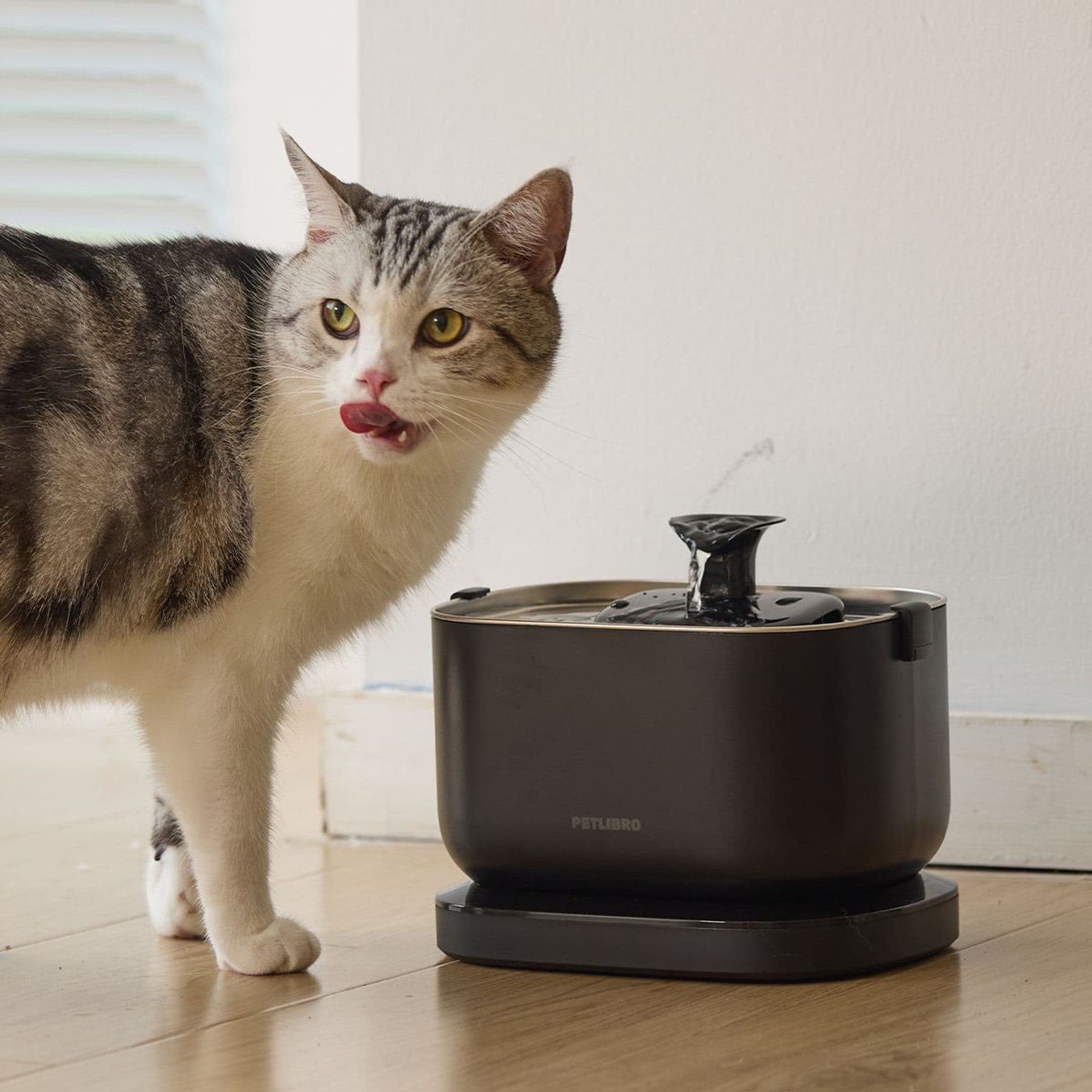
Webvet may earn a commission when you click through to Chewy, at no extra cost to you.
Do not use a slow blink to justify moving unfamiliar cats closer. Allow space and separate resources. If one cat cannot pass, eat, rest, or use the litter box without the other controlling access, the problem is broader than one eye signal.
Cat Headbutt Meaning: What Bunting Communicates
A cat headbutt is usually a brief, voluntary press or rub with the forehead, crown, or cheek. Cat bunting combines tactile contact with scent communication from facial areas. It may occur during greeting, familiarity, social bonding, environmental investigation, attention seeking, or a predictable routine such as feeding.
What does it mean when a cat headbutts you? The cat is choosing close contact and may be adding your body to a familiar scent and social routine. That often accompanies comfort, but it does not prove possession, dominance, or one emotional state. Check what happens before and after contact.

Bunting Adds Touch and Scent
The Merck Veterinary Manual describes feline social behavior as using multiple communication channels, including visual, tactile, and olfactory information. Bunting therefore differs from a slow blink even when both occur in the same friendly greeting.
A slow blink can happen across a room. A bunt requires the cat to approach and make contact. The cat may touch your hand, face, leg, or a surface, then rub the cheek along it. Read more about how cats use their sense of smell for environmental and social information.
Why Does My Cat Headbutt Me?
The question "why does my cat headbutt me" has several reasonable answers. The cat may be greeting you, mixing familiar scent, requesting attention, repeating a successful routine, or investigating where you have been. One contact can serve more than one purpose, and the next behavior helps narrow the context.
Look for patterns such as:
- Bunting near the door when you return home
- A forehead press followed by cheek rubbing and relaxed proximity
- Contact near a usual feeding or play time
- A bunt followed by the cat presenting the cheeks or shoulders for petting
- Rubbing on furniture, doorways, or other familiar routes
- Head contact followed by walking away once the greeting is complete
Cat rubbing its head on you or rubbing its face on you belongs to the same broad communication family, but people use "headbutt," "bunt," "nuzzle," and "rub" loosely. Focus on the visible contact, body posture, scent context, and the cat's next choice rather than policing one label.
Common Bunting Contexts
Common targets include objects, toys, furniture, the floor, and the ground. A cat may push the head into them, rub the chin, or keep returning to the same route. Those locations can reflect scent communication or habit. They do not automatically turn ordinary bunting into aggressive behavior or an affection score.
An owner may notice more bunting around food, when the cat is hungry, at night, or while the household is sleeping. Some cats prefer one person and may ignore a husband or other owners. That pattern does not mean the cat likes them less. Sudden change matters more than who receives contact.
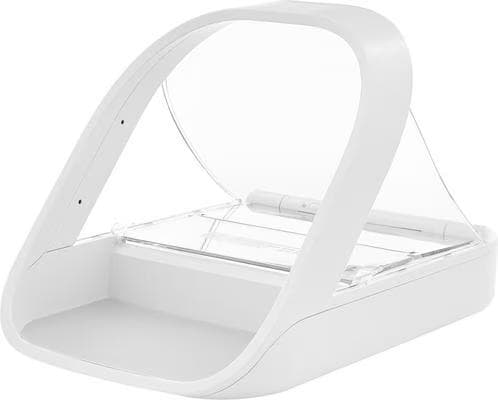
Webvet may earn a commission when you click through to Chewy, at no extra cost to you.
Where, When, and How Bunting Changes
Cats may headbutt each other. Head butting and bunting can be directed toward another cat, a person's head or hair, hands, feet, furniture, doors, toys, or a water bowl. A cat may rub its head against those surfaces. Morning, nighttime, feeding, play, and reunion routines can shape where contact happens.
If your cat seems to bunt too much, constantly headbutts, or rubs the head on everything, the pattern may reflect routine, scent investigation, hunger, or attention seeking. If your cat does not headbutt you anymore, a sudden stop plus pain, disorientation, or another lasting change deserves veterinary advice.
Head contact may occur with purring, cheek rubbing, licking, or a later bite. These combined behaviors do not have one fixed translation. Track the order, pressure, body tension, and stopping point. A cat that stopped headbutting may simply change routines, but a sudden broader behavior change deserves attention as well.
SponsoredVet care that's always there
Unlimited video calls and messaging with licensed vets for less than a typical vet visit. One membership covers up to five pets.
Use code Pets60
Plans start at $12/month · covers up to 5 pets
- Licensed vets in most states
- Rx for 150+ conditions
- 4.7 on Trustpilot
How to Respond to a Cat Headbutt
How do you respond to a cat headbutt? Start by holding still so the cat controls contact. Offer relaxed fingers at nose level or stroke the cheek, chin, or shoulder only while the cat remains loose and leans in. Pause after one or two touches, reassess the body, and let the cat request more.
Use the same consent-led sequence that works for a slow blink:
- Observe the approach, ears, eyes, tail, muscles, and available exit.
- Pause rather than grabbing, leaning over, or immediately increasing contact.
- Reciprocate with a still hand, a slow blink, or one gentle stroke if invited.
- Reassess after each touch for leaning in, remaining loose, turning away, or leaving.
- Respect the choice by stopping before the cat must bite, swat, flatten the ears, or retreat.
The point is not to reward every headbutt with food or prolonged petting. It is to answer the social contact safely. If the cat bunts around a predictable mealtime, notice whether immediate feeding has become part of the routine, then keep feeding schedules consistent without treating the cat as manipulative.
A respectful cat response keeps a human headbutt boundary and watches the full headbutt bite sequence, including head butting and biting. Do not bump, crowd, grab, restrain, or force contact. Hold still, offer one low-pressure option, then stop before tension escalates. The cat controls contact, including whether it begins, continues, changes, or ends freely.
- 1Hold still so the cat controls whether contact begins.
- 2Offer one low-pressure response, then pause and reassess.
- 3Stop before tension, biting, swatting, or retreat becomes necessary.
Can You Headbutt Your Cat Back?
Can I headbutt my cat back? It is safer not to bump your head into the cat. Human movement is larger and less predictable, and leaning over can crowd the cat's face or remove an exit. A hand offered at a comfortable distance or one slow blink communicates availability with less pressure.
If the cat chooses to touch your forehead while you remain still, avoid pushing forward. Let the cat set the force and duration. Stop if the cat hesitates, stiffens, ducks, turns the ears, moves away, or has any known pain around the head, face, mouth, neck, or eyes.
Do Cats Understand a Human Headbutt?
Do cats understand when you headbutt them? A cat may recognize your movement as familiar contact, but there is no reason to assume it carries the same meaning as feline bunting. The cat is responding to your size, approach, scent, history, and pressure as well as the contact itself.
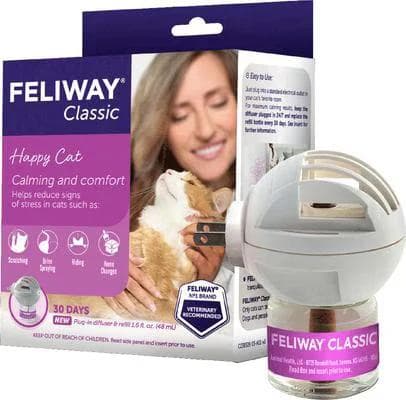
A vet-recommended plug-in diffuser that releases the drug-free Feliway Classic pheromone to reduce stress signs in cats like scratching, hiding, and urine marking. 30-day starter kit.
Webvet may earn a commission when you click through to Chewy, at no extra cost to you.
Choose signals the cat can decline. Hold still, offer a hand, or slow blink from a respectful distance. If the cat approaches, allow a brief touch. If the cat stays away, do not follow or repeat the movement. Consent is clearer when the cat controls whether contact begins.
Why Headbutting Sometimes Ends With a Bite
Why does my cat headbutt me then bite me? The most useful answer comes from watching when the interaction shifts and what the cat's body does immediately before the bite.
Why do cats headbutt then bite? The sequence may shift from greeting to play, petting sensitivity, arousal, frustration, or a learned request. A bite after bunting does not retroactively make the first contact aggressive. It shows that the interaction changed or that the cat reached a limit.
Watch for signals before the bite:
- The skin along the back twitches
- The tail begins flicking or lashing
- The ears rotate sideways or back
- The head turns quickly toward your hand
- The body stiffens or lowers
- The cat stops leaning into contact
Pause at the earliest change. Do not punish the cat, continue petting to prove a point, or use hands as toys. A sudden increase in irritability, pain around touch, or biting paired with another physical or behavior change warrants veterinary advice.
How Cats Choose Who to Headbutt
How do cats choose who to headbutt? Familiarity, past interactions, scent, routine, proximity, and the person's response can all influence the choice. Cats often repeat contact with people who remain predictable and allow the cat to approach, but bunting one person more often does not create a reliable ranking of love.
A cat may headbutt the person who feeds breakfast, sits quietly, returns at a predictable time, or offers a still hand. Another family member may receive slow blinks or relaxed proximity instead. Compare repeated patterns, not one greeting, and avoid forcing equal contact between people.
Why Does My Cat Headbutt My Face, Hand, or Leg?
Why does my cat headbutt my face? The face may be close during resting or greeting, while a hand or leg is often the easiest available contact point. Location alone does not change the basic interpretation. The cat is approaching a familiar surface and may be mixing scent or seeking interaction.
Keep glasses, hot drinks, sharp objects, and fragile items out of the contact path. If a hard bunt becomes sudden, repetitive, or paired with confusion, imbalance, appetite change, facial pain, or altered awareness, contact your veterinarian instead of assuming the cat has become unusually affectionate.
When Blinking or Head Contact Is Not Affection
Slow blinking and bunting are communication patterns, but similar-looking movements can signal discomfort or illness. The key differences are persistence, asymmetry, physical signs, force, awareness, and whether the behavior resembles a brief social approach or sustained pressure against an object.
What a One-Eye Blink or Wink Can Mean
What does it mean when a cat slowly blinks one eye? A brief one-eye blink can be a momentary variation, especially when the eye opens normally and the cat remains comfortable. Repeated or persistent one-eye closure is better described as squinting and should not be interpreted as a feline wink.
Stress, Sleepiness, or a Social Slow Blink
Do cats slow blink when stressed? Stress can narrow the eyes, but tension, hiding, crouching, flattened ears, rapid breathing, or avoidance does not match a relaxed slow blink. When a cat squints their eyes at you, check both eyes, the face, and the body before interpreting the movement as social communication.
Cornell's guide to feline conjunctivitis lists signs such as squinting, frequent blinking, redness, discharge, swelling, and discomfort. Contact your veterinarian when those signs appear, when the eye looks cloudy, or when the cat paws at the face.
Do not place human eye drops, ointments, leftover medication, or home remedies in the eye unless a veterinarian directs you. Eye problems can worsen quickly, and similar surface signs can have different causes that require examination.
Social Bunting Versus Head Pressing
A social bunt is usually brief and directed toward a familiar person, animal, or object during an approach. The cat touches, rubs, and then continues normal activity. Head pressing or repeatedly rubbing the head against a wall, floor, or furniture is sustained contact and may occur with altered awareness or other neurologic signs.
Head pressing warrants prompt veterinary advice. Record when it began and any changes in balance, walking, vision, responsiveness, appetite, vocalization, or seizure activity. Do not pull or push the head repeatedly. Keep the cat safe from stairs and hazards while arranging professional guidance.
When a Behavior Change Deserves a Veterinary Call
Contact your veterinarian when blinking, rubbing, bunting, or irritability changes suddenly and persists. Include video when it can be recorded safely, plus notes about timing, appetite, drinking, movement, sleep, elimination, medications, recent injury, and environmental changes.
One communication signal cannot diagnose disease. The purpose of the red-flag boundary is to prevent a health sign from being mislabeled as affection, not to turn normal slow blinking or voluntary bunting into a medical problem.
Broad Affection Signals Have Their Own Context
Questions such as "how do I know if my cat loves me?" or "how can I tell if my cat likes me?" need more than one gesture. The broader affection guide considers repeated choices, proximity, greeting, play, grooming, rest, and relaxed contact instead of treating a slow blink or bunt as a pass-fail test.
For the broader decision, see other signs your cat likes you. That guide explains how cats say "I love you," whether a cat is bonded with someone, and how to interpret affection across many behaviors. This article stays focused on slow blinking and bunting.
Love bites also need their own context. A gentle nip can appear during play, grooming, petting, or rising arousal, while a harder bite may end contact. This guide addresses a bite only when it follows bunting. The affection guide covers the wider question of why cats give love bites.
Read Slow Blinks and Bunting With the Whole Body
The eyes and forehead are only part of the message. Before interpreting either signal, check the cat's ears, whiskers, mouth, muscle tension, tail, distance, movement, breathing, and access to an exit. A relaxed signal stays more convincing when the surrounding posture is also loose and the cat can leave.
Useful context checks include:
- Face: Soft eyelids and whiskers differ from a tense muzzle or fixed stare.
- Ears: Neutral or gently moving ears differ from ears flattened tightly back.
- Body: Loose weight distribution differs from freezing, crouching, or leaning away.
- Tail: Still or gently moving posture differs from escalating flicks or lashes.
- Distance: Voluntary approach differs from being cornered, held, or followed.
- Sequence: What happens before and after the signal may reveal greeting, routine, petting sensitivity, or a request.

Questions about a cat body language chart, how to decode body language, airplane ears, or why cats knead need a wider signal set. Pain or sick-cat body language also requires its own veterinary context. The linked body-language guide covers those topics, while this guide interprets slow blinking and bunting only.
Use WebVet's guide to read the rest of your cat's body language when the ears, tail, pupils, whiskers, or posture carry the harder decision. General multi-signal interpretation belongs there. Here, the practical rule is simple: observe, pause, reciprocate gently, reassess, and preserve choice.
Cat Slow Blink and Headbutt FAQs
Frequently Asked Questions
Why does my cat headbutt my phone?
Your cat may headbutt a phone because it is a familiar object near your face and hands, carries your scent, and often predicts attention. The cat may bunt it for scent transfer, investigation, or a learned response. Hold the device securely and offer a still hand if the cat wants social contact.
Why doesn't my cat slow blink at me?
Individual variation matters. Some cats rarely perform an obvious slow blink but show comfort through relaxed proximity, soft posture, greeting, or choosing to remain nearby. Check whole-body context rather than testing the bond with one signal. Never crowd, stare at, or repeatedly prompt a cat that looks away or chooses more distance.
Is bunting the same as nuzzling?
Bunting is not always the same as nuzzling. Bunting usually describes deliberate forehead or cheek facial contact that may include scent communication, while nuzzling can describe broader gentle contact. Focus on the visible action, surrounding posture, and whether the cat voluntarily continues, changes, or ends the interaction in each specific situation.
Can cats slow blink at other cats?
Cats slow blink during some interactions with other cats, but this cat-cat communication remains a context-dependent signal, not a universal promise of friendship. Check distance, familiarity, resources, posture, and freedom to leave. Soft bodies support calm contact, while blocking, stalking, freezing, or guarding resources signals a broader social problem there.
Why does my cat headbutt my hand or face?
Your hand or face may be the most accessible contact point during greeting, resting, or petting. Bunting there can combine scent communication, familiarity, and an invitation to interact. Stay still, let the cat control pressure, and pause after brief contact so the cat can request more, turn away, or leave.

Editor
The Webvet Editorial Team is the in-house group of pet-care editors and writers behind Webvet, operated by Smart Pet Collective. The team researches, writes, and maintains Webvet's pet health, behavior, and medication content. Every article follows a defined editorial process: research from reputable veterinary and scientific sources, careful drafting, mandatory review of medical content by a credentialed veterinarian, and dated publication. Health and medication articles are medically reviewed by a licensed veterinary professional before they go live and are kept current over time.


