The Incredible Sense of Smell in Cats: How Felines Detect Mice
That little nose is more powerful than it seems


BVMS MRCVS

This article contains affiliate links. Webvet may earn a commission when you buy through them, at no extra cost to you.
The world of felines is a complex and fascinating one, filled with enigmatic behaviors and captivating abilities. Among the most intriguing aspects of these majestic creatures is their extraordinary sense of smell in cats.
It’s no secret that cats have long been revered for their hunting prowess, and their noses play a significant role in this reputation. In the wild, their remarkable sense of smell enables them to detect and track their prey with astonishing precision, ensuring their survival and continued dominance in the animal kingdom.
As domestic pets, cats continue to rely on their smelling abilities for various purposes, from social interactions to marking their territory and even locating hidden treats within their home environment.
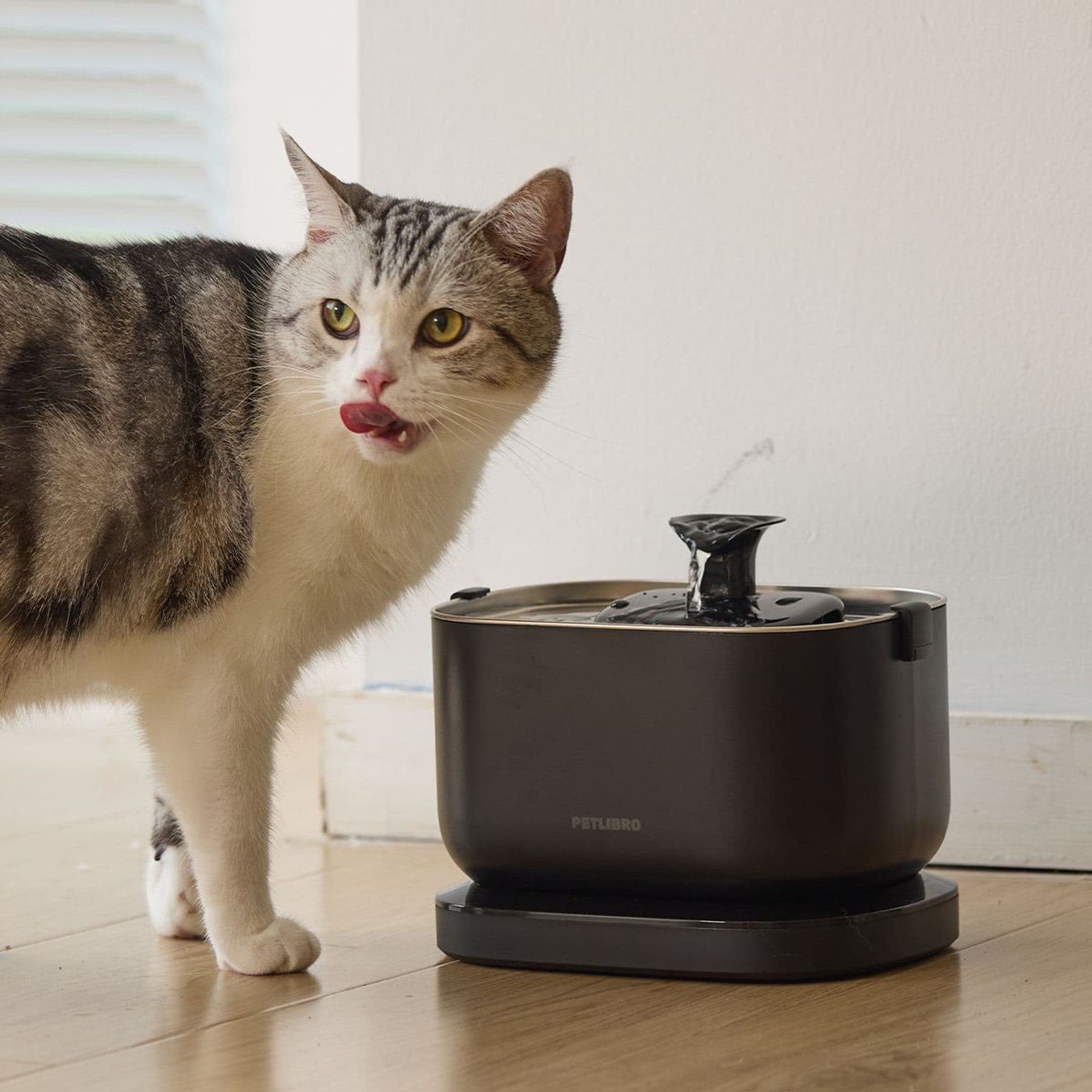
Webvet may earn a commission when you click through to Chewy, at no extra cost to you.
Take a look at the incredible sense of smell in cats and how it contributes to their ability to detect and hunt mice.
Understanding the Sense of Smell in Cats
From the moment they enter the world, kittens rely on their sense of smell to navigate and thrive in their surroundings.
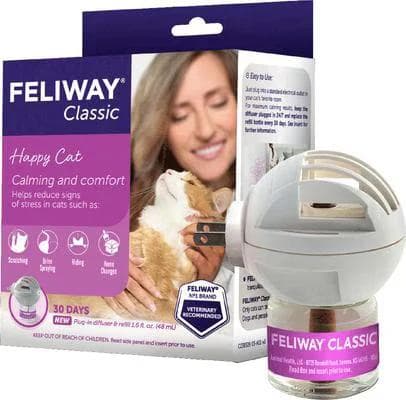
A vet-recommended plug-in diffuser that releases the drug-free Feliway Classic pheromone to reduce stress signs in cats like scratching, hiding, and urine marking. 30-day starter kit.
Webvet may earn a commission when you click through to Chewy, at no extra cost to you.
Their journey begins with the critical task of finding their mother’s milk, an essential source of nutrients for their growth and development. Using their innate sense of smell, newborn kittens are able to follow the scent of their mother’s milk and latch on, ensuring their survival in the earliest stages of life.
As kittens grow and begin to explore the world around them, their sense of smell continues to play a big role in guiding their actions and decisions. From discovering various food sources in the most unexpected locations to identifying potential mates and detecting the presence of other animals, a cat’s sense of smell is crucial in their daily lives.
With a olfactory system that is 14 times stronger than that of humans, cats are equipped to process a vast array of scents and information that would be imperceptible to people.
This heightened sense of smell can be attributed to the presence of nearly 70,000 smell receptors nestled within a cat’s nasal area, compared with a mere 20,000 receptors in humans. These receptors enable cats to effectively discern and respond to an assortment of scent-related cues in their environment.
The Vomeronasal Organ and Its Role
Cats have a special organ in their body that helps them smell even better, called the vomeronasal organ. This organ is also known as “Jacobson’s organ,” located in the roof of a cat’s mouth.
Compare coverage choices for your pet, then request a quote directly on Lemonade.
- Check a price for your pet
- Review available coverage choices
- See the terms before you decide
Eligibility, waiting periods, limits and exclusions apply.
Webvet may earn a commission when you click through to Lemonade, at no extra cost to you.
The vomeronasal organ is different from the regular sense of smell because it helps cats detect pheromones, which are like invisible messages that animals send to one another through the air. Pheromones are important because they help cats communicate with one another and understand their environment better. For example, they can use pheromones to figure out if another cat is friendly or if it’s time to find a mate.
Sometimes, you might see a cat smelling something interesting and then making a funny face with their mouth open and upper lip curled back. This is called the “Flehmen response.” When a cat does this, they are trying to get the smell to reach their vomeronasal organ so they can better understand the scent. Cats do this when they smell other animals, their urine, or even new objects in their home.
How Cats Detect Mice
Cats are well equipped to detect and hunt mice using a combination of their exceptional senses and instincts. Here’s a breakdown of how they accomplish this feat:
- Powerful Sense of Smell: Cats have an incredible sense of smell, which allows them to detect the scent of mice from a significant distance. This initial detection sets the stage for the hunting process.
- Acute Hearing: In addition to their sense of smell, cats also have excellent hearing. They can pick up on the rustling and movement of a mouse as it scurries about, helping them pinpoint its location.
- Keen Eyesight: Cats possess sharp vision, especially in low-light conditions. This enables them to spot the prey once they have narrowed down its location using their other senses.
With these senses working together, cats are able to track and locate mice with remarkable accuracy. Once they have detected and located their prey, they engage in stalking and hunting behaviors:
- Stalking: The cat will carefully and silently approach the mouse, using their body to remain low to the ground and blend in with their surroundings.
- Pouncing: When the time is right, the cat will pounce on the unsuspecting mouse, using their powerful hind legs and agile body to swiftly capture the prey.
Enhancing Your Cat’s Hunting Instincts
While many domestic cats may not need to hunt for food, their natural instincts can still be nurtured and satisfied in various ways. Here are some tips to help enhance your cat’s hunting instincts:
- Provide Interactive Toys: Stimulating toys that mimic prey, such as feather wands or motorized mice, can help keep your cat engaged and satisfied.
- Encourage Foraging Behavior: Hide treats or kibble around your home to encourage your cat to use their sense of smell and engage in foraging behavior.
- Offer Puzzle Feeders: Puzzle feeders can help challenge your cat’s problem-solving skills and mimic the process of hunting for food.
Appreciating Your Cats Hunting Prowess
In the fascinating world of feline senses and behaviors, the ability of cats to detect and hunt mice is a testament to their incredible hunting prowess. With a keen sense of smell, acute hearing, and sharp vision, cats are naturally equipped to track and capture prey with remarkable precision.
By recognizing and nurturing these natural instincts, we can ensure that our domestic cats lead fulfilling and engaging lives, while also gaining a deeper appreciation for their unique abilities and the captivating world they inhabit.
FAQs
Can a cat’s sense of smell be affected by illness or allergies?
Yes, a cat’s sense of smell can be affected by illness or allergies, just like humans. Upper respiratory infections, nasal inflammation, or allergic reactions can cause a cat’s nasal passages to become congested or blocked, which may temporarily diminish their sense of smell.
Do cats prefer certain scents over others?
Cats, like humans, can have individual preferences when it comes to scents. Some cats may be attracted to the smell of certain plants, such as catnip or valerian, while others might be drawn to the scent of their owner’s clothing or a specific type of food.
Can I train my cat to use their sense of smell for specific tasks or games?
Yes, you can train your cat to use their sense of smell for specific tasks or games. One popular activity is “scent games,” where you hide treats or toys scented with catnip or other enticing smells around your home, encouraging your cat to use their sense of smell to locate the hidden items.
Sources:

Wendy Toth is an entrepreneurial writer, editor, and mom of two humans, two dogs and one cat. She’s currently Content Director here at PetFul. For the last 15 years she has held positions at Parents Magazine, NBC, PetSmart, and GreatPetCare, where she was co-founder. Her writing has appeared in many national outlets including Pet Lab Co., Retail Me Not, Ask Men, Wild Society Nutrition, and The New York Times. Because she loves her work so much, she’s obsessed with helping others find career fulfillment, and covers it regularly at PowerSuiting.
Veterinarian · BVMS MRCVS
Dr. Pippa Elliott, BVMS, MRCVS, is a veterinarian with nearly 30 years of experience in companion animal practice. Dr. Elliott earned her Bachelor of Veterinary Medicine and Surgery from the University of Glasgow. She was also designated a Member of the Royal College of Veterinary Surgeons. Married with 2 grown-up kids, Dr. Elliott has a naughty Puggle named Poggle, 3 cats and a bearded dragon.


