Cat Drinking a Lot of Water: Causes and When to Worry
A vet-reviewed guide to measuring a cat's increased thirst, understanding common causes, tracking urine and other signs, and knowing when to call the veterinarian.

BVMS MRCVS
Medically reviewed by Dr. Pippa Elliott, BVMS MRCVS · Last reviewed

This article contains affiliate links. Webvet may earn a commission when you buy through them, at no extra cost to you.
A cat drinking a lot of water may simply be responding to dry food, warmer weather, or a recent change in routine. A sustained increase can also be an early sign of kidney disease, diabetes mellitus, hyperthyroidism, or another medical problem. The safest response is to keep water freely available, measure the change if you can, and contact your veterinarian rather than trying to diagnose the cause at home.
One unusually long drink does not prove that something is wrong. Look for a pattern: more visits to the bowl, faster-emptying bowls, larger litter clumps, or a clear change from what is normal for your cat.
 Sponsored
Have a health question about your cat?
Talk to a licensed vet at Dutch over video or message, including nights and weekends.
Use code Pets60
Plans start at $12/month · covers up to 5 pets
- Licensed vets in most states
- Rx for 150+ conditions
- 4.7 on Trustpilot
What Counts as a Cat Drinking a Lot of Water?
What counts as excessive thirst in cats? International Cat Care says a cat drinking more than 100 milliliters per kilogram of body weight in 24 hours is drinking more than usual. That works out to more than 450 milliliters, or roughly 15 fluid ounces, for a 10-pound cat. This is a veterinary reference, not a diagnostic cutoff. Diet, spills, shared bowls, weather, and health all affect what an owner can measure.
The most useful signal is a persistent change from the individual cat's baseline. A sustained increase from an individual baseline is a reason to schedule a veterinary appointment. A cat fed mostly wet food may rarely visit a bowl because the food supplies much of its water. A cat eating dry food may drink visibly every day. The same measured bowl intake can therefore mean different things in different cats.
More than 100 milliliters per kilogram per day is a veterinary reference, not a home diagnosis. Polydipsia in cats means increased thirst or drinking. A cat drinking a lot of water but acting normal, or a cat that is suddenly very thirsty, still deserves trend measurement and veterinary follow-up because early disease may cause few obvious companion signs.
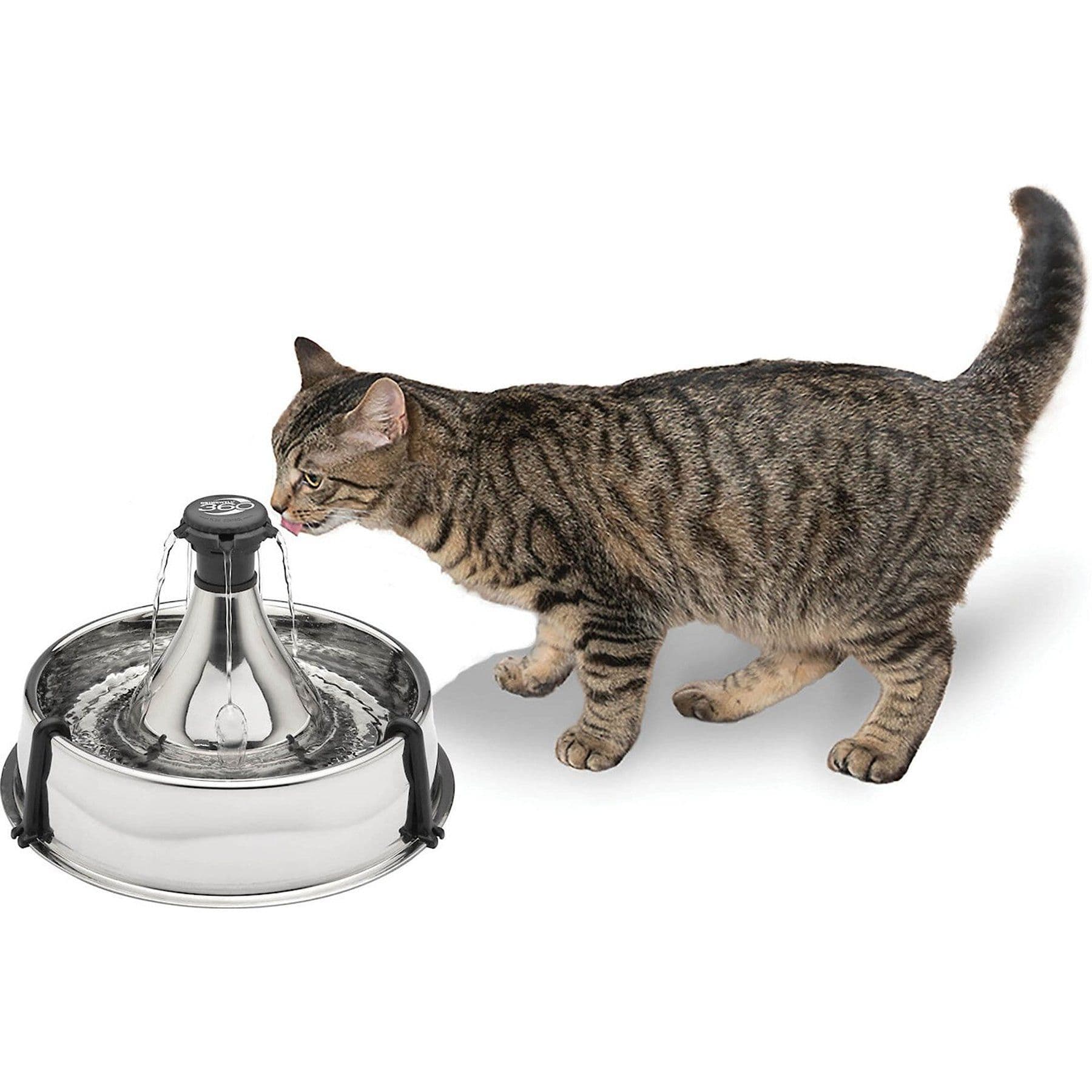
Webvet may earn a commission when you click through to Chewy, at no extra cost to you.
- 1Measure for 24 hours when it is practical and does not distress your cat.
- 2Record food moisture and litter output along with bowl intake.
- 3Do not restrict water to reduce drinking or urination.
- 4Call your veterinarian about a sustained increase, even if your cat seems comfortable.
- 5Seek prompt care when increased thirst occurs with vomiting, weakness, poor appetite, weight loss, or urinary difficulty.
Normal Daily Intake Belongs in the Baseline Guide
Normal bowl drinking varies because wet food supplies much more moisture than dry food, and body size changes total need. WebVet's guide to how much water a cat should drink explains the normal daily-intake calculation and how to estimate food moisture. Use that baseline to recognize a new or excessive trend.
Cats do get thirsty, but questions such as whether cats like drinking water, how to know if a cat is thirsty, or when kittens can start drinking water belong to the normal baseline rather than excessive-thirst triage. The baseline guide explains those age and behavior questions. Here, the decision begins with a sustained increase from the cat's usual pattern.
How to Measure Water Intake and Litter Output
A 24-hour water log turns “the bowl seems emptier” into information a veterinary team can use. Choose a reasonably typical day. If several pets share water, separate the cat only if doing so is safe and does not cause distress. Otherwise, note that the total includes other animals and focus on repeated observations. A pet camera can identify which cat visits a shared station, but it cannot show how much water was swallowed.
Use a 24-hour water log to record starting water volume, remaining water volume, spills, food moisture, litter output trend, and companion signs. Repeat the same method on a second typical day if the cat is stable and your veterinarian has not advised immediate care. The goal is a useful trend record, not a home diagnosis.

Use this sequence:
- Measure the starting water volume in milliliters before filling every bowl or fountain the cat can reach.
- Record every refill during the next 24 hours.
- Measure the remaining water at the same time the next day.
- Subtract the remaining amount from the starting volume plus refills.
- Estimate obvious spills and note any other pet that had access.
- Record whether the cat ate wet, dry, or mixed food and whether the diet recently changed.
- Count litter clumps and describe whether they look larger or more frequent than usual.
Record the measured starting and remaining water volume, plus spills, food moisture, and the litter clump trend. If your cat already uses health-monitoring litter, note and photograph color changes without treating them as a diagnosis or delaying the appointment.
| What to record | Practical entry | Why it helps |
|---|---|---|
| Starting water volume | Milliliters placed in all accessible containers | Establishes the day's measurable supply |
| Refills and remaining water volume | Milliliters added and left after 24 hours | Supports a bowl-intake estimate |
| Spills and shared access | Approximate spill plus which pets shared | Prevents false precision |
| Food moisture | Wet, dry, mixed, and any recent change | Explains why bowl drinking can change |
| Litter output trend | Number and approximate size of urine clumps | Shows whether drinking and urination rose together |
| Companion signs | Appetite, weight, vomiting, stool, energy, grooming | Helps the veterinary team set urgency and test priorities |
A fountain makes measurement less exact because water remains in the reservoir and can evaporate. Use the manufacturer's fill markers if they are clear, or temporarily use a measured bowl if the cat accepts it. Do not remove a preferred water source just to create a cleaner number.
The log cannot diagnose kidney disease, diabetes, hyperthyroidism, or a urinary problem. It provides a trend. Bring the record, food details, medication list, and any recent laboratory results to the appointment.
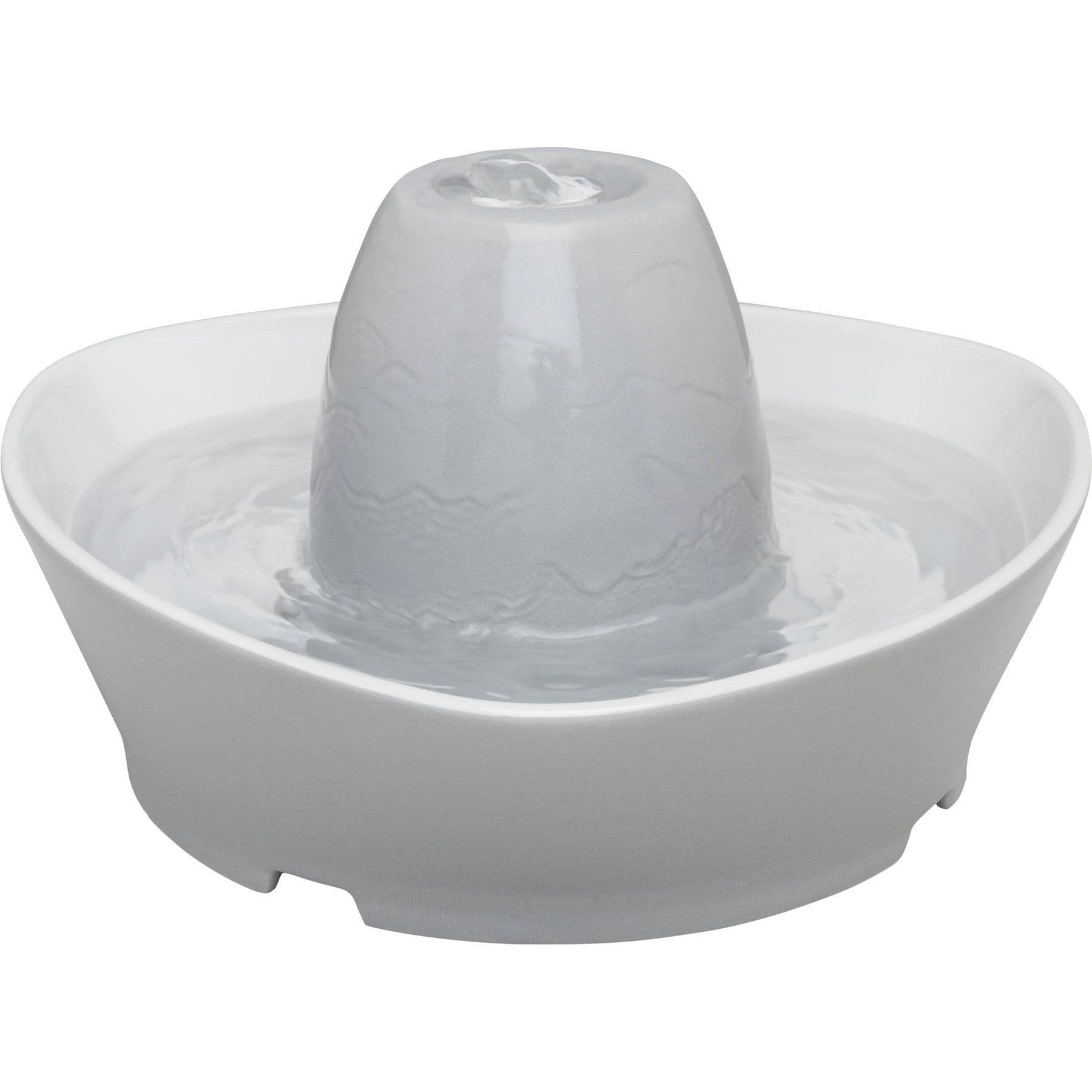
Webvet may earn a commission when you click through to Chewy, at no extra cost to you.
Why Is My Cat Suddenly Drinking More?
Why is my cat suddenly drinking a lot of water? A quick change can follow a switch from wet food to dry food, warmer conditions, greater activity, fluid loss from vomiting or diarrhea, or a medication that affects thirst or urine production. Common causes include chronic kidney disease, diabetes mellitus, hyperthyroidism, medication effects, diet change, heat, and fluid loss. A medical cause is also possible, so a sudden increase that continues should be discussed with a veterinarian.
In an older or elderly cat, a sudden drinking change deserves particular attention because several medical causes become more common with age. A senior cat drinking lots of water may still look comfortable, so age should inform the appointment timing rather than serve as an explanation by itself. An old cat drinking more is not simply a normal part of aging.
Check for recent changes before assuming the worst:
- A new dry diet, fewer wet meals, or a different food texture.
- Warmer indoor temperatures, time outside, or more vigorous play.
- Vomiting, diarrhea, fever, or another source of fluid loss.
- Medication changes, including corticosteroids or diuretics.
- A new bowl location, fountain, or household routine that makes drinking easier to observe.
The last point matters. Sometimes the cat is not drinking more, but the owner sees the behavior more clearly because a water station moved into a busy room. Measure the pattern and compare it with urine output. Observation can refine the question, but it cannot rule out disease.
Keep Water Available While You Observe the Trend
Fresh water should remain available at all times. A cat with excessive thirst may be replacing water lost through increased urination, vomiting, diarrhea, or another process. Restricting access can worsen dehydration and does not treat the underlying cause. Do not restrict water while arranging veterinary advice; keep it freely available while the veterinarian identifies the cause and guides treatment.
Offer stable, clean access while you arrange veterinary advice:
- Keep the usual water source in place so the cat's routine does not change suddenly.
- Add a second bowl in a quiet, easy-to-reach location when mobility or household competition may limit access.
- Clean bowls and fountain parts on the manufacturer's schedule.
- Keep water away from litter boxes and strong food odors if the cat prefers separation.
- Continue recording refills, spills, and which pets use each station.
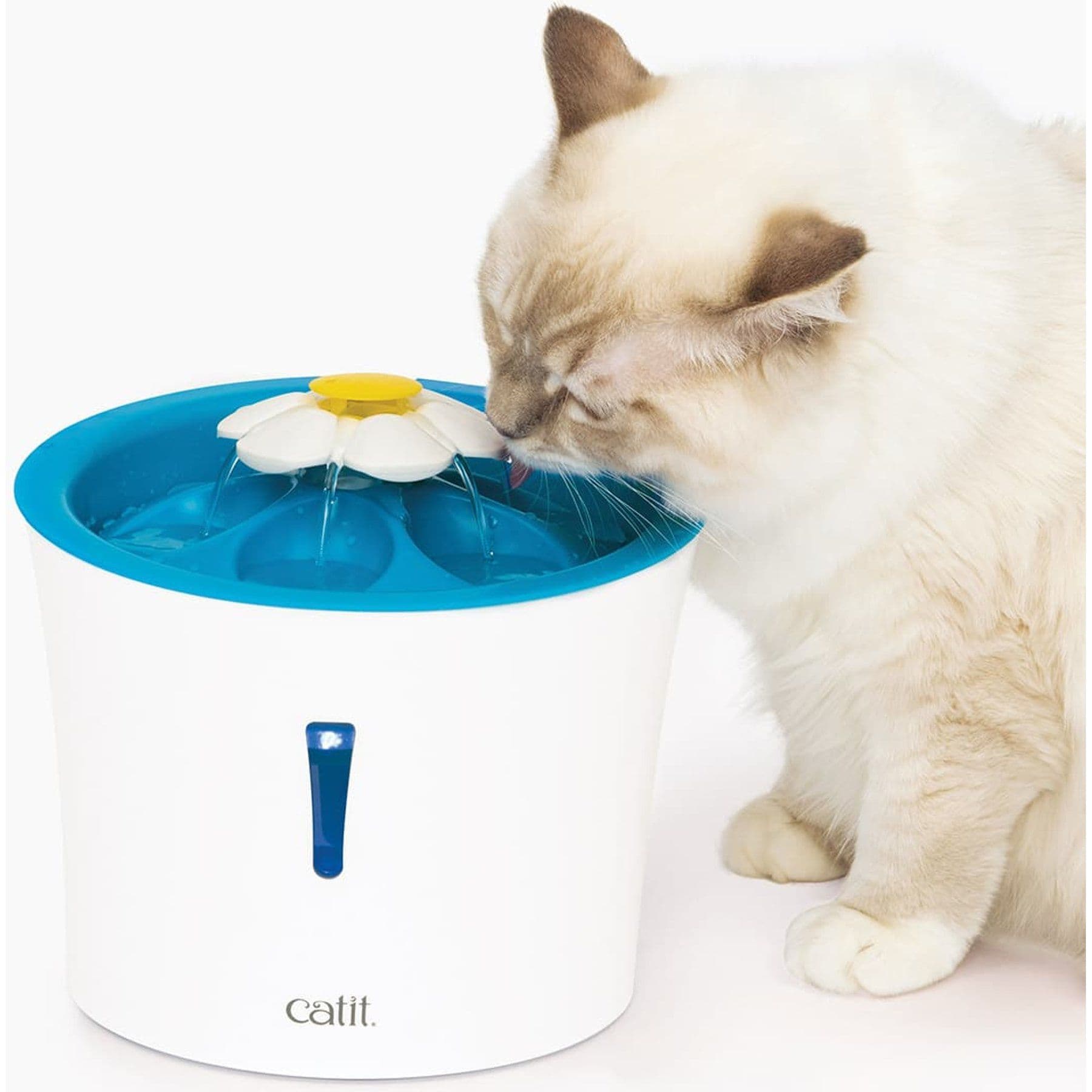
Some cats prefer moving water. WebVet’s guide to the best cat water fountains can help compare access options after the medical concern is addressed. A fountain can make water easier to reach or drinking easier to notice, but it is not a treatment for kidney disease, diabetes, hyperthyroidism, or any other cause of polydipsia.
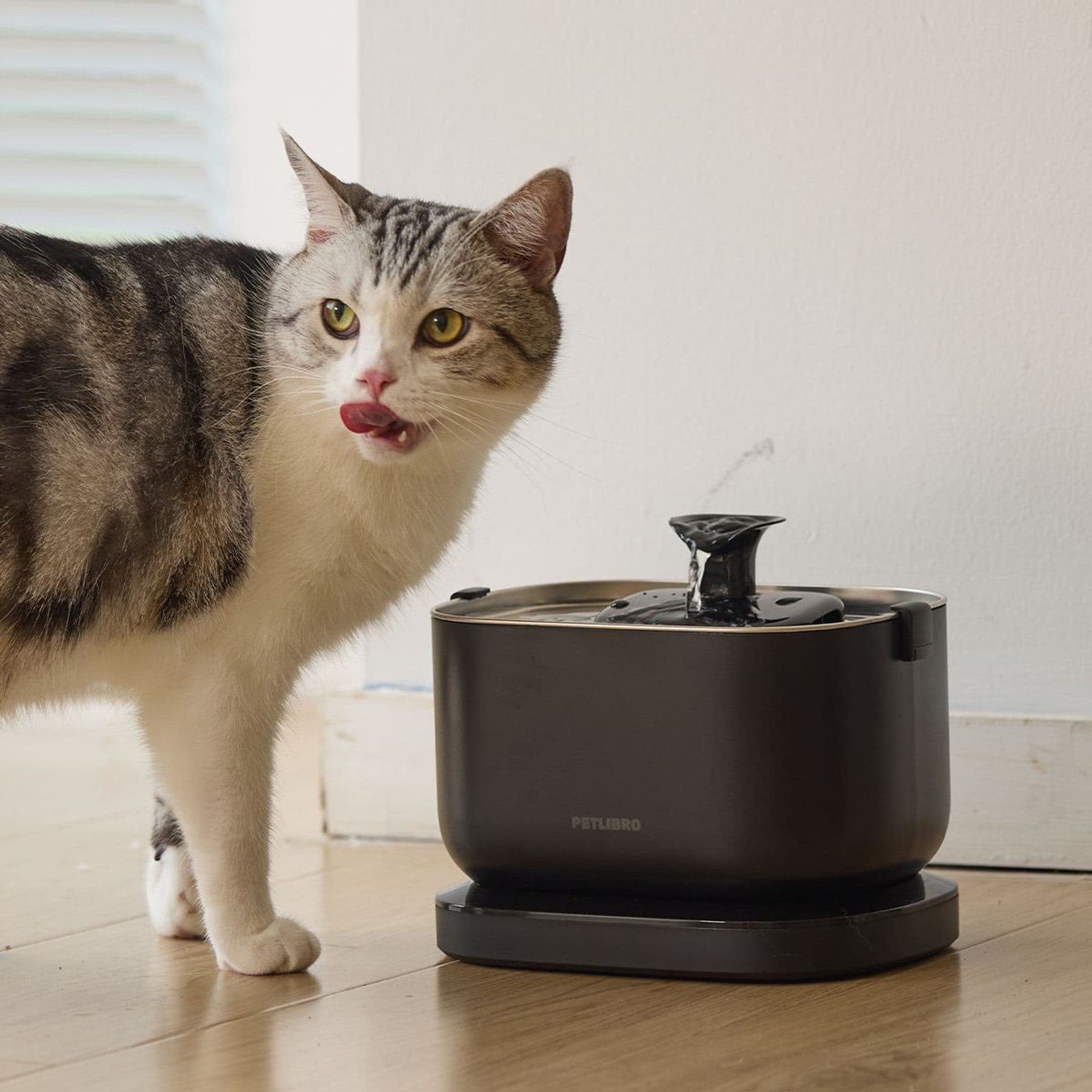
Webvet may earn a commission when you click through to Chewy, at no extra cost to you.
Maintain a Stable Routine Before the Appointment
Until the appointment, keep the routine stable and use the same bowls, food, litter, and measurement period when practical. A comparable record is more useful than repeated changes made in an effort to test the cat at home. Do not switch diets, start supplements, or move every water station at once unless the veterinarian directs it.
Record appetite, play, sleep, grooming, vomiting, stool, body weight, and litter clumps at the same time each day. If a new sign appears, contact the clinic and ask whether the appointment should be moved sooner. The goal is reliable observation with uninterrupted water access, not a home experiment.
SponsoredVet care that's always there
Unlimited video calls and messaging with licensed vets for less than a typical vet visit. One membership covers up to five pets.
Use code Pets60
Plans start at $12/month · covers up to 5 pets
- Licensed vets in most states
- Rx for 150+ conditions
- 4.7 on Trustpilot
Medical Causes of Excessive Thirst in Cats
Polydipsia means increased thirst or drinking. It often appears with polyuria, which means producing more urine. Several diseases can cause this pair, and the symptoms overlap too much for owners to identify the cause from drinking alone. A clear distinction between total water intake, bowl drinking, polyuria, and polydipsia prevents different observations from being treated as the same symptom. That distinction helps an owner describe what changed without assigning a diagnosis.

Common possibilities include:
- Chronic kidney disease: Cornell explains that kidneys with reduced concentrating ability produce more dilute urine. Cats may urinate larger volumes and drink more to compensate.
- Diabetes mellitus: Blood glucose that remains high can spill into urine and draw water with it. Increased urination and thirst may occur with weight loss despite a good appetite.
- Hyperthyroidism: Excess thyroid hormone is most common in middle-aged and older cats. Increased thirst and urination can occur with weight loss, increased appetite, vomiting, diarrhea, hyperactivity, or a poor coat.
- Liver disease or high blood calcium: These and other metabolic disorders can alter water balance and urine production.
- Urinary disease: Infection or inflammation can change urinary behavior, but frequent small trips and straining are different from producing a large total volume of urine.
- Medication effects: Corticosteroids, diuretics, and some other drugs can increase thirst or urination. Never stop a prescribed medicine without veterinary direction.
What are early signs of kidney failure in cats?
Early chronic kidney disease may cause no obvious signs. As urine-concentrating ability declines, an owner may notice increased thirst, larger urine clumps, weight loss, reduced appetite, lethargy, vomiting, or an unkempt coat. Those signs are not specific to kidney disease. Cornell notes that veterinarians interpret blood and urine results together because no single home observation or laboratory value tells the whole story.
Do cats drink more water when they have a UTI?
Some cats with a urinary tract infection may drink more, but increased thirst is not the defining sign and does not confirm a UTI. Cats with lower urinary discomfort more often show frequent trips, straining, crying, blood, or small amounts of urine. For the urinary signs that matter most, see WebVet's cat UTI symptoms guide. A cat unable to pass urine needs emergency care, especially a male cat.
Age changes the probability of some causes, but it does not make excessive thirst normal. An older cat drinking a lot of water deserves evaluation because chronic kidney disease and hyperthyroidism become more common with age. A young cat can still develop diabetes, kidney problems, infection, toxin exposure, or another disorder.
Our diabetes in cats guide explains how veterinarians distinguish persistent high blood glucose from stress-related changes and plan treatment and monitoring.
Keep the Water Setup Consistent During Evaluation
While the cause is being evaluated, keep fresh water freely available and avoid repeatedly changing the setup. If the cat already uses a battery-operated fountain, keep its fill level and location consistent when practical, record each refill, and note spills or other pets' access. Otherwise, use the same measured bowl or clearly marked fountain reservoir. Consistency makes the trend easier to interpret. Equipment can support access and observation, but it cannot determine why a cat is thirsty or replace blood and urine testing.
Webvet may earn a commission when you click through to Chewy, at no extra cost to you.
Cat Drinking and Peeing a Lot: Why the Signs Travel Together
A cat drinking a lot of water and peeing a lot may be responding to water loss through the urine. When kidneys cannot concentrate urine normally, or when substances such as glucose draw water into urine, the body signals thirst to replace that loss. Drinking is therefore often a response, not the original problem.
Look at total output rather than trip count alone:
- Polyuria: larger total urine volume, often seen as bigger or more numerous litter clumps.
- Pollakiuria: many trips that produce small amounts, often associated with lower urinary tract irritation.
- Stranguria: straining or painful urination, which can signal an urgent obstruction.
These patterns require different decisions. Large clumps plus increased thirst commonly lead to bloodwork and urinalysis. Repeated straining with little or no urine requires immediate veterinary attention. Do not wait for a 24-hour drinking measurement when the cat cannot urinate normally.
Other Signs That Change the Urgency
Companion signs help the clinic decide how quickly to see the cat and which causes to investigate first. Record the timing rather than trying to connect one symptom to one disease.
When describing the pattern, use concrete observations such as throwing up or vomiting, losing weight, not eating, acting always hungry, having diarrhea, or becoming lethargic. These symptom combinations can change urgency, but none proves a particular disease. Tell the clinic when each sign began and whether it is worsening.
Contact a veterinarian promptly when excessive drinking occurs with:
- Vomiting, diarrhea, or inability to keep water down.
- Reduced appetite, a cat not eating, or sudden food-seeking hunger.
- Weight loss, muscle loss, or a coat that becomes greasy or unkempt.
- Lethargy, weakness, hiding, confusion, or reduced grooming.
- Meowing or restlessness that is new for the cat.
- Larger urine clumps, accidents, blood in urine, or frequent litter-box trips.
A cat drinking a lot of water and vomiting can become dehydrated despite drinking. A cat losing weight and drinking lots of water may have kidney, diabetic, thyroid, gastrointestinal, or other disease. A cat drinking a lot of water and not eating should be assessed promptly because poor intake can create additional risk in cats.
When the Problem Is Not Excessive Thirst
Water-related symptoms require different decisions. Before following advice, distinguish increased intake from little or no drinking and from an appetite change.

When a Cat Is Not Drinking Water
If the concern is a cat not drinking water, follow the refusal guide because the immediate risks and home steps differ. A cat not drinking enough water may need prompt care even when the bowl still contains water. Do not apply the excessive-thirst threshold or wait for larger litter clumps when intake is absent, the cat is weak, or vomiting prevents fluids from staying down.
Why do cats stop drinking water, and what if a cat is not drinking water but eating dry food? Those are refusal-to-drink questions, not excessive-thirst patterns. The refusal guide explains how food moisture, nausea, mouth pain, illness, stress, and access can affect intake, plus when the absence of drinking needs urgent veterinary help.
When a Cat Is Not Eating but Drinking Water
If the cat is not eating but drinking water, see WebVet's appetite-and-water guide for that combined pattern. Continued drinking does not make food refusal safe, especially in an overweight cat or when poor appetite lasts into the next day. Record the last normal meal, vomiting, medication, energy, and urine, then ask the veterinarian how quickly the cat should be examined.
Do not use an excessive-thirst threshold to reassure yourself about refusal, weakness, repeated vomiting, or inability to urinate. Those signs require their own triage decision.
When to Call a Veterinarian
Call your veterinarian for any sustained increase from baseline, particularly if you can measure more than 100 mL/kg/day or see a matching increase in urine volume. A routine appointment may be appropriate for a comfortable cat with a stable pattern and no other signs, but the clinic should set the timing from the cat's age, health history, medications, and measurement.
Seek same-day or emergency care for:
- Straining with little or no urine.
- Repeated vomiting or inability to keep water down.
- Collapse, severe weakness, marked lethargy, or disorientation.
- Trouble breathing, pale gums, or sudden vision changes.
- Suspected toxin exposure.
- A diabetic cat that is vomiting, weak, or refusing food.
Do not delay urgent care to finish a water log or collect a urine sample. Call ahead and describe the drinking change, urine pattern, appetite, vomiting, medication, and any known disease.
What the Veterinarian May Test
The veterinary workup begins with history and a physical examination. The clinician may ask when the change began, what the cat eats, how much was measured, whether litter clumps changed, what medication the cat receives, and whether weight, appetite, vomiting, stool, activity, or grooming changed.
Bloodwork and urinalysis are common first-line tests, with further testing chosen from the examination and results. These tests help the veterinarian assess kidney concentration, blood glucose, electrolytes, liver values, urine glucose, and other clues in context. The findings may point toward a diagnosis, show that repeat sampling is needed, or justify more targeted testing. No single result should be interpreted from a home water measurement alone.
Common first-line tests include:
- Blood chemistry: evaluates kidney-related waste products, glucose, electrolytes, liver values, calcium, and other clues.
- Complete blood count: looks for anemia, inflammation, and other blood-cell changes.
- Urinalysis: assesses urine concentration, glucose, protein, blood, cells, and other findings.
- Urine culture: may be recommended when bacterial infection is possible.
- Total T4: commonly screens for hyperthyroidism, especially in middle-aged and older cats.
- Blood pressure: helps assess kidney, thyroid, and cardiovascular effects.
The veterinarian may recommend repeat samples, a fructosamine test, imaging, additional thyroid testing, or other targeted diagnostics. Results need to be interpreted together. Dehydration, muscle mass, stress, recent fluids, and medication can change individual values.
Treatment depends on the diagnosis. Do not begin a kidney diet, supplement, insulin, thyroid medication, antibiotic, or fluid treatment based only on excessive thirst. A product that supports water access cannot replace the examination and tests needed to identify the cause.
Cat Drinking a Lot of Water FAQs
Frequently Asked Questions
Why is my cat drinking so much but acting normal?
A cat drinking a lot of water but acting normal may still have early kidney disease, diabetes, hyperthyroidism, or another subtle problem. Diet or weather can also change intake. Keep water available, measure for 24 hours if practical, note litter output, and schedule a veterinary appointment for a sustained change. Normal behavior does not rule out early disease.

Editor
The Webvet Editorial Team is the in-house group of pet-care editors and writers behind Webvet, operated by Smart Pet Collective. The team researches, writes, and maintains Webvet's pet health, behavior, and medication content. Every article follows a defined editorial process: research from reputable veterinary and scientific sources, careful drafting, mandatory review of medical content by a credentialed veterinarian, and dated publication. Health and medication articles are medically reviewed by a licensed veterinary professional before they go live and are kept current over time.
Veterinarian · BVMS MRCVS
Dr. Pippa Elliott, BVMS, MRCVS, is a veterinarian with nearly 30 years of experience in companion animal practice. Dr. Elliott earned her Bachelor of Veterinary Medicine and Surgery from the University of Glasgow. She was also designated a Member of the Royal College of Veterinary Surgeons. Married with 2 grown-up kids, Dr. Elliott has a naughty Puggle named Poggle, 3 cats and a bearded dragon.
Related reading

Cat Cremation Cost: Private, Communal, and Additional Charges

Cat Euthanasia Cost: Clinic, At-Home Care, and Aftercare

Dog Microchip Cost: Implantation, Registration, and Ongoing Fees
