Cat Not Drinking Water: Causes, Warning Signs, and What to Do
A cat may drink less because of wet food or bowl preferences, but sudden refusal can also signal pain or illness. Learn what to watch, what to try safely, and when your veterinarian should help.

BVMS MRCVS
Medically reviewed by Dr. Pippa Elliott, BVMS MRCVS · Last reviewed

This article contains affiliate links. Webvet may earn a commission when you buy through them, at no extra cost to you.
A cat not drinking water may be getting much of its moisture from wet food, drinking somewhere you have not seen, or avoiding one particular bowl. A sudden change can also signal pain, nausea, weakness, dehydration, or another medical problem. Start with the cat's overall condition, not a new bowl or fountain.
Contact a veterinarian promptly if the change is new, you cannot confirm any water intake, or your cat also seems unwell. Seek urgent care for collapse, marked weakness, breathing difficulty, repeated vomiting, inability to keep water down, sunken eyes, very dry or tacky gums, or straining to urinate with little or no urine.
 Sponsored
Have a health question about your cat?
Talk to a licensed vet at Dutch over video or message, including nights and weekends.
Use code Pets60
Plans start at $12/month · covers up to 5 pets
- Licensed vets in most states
- Rx for 150+ conditions
- 4.7 on Trustpilot
Is a cat not drinking water an emergency?
A cat that appears not to drink needs symptom-first triage. To tell if your cat is dehydrated or to answer “Is my cat dehydrated?”, look at the whole pattern because no single home check can confirm hydration. Symptoms of severe dehydration in cats require prompt care, and what to do if a cat is dehydrated depends on the cat's condition and a veterinarian's examination.
- 1Symptom-first triage separates urgent care from safe home observation without a universal wait-and-see clock.
- 2A cat straining to urinate, crying in the litter box, or producing little to no urine needs emergency veterinary care, especially if the cat is male.
- 3Wet food can supply substantial dietary moisture, so less visible bowl drinking does not automatically mean zero water intake.
- 4Never force water by syringe into a resisting cat unless a veterinarian has shown you exactly how and told you to do it.
- 5Veterinary triage comes before hydration products; safe home changes belong only after urgent problems have been ruled out.
The Cornell Feline Health Center's lower urinary tract guidance calls urethral obstruction a true medical emergency. Cornell lists repeated attempts to urinate, straining, and little or no urine among the signs, with male cats at increased risk.
| What you observe | What it may mean | Best next action |
|---|---|---|
| Collapse, severe weakness, breathing difficulty, panting, repeated vomiting, sunken eyes, or very dry and tacky gums | Significant illness or dehydration may already be present | Seek urgent veterinary care now |
| Straining to urinate, repeated litter-box trips, crying, or little to no urine | A urinary blockage is possible and can become life-threatening | Go to an emergency veterinarian now |
| Sudden reduction in drinking with dental pain, poor appetite, lethargy, diarrhea, recent surgery, or a medication change | Pain, nausea, fluid loss, or another medical problem may be affecting intake | Call your veterinarian the same day for guidance |
| Cat seems bright, eats wet food normally, urinates normally, and you are unsure whether the bowl level changed | Dietary moisture or an unobserved water source may explain the pattern | Measure intake and observe closely without restricting access |
Cornell's instructions for giving a cat oral liquid call for small, slow amounts with pauses for swallowing. That is a medication technique for a cooperative cat, not permission to force water into a resisting cat. Ask your veterinarian for specific guidance.

The Cornell Feline Health Center's hydration guidance lists lethargy, weakness, poor appetite, dry mucous membranes, and, in more severe cases, sunken eyes among dehydration signs. Cornell also cautions that skin elasticity is less reliable in geriatric cats, so a home skin-tent check should never overrule the cat's symptoms or a veterinarian's exam.
How to decide whether your cat is truly drinking less
Questions such as “Are cats naturally dehydrated?”, “Are cats always dehydrated?”, or “Do cats not drink a lot of water?” confuse visible bowl visits with total intake. Cats can get water from both food and drinking, and Cornell notes that wet food may contain up to 80 percent water.
That means a cat eating wet food can visit the bowl less often without taking in no water. For a measured baseline, use WebVet's guide to how much water a cat should drink. Do not use a generic number to dismiss a sudden change in your individual cat.
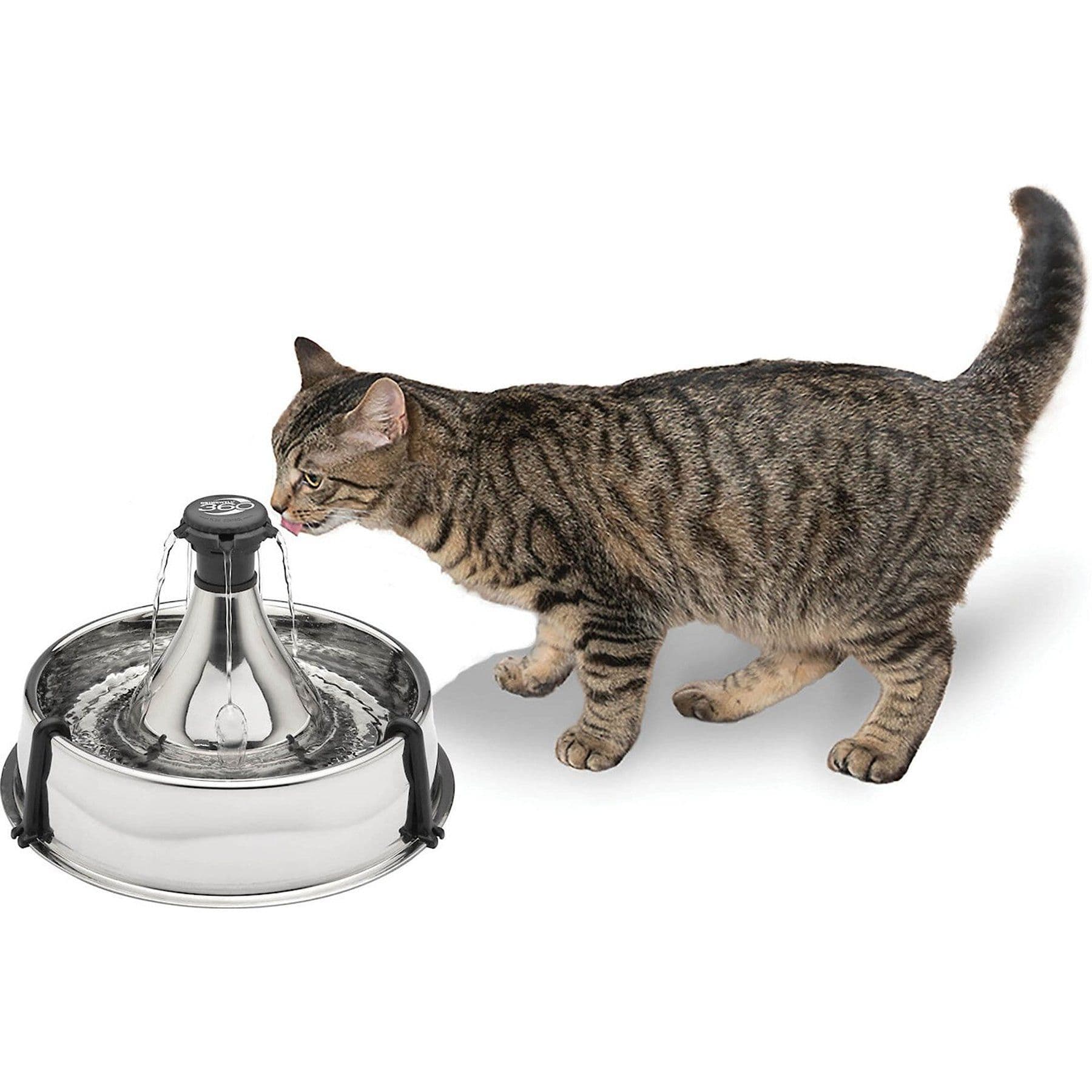
Webvet may earn a commission when you click through to Chewy, at no extra cost to you.
Check for hidden intake before assuming zero
Cats sometimes drink from places that are easy to miss. Before concluding that your cat will not drink water, check whether it has access to:
- Another pet's bowl or a bowl in a different room
- A dripping faucet, shower, bathtub, or plant saucer
- A fountain reservoir whose level is hard to judge by eye
- Wet food, food with added water, or a high-moisture treat
- Outdoor water, if the cat has outdoor access
Also look at urine output. A normal litter-box pattern does not prove that intake is adequate, but a marked reduction in urine, repeated straining, or no urine changes the priority from monitoring to urgent care.
Why is my cat not drinking water?
If your cat is suddenly not drinking water, is not drinking much water, or seems not to get enough water, the cause may be environmental, behavioral, or medical. The most useful clue is what changed: the food, bowl, household, health, medication, appetite, urination, or willingness to approach the water station.
Food moisture and an unseen water source
A cat that recently moved from dry food to wet food may drink less free water because more water now arrives with meals. A 2026 study of healthy colony and privately owned cats found that cats drank the most free water on a dry diet, but total water intake was highest on the wet diet. This is why bowl visits alone can mislead.
The pattern should still make sense for the whole cat. Normal energy, appetite, urination, and stable body weight are reassuring context, not a diagnosis. If your cat seems ill or the change is abrupt, call your veterinarian even if wet food could explain part of it.
Bowl, water, and location preferences
Some cats avoid water that smells stale, contains food debris, sits in a noisy location, or requires them to crowd another pet. A deep or narrow bowl may also be uncomfortable for an individual cat, while another cat may not care.
Test one change at a time so you can tell what helped:
- Wash and refill the bowl with fresh water every day.
- Offer a second bowl in a quiet, easy-to-reach place.
- Use a stable, wide bowl that does not slide when touched.
- Separate water stations so one pet cannot guard all access.
- Keep a familiar bowl available when introducing any new fountain.

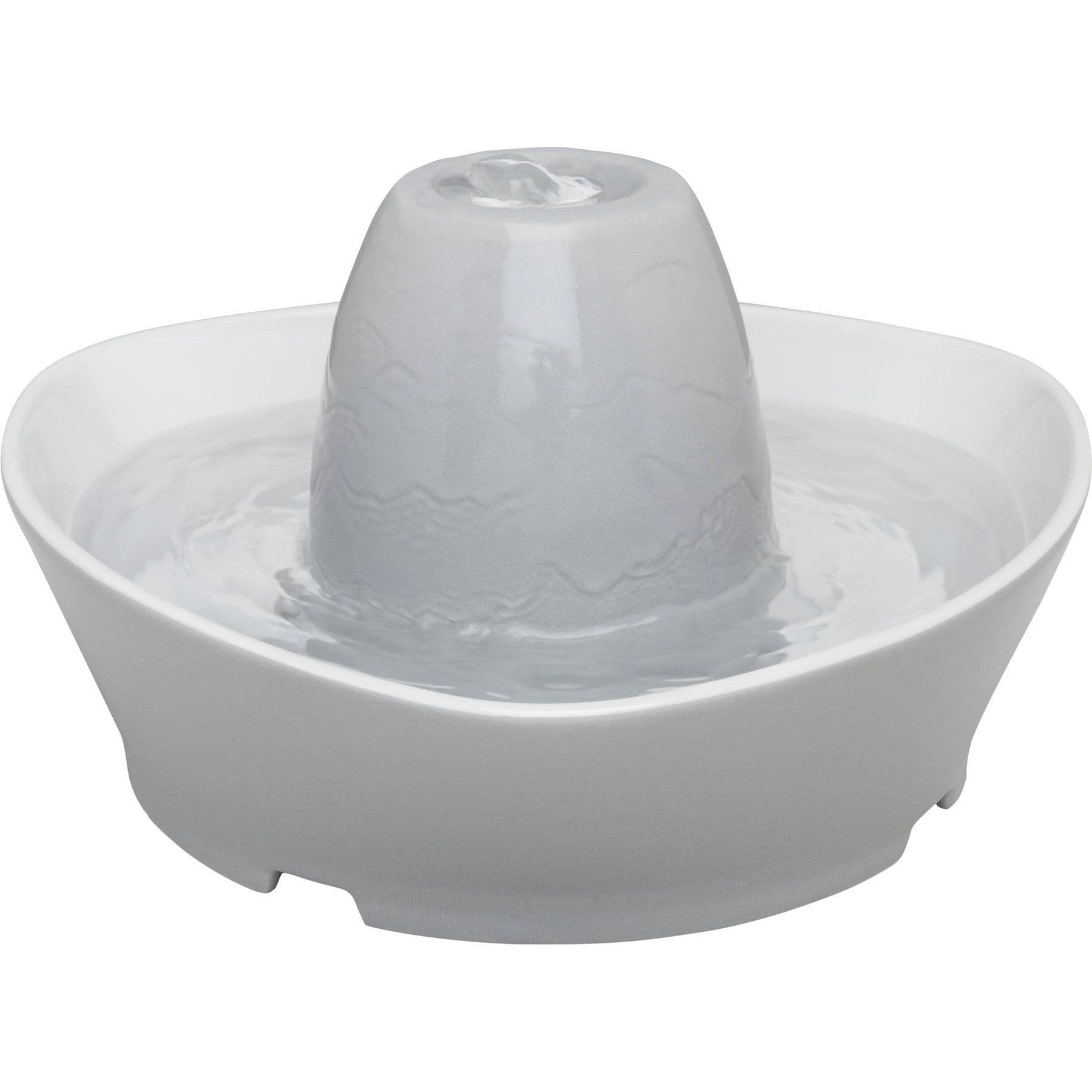
Webvet may earn a commission when you click through to Chewy, at no extra cost to you.
Dental pain, nausea, and difficulty reaching water
Dental disease, mouth injury, nausea, neck pain, arthritis, and weakness can make a cat reluctant to lower its head, lap, swallow, or walk to the usual bowl. Watch for drooling, bad breath, pawing at the mouth, chewing differently, dropping food, hiding, a hunched posture, or hesitation before the bowl.
A senior cat may need an easy-access station on the same level as its resting area. Accessibility can help, but it does not explain away pain. A new reluctance to drink or eat deserves veterinary guidance, especially when movement, swallowing, or mouth comfort looks different.
Stress, a new home, and competition between cats
A newly adopted cat may hide and avoid a busy water area. Construction, visitors, another pet, or a moved bowl can also alter access. Give the cat a quiet station near its safe area, but not so close that food, litter, or foot traffic makes the space feel contested.
Observe from a distance. Repeatedly placing the cat beside the bowl can increase pressure. If a new cat will not drink, is not eating, or seems weak, contact the veterinarian or adoption organization rather than assuming the behavior is only adjustment stress.
Surgery, medication, vomiting, or diarrhea
Pain, nausea, sedation, stress, and changes in routine can reduce intake after a procedure. Vomiting and diarrhea can also increase water loss at the same time a cat feels less willing to drink. Follow the discharge instructions and call the treating clinic when drinking is below the expected recovery plan.
Do not add broth, supplements, or electrolyte products after surgery without checking first. They can conflict with a prescribed diet, medication, or the reason the procedure was performed.
Illness can change both intake and water loss
Many diseases can alter fluid balance, but the direction of change matters. Chronic kidney disease, diabetes, and hyperthyroidism commonly cause increased water loss and may lead to more drinking, not simple refusal. If your concern is a sustained increase, use the separate guide to a cat drinking a lot of water.
A sick cat may still drink less because of nausea, pain, weakness, fever, mouth problems, or poor appetite. The behavior alone cannot identify the disease. A veterinarian needs the history, physical exam, and, when indicated, bloodwork, urinalysis, or imaging.
SponsoredVet care that's always there
Unlimited video calls and messaging with licensed vets for less than a typical vet visit. One membership covers up to five pets.
Use code Pets60
Plans start at $12/month · covers up to 5 pets
- Licensed vets in most states
- Rx for 150+ conditions
- 4.7 on Trustpilot
How to get a cat to drink more water safely
To hydrate a cat that will not drink, first rule out urgent symptoms and call a veterinarian when the change is sudden or concerning. These are safe, low-pressure encouragement steps for a bright, stable cat whose veterinarian agrees that home care is appropriate. They can help get your cat to drink more water and stay hydrated without trying to make the cat drink.
Rule out urgent symptoms before trying wet food, added water, another bowl, or a fountain.
Start with the lowest-pressure options:
- Refresh the usual bowl and keep it available.
- Add another clean bowl in a quiet location.
- Offer the cat's familiar wet food if it is already part of the approved diet.
- Mix a small amount of water into familiar wet food, increasing gradually only if the cat accepts the texture.
- Try a quiet fountain while keeping a still-water bowl available.
- Ask the veterinarian whether a small amount of safe flavoring is appropriate for this cat.
Cornell suggests wet food, water added to food, and, in some cases, a small amount of tuna water or low-sodium chicken broth as ways to encourage intake. Any broth must be free of onion and garlic, and a cat with kidney, heart, urinary, or dietary restrictions should get veterinarian-specific advice before flavored water is offered.
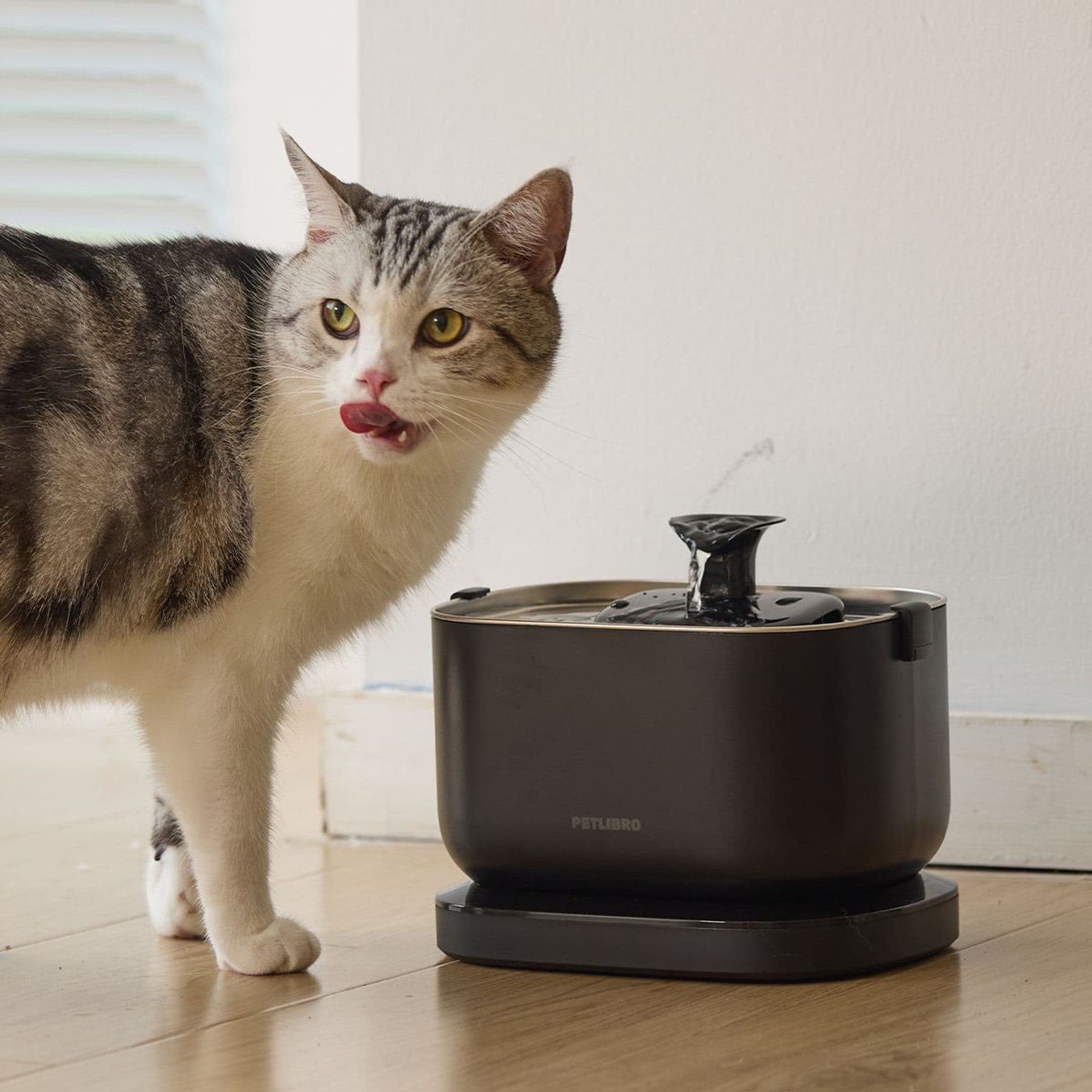
Webvet may earn a commission when you click through to Chewy, at no extra cost to you.

Why a fountain may help some cats, but not all
Some cats prefer moving water, while others prefer a still bowl. In a controlled study comparing still, circulating, and free-falling water presentations, individual cats showed different preferences. Moving water is an individual preference after medical triage, not a guaranteed hydration fix, so a fountain is an option to test rather than a treatment.
After medical triage, compare the best cat water fountains by drinking surface, sound, cleaning needs, filter schedule, and placement. Introduce one without removing the cat's familiar bowl. Clean the unit as directed, watch whether the cat actually uses it, and keep access unrestricted.
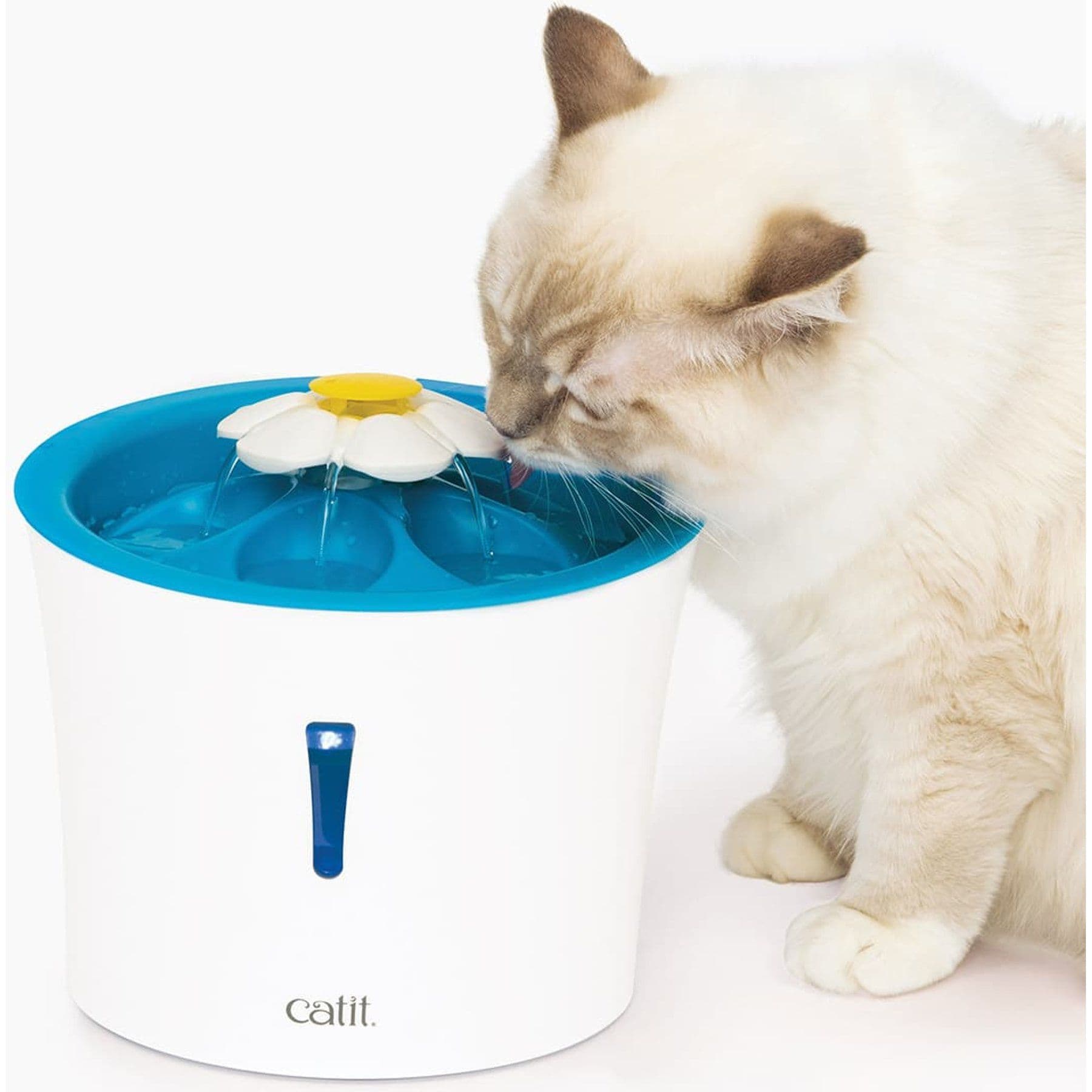
Webvet may earn a commission when you click through to Chewy, at no extra cost to you.
Do not use a purchase to postpone a veterinary call. A quieter pump cannot treat dental pain, nausea, urinary obstruction, dehydration, or systemic illness.
How to track what your cat is taking in
A water, food, and urination observation log can turn “I never see the cat drink” into useful evidence. A practical intake-and-urination log can start immediately and go with the owner to the veterinarian. The value comes from pairing a red-yellow-green triage table with an observable intake and urination log instead of relying on one generic list of hydration tips. Do not wait to complete it when red flags are present.
| Record | How to observe it | Why it helps |
|---|---|---|
| Water offered | Measure what goes into each bowl or reservoir at the same time each day | Creates a consistent starting point |
| Water left | Measure the remainder and note obvious spills or evaporation | Estimates free-water use without pretending it is exact |
| Food and added water | Record wet or dry food, amount eaten, and water mixed into meals | Captures dietary moisture that bowl-only tracking misses |
| Urination | Note litter-box visits, number and approximate size of urine clumps, straining, or accidents | Shows whether output changed with the drinking concern |
| Other symptoms | Time-stamp vomiting, diarrhea, hiding, pain signs, drooling, weakness, or medication doses | Helps the veterinarian connect intake with illness or fluid loss |
| Household access | Note other pets, alternate bowls, outdoor access, and who used each station | Identifies hidden intake and competition |
In a multi-cat home, a shared reservoir cannot show which cat drank. If your veterinarian needs individual information, ask about a safe short observation period or a monitored room setup. Never isolate a cat from water, and never withhold water to make measurement easier.
A simple red, yellow, and green log review
Use the log to organize action, not to diagnose:
- Red: Urinary straining, no urine, collapse, breathing trouble, repeated vomiting, severe weakness, or obvious dehydration signs mean urgent care.
- Yellow: A new intake change plus pain, poor appetite, diarrhea, weight loss, recent surgery, or a medication change warrants a prompt veterinary call.
- Green for observation, not dismissal: A bright cat eating wet food, urinating normally, and showing no other change may simply have less visible bowl drinking. Measure the pattern and contact the veterinarian if concern remains.
This framework deliberately avoids a universal safe waiting period. Age, diet, temperature, health history, current losses, and the degree of refusal all change the risk.
What the veterinarian may check
The veterinarian will start with the timeline and the whole pattern: food, water, urine, vomiting or diarrhea, activity, medications, recent procedures, and access to the bowl. A physical exam can assess hydration, mouth pain, body weight, temperature, circulation, abdominal comfort, and mobility.
Depending on the findings, the next steps may include:
- Bloodwork to evaluate organ function, glucose, electrolytes, and other abnormalities
- Urinalysis to assess urine concentration and look for blood, inflammation, crystals, or infection indicators
- Imaging when the history or exam suggests urinary, gastrointestinal, or other structural disease
- Veterinary fluid therapy when dehydration is present
- Dental or pain assessment when approaching, lapping, or swallowing appears uncomfortable
Subcutaneous or intravenous fluids are medical treatments, not do-it-yourself substitutes for drinking. Cornell advises contacting a veterinarian promptly when dehydration is suspected, both to restore hydration and to determine why it developed.
When less bowl drinking may have an explanation
Less visible bowl drinking can have a reasonable explanation when the cat recently began eating more wet food, found another water source, or prefers a new station. A new-home cat may also drink when the household is quiet and no one is watching.
Context is only reassuring when the rest of the picture is stable. Appetite, energy, urination, mobility, and body weight should remain normal for that cat. A senior cat, sick cat, stray cat, or cat recovering from surgery deserves a lower threshold for a veterinary call because illness, pain, and fluid loss can be harder to judge at home.
A reassuring explanation should also line up with timing. For example, bowl visits may fall after a confirmed switch to wetter food while measured water, urine output, behavior, and weight stay steady. If the timing does not fit, the pattern keeps changing, or you cannot verify the presumed alternate source, treat the explanation as a hypothesis and ask your veterinarian what to monitor next.
What if the change is more drinking, not less?
Do cats drink more water as they get older? Age alone does not explain a sustained change. A cat drinking more water than usual has the opposite symptom, even if the household first noticed an empty bowl. Sustained excessive thirst, larger urine clumps, weight loss, or an older cat drinking more can accompany kidney disease, diabetes, hyperthyroidism, medication effects, or other conditions.
Do not restrict water to test the change. Keep water freely available, record intake and urination, and follow the dedicated guide to excessive drinking in cats while arranging veterinary advice.
Cat not drinking water questions
Frequently Asked Questions
Is it normal if my cat eats wet food but does not visit the water bowl?
It can be normal for a cat eating wet food to make fewer visible trips to the bowl because wet food supplies substantial dietary moisture. Fresh water should still remain available at all times. Measure the water and watch appetite, energy, urination, and body weight. A sudden change, no confirmed intake, or any sign of illness warrants a veterinary call.
Should I syringe water into a cat that will not drink?
Do not syringe water into a resisting cat unless a veterinarian has specifically instructed and trained you to do it. A resisting cat may not swallow the liquid safely, and struggling adds stress. A cat that cannot or will not drink may need an examination and veterinarian-delivered fluid therapy rather than a risky home technique.
Can I add broth to my cat's water?
You can add broth to a cat's water only if your veterinarian agrees, especially when the cat has kidney, heart, urinary, or dietary restrictions. Use only a small amount of an onion-free and garlic-free, low-sodium option. Keep plain fresh water freely available too, and stop if the added smell makes the cat avoid the station.
Will a water fountain make my cat drink more?
A water fountain may help a cat drink more, but individual preference varies. Keep the familiar bowl available, introduce the fountain after medical triage, clean it as directed, and observe actual use. A fountain cannot treat pain, nausea, dehydration, urinary obstruction, or another illness, so do not use it to delay veterinary care.
How can I tell whether my cat is drinking when I am not watching?
You can tell whether your cat is drinking when you are not watching by measuring the starting and remaining water at the same time each day. Account for obvious spills, record wet food and added water, and note urine-clump size and frequency. In a multi-cat home, a pet camera can identify visits but cannot measure swallowed volume, so ask your veterinarian about a safe monitored setup if individual intake matters.

Editor
The Webvet Editorial Team is the in-house group of pet-care editors and writers behind Webvet, operated by Smart Pet Collective. The team researches, writes, and maintains Webvet's pet health, behavior, and medication content. Every article follows a defined editorial process: research from reputable veterinary and scientific sources, careful drafting, mandatory review of medical content by a credentialed veterinarian, and dated publication. Health and medication articles are medically reviewed by a licensed veterinary professional before they go live and are kept current over time.
Veterinarian · BVMS MRCVS
Dr. Pippa Elliott, BVMS, MRCVS, is a veterinarian with nearly 30 years of experience in companion animal practice. Dr. Elliott earned her Bachelor of Veterinary Medicine and Surgery from the University of Glasgow. She was also designated a Member of the Royal College of Veterinary Surgeons. Married with 2 grown-up kids, Dr. Elliott has a naughty Puggle named Poggle, 3 cats and a bearded dragon.
Related reading

Cat Cremation Cost: Private, Communal, and Additional Charges

Cat Euthanasia Cost: Clinic, At-Home Care, and Aftercare

Dog Microchip Cost: Implantation, Registration, and Ongoing Fees
