Cat Acne: Blackheads, Chin Bumps, Treatment and Prevention
Cat acne can look like black specks, chin bumps or inflamed skin. Learn how to distinguish mild plugs from painful problems, clean gently, choose useful care supplies and know when to call your veterinarian.

BVMS MRCVS
Medically reviewed by Dr. Pippa Elliott, BVMS MRCVS · Last reviewed

This article contains affiliate links. Webvet may earn a commission when you buy through them, at no extra cost to you.
Cat acne usually starts as tiny blackheads on the chin or around the lips. A few dark plugs on comfortable, intact skin are different from a swollen, painful chin with scabs or discharge. The most useful first step is to notice which pattern your cat has, then arrange appropriate care without squeezing, scraping or applying human acne products.
Chin acne can recur, and it does not automatically mean your cat is dirty or you have chosen the wrong food. Gentle hygiene may help mild cases, while infected or unusual lesions need a veterinarian's assessment and a treatment plan suited to that cat.
What cat acne looks like
Feline chin acne affects hair follicles. Keratin, a normal component of skin and hair, builds up and forms plugs called comedones. These often look like peppery specks caught close to the skin. If follicles become inflamed or infected, the appearance can change to red bumps, pustules, crusts or larger sores. VCA Animal Hospitals describes both the plugged-follicle stage and the deeper inflammation that can make the chin sore.
Look while your cat is relaxed and willing to let you see the chin. A photograph in steady light can help you compare changes later, but pictures alone cannot identify the cause. Dark fur can hide plugs, and a hard white bump should not automatically be treated as a blackhead.
- 1Blackheads on comfortable skin call for gentle observation and a sensible hygiene routine.
- 2Redness, swelling, pain or discharge mean the problem needs veterinary attention.
- 3Do not squeeze chin bumps or use human acne products on your cat.

For routine bowl hygiene, a smooth dish that is easy to wash is useful. The small OurPets Durapet Premium Stainless Steel Cat & Dog Bowl holds 0.75 cups and has a rubber base. Choose it for its washable feeding surface and suitable size, rather than expecting a new bowl to clear an existing infection.
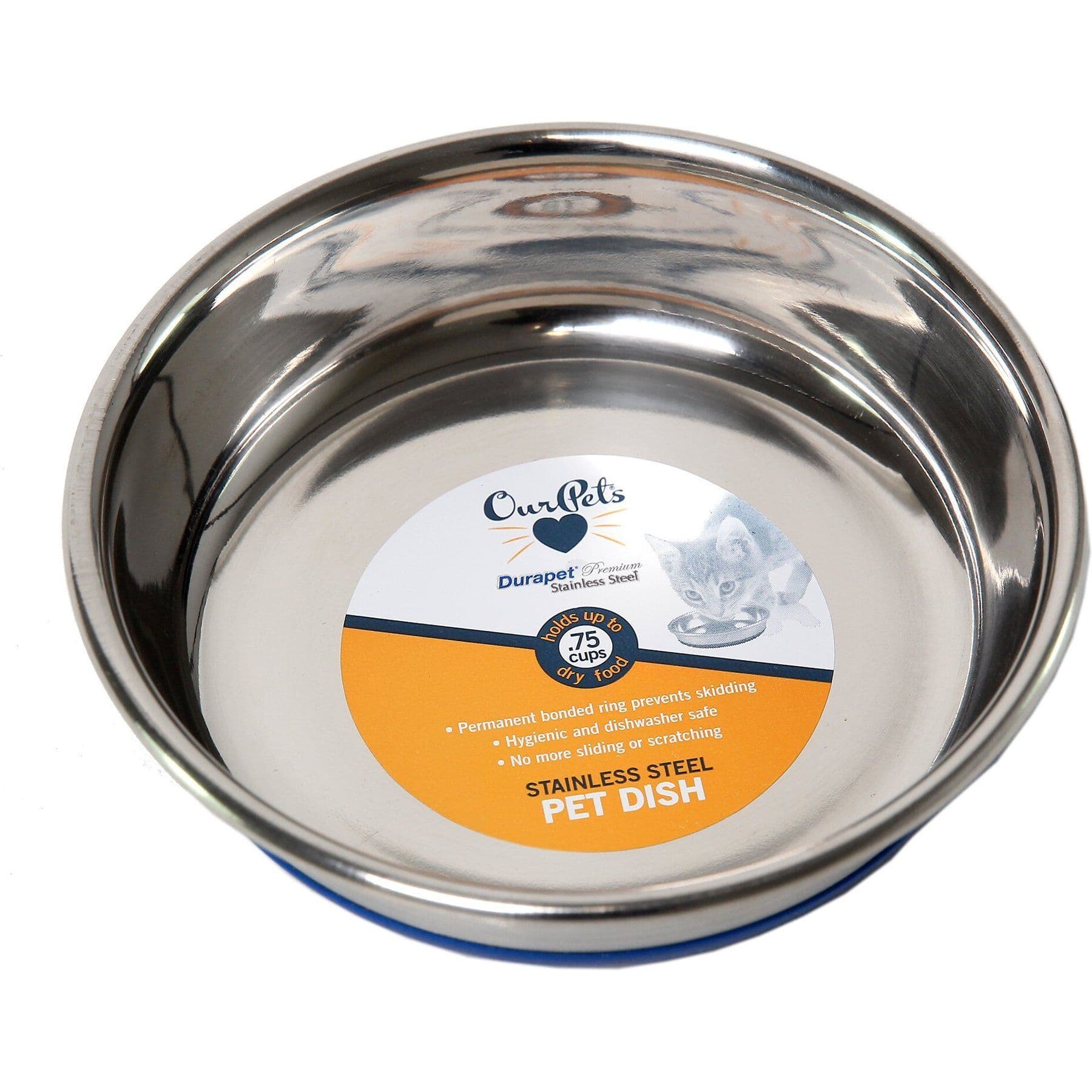
A small stainless-steel bowl with a rubber base for an easy-to-wash feeding setup. Holds 0.75 cups; choose the size that fits your cat.
Webvet may earn a commission when you click through to Chewy, at no extra cost to you.
Compare the skin, not just the color
The next-action table separates a cosmetic-looking change from a painful skin problem. It is an observation aid, not a home diagnostic test. If your cat objects to being touched, stop rather than holding the head firmly to get a better view.
| What you notice | What it may mean | Sensible next action |
|---|---|---|
| Small blackheads, intact skin, normal eating and no discomfort | Plugged follicles may be present | Photograph gently, clean bowls and ask the vet about a suitable routine |
| Red bumps, new scabs or increased rubbing | Inflammation or another skin disorder | Arrange an examination before starting medicated products |
| Swelling, pus, bleeding, pain or difficulty eating | Infection, deeper inflammation or another painful condition | Contact the veterinarian promptly |
| Rapidly worsening facial swelling or a cat that seems very unwell | A problem beyond simple surface plugs | Seek urgent veterinary advice |
Loose dark material may be food debris or flea dirt on cats, rather than acne. Blackheads tend to sit in follicles, while flea debris may also appear elsewhere in the coat. Neither color nor location settles the question on its own. Avoid repeatedly combing the chin to find out, particularly when there are scabs.
The shallow, one-cup Frisco Elevated Stainless Steel Dog & Cat Bowl is another washable option for water or food. Its stand changes the bowl's height; there is no need to assume that elevation itself treats chin acne. Check that your cat can comfortably reach the contents and wash the removable dish regularly.

A shallow one-cup stainless-steel dish with a stand for a washable food or water setup. Clean it regularly, regardless of material.
Webvet may earn a commission when you click through to Chewy, at no extra cost to you.
Acne commonly involves the lips and chin. Bumps around the nose or on the bridge of the nose should not automatically receive the same diagnosis; neither should lesions on the belly or stomach. Show the veterinarian every affected area rather than applying a chin-acne routine to a different rash.
Why cats get chin acne
The exact cause of feline acne is not established. Excess skin oil, grooming difficulties, stress, allergies and other health factors have been proposed, but finding chin acne does not prove any one of them is responsible. A cat can develop blackheads despite an otherwise good care routine.
Plastic food and water dishes may contribute in some cats because scratched surfaces can be harder to keep clean. Switching to a smooth, nonporous dish is a reasonable hygiene step, but stainless steel is not a guaranteed prevention or treatment. A dirty stainless dish still needs washing, and an immaculate bowl does not rule out a follicular disorder.
Look for a pattern before changing everything
If acne appeared after a household change, make a short record rather than buying several treatments at once. Useful details include:
- A new bowl, fountain, cleaning product or feeding location.
- Wet food or saliva regularly remaining on the chin after meals.
- Reduced grooming, a change in mobility or difficulty reaching parts of the coat.
- Itching, hair loss or skin changes beyond the chin.
Food around the chin may create a cleaning problem, but acne alone does not establish a food allergy. Changing diets repeatedly can make the history harder to interpret. If there are wider allergic signs, the veterinarian can decide whether a properly controlled diet trial belongs in the investigation.
A cat with acne still needs clean drinking equipment, including a water fountain. Wash the reservoir and accessible parts according to its instructions, including areas around the pump where residue collects. Changing a plastic fountain for another material cannot replace cleaning or explain every flare.
 $65 · no membership
Is your cat's itching or skin issue getting worse?
A licensed vet can examine your cat over video and prescribe treatment online when it's appropriate.
 Talk to a vet
- Licensed vets
- All 50 states
- same-day Rx
Webvet may earn a commission if you book.
Cat acne treatment and safe cleaning
Treating cat acne at home starts with knowing whether the cat has uncomplicated plugs, inflamed follicles, secondary infection or another condition altogether. Mild disease may respond to an improved hygiene routine. More troublesome cases can require prescribed topical medication or systemic treatment. The goal is comfortable, healthy skin, not extracting every visible speck in one sitting.
Ask the veterinary team what to use, how often to use it and what improvement should look like. A recommendation for a particular veterinary product does not mean any household antiseptic or human acne wash with a similar ingredient is interchangeable. Concentration, formulation and the location near the mouth all matter.
A gentle cleaning session
When the veterinarian says simple cleaning is appropriate, keep the session brief and let your cat move away. Use the recommended solution and method. If plain water is advised, dampen a clean soft cloth with comfortably warm water, gently hold or wipe as directed, and avoid rubbing repeatedly over the same patch.
- Start with clean hands and a freshly washed cloth.
- Lift only loose food or surface residue; leave attached crusts and plugs alone.
- Stop if the skin bleeds, the cat flinches or the session becomes a struggle.
- Launder the cloth after use and let the chin dry gently.
A separate set of soft cloths makes it easier to use a clean one each time. The BedVoyage Viscose from Bamboo and Cotton Washcloth Set provides six cloths for that routine. Use a light touch and the veterinarian's cleaning instructions; an absorbent fabric is a practical supply, not an acne treatment.
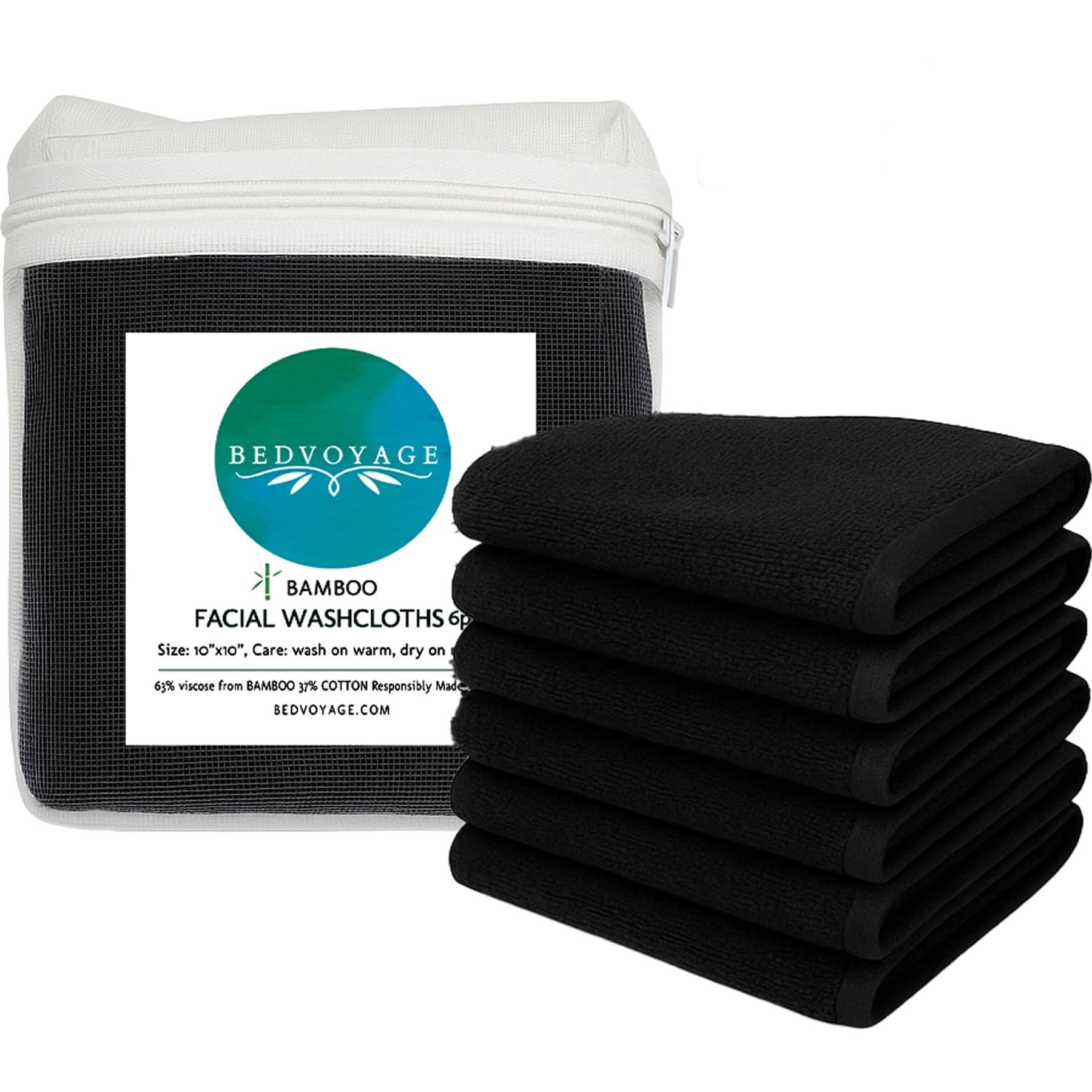
Keep a fresh soft cloth ready for vet-approved gentle chin care. This six-cloth set can be washed between uses.
Webvet may earn a commission when you click through to Chewy, at no extra cost to you.
Choosing a medicated product with the vet
Veterinary treatment may include an appropriate chlorhexidine preparation, a follicle-cleansing product or other medication selected for the examination findings. Antibiotics are for cases in which the veterinarian determines they are needed. A prescription name mentioned online, including Convenia or Isaderm, does not establish that the same medicine fits your cat's skin problem.
The same caution applies to benzoyl peroxide wipes and washes. Some veterinary preparations have a role, but human acne products can be unsuitable. For cat acne, do not substitute salicylic acid, a concentrated surgical scrub such as Hibiscrub, hydrogen peroxide or apple cider vinegar for the recommended plan. Tea tree oil and other essential oils are not a safe home shortcut: the Merck Veterinary Manual describes poisoning risks from essential-oil exposure in animals, with cats particularly susceptible.
For recurrent acne, write down the product's exact name and how your cat responds. Bringing the packaging or a clear label photo to the recheck is more useful than saying you used an antibacterial wipe. If the skin becomes more irritated after an application, contact the clinic before using it again.
Daily care that reduces irritation

Make the routine easy enough to maintain. Wash food bowls after meals, clean water bowls daily and replace chipped or deeply scratched dishes. Rinse cleaning residue away thoroughly. Having a spare bowl lets one dry while another is in use, and it avoids simply refilling a dish with an old film around the sides.
Check the chin at a calm, predictable moment, such as after your cat has finished eating and settled nearby. Compare comfort and skin condition, not just the number of black specks. Repeated inspection, squeezing or combing can create irritation that makes the original problem harder to judge.
If your veterinarian specifically recommends them for your cat's chin, Douxo S3 PYO Dog & Cat Wipes are a chlorhexidine-containing topical option. Ask the clinic to demonstrate where to apply the wipe and confirm the frequency for this lesion. Keep the product away from eyes and follow the veterinarian's instructions for use around the lips.
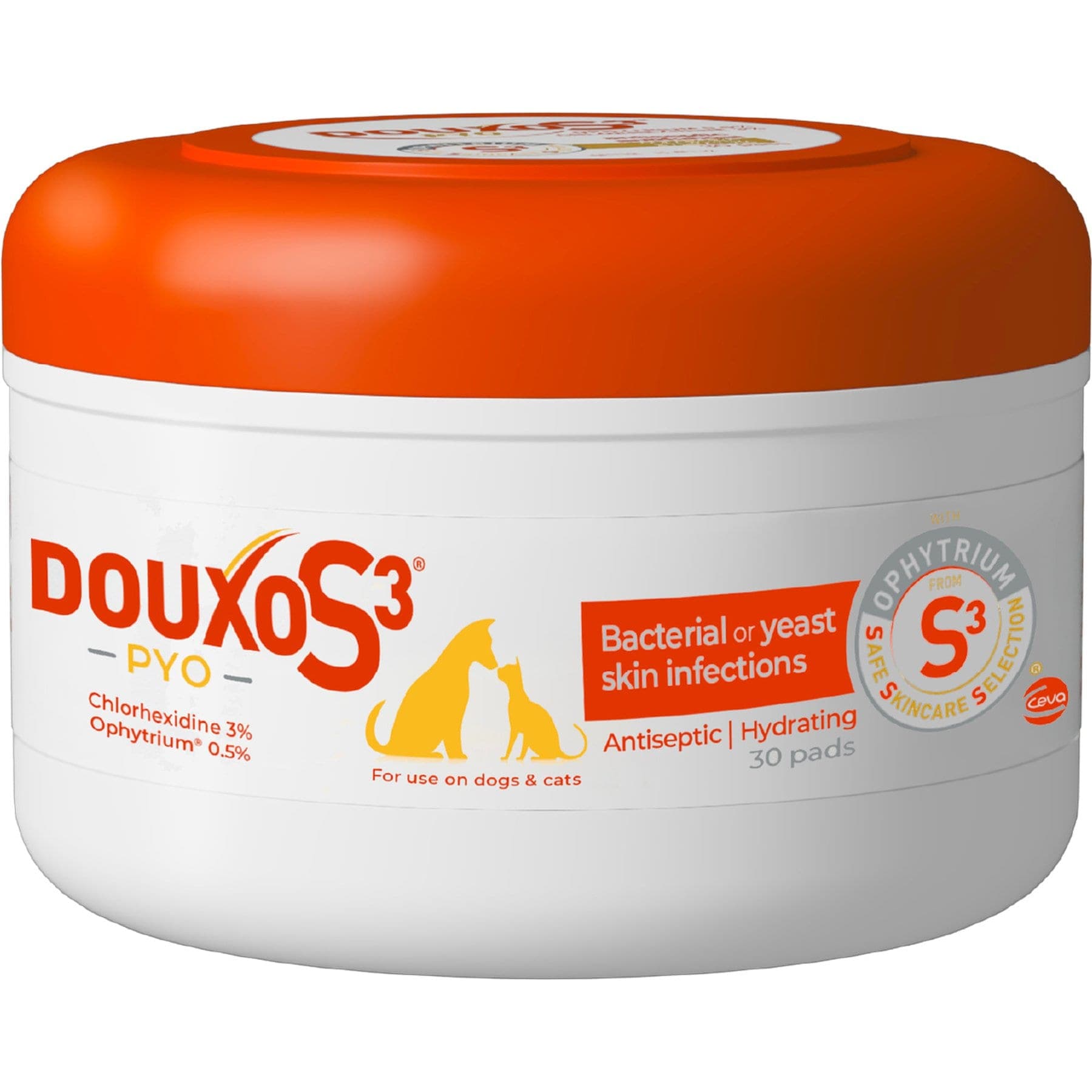
If your veterinarian recommends chlorhexidine wipes for your cat, confirm whether Douxo S3 PYO fits the plan and follow the prescribed application instructions.
Webvet may earn a commission when you click through to Chewy, at no extra cost to you.
Keep prevention proportionate
There is no bowl, wipe or grooming schedule that guarantees acne will never return. A useful maintenance plan is one the veterinarian adjusts to the cat's actual recurrence pattern. It may involve periodic topical care, continued bowl hygiene or investigation of another health problem when the pattern changes.
- Keep each cat's routine easy to follow in a multicat household.
- Avoid sharing a used chin cloth between cats.
- Note whether lesions return after treatment stops, rather than restarting leftover medication automatically.
- Seek advice if the cat's grooming or appetite changes along with the skin.
Feline acne itself is not ordinarily considered contagious to other cats or people. However, a look-alike condition, such as ringworm or parasites, may have different transmission risks. Until an unusual rash is identified, wash your hands after handling the area and follow the veterinarian's household advice. A person's acne after contact with a cat is not evidence that feline chin acne has been passed on.
When chin acne needs a veterinary visit

Arrange an examination for a swollen chin, pus, bleeding, sores, marked redness or discomfort. Reduced appetite, reluctance to have the head touched or an otherwise unwell cat adds urgency. Contact the clinic promptly rather than waiting for a painful lesion to develop into an obvious abscess.
An isolated swelling can be a cat abscess or another problem, including a tooth-root infection. A general skin-care product such as Vetericyn Plus cannot establish that a swollen chin is acne or show whether deeper treatment is needed. Ask the veterinarian about the exact product before using it on the lesion, rather than allowing a wound-care label to delay assessment.
What the examination may involve
The vet will assess the distribution and appearance of the lesions and ask about their duration, previous treatments and your cat's general health. Depending on the findings, they may examine cells from the skin, test for bacteria, scrape for mites, test for fungal infection or investigate the teeth. A biopsy may be appropriate for an unusual or persistent lesion.
That is why how vets diagnose cat skin problems matters more than matching a photograph online. Similar-looking bumps can need different treatment. Bring earlier photographs, a list of products used and details of any medicines your cat already takes.
Ask for a practical follow-up plan before leaving:
- Which change should improve first: pain, redness, discharge or the plugs themselves?
- When should you contact the clinic if improvement does not happen?
- Should the same routine continue after the skin looks comfortable?
- What should you do if the acne returns?
Cat acne questions
Frequently Asked Questions
How do you get rid of cat acne?
Start by confirming that the chin changes are acne, then follow the veterinarian's hygiene and treatment plan. Clean bowls and gentle care may be enough for mild plugs; inflamed or infected follicles can need medication. Do not squeeze blackheads or experiment with several products together. Ask when the skin should be reassessed, especially if the problem keeps returning.
Why did my cat suddenly get cat acne?
The first visible blackheads may appear without an obvious trigger because the exact cause of feline acne is not established. Bowl hygiene, grooming changes and other skin factors can be relevant, but timing alone does not prove a cause. Record recent changes and mention any other symptoms to the vet before blaming a new food or buying an allergy treatment.
Can a dirty litter box cause cat acne?
A dirty litter box is not an established direct cause of feline chin acne. Keep the litter box clean for your cat's general hygiene and comfort, but do not assume that extra scooping will treat inflamed follicles. For chin care, focus on clean bowls, a gentle approved routine and veterinary assessment of redness, pain or swelling.
What can be mistaken for cat acne?
Food debris and flea dirt can resemble dark chin specks, while mites, fungal infection and other skin disorders can cause bumps or crusts. A swollen area can also reflect a dental problem or an abscess. Appearance alone cannot reliably separate them. Persistent, painful or unusually located lesions deserve an examination and, when indicated, skin or dental testing.
Will cat acne heal on its own?
Some mild episodes may settle, but that does not make waiting appropriate for every cat. Comfortable skin with a few stable blackheads is different from worsening redness, discharge or a painful chin. Ask the veterinarian what to monitor and when to reassess. Recurrent acne may need ongoing hygiene or a maintenance plan even after a flare improves.
Can you scrape off cat acne?
No. Scraping, picking and popping can injure the skin and make inflamed follicles more painful. A scab may be protecting damaged tissue, and a dark plug is not simply dirt that needs forceful removal. Clean only as your veterinarian directs, stop if the cat becomes uncomfortable, and leave extraction or treatment of deeper lesions to the veterinary team.
Can I use hydrogen peroxide to treat my cat's chin acne?
Do not use hydrogen peroxide as a home acne treatment. It is not interchangeable with a veterinary chin-cleaning product and can irritate affected tissue. Ask the clinic for the exact preparation, concentration and application instructions they want you to use. If peroxide has already been applied and the skin looks sore, contact them before putting anything else on it.
Is cat acne painful to cats?
Simple blackheads may cause little obvious discomfort, but inflamed or infected follicles can be painful. A cat may pull away from chin contact, rub the face, eat less comfortably or develop swelling and crusts. Do not test the tenderness by pressing repeatedly. Those changes warrant veterinary advice even when the visible patch seems small.
$65 · no membershipIs your cat's itching or skin issue getting worse?
A licensed vet can examine your cat over video and prescribe treatment online when it's appropriate.
Talk to a vet- Licensed vets
- All 50 states
- same-day Rx
Webvet may earn a commission if you book.
Veterinarian · BVMS MRCVS
Dr. Pippa Elliott, BVMS, MRCVS, is a veterinarian with nearly 30 years of experience in companion animal practice. Dr. Elliott earned her Bachelor of Veterinary Medicine and Surgery from the University of Glasgow. She was also designated a Member of the Royal College of Veterinary Surgeons. Married with 2 grown-up kids, Dr. Elliott has a naughty Puggle named Poggle, 3 cats and a bearded dragon.


