Apoquel Alternatives for Dogs: Zenrelia, Cytopoint, and Lower-Cost Options
Compare Apoquel alternatives for dogs, including Zenrelia and Cytopoint, with vet-reviewed safety, cost factors, and questions to ask before switching.

BVMS MRCVS
Medically reviewed by Dr. Pippa Elliott, BVMS MRCVS · Last reviewed

Drug facts
Rx Database sponsored by
Varies by prescribed allergy medicine
Varies by prescribed allergy medicine is the medication or medication group covered in this vet-reviewed WebVet consumer safety guide.
 Sponsored
Is Varies by prescribed allergy medicine right for your dog?
A licensed vet at Dutch can assess your dog over video and prescribe treatment when it's appropriate, delivered to your door.
Use code Pets30
Plans start at $11/month · covers up to 5 pets
- Licensed vets in most states
- Rx for 150+ conditions
- 4.7 on Trustpilot
Apoquel alternatives for dogs should only be used under a veterinarian-confirmed plan for that animal. Apoquel alternatives include Zenrelia, Cytopoint, cyclosporine, antihistamines, allergen-specific immunotherapy, topical care, and diagnosis-specific diet or parasite treatment. None is a dose-for-dose substitute. Confirm the diagnosis, product, dose, transition, vaccination plan, and monitoring with your veterinarian before stopping Apoquel or starting another treatment.
Apoquel-Alternative Dose and Visit Chart: What Your Vet Must Choose
When considering apoquel alternatives for dogs, use the veterinarian-confirmed product and plan for that animal. There is no combined weight-row dose chart for these options. Each prescription has its own label, age limits, contraindications, administration, and monitoring. The first decision is which itch pathway or underlying trigger needs treatment, not how to convert the dog's Apoquel tablets into another drug.
| Option | Dose owner | Veterinary decision before switching |
|---|---|---|
| Zenrelia | Current product label and prescribing veterinarian | Whether this JAK-inhibitor option fits age, health, vaccination, infection, and monitoring needs |
| Cytopoint | Veterinarian-administered product label | Whether an injection targeting canine itch signaling fits the diagnosis and expected visit schedule |
| Cyclosporine | Individual prescription | Whether slower-onset immune modulation fits the disease and interaction profile |
| Antihistamine such as cetirizine | Veterinarian and medication-specific monograph | Whether histamine is important enough for a trial and the exact plain formulation is safe |
| Allergen-specific immunotherapy | Dermatology testing and treatment protocol | Which allergens and administration plan apply |
| Topical, diet, or parasite treatment | Diagnosis-specific instructions | Whether infection, fleas, mites, food-responsive disease, or skin-barrier damage is driving itch |
Confirm with your vet before using any option. Weight alone cannot select or dose an Apoquel alternative.

Webvet may earn a commission when you click through to Chewy, at no extra cost to you.

A safe switch plan states:
- The reason Apoquel is being changed.
- The last Apoquel dose.
- The first dose or appointment for the alternative.
- Whether any overlap is intentional.
- Which vaccines, infections, or other medicines affect timing.
- How fast improvement should appear.
- What counts as treatment failure.
- Which signs require stopping and calling.
Do not use a friend’s leftover allergy medicine, split a new prescription according to an old Apoquel schedule, or overlap treatments to prevent a flare without explicit instructions. If the dog is chewing skin raw or has an active infection, the veterinary team may need to stabilize that problem during the transition.
Why a Dog May Need an Apoquel Alternative
- 1A switch can be about effectiveness, adverse effects, infection history, administration, access, or cost.
- 2Apoquel is a prescription JAK inhibitor, not Benadryl.
- 3A nonprescription option is not automatically safer or effective enough.
- 4The underlying allergy still needs parasite control, infection treatment, and diagnosis.
- 5No alternative should be started from a generic ranking without veterinary guidance.

Some dogs need a different treatment because Apoquel does not provide full-day control, the dog continues to develop skin or ear infections, another disease changes the risk-benefit balance, tablets are hard to give, or recurring cost is not sustainable. Other dogs respond well and have no medical reason to switch.
The Apoquel for dogs guide covers the original drug's dose, side effects, and long-term monitoring. Before calling a treatment ineffective, verify the diagnosis, adherence, schedule, active infection, parasite control, and whether the dog is still exposed to a known trigger.
Apoquel is not Benadryl
Apoquel contains oclacitinib and modifies selected JAK-dependent itch signaling. Benadryl is diphenhydramine, an antihistamine. They differ in mechanism, expected effectiveness, sedation, dose, and safety. The fact that one is sold over the counter does not make it an equivalent replacement.
You cannot get legitimate Apoquel without a prescription
Apoquel requires veterinary prescribing. A seller offering prescription medicine without a valid veterinary relationship, patient-specific instructions, or a legitimate pharmacy should not be used to bypass examination. It may also expose the dog to counterfeit, improperly stored, or wrongly labeled product.
Diagnose the itch before ranking treatments
Fleas, mites, bacterial or yeast infection, food-responsive disease, environmental allergy, contact irritation, and allergy lookalikes can produce similar scratching. A medication that reduces itch may not remove the cause.
A complete reassessment may include:
- Skin and ear examination.
- Cytology, scraping, or culture.
- Review of flea prevention for every pet.
- A strict diet trial when indicated.
- Seasonal and environmental history.
- Review of new lumps, infections, and other illness.
Treating infection or parasites can change how much systemic itch medicine the dog needs. It can also explain why a previous plan seemed to stop working.
Zenrelia and Other Apoquel Alternatives Compared
The best anti-itch medicine is the one that controls the diagnosed problem with acceptable risk, cost, and administration for that dog. Compare the options and Zenrelia here, then use each linked medication guide for detailed dosing and safety information.
| Option | Potential fit | Main tradeoff or question |
|---|---|---|
| Zenrelia | Prescription oral alternative when the veterinarian wants another JAK-inhibitor option | Current label, age, vaccination, infection, and monitoring requirements control use |
| Cytopoint | Vet-administered injection for canine allergic itch | Response and visit interval vary; it is not a complete allergy diagnosis |
| Cyclosporine | Chronic atopic dermatitis in selected dogs | Onset can be slower, and GI effects, interactions, and monitoring matter |
| Cetirizine or another antihistamine | Mild or adjunctive treatment in selected dogs | Often insufficient for moderate or severe atopic itch; combination products can be unsafe |
| Allergen-specific immunotherapy | Long-term environmental-allergy strategy | Requires testing, adherence, time, and repeated administration |
| Topical therapy | Localized disease, infection treatment, allergen removal, and skin-barrier support | Labor-intensive and may not control severe generalized itch alone |
| Strict diet trial | Suspected food-responsive disease | Must be complete and uncontaminated to interpret |
| Parasite treatment | Fleas or mites contribute to itch | Product and household plan must cover the diagnosed parasite |
No row is universally first or safest. The dog's age, infection history, cancer history, vaccine timing, other medication, disease severity, and owner capacity change the ranking.
Zenrelia
Zenrelia is a prescription oral option that belongs in the JAK-inhibitor discussion. It should not be started according to an Apoquel dose or an online conversion. Ask the veterinarian to review the current label, vaccination status, infection history, other immune-modulating treatment, and monitoring before the first dose.
Questions to settle include:
- Why Zenrelia is preferred for this dog.
- How Apoquel is stopped and Zenrelia begins.
- Which vaccines or infections affect timing.
- Expected onset and the recheck date.
- Adverse effects or new signs that require a call.
- The pharmacy quantity and ongoing cost.
Cytopoint
Cytopoint is a veterinary injection targeting canine IL-31 itch signaling. It can be useful when daily tablets are difficult or when the veterinarian prefers that mechanism. It still requires a diagnosis and planned follow-up. The Cytopoint for dogs guide covers its label-based dose and the injection-versus-Apoquel decision.
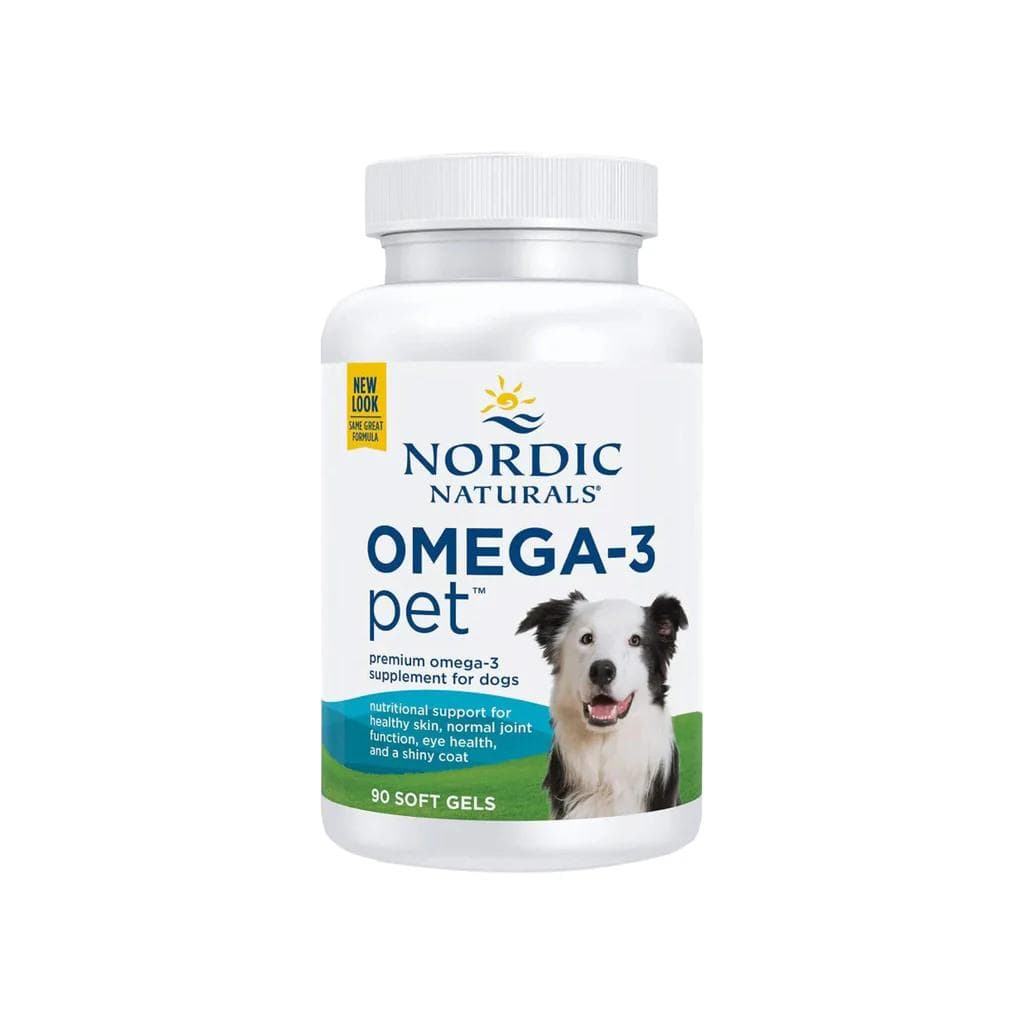
Third-party-tested omega-3 softgels (EPA and DHA) that support skin, coat, and joint health in dogs. Fish oil is one of the first things many vets suggest for a dull, dry, or flaky coat.
Webvet may earn a commission when you click through to Chewy, at no extra cost to you.
Can Zyrtec replace Apoquel?
Cetirizine is an antihistamine and is not a dose-for-dose replacement for oclacitinib. It may be considered for selected mild signs or as part of a plan, but it is often not enough for severe atopic itch. The Zyrtec for dogs guide covers formulation safety and cetirizine dosage.
Supportive and diagnosis-specific alternatives
Bathing, topical antimicrobial treatment, skin-barrier products, parasite control, diet trials, and environmental management can reduce itch burden when matched to the cause. When the veterinarian selects chlorhexidine care for a diagnosed skin problem, Pet Honesty Chlorhexidine dog shampoo is one product to ask about; it is not an Apoquel substitute. Allergen-specific immunotherapy is different from temporary symptom suppression because it aims to change the response to identified environmental allergens over time.
Natural does not mean harmless. Essential oils, unverified supplements, and improvised diets can cause toxicity, interaction, or nutritional problems. Do not stop effective treatment while the dog is injuring itself without a transition plan.
How to Choose Among Apoquel Alternatives
A useful comparison begins with the reason for switching. An owner who cannot give daily tablets has a different problem from a dog with recurrent infection, inadequate control, vaccine timing, or an unaffordable monthly prescription. Naming the reason prevents a random move to the option with the most persuasive advertising.
Use this sequence with the veterinarian:
- Confirm the itch diagnosis and treat active infection or parasites.
- Define what Apoquel is doing well and what it is not doing.
- Name the switch goal: effectiveness, safety, cost, access, or administration.
- Eliminate options that conflict with age, health, vaccination, or other medication.
- Compare onset, visit burden, daily administration, monitoring, and total cost.
- Write the stop-start plan and flare instructions.
- Set a recheck date and measurable success target.
When effectiveness is the problem
First confirm that Apoquel is being given according to the current prescription and that the dog is not in a transition from the initial phase to maintenance. Then look for fleas, mites, infection, diet exposure, and untreated ear disease. Any of these can make a useful itch medicine appear ineffective.
If the diagnosis remains atopic dermatitis and control is inadequate, the veterinarian may compare another prescription mechanism, an injection, immunotherapy, topical support, or a combination plan. Do not increase frequency or add another immune-modulating drug without instructions.
When adverse effects or infection are the problem
Report vomiting, diarrhea, low appetite, lethargy, new infection, recurrent demodicosis, or a new mass. The veterinarian may investigate another cause, treat infection, pause treatment, or choose a different strategy. A switch should not be used to avoid examining a serious new sign.
Bring a timeline:
- Date Apoquel began.
- Current amount and schedule.
- Date each new sign appeared.
- Antibiotics, steroids, injections, vaccines, and other drugs.
- Infection locations and recurrence pattern.
- Photographs or test results when available.
When daily pills are the problem
Some dogs spit out tablets, guard their mouths, or live in households where dosing cannot be consistent. Do not crush or hide medication in a full meal without confirming the formulation and administration instructions. Ask whether a veterinary injection, different formulation, or clinic-supported technique better fits.
Administration burden is a real safety issue. Repeated missed doses and household duplication create unstable exposure. Use a shared log, one designated caregiver, and a secured original container during any oral plan.
When cost is the main problem
Tell the clinic before rationing. The veterinarian may be able to compare legitimate pharmacies, current support programs, injection visit frequency, a diagnosis-specific antihistamine trial, topical care, or immunotherapy. Each lower-cost option has a different likelihood of controlling moderate or severe itch.
Ask for the expected cost over the same period, not one tablet or one visit. Include infection treatment and rechecks. A cheaper but ineffective plan can cost more through wounds, lost sleep, repeated appointments, and emergency flares.
What Each Alternative Asks of the Owner
The best clinical option can fail if the household cannot carry out the plan. Compare the work honestly.
Zenrelia: oral prescription management
Owners need to give the current labeled dose reliably, track response and adverse effects, maintain the vaccination and infection plan, and attend rechecks. The prescribing veterinarian should explain how its restrictions differ from Apoquel rather than asking the owner to assume all JAK inhibitors are identical.
Keep a written record of:
- First dose and transition from Apoquel.
- Vaccination dates and planned vaccines.
- Skin, ear, urinary, or respiratory infections.
- Appetite, vomiting, diarrhea, and energy.
- New lumps or other health changes.
- Itch control through the entire dosing interval.
Cytopoint: clinic visits and response tracking
An injection removes daily tablet administration, but the owner still needs scheduled veterinary visits and a way to judge duration. Note the injection date, first clear improvement, when itch begins returning, and any new infection or adverse event.
Do not treat an early flare as permission to repeat an injection at home. The veterinary team controls product, dose, and interval and may need to reassess the diagnosis when response is short or absent.
Cyclosporine: patience and monitoring
Cyclosporine may fit selected chronic atopic cases, but it is not a rapid rescue in every dog. Owners need a plan for onset, GI effects, interactions, handling, and what controls itch during the transition. Do not stop an existing drug before the replacement can reasonably help unless the veterinarian directs it.
Antihistamines: a defined trial, not endless switching
An antihistamine trial should use one veterinarian-approved active ingredient, formulation, amount, and interval for a defined period. Changing among cetirizine, diphenhydramine, loratadine, and combination products makes response and adverse effects hard to interpret.
Record sleepiness and itch separately. A dog that sleeps more may scratch less without having better allergy control. End or change the trial according to the clinic's success criteria.
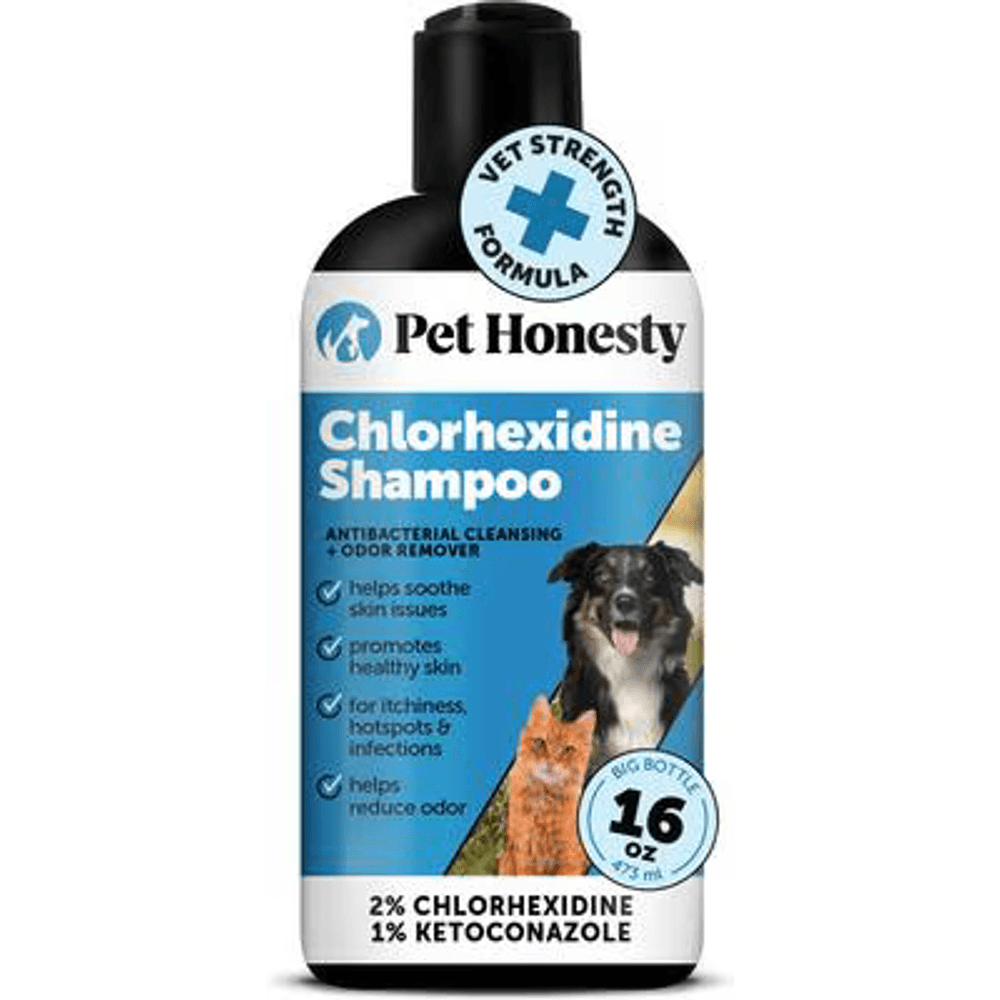
A vet-strength medicated shampoo with 2% chlorhexidine and 1% ketoconazole, the antifungal and antibacterial combination vets use to help clear ringworm and skin infections and to cut fungal spore shedding during treatment.
Webvet may earn a commission when you click through to Chewy, at no extra cost to you.
Immunotherapy: a long-term disease strategy
Allergen-specific immunotherapy requires diagnostic work, repeated administration, and patience. It may be attractive when the goal is to modify response to environmental allergens instead of depending only on symptom suppression. Ask how it is given, how response is measured, and what medication supports the dog during the early period.
 Sponsored
Vet care that's always there
Unlimited video calls and messaging with licensed vets for less than a typical vet visit. One membership covers up to five pets.
Use code Pets30
Plans start at $11/month · covers up to 5 pets
- Licensed vets in most states
- Rx for 150+ conditions
- 4.7 on Trustpilot
Diet trial: strict means strict
A diagnostic diet trial is not simply changing to a food marketed for sensitive skin. The veterinary team selects the diet and duration, and every treat, chew, flavored medication, supplement, and scavenged food can affect interpretation.
If food-responsive disease is confirmed, diet becomes cause-directed treatment. If it is not, the completed trial still narrows the decision.
Topical treatment: frequent work with local benefit
Shampoos, mousses, wipes, sprays, and ear treatment can reduce allergen load, support the skin barrier, and treat localized infection. Ask which body areas, contact time, frequency, rinsing, and drying apply. Do not use human essential oils or skin products on inflamed canine skin.
Building a Safe Transition Calendar
Put every treatment on one calendar before the switch. Include Apoquel, the new prescription or injection, antibiotics, antifungals, parasite prevention, baths, vaccines, and the recheck. A verbal instruction is easy to misremember when several dates change.
The calendar should show:
- Last Apoquel date and time.
- First alternative date and time.
- Any veterinarian-directed overlap.
- Bathing or topical-treatment days.
- Antibiotic or antifungal course.
- Vaccines and clinic appointments.
- Daily itch and adverse-effect score.
If the dog flares, follow the written rescue plan. Do not jump backward to an old dose, add a second antihistamine, or use leftover prednisone. Photograph rapidly changing skin and contact the clinic before the dog creates open wounds.
Preventing self-trauma during the change
Use a properly fitted recovery collar or other veterinarian-approved barrier when chewing causes injury. Keep nails short, use gentle handling, and follow approved bathing or cool-compress instructions. A barrier prevents damage but does not treat the itch, infection, or allergy.
Urgent care is appropriate for facial swelling, breathing difficulty, collapse, severe weakness, rapidly spreading hives, or extensive painful skin injury. A medication transition should not delay emergency treatment.
Measuring Success After the Switch
Define a target before the first alternative dose or injection. Good measures include uninterrupted sleep, fewer chewing episodes, healing skin, fewer ear flares, lower itch score, and reduced need for rescue treatment.
Track adverse effects at the same time:
- Appetite, vomiting, and diarrhea.
- Energy and coordination.
- Skin, ear, urinary, or respiratory infection.
- New lumps or swollen lymph nodes.
- Changes around vaccination.
- Ability to administer the plan consistently.
At the recheck, separate three questions: Is itch controlled? Is the skin healthier? Is the treatment tolerable and practical? A dog can scratch less while infection persists, or have clear skin while the household cannot maintain the schedule.
Do not declare failure after one difficult day unless the veterinarian expected immediate control. Do not continue indefinitely without benefit. Use the onset and trial period set for the selected option.
Webvet may earn a commission when you click through to Chewy, at no extra cost to you.
Common Switching Scenarios
Real decisions rarely begin with a blank comparison table. They begin with a specific problem that narrows the options.
Apoquel works, but tablets are impossible
Ask whether a clinic-administered option such as Cytopoint fits the diagnosis and medical history. Compare the expected visit schedule with daily tablet administration. Do not assume an injection will last the same length in every dog.
The owner should still track itch, infection, and when response begins to fade. A successful switch reduces administration conflict without sacrificing comfort.
Apoquel helps only part of the day
Do not shorten the interval. Confirm the prescription schedule, the transition from any initial phase, and whether doses are consistently swallowed. Look for infection, fleas, mites, and environmental exposure.
If the plan is being followed and control remains incomplete, the veterinarian may compare a different systemic option, add cause-directed topical care, or refer to dermatology. The solution may be multimodal rather than a single stronger medicine.
The dog keeps getting skin or ear infections
Recurrent infection can be both a consequence of allergic skin disease and a treatment-safety concern. Cytology, culture, ear examination, and evaluation for mites or other disease can identify what needs treatment.
Switching itch medicine without treating infection can leave the dog uncomfortable and make the new option appear ineffective. Ask how infection will be cleared and prevented while the allergy plan changes.
A new lump appears
Do not assume the lump is caused by medication or harmless. Report it promptly and arrange examination. The veterinarian may measure, sample, monitor, or investigate it before deciding whether current immune-modulating treatment continues.
Bring the treatment timeline and previous tumor history. A medication decision should follow evaluation, not fear based on timing alone.
The dog needs a vaccine
Provide the vaccine name and date to the prescribing veterinarian before starting or switching immune-modulating medication. Current product labels and the dog's risk determine timing. Do not skip a required vaccine or change medication based on a forum schedule.
Before starting Zenrelia, review its current vaccination instructions directly with the veterinarian. The decision should be documented before the first dose.
OTC treatment seems cheaper
Ask whether the dog's disease is mild enough for an antihistamine or topical trial. Severe atopic dermatitis can overwhelm those options. If the dog is losing sleep or creating wounds, inadequate treatment has a medical and financial cost.
A defined trial includes the exact product, duration, success target, and stop point. Endless switching among inexpensive products is not a controlled comparison.
When to Ask for a Veterinary Dermatologist
Referral can help when itch remains uncontrolled, infections recur, diagnosis is uncertain, diet trials are difficult to interpret, or long-term systemic treatment keeps changing. A dermatologist can organize testing, immunotherapy, topical plans, and prescription options around one coherent diagnosis.
Bring:
- Prior examination and test results.
- Medication names, doses, dates, benefits, and adverse effects.
- Diet-trial details and every exposure that broke the trial.
- Parasite-prevention history.
- Photos showing seasonal or treatment-related changes.
- A list of infections and culture results.
Referral does not guarantee a medication-free plan. It can reduce trial-and-error by identifying why treatment keeps failing and which combination is most rational.
Managing a Flare During the Transition
Ask for flare instructions before stopping Apoquel. A dog can injure skin rapidly when itch rebounds or a new treatment has a slower onset.
The written plan may cover:
- Which existing treatment continues.
- Whether a rescue medication is prescribed.
- Approved bathing or topical care.
- Use of a recovery collar to prevent chewing.
- Signs of infection that need examination.
- The threshold for urgent or emergency care.
Do not use leftover prednisone, double antihistamines, or restart an old dose without calling. A flare can reflect a transition gap, infection, parasite exposure, or an allergic emergency.
Facial swelling, breathing difficulty, repeated vomiting with hives, collapse, or rapidly worsening weakness is an emergency. Open wounds, foul odor, ear pain, fever, or severe sleep disruption deserves prompt assessment even without collapse.
Questions to Bring to the Decision Visit
Write the questions before the appointment so cost, safety, and daily practicality receive equal attention:
- What diagnosis are we treating?
- Why is Apoquel being changed now?
- Which option is most likely to control this severity of itch?
- What is the current label's age, vaccine, infection, and monitoring guidance?
- How long until we can fairly judge response?
- What controls itch during the transition?
- What is the estimated total cost through the first recheck?
- Which adverse effects or infections require stopping?
Ask the veterinarian to document the chosen option and why the alternatives were not selected. That record helps if the dog later sees an emergency clinic, dermatologist, or different primary veterinarian.
If no option is clearly superior, a defined trial can be reasonable. The trial still needs one medication plan, objective success criteria, and a stop date. Changing several treatments at once makes benefit and harm difficult to attribute.
Safety Questions Before Switching Allergy Medicines
A switch can create risk through overlap, abrupt loss of control, an unrecognized infection, or a label restriction. Tell the veterinarian about every prescription, injection, antihistamine, steroid, supplement, preventive, and planned vaccine.

Before switching, ask:
- Is a bacterial, yeast, mite, or urinary infection active?
- Is the dog due for vaccination?
- Is there a history of recurrent infection, demodicosis, or cancer?
- Which treatment stops, starts, or overlaps?
- What should happen if itch flares during the transition?
- Which laboratory or physical rechecks are planned?
Do not assume worsening itch means the new drug needs a higher dose. It may indicate infection, incomplete parasite control, wrong diagnosis, missed doses, or a transition gap.
Cheaper Alternatives to Apoquel: Honest Cost Tradeoffs
There is no one cheapest alternative. Prices vary by dog size, dose, frequency, clinic, pharmacy, injection interval, monitoring, and region. The available primary veterinary evidence provides no verified universal range, so one national monthly estimate would be misleading.
Compare the entire care plan:
- Prescription or injection cost.
- Examination and recheck fees.
- Laboratory or skin testing.
- Treatment for infection.
- Diet-trial food or topical care.
- Owner time and ability to give medication.
- Cost of uncontrolled itch, wounds, and recurring visits.
Antihistamines may cost less per tablet but can be insufficient for moderate or severe atopic dermatitis. Cytopoint can reduce daily administration but involves clinic visits. Immunotherapy can require a longer commitment. Zenrelia pricing must be compared using the actual prescribed quantity and current pharmacy quote.
If Apoquel is unaffordable, ask about a legitimate generic or pharmacy comparison only if the veterinarian confirms equivalence, current manufacturer support, and diagnosis-specific alternatives. Do not ration tablets, use a lower dose, extend the interval, or buy prescription medicine from an unverified seller.
Apoquel Alternatives for Dogs FAQs
Frequently Asked Questions
How long can a dog stay on Apoquel?
A dog can stay on Apoquel seasonally or long term, with no universal maximum, when benefit continues to outweigh risk. Some dogs remain on maintenance treatment. The prescribing veterinarian should reassess response, infections, demodicosis, new masses, other disease, and any recommended monitoring rather than providing automatic refills indefinitely or assuming that an unchanged dose always remains appropriate.
Where can I find the cheapest Apoquel for my dog?
To find where Apoquel is cheapest for your dog's prescription, compare the exact strength and quantity at legitimate prescription pharmacies and ask about current manufacturer programs. Include examinations and monitoring in the total. Avoid sellers that bypass a prescription or cannot verify storage and product identity. A low price is not a safe saving if the medicine is counterfeit or wrong.
Can I give my dog Benadryl instead of Apoquel?
Do not give Benadryl instead of Apoquel unless the veterinarian has reviewed the dog and the exact antihistamine product. Benadryl is an antihistamine and Apoquel is a JAK inhibitor. They differ in mechanism, effectiveness, sedation, dosing, and safety. A veterinarian may consider an antihistamine for selected signs, but severe or chronic atopic itch often needs a different plan.

Editor
The Webvet Editorial Team is the in-house group of pet-care editors and writers behind Webvet, operated by Smart Pet Collective. The team researches, writes, and maintains Webvet's pet health, behavior, and medication content. Every article follows a defined editorial process: research from reputable veterinary and scientific sources, careful drafting, mandatory review of medical content by a credentialed veterinarian, and dated publication. Health and medication articles are medically reviewed by a licensed veterinary professional before they go live and are kept current over time.
Veterinarian · BVMS MRCVS
Dr. Pippa Elliott, BVMS, MRCVS, is a veterinarian with nearly 30 years of experience in companion animal practice. Dr. Elliott earned her Bachelor of Veterinary Medicine and Surgery from the University of Glasgow. She was also designated a Member of the Royal College of Veterinary Surgeons. Married with 2 grown-up kids, Dr. Elliott has a naughty Puggle named Poggle, 3 cats and a bearded dragon.


