Cytopoint for Dogs: Injection Dosage, Side Effects, Cost, and Apoquel Comparison
Cytopoint for dogs: see the weight-based injection chart, side effects, cost factors, and how this consumer brand page compares with Apoquel.

BVMS MRCVS
Medically reviewed by Dr. Pippa Elliott, BVMS MRCVS · Last reviewed

Drug facts
Rx Database sponsored by
Lokivetmab
Lokivetmab is the medication or medication group covered in this vet-reviewed WebVet consumer safety guide.
 Sponsored
Is Lokivetmab right for your dog?
A licensed vet at Dutch can assess your dog over video and prescribe treatment when it's appropriate, delivered to your door.
Use code Pets30
Plans start at $11/month · covers up to 5 pets
- Licensed vets in most states
- Rx for 150+ conditions
- 4.7 on Trustpilot
Cytopoint for dogs is a veterinarian-administered injection used to control allergic itch. The package insert directs a minimum dose of 0.9 mg/lb, or 2 mg/kg, repeated every 4 to 8 weeks as needed. Your veterinarian must confirm that allergic itch is the problem, weigh the dog, select the full vial or vial combination, and decide when another injection is appropriate.
Cytopoint Injection Dosage for Dogs by Weight
When considering cytopoint for dogs, use the veterinarian-confirmed product and plan for that animal. Confirm the current weight and treatment plan with your veterinarian before using any number in this table. Cytopoint is injected under the skin at a clinic, not measured or administered by an owner at home. The label uses full single-use vials rather than partial dosing for dogs from 5 through 40 lb.
| Dog's weight | Label-directed vial approach | Minimum dose rule | Owner decision |
|---|---|---|---|
| Under 5 lb | Veterinarian measures 0.09 mL/lb from a 10 mg vial | At least 0.9 mg/lb, or 2 mg/kg | Very small dogs require clinic calculation |
| 5 through 10 lb | One full 10 mg vial | Meets the label minimum | Confirm the clinic-recorded current weight |
| Over 10 through 20 lb | One full 20 mg vial | Meets the label minimum | Do not compare cost without the required vial size |
| Over 20 through 30 lb | One full 30 mg vial | Meets the label minimum | The full vial is used for the weight band |
| Over 30 through 40 lb | One full 40 mg vial | Meets the label minimum | The full vial is used for the weight band |
| Over 40 lb | Full-vial combinations selected from 10, 20, 30, and 40 mg vials | Must still meet at least 0.9 mg/lb | The veterinarian follows the package-insert combination table |
The repeat interval is every 4 to 8 weeks as needed, not an automatic appointment for every dog on the same day. Response duration, return of itch, infection, other allergy treatment, and the veterinarian's examination shape the timing.
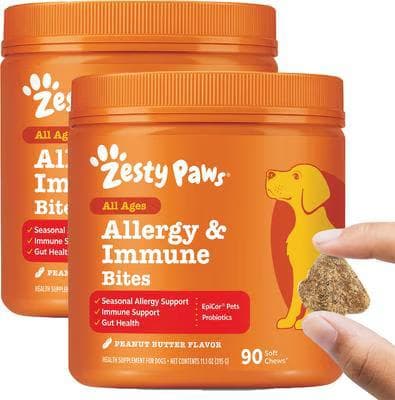
Webvet may earn a commission when you click through to Chewy, at no extra cost to you.

What happens at the appointment
The veterinary team confirms the dog's weight, reviews current symptoms and medicines, and checks for problems that need separate treatment. The injection is given under the skin. The clinic records the product, vial size or combination, date, and follow-up plan.
Before leaving, ask:
- what improvement should appear first
- when itch control is expected to be judged
- which side effects need a same-day call
- whether skin or ear infection also needs treatment
- when to recheck if paw licking or scratching continues
- what return of itch should trigger another appointment
Prepare an itch history before the visit
The injection decision is stronger when the veterinarian can see a pattern rather than one difficult day. Note where the dog scratches or licks, whether the problem is seasonal, and whether sleep, walks, play, or appetite are affected. Include ear trouble, skin odor, redness, sores, hair loss, and any digestive signs.
Bring a complete list of current treatments:
- flea and tick preventives
- prescription and over-the-counter allergy medicines
- antibiotics or antifungal medicines
- shampoos, wipes, sprays, and ear products
- supplements and flavored chews
- current diet, treats, and table food
Tell the clinic what has already helped, failed, or caused a problem. A previous Cytopoint date and the pattern of improvement and return of itch are particularly useful. Do not give extra human antihistamine before the visit unless the veterinarian has approved the exact product and amount.
Why a fresh weight matters
The package insert assigns full vials and combinations from the dog's current weight. An old chart weight can misrepresent the vial requirement after growth, weight loss, or body-condition change. It can also make a price quote inaccurate.
Ask the team to tell you the recorded weight and vial combination before the injection. That creates a clear baseline for the treatment record and makes future visits easier to compare. Owners should not attempt to divide a clinic vial or carry unused product home.
What Cytopoint Does for Allergic Itch
Cytopoint is the consumer brand name for lokivetmab, a canine monoclonal antibody used to reduce allergic itch. It targets a specific itch-signaling pathway rather than broadly sedating the dog. It does not diagnose the cause of allergy and does not remove fleas, treat a food reaction, or cure a skin infection.
- 1Cytopoint is prescribed and injected by a veterinarian for allergic itch.
- 2The weight-based vial chart controls the injection, while clinical drug facts belong to the lokivetmab monograph.
- 3Paw licking can improve when allergy drives the itch, but infection, pain, foreign material, or another cause still needs diagnosis.
- 4Return of scratching does not automatically mean the dog should receive an early injection.
- 5Facial swelling, breathing difficulty, collapse, or another severe reaction needs emergency care.

Allergic itch can appear as scratching, paw licking, rubbing the face, chewing the skin, recurrent hot spots, or repeated ear trouble. These signs overlap with flea allergy, food allergy, environmental allergy, mites, bacterial infection, yeast, contact irritation, and pain.
An injection can reduce itch while another part of the plan addresses the cause. Flea control, skin cytology, ear examination, treatment of infection, a diet trial, bathing, and environmental management solve different parts of the problem.
Does Cytopoint help with licking paws?
It can help when allergic itch drives the licking. The veterinarian should still examine the paws for infection, yeast, a broken nail, foreign material, cysts, pain, or another problem. A dog that keeps licking after itch improves may need local diagnosis rather than a different injection interval.
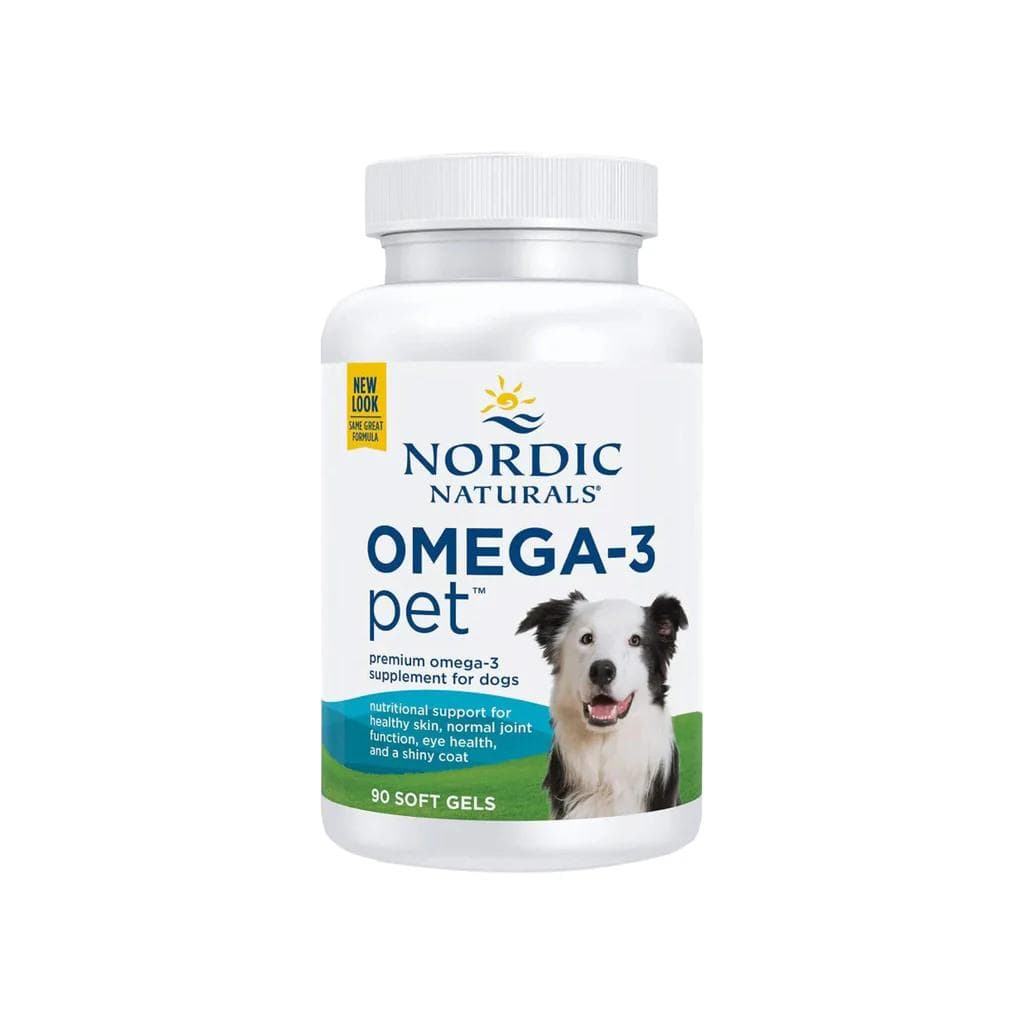
Third-party-tested omega-3 softgels (EPA and DHA) that support skin, coat, and joint health in dogs. Fish oil is one of the first things many vets suggest for a dull, dry, or flaky coat.
Webvet may earn a commission when you click through to Chewy, at no extra cost to you.
What improvement can look like
Success is not limited to a scratch count. A dog may sleep through the night, stop interrupting walks to chew a paw, rub the face less, or allow inflamed skin to heal. Ear and skin infections can still need separate treatment even when the urge to scratch decreases.
Use the same observations before and after treatment:
- nighttime waking
- paw chewing and saliva staining
- face rubbing and ear scratching
- skin redness, odor, sores, or discharge
- ability to rest, play, and take walks
- need for a cone or protective clothing
Share the trend with the veterinarian. An incomplete response can point to infection, flea exposure, pain, or a diagnosis that needs refinement rather than a simple need for more itch medicine.
What Cytopoint does not replace
Cytopoint controls an itch signal. It does not remove an allergen, kill fleas, diagnose food allergy, or directly treat bacteria and yeast. That distinction explains why some dogs need several coordinated treatments during a flare.
A complete plan may include infection testing, ear care, flea prevention, bathing, skin-barrier support, or a controlled diet trial. When the veterinarian selects chlorhexidine bathing for a diagnosed skin problem, Pet Honesty Chlorhexidine dog shampoo is one product to ask about; it does not replace Cytopoint or infection testing. Adding those pieces is not evidence that Cytopoint failed. They address problems the injection was never intended to solve.
Lokivetmab Clinical Facts
Cytopoint's active medicine is lokivetmab. Use this guide for injection-day questions, weight bands, cost, side-effect triage, and the Apoquel comparison. For deeper drug facts, see the lokivetmab for dogs and cats guide, which explains the mechanism, pharmacology, contraindication context, and clinical evidence.
Cytopoint is the familiar brand name for lokivetmab. Use this article to understand the appointment and treatment decision, then use the linked lokivetmab guide for deeper drug facts.
Cytopoint Side Effects and Safety Questions
Most owners are deciding whether a new sign after the injection is expected, worth a routine call, or urgent. Report vomiting, diarrhea, lethargy, appetite change, discomfort or swelling at the injection site, a new skin reaction, or worsening itch to the clinic so the veterinarian can judge timing and severity.

| What you notice | What it could mean | What to do |
|---|---|---|
| Brief mild tenderness where the injection was given | Local injection response | Monitor and call if pain or swelling persists or worsens |
| Vomiting, diarrhea, appetite change, or unusual tiredness | Medication response, stress, or unrelated illness | Contact the clinic for patient-specific advice |
| Itch does not improve or returns quickly | Wrong diagnosis, infection, severe allergy, or short response | Book reassessment rather than changing treatment at home |
| Facial swelling, hives, or rapidly spreading skin reaction | Possible hypersensitivity | Seek urgent veterinary care |
| Trouble breathing, collapse, profound weakness, or inability to stand | Severe reaction or another emergency | Go to an emergency veterinary hospital now |
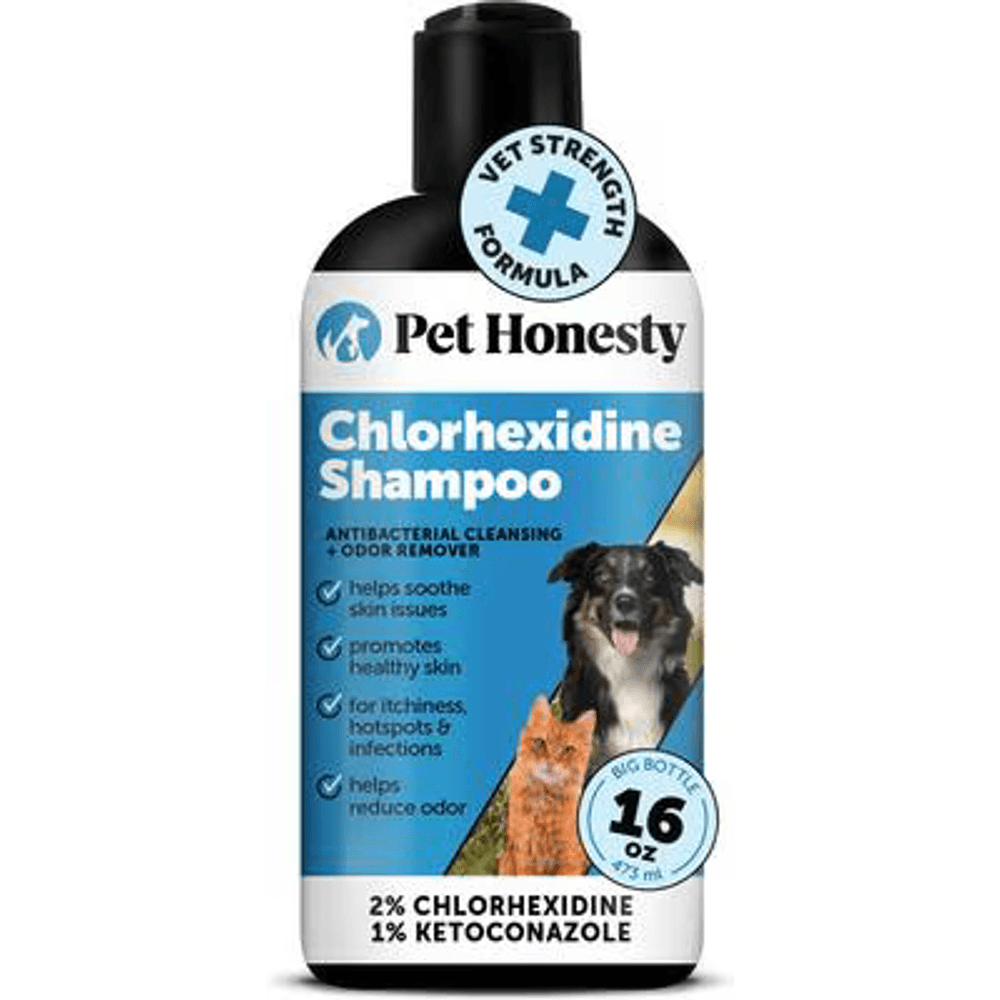
A vet-strength medicated shampoo with 2% chlorhexidine and 1% ketoconazole, the antifungal and antibacterial combination vets use to help clear ringworm and skin infections and to cut fungal spore shedding during treatment.
Webvet may earn a commission when you click through to Chewy, at no extra cost to you.
What is the downside of Cytopoint?
The main practical downsides are that it requires a veterinary visit, cost rises with the vial requirement, response duration varies, and itch control does not diagnose or cure the underlying allergy. A dog may still need infection treatment, flea control, diet work, bathing, or another long-term strategy.
The targeted approach is a benefit for many dogs, but "targeted" does not mean side-effect free or appropriate for every itchy patient. The veterinarian needs to confirm that the treatment goal fits the dog and reassess when the expected response is missing.
When Cytopoint seems to stop working
An early return of itch can reflect reduced duration, increasing allergen exposure, missed flea control, new infection, or a different disease. Do not assume the injection failed because one behavior returns. Look for odor, discharge, pustules, ear debris, painful paws, or another clue that needs examination.
Keep a calendar of injection dates and symptom return. A pattern across cycles helps the veterinarian decide whether to repeat, investigate, combine treatments, or change the plan.
 Sponsored
Vet care that's always there
Unlimited video calls and messaging with licensed vets for less than a typical vet visit. One membership covers up to five pets.
Use code Pets30
Plans start at $11/month · covers up to 5 pets
- Licensed vets in most states
- Rx for 150+ conditions
- 4.7 on Trustpilot
Separate a reaction from an allergy flare
A new sign after an injection should be judged by its timing, location, severity, and trend. A small tender area at the injection site is a different pattern from rapidly spreading hives, facial swelling, or breathing difficulty. Worsening paw odor or ear discharge may point toward an infection that was already developing.
When calling the clinic, report:
- the injection date and approximate time
- when the new sign began
- whether it is stable, improving, or worsening
- appetite, water intake, vomiting, diarrhea, and energy
- all medicines or supplements given that day
- any facial swelling, breathing change, weakness, or collapse
Photographs can help document skin or injection-site changes, but emergency signs should not wait for an emailed image review. Bring the treatment record to urgent care when a severe reaction is possible.
Questions for repeat injections
The label's repeat window is a framework, not an owner-directed schedule. Before another injection, tell the veterinarian how long meaningful relief lasted and whether the symptom pattern changed. A much shorter response or new lesions can justify reassessing infection, exposure, or diagnosis.
Ask whether the next visit can be a technician appointment or needs a veterinarian examination. That choice may depend on clinic policy and the dog's clinical course. Also confirm whether other medicines should continue, stop, or change around the next injection.
How Much a Cytopoint Shot Costs
There is no honest universal price. Clinics set their own examination and injection fees, and the required full vial or vial combination changes with weight. Region, clinic type, recheck policy, and treatment of concurrent skin or ear infection also affect the visit total.
Ask for an itemized estimate that includes:
- examination or technician-visit fee
- Cytopoint vial size or combination for the current weight
- injection or administration fee
- skin or ear testing when infection is suspected
- medicines needed for a concurrent infection
- expected recheck timing
The cheapest quote is not automatically the lowest total allergy cost. An injection without diagnosis may leave infection, fleas, food reaction, or painful paw disease untreated. Conversely, a dog that responds well may reduce spending on repeated emergency itch visits or ineffective over-the-counter trials.
Which is cheaper, Cytopoint or Apoquel?
The answer depends on body weight, Cytopoint duration, Apoquel tablet requirement, pharmacy price, clinic fees, and whether either plan needs additional treatment. Compare the expected cost over the same time window, not one injection against one tablet.
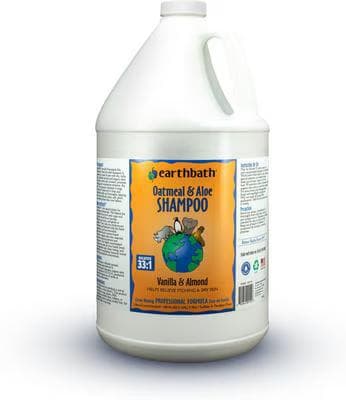
Webvet may earn a commission when you click through to Chewy, at no extra cost to you.
| Cost factor | Cytopoint | Apoquel |
|---|---|---|
| How supplied | Clinic injection using full vial or vial combination | Oral prescription tablets |
| Weight effect | Vial requirement changes with body weight | Tablet strength and quantity change with the prescription |
| Administration cost | May include clinic and injection fees | Usually given at home after dispensing |
| Time comparison | Depends on how long itch control lasts for this dog | Depends on daily prescription schedule |
| Fair question | Total cost through the next expected reassessment | Total cost through the same reassessment date |
Questions that make a quote useful
A price without the dog's current weight is incomplete because the vial requirement may change. Ask the clinic to identify the vial or combination included and whether the quote covers an examination, technician visit, administration fee, or recheck.
Then compare like with like:
- the same expected treatment window
- the same need for infection testing or treatment
- pharmacy or clinic dispensing fees
- the cost of monitoring and follow-up
- the likelihood that an owner can give every oral dose correctly
- travel and appointment needs for clinic injections
Convenience has value but should not hide medical fit. An inexpensive treatment that the dog cannot receive reliably is not a bargain. A higher upfront injection price may be easier for a dog that resists tablets, while at-home tablets may reduce clinic travel for another household.
Do not compare a one-time promotional quote with a long-term plan unless the ongoing price and required visits are clear. Ask when the estimate expires and what would cause the vial requirement to change.
Cytopoint vs. Apoquel: Which Fits Which Dog?
Cytopoint and Apoquel both address allergic itch, but they are different medicines delivered differently. Cytopoint is a clinic injection of lokivetmab. Apoquel is the brand name for oclacitinib, an oral prescription medication. The best fit depends on diagnosis, age and health context, need for at-home dosing, response, side effects, and cost.
| Decision factor | Cytopoint | Apoquel |
|---|---|---|
| Administration | Injection at a veterinary clinic | Oral tablet given according to the prescription |
| Owner routine | No daily pill during the response period | Requires reliable at-home dosing |
| Dose basis | Weight-based full vial or vial combination | Prescription tablet plan |
| Where to learn more | Cytopoint injection, cost, and comparison guidance | See WebVet's Apoquel monograph |
| When response is wrong | Recheck diagnosis, infection, and return-of-itch pattern | Recheck efficacy, safety, adherence, and diagnosis |
For deeper clinical and safety information about the oral option, see Apoquel for dogs. A veterinarian may recommend one, the other, or a broader allergy plan. This table does not rank one as universally better.
Is Cytopoint better than Apoquel?
Not for every dog. Cytopoint may suit an owner who prefers a clinic injection or a dog that is difficult to pill. Apoquel may suit a plan that needs oral control at home. Patient health, diagnosis, response, and veterinarian judgment outweigh convenience alone.
Avoid switching based only on a social-media success story. Two itchy dogs can have different causes, infections, health histories, and treatment goals even when their scratching looks similar.
A practical comparison conversation
Start with the treatment goal. Is the dog in a severe flare, needing dependable control during a season, struggling with daily pills, or returning for repeated skin infections? Then discuss the features that matter to that dog rather than asking which brand wins in general.
Useful questions include:
- Can the owner give an oral medicine reliably?
- Does the dog tolerate clinic visits and injections?
- How quickly and completely did previous treatment help?
- Did relief last long enough to justify the cost and travel?
- Are infection, fleas, food, or another trigger also being addressed?
- What health history changes the veterinarian's safety decision?
- What monitoring will show that the chosen plan is working?
The answer may change over time. A clinic injection may fit one season or life stage, while an oral plan fits another. A switch should preserve the diagnostic work and symptom record rather than resetting the process to trial and error.
Can Cytopoint and other allergy treatments be part of one plan?
Veterinarians may build layered plans because itch, infection, and allergen exposure are separate problems. Owners should not create those combinations independently. The clinic needs to know every prescription, antihistamine, topical product, supplement, and diet intervention before deciding what can be used together.
Keep one current medication list and discard outdated versions. When an emergency or urgent-care clinic becomes involved, provide the last Cytopoint date and all other treatments. Clear records reduce duplication and help the next clinician interpret a new symptom.
Building a Complete Allergy Plan
Itch control protects sleep and skin, but long-term success also requires trigger and complication management. Ask whether the plan addresses:
- year-round flea prevention
- bacterial or yeast infection
- ear inflammation or infection
- food-allergy evaluation through a controlled diet trial
- environmental allergy patterns
- bathing and skin-barrier support
- pain or another cause of paw licking
A food trial should be designed with the veterinarian rather than assembled from a list of ingredients to avoid. Random restriction can create nutritional imbalance and makes later diagnosis harder. The important evidence is whether signs change during a complete, controlled trial and return with challenge when directed.
Likewise, antihistamines are not interchangeable with Cytopoint or Apoquel. Their fit depends on the dog, symptom pattern, and formulation. Do not stack human allergy medicines with a prescription plan unless the veterinarian approves the exact ingredient and product.
Track the plan across seasons
Allergy patterns often become easier to understand when owners record dates, body areas affected, exposures, and treatments. Note flea-prevention consistency, diet changes, travel, boarding, swimming, grooming, and seasonal outdoor activity. The goal is not to prove a trigger at home, but to give the veterinarian usable context.
A concise monthly summary is more helpful than a long list of isolated observations. Include the best week, worst week, any infection treatment, and when itch began returning after the injection. Over time, this can support a more predictable appointment and budget plan.
Know when itch needs a new diagnosis
Not every scratching or licking problem remains an allergy problem forever. Pain, mites, foreign material, a skin mass, hormonal disease, or another condition can enter the picture. A change in body location, odor, discharge, pain, sores, or systemic health deserves reassessment.
Seek prompt care when the dog cannot rest, damages the skin, develops a painful ear, stops eating, becomes weak, or has a severe reaction. Itch control is important, but urgent complications should not wait for the next routine injection window.
Cytopoint For Dogs FAQs
Frequently Asked Questions
What's the worst dog for allergies?
What's worst for one dog with allergies may be mild for another, so no individual dog or breed is universally the worst. Some breeds have higher allergy risk, but severity varies with genetics, environment, fleas, food, infection, and access to effective care. Treat the diagnosed patient's symptoms and complications rather than the breed label.
What not to feed a dog with allergies?
Do not feed a dog with allergies a randomly restricted diet. A veterinarian-designed elimination diet uses a complete diet and controlled feeding period so the result can be interpreted. Table scraps, flavored medicines, and unplanned treats can invalidate that trial. Ask which diet and extras are allowed, then follow one consistent plan rather than cycling through ingredient lists.
Is Zyrtec or Benadryl better for dog allergies?
Neither Zyrtec nor Benadryl is automatically better for a dog's allergies, and neither answers every allergic-itch case. The choice depends on the dog, exact active ingredient, other medicines, and symptom pattern. Ask the veterinarian before adding either antihistamine to Cytopoint or Apoquel, and do not assume that a human combination product is interchangeable with the discussed ingredient.
The Bottom Line
Cytopoint is a clinic-administered, weight-based injection for allergic itch. The label requires at least 0.9 mg/lb, or 2 mg/kg, and repeat treatment every 4 to 8 weeks as needed. The veterinarian selects the full vial or combination, evaluates side effects, and checks whether infection or another allergy problem also needs treatment.
Use this article for the consumer brand decision and Apoquel comparison, and the lokivetmab guide for deeper clinical drug facts. Discuss both with your veterinarian as part of a patient-specific plan.

Editor
The Webvet Editorial Team is the in-house group of pet-care editors and writers behind Webvet, operated by Smart Pet Collective. The team researches, writes, and maintains Webvet's pet health, behavior, and medication content. Every article follows a defined editorial process: research from reputable veterinary and scientific sources, careful drafting, mandatory review of medical content by a credentialed veterinarian, and dated publication. Health and medication articles are medically reviewed by a licensed veterinary professional before they go live and are kept current over time.
Veterinarian · BVMS MRCVS
Dr. Pippa Elliott, BVMS, MRCVS, is a veterinarian with nearly 30 years of experience in companion animal practice. Dr. Elliott earned her Bachelor of Veterinary Medicine and Surgery from the University of Glasgow. She was also designated a Member of the Royal College of Veterinary Surgeons. Married with 2 grown-up kids, Dr. Elliott has a naughty Puggle named Poggle, 3 cats and a bearded dragon.


