Why Does My Dog Lick My Feet? 7 Reasons
Learn why dogs lick human feet and legs, how scent, salt, social contact, and habit contribute, and when persistent or disruptive licking needs a veterinary check.

BVMS MRCVS

This article contains affiliate links. Webvet may earn a commission when you buy through them, at no extra cost to you.
Why does my dog lick my feet? Your dog may be exploring concentrated scent and salty taste, seeking social contact, or repeating a behavior that reliably gets attention. Context matters, and a persistent or sudden change can justify a veterinary check.
Brief licking of intact skin by a relaxed dog is different from hard-to-interrupt licking that consumes time or appears with pain, distress, or other behavior changes. Also separate licking your feet from a dog licking their own paws, which has a different medical differential.
 Sponsored
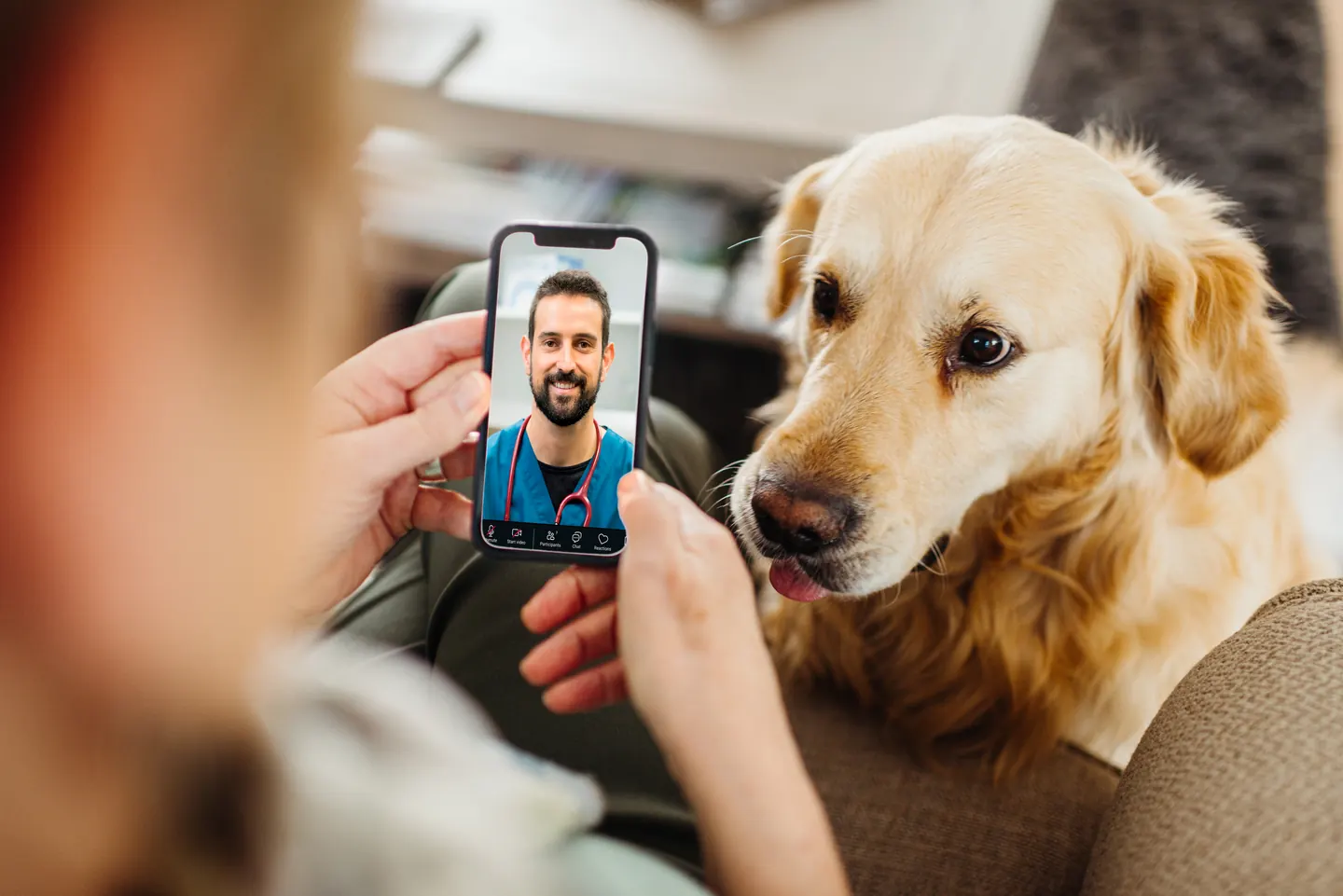
Want a vet's help with your dog's anxiety or behavior?
Talk to a licensed vet at Dutch over video, often the same day. They can recommend treatment and prescribe it when it's appropriate.
Use code Pets60
Plans start at $12/month · covers up to 5 pets
- Licensed vets in most states
- Rx for 150+ conditions
- 4.7 on Trustpilot
Why does my dog lick my feet?
Why does my dog lick my feet? Human feet carry scent, salty sweat, and environmental information. Licking may reflect sensory investigation, social contact, curiosity, self-soothing, habit, or reinforced attention. No motive is universal. Persistent or sudden licking needs closer attention, so compare timing, body language, duration, and the dog's response to interruption.
Human feet carry scent, moisture, salt, and environmental information. Licking may be sensory, social, or learned, but no single motive is universal. Protect broken or medicated skin, and call your veterinarian about a sudden, persistent, or disruptive pattern.

Dogs commonly lick human skin to investigate taste and scent, make social contact, or seek a response. VCA's veterinary overview of why dogs lick humans includes sensory investigation, salty taste, attention, and social interaction among the possible explanations.
Calming supplements do not explain foot licking. If a veterinarian or behavior professional identifies occasional stress as a separate contributor, Purina Calming Care and Greenies Calming chews are dog-specific options to discuss.

Probiotic supplement formulated to help dogs maintain calm behavior, with the BL999 strain. Liver-flavored powder in 30 daily sachets.
Webvet may earn a commission when you click through to Chewy, at no extra cost to you.
Affection, curiosity, or a familiar self-soothing pattern can also contribute, but licking alone cannot prove any emotion or motive. Several influences may operate together.
Whether someone asks why does a dog lick my feet, why does dog lick my feet, or why does the dog lick my feet, the answer is the same: examine the human foot or leg context, whole-body signals, skin condition, duration, and ability to interrupt the behavior.
| Human foot or leg context | Likely reason | Whole-body clue | Safety boundary | Next observation or action |
|---|---|---|---|---|
| Brief lick after a walk | New outdoor scent or residue | Loose posture, sniffing, easy movement | Intact skin, no unsafe product | Wash if needed and notice whether interest fades |
| Licking sweaty feet | Salty taste and concentrated body scent | Relaxed, exploratory contact | Intact clean skin | End contact if hygiene is a concern |
| Licking after a shower | Changed scent, moisture, or soap residue | Sniffing followed by brief licking | Do not allow contact with unsafe topical products | Rinse residue and observe whether the behavior stops |
| Licking during a familiar rest routine | Social contact, habit, or attention | Soft face and easy interruption | Intact skin | Notice what response has followed the behavior before |
| Repeated licking for long periods | Broader repetitive pattern or an unresolved medical or behavioral cause | Tense focus or difficulty disengaging | Protect skin from prolonged moisture and friction | Track duration and ability to interrupt, then call your veterinarian |
| Licking a cut, sore, or medicated area | Attraction to scent or product residue does not make contact safe | Any posture | Do not allow licking | Cover or remove access and follow medical instructions for the person |
This context table does not diagnose a motive. It connects timing, location, body language, intact skin versus cuts and topical products, duration, and the next owner decision without confusing human feet with the dog's paws.
1. Feet carry concentrated scent
Feet spend hours in socks, shoes, on floors, and outdoors. That creates a dense mix of personal scent and recent environmental information for a dog to investigate.
A few sniffs and brief licks may be part of that investigation. Interest that fades after the dog gathers information looks different from a dog who remains fixed on the same foot and cannot disengage.
2. Sweat can taste salty
Sweat and moisture can make feet appealing to a dog's sense of taste. This is a practical sensory explanation, not proof that anything is wrong with the dog or the person.
Salt is only one possible factor. If licking occurs on clean, dry feet too, social contact, attention, habit, or the surrounding routine may explain more.
3. Licking can be social contact
Some dogs use licking during friendly interaction with familiar people. A loose body, soft face, and easy shift to another activity support a relaxed social reading.
Licking alone does not prove love, attachment, or a particular emotional state. Read it alongside the broader signals described in WebVet's guide to dog body language.
4. The behavior may get attention
If licking makes you laugh, talk, look down, move your foot, touch your dog, or push them away, the behavior produces a response. That response can help maintain the habit even when you intended to discourage it.
A veterinarian-approved comfort plan may also include Zesty Paws calming bites or a FurHaven calming bed. Neither addresses topical exposure, broken skin, a dog's own itchy paws, pain, or a repetitive behavior that is difficult to interrupt.

Chicken-flavored soft chew that supports normal, occasional stress and positive behavior during times of normal stress.
Webvet may earn a commission when you click through to Chewy, at no extra cost to you.
This does not mean the dog is manipulative. It means the interaction has become predictable, and predictable outcomes can shape repeated behavior.
5. Foot licking can become a routine
A dog may lick your feet when you sit on the couch, get into bed, remove shoes, or finish a shower. The time and place can become cues for an interaction that has happened many times.
Routine explains why the behavior may recur at night or before sleep. It does not automatically mean the dog is anxious or trying to soothe a medical problem.
6. Moisture and changed products invite investigation
Water, soap, lotion, medication, and other topical products change how skin smells and tastes. A dog may investigate the difference after a shower or skin-care routine.
Do not assume a product is safe because your dog wants to lick it. Prevent contact with medicated or potentially unsafe topical products, and follow the product instructions or professional advice if exposure occurs.
7. Licking may be one part of a broader repetitive pattern
Occasional social licking and persistent repetitive behavior are not the same. Duration, frequency, ability to interrupt, and interference with normal activity matter more than a simple count of licks.
The Merck Veterinary Manual describes incessant licking as potentially compulsive when it occurs much more often or longer than normal and interferes with ordinary activity. A veterinarian should evaluate possible medical and behavioral contributors before a treatment plan is chosen.
 Sponsored
Vet care that's always there
Unlimited video calls and messaging with licensed vets for less than a typical vet visit. One membership covers up to five pets.
Use code Pets60
Plans start at $12/month · covers up to 5 pets
- Licensed vets in most states
- Rx for 150+ conditions
- 4.7 on Trustpilot
Why feet and legs are especially interesting
Feet and lower legs collect information from shoes, floors, grass, other animals, soaps, lotions, sweat, and water. A dog's strong interest in these areas can therefore have a straightforward sensory explanation.

Peanut-butter-flavored soft chew that supports relaxation and helps reduce hyperactivity, with L-theanine, chamomile, and ashwagandha.
Webvet may earn a commission when you click through to Chewy, at no extra cost to you.
Compare a brief investigation with a fixed routine
A brief sniff and lick after you return indoors may end once the new scent has been investigated. That pattern is different from a dog who seeks the same foot repeatedly, remains fixed on it, or immediately resumes after every interruption.
Look at what your reaction contributes. Talking, laughing, touching, or moving your feet can make the interaction socially interesting. That does not prove attention is the original reason, but it may help a brief sensory check become a familiar routine.
Compare timing with the dog's response
Timing can separate likely triggers. Licking after exercise may coincide with sweat and outdoor scent, while licking after a shower may follow water, soap residue, or a changed skin odor. Check what is on the skin before allowing contact.
Use three comparison points:
- Whether the dog sniffs before licking
- Whether the licking stops when the scent or situation changes
- Whether the dog can shift to resting, play, food, or another normal activity
If the pattern occurs in several unrelated settings, the trigger may not be one particular scent. A simple log can show whether the common factor is time of day, a person's response, a recent product, or difficulty disengaging.
A fixed, escalating, or difficult-to-interrupt pattern deserves more attention than one brief lick. Record duration and whole-body posture, protect the person's skin, and call your veterinarian when the behavior changes suddenly or disrupts normal activity.
Three timing clues to compare
Timing provides useful evidence. After a walk, outdoor odors may be new. After a shower, changed scent, moisture, or soap residue may prompt investigation. In the morning, the behavior may be attached to a familiar greeting routine.
The question why does my dog like to lick my feet may have more than one answer. Concentrated scent can start the interaction, while your response and the familiar routine help it continue.
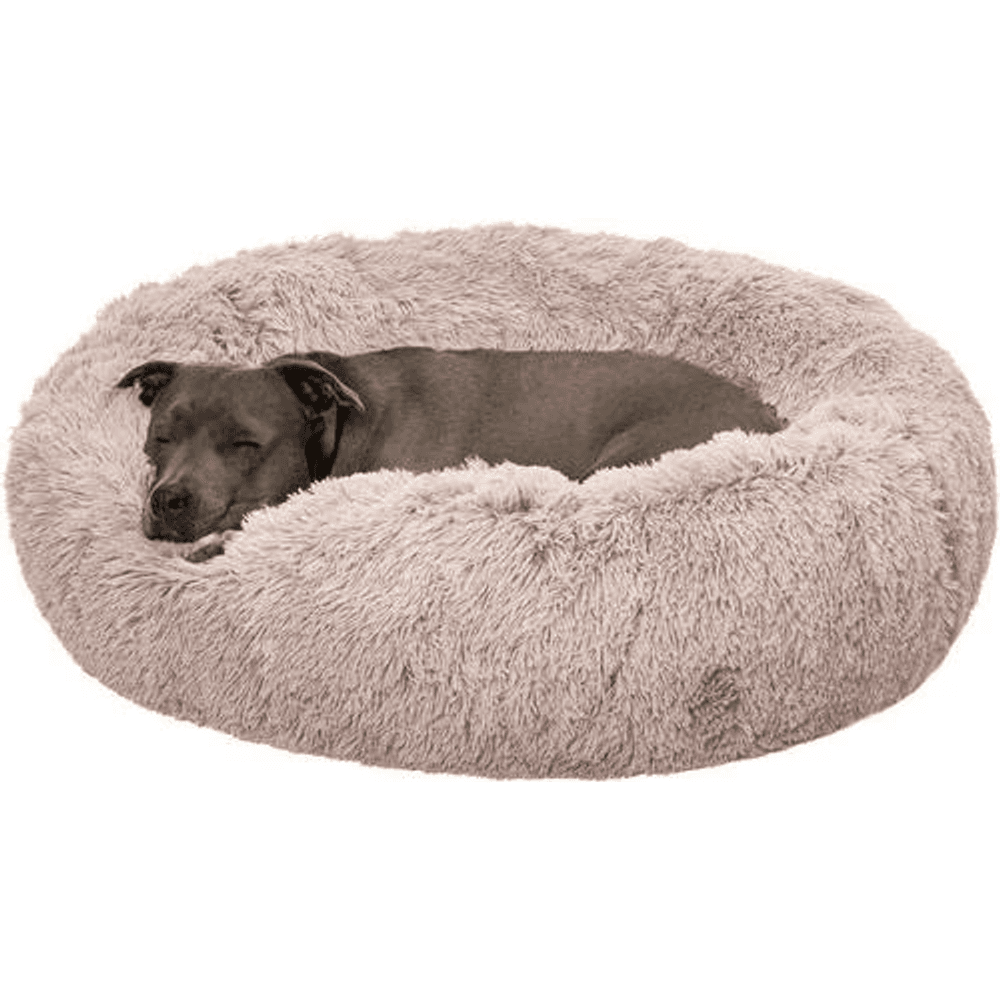
A separate bed can offer another rest spot. It does not address topical exposure, broken skin, itchy paws, pain, or repetitive licking that is hard to interrupt.
Webvet may earn a commission when you click through to Chewy, at no extra cost to you.
Does licking toes or legs mean something different?
Why does my dog lick my legs, toes, or feet? A human leg can carry outdoor scent, salt, water, soap, or lotion. The meaning is not automatically different. Confirm that the dog is licking you, not their own limb, then compare timing, whole-body posture, duration, and whether the dog shifts easily to another activity.
Toes can hold moisture and concentrated scent between them, while lower legs collect odors from clothing, outdoor activity, soaps, and lotions. These locations change the sensory context, but they do not create a completely separate set of motives.
Confirm which leg your dog is licking
If you ask why does my dog lick my legs, first confirm that the dog is licking your human leg rather than their own limb. Recent sweat, outdoor scent, water, or lotion may help explain the timing.
Licking hands and feet can also reflect access. A dog may choose whichever skin is closest during a quiet interaction. Continue to apply the same skin-safety and veterinary boundaries.
Is it safe to let your dog lick your feet?
Is it bad for your dog to lick your feet or a cut on your leg? Do not allow licking of cuts, sores, irritated skin, or topical products. Some human creams can poison dogs when licked from skin. Ask a veterinarian or poison service about exposure and a clinician about your infection risk.
Do not let your dog lick cuts, sores, broken skin, or an area covered with medication or another topical product. VCA warns that some human creams can poison dogs when licked from the skin.
Intact clean skin is lower concern than damaged or treated skin, but allowing contact is optional. Stop if the licking irritates the skin, lasts too long, or makes anyone uncomfortable.
If a product was licked, keep the package and call your veterinarian or an animal poison service. Ask a human clinician about your own wound or infection risk. AAHA guidance advises greater caution and hand hygiene for people at increased infection risk.
When foot licking needs a veterinary check
The photo comparison shows brief, relaxed human-foot licking versus persistent, tense attention. It keeps the dog's own paws outside the subject because own-paw licking is a different medical question. Use duration, body posture, and ability to interrupt as observations. Sudden, persistent, or disruptive licking, pain, or distress needs veterinary review.

Why does my dog constantly lick my feet, or why does my dog lick my feet so much? Sudden, painful, distressing, sleep-disrupting, or hard-to-interrupt licking needs veterinary review. This guide cannot diagnose anxiety or prescribe training. Record the pattern so your veterinarian can evaluate the wider behavior and health context.
Call your veterinarian when licking increases suddenly, becomes difficult to interrupt, lasts for long periods, interferes with sleep or daily activity, or appears with pain, distress, restlessness, appetite changes, or other new behavior.
What your veterinarian may evaluate
VCA's guidance on compulsive disorders emphasizes evaluating medical and behavioral causes before treating disruptive repetitive licking. The pattern may require a physical examination, history, and context that an article cannot provide.
Do not diagnose anxiety, compulsion, pain, or another condition from human-foot licking alone. Your veterinarian can decide whether the licking is one part of a broader health or behavior concern and whether referral is appropriate.
If your dog is licking their own feet
Own-paw licking is a different medical question from licking a person's feet. Persistent licking of a dog's paws, toes, pads, skin, or leg can reflect itch, parasites, allergies, injury, or secondary bacterial, fungal, or yeast problems. This human-feet article keeps that intent separate from own-paw causes and links readers to the dedicated paw-licking guide.
A dog persistently licking their own paws or skin is a different search intent and a different medical question. VCA's veterinary skin guidance lists itch, parasites, allergies, infection, injury, and other possible contributors.
Use WebVet's dedicated guide to why dogs lick their own paws for that differential. Do not use a human-feet meaning article to diagnose paw licking.
If the licking is unwanted
Excessive licking in dogs on humans and requests to stop dog licking your legs belong to a broader redirection question. This article explains meaning and safety. Use WebVet's unwanted-licking guide for practical next steps. Avoid punishment, and ask your veterinarian first when the pattern is sudden, intense, or difficult to interrupt.
This article explains meaning and safety. It does not provide a training plan. If the dog is licking people generally, licking is unwanted, or you need redirection guidance, follow WebVet's dedicated article on how to handle unwanted dog licking.
Avoid punishment or frightening responses. If the behavior is intense, sudden, or difficult to interrupt, contact your veterinarian before treating it as only a habit.
Frequently Asked Questions
Should you let your dog lick your feet?
Should you let your dog lick your feet? Avoid contact with cuts, sores, irritated skin, or topical products. Some human creams can poison dogs if licked from skin. End contact if it persists or causes irritation. Ask a veterinarian or poison service about exposure, and ask your clinician about your own infection risk.
What does it mean when a dog licks your feet?
What does it mean when a dog licks your feet? The behavior may reflect scent investigation, salty taste, social contact, curiosity, habit, self-soothing, or reinforced attention. No single explanation fits every dog. Look at timing, recent activity, body posture, duration, and whether the dog shifts easily. Sudden or disruptive licking needs veterinary review.
Why does my dog lick my toes and feet?
Why does my dog lick my toes and feet? Toes can concentrate scent and moisture, so a dog may investigate them more closely than other skin. The motive may match other human-foot licking. Prevent contact with cuts or topical products, and watch whether licking remains brief, relaxed, and easy to interrupt.
Why does my dog lick my legs?
Why does my dog lick my legs? Human lower legs can carry outdoor scent, salty sweat, water, soap, or lotion. Confirm the dog is licking your leg, not their limb, because own-leg licking has a separate medical differential. Use timing and body language, and call your veterinarian if the behavior changes or becomes disruptive.
Why does my dog lick my feet after a shower?
Why does my dog lick my feet after a shower? Water, soap residue, and changed skin scent can prompt investigation, while your reaction may reinforce the routine. Do not allow licking of medicated or unsafe topical products. Rinse residue when appropriate, and notice whether your dog's interest fades as the scent and moisture change.

Editor
The Webvet Editorial Team is the in-house group of pet-care editors and writers behind Webvet, operated by Smart Pet Collective. The team researches, writes, and maintains Webvet's pet health, behavior, and medication content. Every article follows a defined editorial process: research from reputable veterinary and scientific sources, careful drafting, mandatory review of medical content by a credentialed veterinarian, and dated publication. Health and medication articles are medically reviewed by a licensed veterinary professional before they go live and are kept current over time.
Veterinarian · BVMS MRCVS
Dr. Pippa Elliott, BVMS, MRCVS, is a veterinarian with nearly 30 years of experience in companion animal practice. Dr. Elliott earned her Bachelor of Veterinary Medicine and Surgery from the University of Glasgow. She was also designated a Member of the Royal College of Veterinary Surgeons. Married with 2 grown-up kids, Dr. Elliott has a naughty Puggle named Poggle, 3 cats and a bearded dragon.


