Why Does My Dog Dig? What Outdoor Digging Means
Learn why dogs dig outdoor holes, what location and timing can reveal, how to separate burrowing from yard digging, and when a new pattern needs a vet.

This article contains affiliate links. Webvet may earn a commission when you buy through them, at no extra cost to you.
Why does my dog dig? Outdoor digging is a normal canine behavior that can serve several purposes, including following prey scent, reaching cooler soil, caching something valuable, exploring, playing, or trying to pass a boundary. The location, timing, body language, and recent change reveal more than the hole alone.
A relaxed dog digging briefly in soft ground presents a different picture from a dog frantically working under a fence or suddenly digging despite never doing it before. Start by observing the scene. New, escalating, or unexplained behavior paired with pain, illness, confusion, or distress warrants veterinary advice.

 Sponsored
Want a vet's help with your dog's anxiety or behavior?
Talk to a licensed vet at Dutch over video, often the same day. They can recommend treatment and prescribe it when it's appropriate.
Use code Pets60
Plans start at $12/month · covers up to 5 pets
- Licensed vets in most states
- Rx for 150+ conditions
- 4.7 on Trustpilot
Why does my dog dig? Start with the location and timing
- 1Digging is part of the normal canine behavior repertoire.
- 2Location and timing clues help separate prey pursuit, cooling, caching, escape, play, and a recent health change.
- 3Read posture, movement, and recovery instead of assigning a motive from the hole alone.
- 4Bed, blanket, furniture, floor, and body-contact digging are better understood as indoor burrowing behavior.
- 5A sudden or escalating change with pain, distress, or illness signs needs a veterinarian.
Why does my dog dig, why do dogs dig, and why do some dogs like to dig more than others? Location, timing, body language, weather, scent, and what happens next help separate prey pursuit, cooling, caching, escape, play, and a meaningful change.
The Merck Veterinary Manual includes digging within the normal canine behavior repertoire. A normal behavior can still become unsafe or signal a problem when its frequency, intensity, location, or context changes.
VCA Animal Hospitals lists several possible motives, including cooling, prey pursuit, hiding valued items, escape, nesting, and activity-related needs. VCA also emphasizes that the circumstances around the digging help identify its likely purpose. Before interpreting outdoor holes, note five details:
- Location: fence line, shaded soil, roots, open lawn, garden, sand, or one repeated spot
- Timing: after eating, after elimination, during play, in hot weather, at night, or only when alone
- Body language: loose and playful, intensely focused, fearful, restless, painful, or confused
- Result: empty hole, cached object, exposed scent trail, cool resting hollow, or an escape route
- Change: lifelong habit, seasonal pattern, or a sudden new behavior
When a veterinarian or behavior professional identifies occasional stress, Purina Calming Care and Greenies Calming chews are options to discuss. They do not replace enrichment, secure fencing, temperature control, or an examination for a sudden change.

Probiotic supplement formulated to help dogs maintain calm behavior, with the BL999 strain. Liver-flavored powder in 30 daily sachets.
Webvet may earn a commission when you click through to Chewy, at no extra cost to you.
What your dog’s digging location can tell you

Use the outdoor location and timing as a decision path, not a diagnosis. Holes near roots suggest scent or prey investigation, shade can fit a resting hollow, buried objects point toward caching, and fence-line digging can reflect an outside target. Body language and the next action make each location more informative.
| Location | Timing | Body language | Likely motive | Next observation |
|---|---|---|---|---|
| Near roots, shrubs, or small ground openings | Repeats after sniffing | Alert, nose down, quick pawing | Prey or odor investigation | Look for scent tracking, insects, rodents, or wildlife activity |
| Shaded loose soil | Warm part of the day | Calm, then lies in the hollow | Cooling or shelter | Note heat, shade, water access, and whether the dog rests there |
| Near food, treats, toys, or bones | Soon after receiving a valued item | Carries, places, covers, returns | Caching | Note what the dog hides and whether it returns later |
| Along a fence or gate | When something is visible or audible beyond it | Persistent, oriented outward, may pace | Access, escape, or social contact | Identify the outside trigger and check the dog for injury |
| Scattered soft-ground holes | During energetic play | Loose body, bouncing, easy recovery | Play or sensory exploration | Watch whether the dog stops readily and remains relaxed |
| A new site with no clear trigger | Sudden or escalating | Guarded, restless, confused, painful, or unwell | Possible medical or distress-linked change | Record the pattern and contact a veterinarian |
A location and timing decoder distinguishes prey pursuit, cooling, caching, play, escape attempts, and a sudden behavior change. Compare outdoor location and timing with body language and the next action. The table narrows the next observation, while pain, injury, ingestion, or heat illness signs determine when veterinary guidance takes priority over the hole itself.
The next observation is the useful step. If a dog repeatedly sniffs before digging, odor may be important. If the dog lies in the finished hole, temperature may be important. If the dog stays oriented beyond a fence, access to something outside the yard may be important.
 Sponsored
Vet care that's always there
Unlimited video calls and messaging with licensed vets for less than a typical vet visit. One membership covers up to five pets.
Use code Pets60
Plans start at $12/month · covers up to 5 pets
- Licensed vets in most states
- Rx for 150+ conditions
- 4.7 on Trustpilot
What outdoor digging locations can mean
Why do dogs dig under fences? Fence-line holes can point to an outside target, while shade, loose soil, roots, and repeated locations add different clues. Dogs may dig holes and bury things such as food, toys, or bones. Check timing, body language, and what happens next before choosing a likely motive.
Why do dogs dig holes in the yard? Dogs use their noses and paws to investigate a three-dimensional scent environment that people cannot fully perceive. Soil can hold prey odor, food odor, moisture, cool temperatures, and the scent of other animals. Where the holes appear helps narrow the possibilities.
Zesty Paws calming bites are another optional calming product, while a FurHaven calming bed provides a defined indoor rest spot. Neither product addresses prey pursuit, escape attempts, heat stress, pain, or the cause of digging.

Chicken-flavored soft chew that supports normal, occasional stress and positive behavior during times of normal stress.
Webvet may earn a commission when you click through to Chewy, at no extra cost to you.
Weather and soil conditions sharpen the clue
The same yard can produce different digging patterns as weather and ground conditions change. A hole that appears only on hot afternoons carries a different clue from one that follows intense sniffing after rain or repeatedly forms beside one shrub.
Warm, shaded soil can support a cooling explanation when the dog digs briefly, lies in the hollow, and otherwise acts normally. Shade seeking alone does not rule out overheating, so watch breathing, energy, coordination, and ability to settle indoors.
Read the sequence before the damage
Rain can make soil softer and bring new scents closer to the surface. If your dog moves nose-first between roots or small openings before using a paw, odor investigation is more plausible than random destruction.
VCA lists limping, licking, bleeding, swelling, infection signs, and reluctance to bear weight among paw-injury concerns. Check paws and nails after intense digging. Contact your veterinarian when an injury is painful, bleeding persists, swelling develops, or the dog will not bear weight.
Record four details before deciding what the hole means:
- Recent heat, rain, frost, or irrigation
- Shade and soil texture at the exact site
- Whether sniffing, carrying an object, or watching the boundary came first
- Whether the pattern repeats in one place or moves around the yard
Timing changes the interpretation
Timing can separate two holes that look almost identical. Digging soon after receiving food supports a caching interpretation when the dog carries or hides an item. Digging during the warmest part of the day supports cooling when the dog settles into the hollow. Night digging may follow wildlife sounds or scent.
Weather can change the ground as well as the dog. Rain softens soil and changes how scent moves. Dry heat can make deeper soil cooler than the surface. Seasonal wildlife activity can bring a dog back to roots, shrubs, or small openings even when that location held no interest before.
Record the pattern without provoking another episode:
- Time of day and recent weather
- What the dog smelled, saw, carried, or heard first
- Whether the dog used front paws to excavate or only scraped briefly
- What the dog uncovered, buried, approached, or rested in
- How quickly the dog stopped and returned to normal behavior

Peanut-butter-flavored soft chew that supports relaxation and helps reduce hyperactivity, with L-theanine, chamomile, and ashwagandha.
Webvet may earn a commission when you click through to Chewy, at no extra cost to you.
One observation may not settle the question. A repeated sequence is more useful. Three episodes that begin with focused sniffing at the same root line point toward a persistent outdoor cue. Three scattered holes during loose play suggest a different meaning, even when every hole is roughly the same size.
Holes near roots, plants, and small openings
A dog who sniffs intensely, pauses, listens, and digs near roots or a small opening may be following prey or another animal's scent. Any dog can investigate rodents, insects, worms, grubs, or recently disturbed soil. The observed sequence matters more than a breed stereotype.
Avoid reaching into an unknown hole because wildlife, sharp roots, pesticides, toxic plants, and unstable soil can add hazards. VCA advises discussing persistent dirt or nonfood ingestion with a veterinarian because pica can have health contributors.
Holes near a fence, gate, or boundary
Fence-line digging often means the dog is oriented toward something beyond the boundary. Another dog, wildlife, a familiar person, a scent trail, or access to a favored place may be the draw. Fearful escape attempts can look more frantic and may include pacing, panting, or repeated checking of exits.
The reason behind boundary digging does not prescribe one training or containment method. To understand the behavior, note whether the dog is trying to reach a visible target, leave during a frightening event, follow another animal, or reunite with someone.
Check paws, nails, nose, and skin after forceful digging because rough ground and fencing can cause injury.
Holes in shade, sand, or loose soil

Soft soil is easier to move and can be cooler below the surface. A dog who digs, circles, and rests in the hollow during warm weather may be creating a cooler shelter. The completed behavior matters: lying in the hole supports a temperature or resting motive more than a scattered search pattern does.
Cornell advises moving a dog with possible heat illness into shade or air conditioning, offering water, and contacting a veterinarian. Excessive panting, restlessness, drooling, vomiting, diarrhea, weakness, or collapse during hot-weather digging shifts the issue from behavior meaning to urgent medical guidance.
Holes that contain food, toys, or bones
Caching preserves a valued resource for later. A dog may carry food, a chew, a toy, or another object to a chosen location, place it in a shallow hole, and cover it with soil or nose movements. The sequence and the hidden item make the motive clearer than the hole's shape.
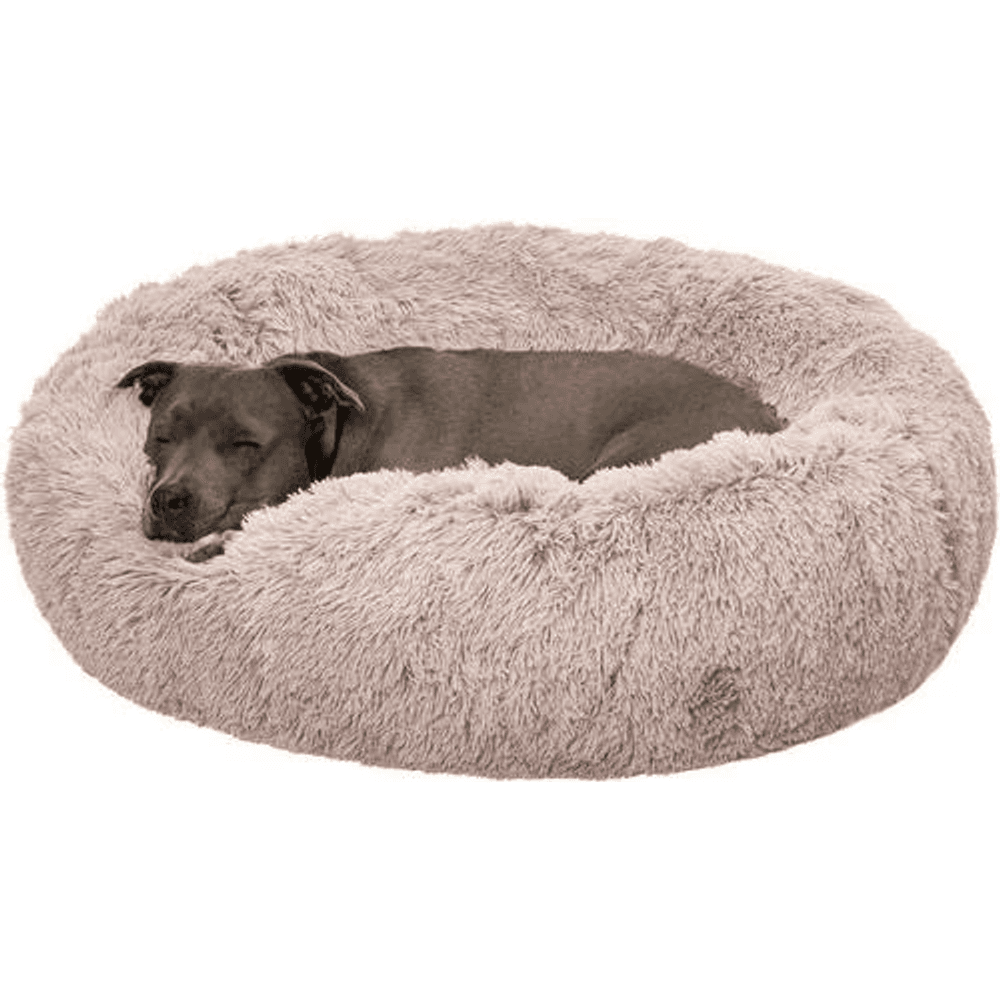
A dedicated indoor bed can offer another rest spot. It does not address prey pursuit, escape attempts, heat stress, pain, or the cause of digging.
Webvet may earn a commission when you click through to Chewy, at no extra cost to you.
Caching can occur even when food is plentiful. It reflects behavior history and individual preference, not proof that the dog is starving. If a dog begins hiding food while also eating less, losing weight, vomiting, or showing mouth pain, discuss the full change with a veterinarian.
Signs digging may mean play or enjoyment
Do dogs dig when they are happy? They can. Playful digging is more likely when the dog's body is loose, movements are bouncy, the activity is brief, and the dog can pause and shift attention normally. Some dogs dig in sand, soft dirt, or snow because the changing texture and scent make exploration rewarding.
A happy interpretation becomes less convincing when digging is frantic, repetitive, or difficult to interrupt. The same caution applies when the dog trembles, tries to escape, seems painful, withdraws, or recovers poorly. Use dog body language to read posture and the surrounding situation.
Play and excitement can also explain digging after running, wrestling, or seeing another animal. The dog may paw rapidly, sniff the loosened soil, roll nearby, and move on. That pattern differs from a dog who remains fixed on one boundary or returns repeatedly to the same hidden odor.
Why some dogs are more likely to dig
What dog breeds dig the most, and which dog breeds like to dig? Some individuals are persistent diggers, but breed history cannot identify the motive. Location, timing, weather, scent, and the next action remain more useful.
Age and experience also shape the pattern. Puppies explore with paws, mouths, and noses. Adult dogs may repeat a behavior that uncovers interesting smells or creates a comfortable resting place. Older dogs may show a familiar lifelong pattern, or they may develop a new behavior that deserves medical assessment.
Individual differences can outweigh breed labels
- Does this dog consistently investigate scent trails?
- Does digging increase in a particular season or temperature?
- Does the dog cache valued items?
- Does the behavior appear only around a boundary?
- Is the pattern stable, or has it changed recently?
Bed, blanket, and indoor burrowing are a separate behavior
Why do dogs dig into their beds? That is indoor burrowing, not outdoor yard digging. Use WebVet’s guide to why dogs burrow for nesting-surface and body-contact patterns.
A sudden change on a sleeping surface still deserves attention when the dog also shows pain, restlessness, confusion, or difficulty lying down. The surface does not rule out a health problem. It changes which context should be examined first.
When digging may be linked to separation distress
Digging that happens only when a dog is left alone can be part of a broader separation-distress pattern. Holes often appear near doors, gates, windows, crates, or other exits. The dog may also pace or drool. Other clues include vocalizing, indoor accidents, barrier damage, and difficulty settling.
Where anxiety guidance fits
If you are asking why does my dog dig when scared, or about digging on carpet when left alone, these observations identify context, not a diagnosis. WebVet’s guide to anxiety relief for dogs explains the separate assessment and management decisions.
Do not assume every fence-line hole is anxiety. A visible animal, outside scent, social target, or ordinary escape opportunity can produce a similar location.
When a new digging behavior needs a veterinarian

Why does my dog keep digging, or why do dogs dig all of a sudden? A new pattern with pain, weakness, appetite change, confusion, injury, or inability to settle deserves veterinary assessment.
Why would a dog suddenly start digging? A new pattern may follow an environmental change, a new scent, wildlife activity, hot weather, or a shift in household routine. It can also appear with pain, illness, sensory loss, cognitive change, compulsive behavior, or distress. The accompanying signs determine how urgent the change is.
The veterinary threshold is digging-specific. A dog who vomits or eats soil needs assessment of the health change, not an interpretation of the hole. Merck identifies poisoning, severe bleeding, severe pain, and trouble breathing as emergencies requiring immediate care.
Prepare a useful record:
- Video the behavior from a safe distance without prompting it.
- Photograph the location and anything uncovered or swallowed.
- Note time, weather, recent meals, visitors, wildlife, and household changes.
- Record appetite, drinking, elimination, sleep, movement, and breathing changes.
- Check paws, nails, nose, and skin for injuries after intense digging.
Do not rely on myths that dogs dig graves before death. A hole cannot predict death or diagnose illness. Treat sudden behavior change as information, then let the dog's physical signs, veterinary examination, and history guide the next decision.
Frequently Asked Questions
Why does my dog dig holes in the yard?
Why does my dog dig holes in the yard? Compare where the holes appear. Fence holes suggest an outside target, shaded hollows can fit cooling, and holes near roots suggest prey or odor investigation. Note the timing, body language, and next action. A sudden scattered pattern with pain, illness, or confusion needs veterinary attention.
Why does my dog dig in the same spot?
Repeated digging in the same spot means that location remains rewarding. A persistent odor, prey movement, cached food, a buried toy, loose soil, or shade may draw the dog back. Note what happens immediately before and after digging, and check for wildlife, chemicals, sharp objects, or soil ingestion without reaching blindly into the hole.
Why do dogs dig after eating?
Why do dogs dig after eating? Food caching may fit when the dog carries a valued item, selects a location, buries or covers it, and returns later. Post-meal digging without a hidden object may have another trigger. Appetite loss, vomiting, weight change, mouth pain, or soil eating warrants veterinary advice.
Why do dogs dig a hole and lie in it?
Why do dogs dig a hole and lie in it? Reaching cool soil in hot weather or making a sheltered resting hollow may fit when the dog settles calmly afterward. Move the dog to a safe comfortable area. Contact a veterinarian promptly for heavy panting, weakness, vomiting, confusion, collapse, or another possible heat-illness sign.

Editor
The Webvet Editorial Team is the in-house group of pet-care editors and writers behind Webvet, operated by Smart Pet Collective. The team researches, writes, and maintains Webvet's pet health, behavior, and medication content. Every article follows a defined editorial process: research from reputable veterinary and scientific sources, careful drafting, mandatory review of medical content by a credentialed veterinarian, and dated publication. Health and medication articles are medically reviewed by a licensed veterinary professional before they go live and are kept current over time.


