What to Feed a Cat with IBD: A Vet-Informed Diet Guide
Choosing what to feed a cat with IBD starts with a veterinary diagnosis and one complete, balanced diet. Learn how exclusive diet trials and supportive care can help a cat feel better.

BVMS MRCVS

This article contains affiliate links. Webvet may earn a commission when you buy through them, at no extra cost to you.
If you are deciding what to feed a cat with IBD, the direct answer is a complete and balanced food selected with your veterinarian, often a hydrolyzed-protein or genuinely novel-protein diet, fed exclusively for a defined trial. There is no single best food for every cat, and changing ingredients repeatedly can make both nutrition and veterinary diagnosis more difficult.
Feline inflammatory bowel disease belongs to a broader group often called feline chronic enteropathy. Vomiting, diarrhea, weight loss, and appetite changes can also occur with parasites, pancreatitis, thyroid disease, food-responsive enteropathy, and intestinal lymphoma. A veterinary workup should come before a highly restrictive diet, especially when a cat is losing weight or eating poorly.
What to feed a cat with IBD
The direct answer is to feed one complete and balanced diet chosen for the cat's diagnostic and nutritional needs, often a hydrolyzed-protein or genuinely novel-protein food. The veterinary next step is to decide whether the immediate priority is restoring calorie intake, testing for food-responsive enteropathy, managing another disease, or combining those goals. A therapeutic diet trial is a controlled clinical step with one food, no unapproved extras, a start date, and a way to measure response.
The best diet for a cat with IBD is therefore the one that matches the clinical goal, provides enough calories, and can be fed exclusively. A cat IBD diet may be hydrolyzed, novel protein, highly digestible, or adjusted for another documented need. The label category matters less than the veterinarian's reason for choosing it and the cat's ability to eat it consistently.
- 1Ask for a veterinary diagnosis before starting a narrow or homemade diet.
- 2A hydrolyzed-protein or novel-protein food may be used for an exclusive structured diet trial.
- 3Feline food must remain complete and balanced, provide enough calories, and be appealing enough for the cat to eat consistently.
- 4The next practical step is to review every food, treat, flavored medicine, supplement, and table scrap with the veterinary team.
- 5Microbiome support is an adjunct, not a replacement for diet or medical treatment. That supportive care boundary protects a cat from delayed care.
- 6Prompt veterinary care is needed when a cat repeatedly vomits, stops eating, becomes weak, seems painful, has bloody or black stool, or shows dehydration.
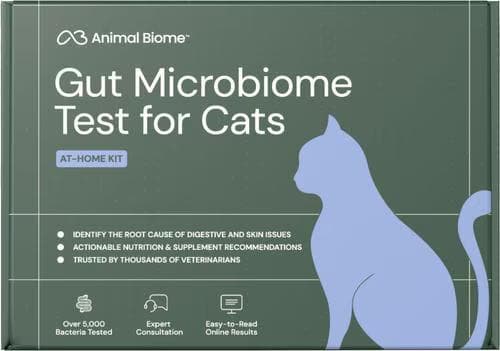
Animal Biome at-home gut microbiome test for cats that sequences the fecal microbiome and returns diet and supplement guidance for veterinarian-guided digestive care.
Webvet may earn a commission when you click through to Animal Biome, at no extra cost to you.

A practical food-choice framework
The veterinarian can narrow the options with four decisions:
- Can the cat eat enough now? A highly palatable, digestible option and nausea control may take priority when appetite and weight are falling.
- Is food sensitivity being tested? Choose a veterinary hydrolyzed-protein or truly novel-protein diet that can be fed exclusively.
- Does another disease change the nutrition goal? Kidney disease, pancreatitis, diabetes, and severe protein loss can alter the safest choice.
- Can the household follow the plan? Texture, feeding schedule, other pets, medication routines, and cost affect whether a trial will be complete enough to interpret.
This food-choice framework does not identify one universal best food. It matches the diet to the clinical question while protecting complete feline nutrition.
Hydrolyzed-protein diets
In a hydrolyzed diet, dietary proteins are broken into smaller components intended to be less recognizable to the immune system. Prescription hydrolyzed foods also provide controlled ingredients and complete feline nutrition. They can be useful when a cat has eaten many common proteins and it is difficult to identify a truly new one.
Not every hydrolyzed diet is interchangeable. Protein source, degree of hydrolysis, fat level, fiber, texture, and palatability differ. Some cats accept a dry version but not a canned one, while others need wet food for hydration or medication administration. The veterinary next step is to choose the product that best matches both the diagnostic goal and the cat's willingness to eat.
Novel-protein diets
A novel-protein diet uses an animal protein the cat has not eaten before. Whether a protein is truly novel depends on the cat's complete diet history, including treats, toppers, flavored supplements, food used to give pills, and previous household foods. Duck, rabbit, or venison may sound unusual, but they are not novel if the cat has already eaten them.
Veterinary therapeutic diets generally provide stronger ingredient controls than over-the-counter limited-ingredient foods. Cross-contact with unlisted proteins can undermine a diagnostic elimination diet. An over-the-counter option may still have a role after discussion with the veterinarian, but its label alone does not prove that it is suitable for a strict trial.
Digestibility, fat, and fiber
Some cats benefit from a highly digestible gastrointestinal diet, particularly when food allergy is not the leading concern or when appetite and calorie intake are urgent priorities. Fiber can help certain large-bowel signs, but too much or the wrong type may reduce palatability or change stool in an unhelpful way. Fat restriction is not automatically necessary for every cat with IBD.
The veterinarian may consider stool pattern, body condition, pancreatic disease, prior food response, and laboratory findings when choosing among these strategies. The Merck Veterinary Manual's overview of nutrition in disease management emphasizes that therapeutic nutrition should meet the animal's needs while addressing the condition. A cat should not lose lean muscle in pursuit of a theoretically perfect ingredient list.
What the veterinary workup changes about the menu
Food selection is safer when it follows basic clinical evidence. Bloodwork can identify anemia, inflammation, low protein, liver or kidney changes, and hyperthyroidism. Cobalamin and folate measurements can reveal nutrient-absorption problems. Fecal testing helps address parasites, while ultrasound may show intestinal thickening, enlarged lymph nodes, pancreatic changes, or another reason that food alone is unlikely to be enough.
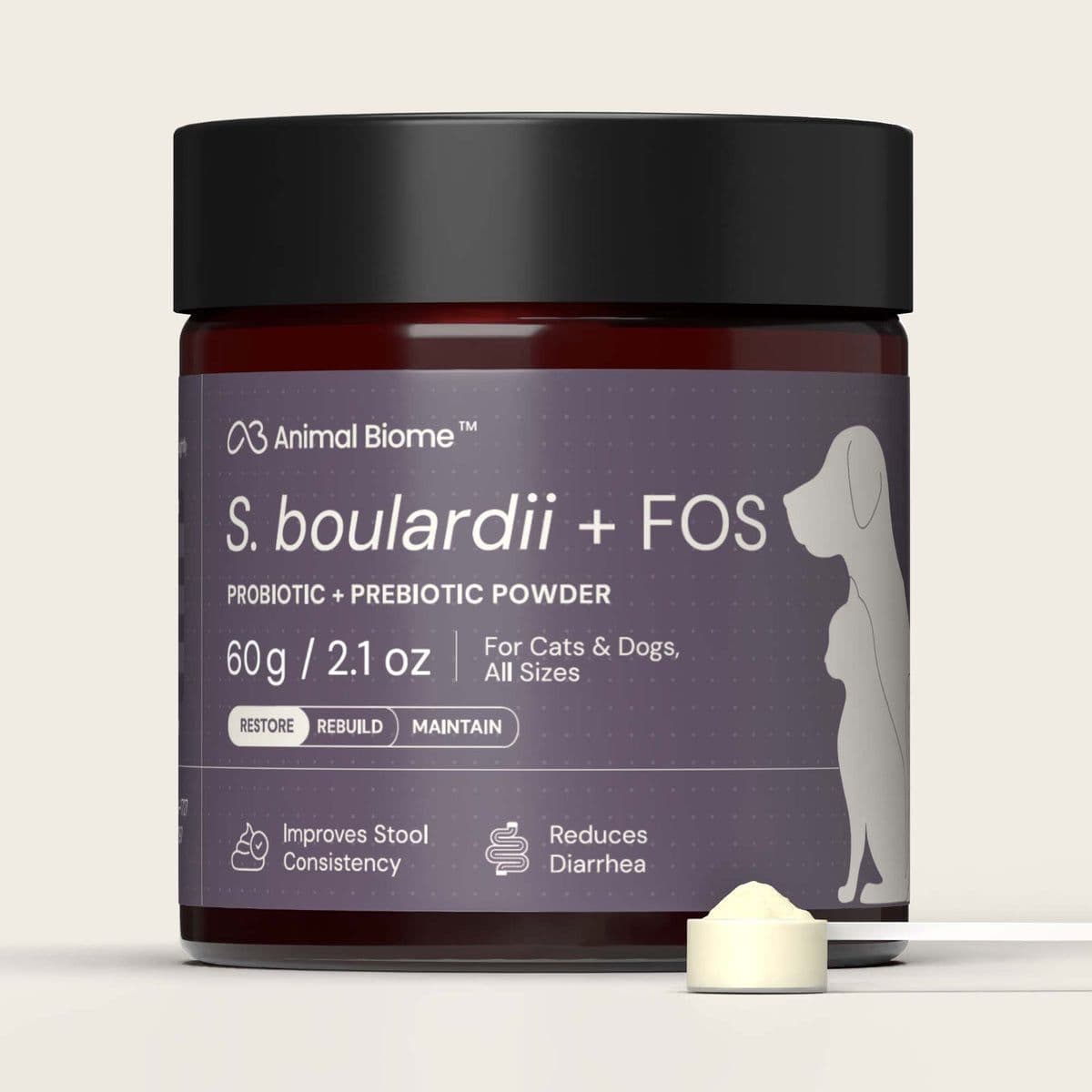
Antibiotic-resistant probiotic yeast paired with prebiotic FOS; supports stool consistency and helps reduce diarrhea in cats and dogs, including during antibiotic courses.
Webvet may earn a commission when you click through to Animal Biome, at no extra cost to you.
These findings can materially change the feeding plan. A cat with kidney disease needs different nutritional priorities from a cat with an uncomplicated food-responsive enteropathy. A cat with pancreatitis, diabetes, severe weight loss, or low protein may need more immediate calorie support and medication while the diagnostic process continues. In selected cases, intestinal biopsy helps distinguish inflammatory disease from lymphoma, although results are always interpreted with the history, imaging, and treatment response.
- Diagnostic boundary: A mail-in stool profile or ingredient questionnaire cannot select a medical diet by itself. Those tools may contribute information, but they do not replace an examination and appropriate testing.
Are cats with IBD in pain? Some experience nausea, cramping, gas, or abdominal discomfort, but cats often hide pain. Watch for changes such as:
- Crouching, a tense posture, or resisting handling
- Withdrawing, reduced grooming, or less interest in normal activities
- Lip licking, tooth grinding, or approaching food and walking away
These signs can change the immediate priority from diet selection to nausea relief, pain assessment, or additional testing.
Pain should not be assumed to be an inevitable part of IBD. Pancreatitis, obstruction, urinary disease, dental pain, and other conditions can occur at the same time, so a behavior change deserves reassessment rather than another unstructured food switch.

How veterinary diet trials work
An adequate trial needs exclusivity and enough time to judge a trend. Your veterinarian will set the duration based on symptoms and clinical urgency. Some digestive signs improve within a few weeks, but the team may recommend a longer trial before deciding whether food-responsive enteropathy is likely.
Questions about the best food for cats with IBD, the best wet food, or the best dry food cannot be answered by format alone. Wet and dry therapeutic foods can both be appropriate. Protein history, hydrolysis, digestibility, calorie density, fat and fiber needs, other diseases, and acceptance all influence selection. Choose the formula with the veterinary team, then hold the other variables steady enough to judge the response.
Record the trial inputs and results consistently:
- Exact product and daily amount offered
- Amount eaten, treats, supplements, and medication vehicles
- Stool, vomiting, appetite, hydration, weight, and energy
This controlled diet-trial framework makes the selection goal, hidden exposure check, transition safety rule, and trial review point visible before the first meal. The selection goal defines what the food is meant to test or support; the hidden exposure check protects the result from treats and flavored products; the transition safety rule protects calorie intake; and the trial review point tells the veterinary team when to continue, revise, or investigate another cause.
| Trial phase | Selection goal or decision | Hidden exposure check and control | Safety and response evidence |
|---|---|---|---|
| Select | Is the goal food-response testing, easier digestion, or urgent calorie support? | Match hydrolysis or true novelty to the cat's complete food history and other diseases | Confirm complete nutrition, calorie density, texture, and willingness to eat |
| Inventory | What could contaminate the trial? | List treats, toppers, flavored medicines, supplements, pill foods, and access to other bowls | Replace or approve every exposure before interpreting a response |
| Transition | How can the new diet start without unsafe underfeeding? | Use the veterinarian's transition schedule and measured portions | Record amount eaten and call promptly if appetite falls |
| Exclusive trial | Can one plan stay stable long enough to judge? | Feed only the selected diet and approved medication vehicles | Track stool, vomiting, appetite, weight, hydration, and energy |
| Review | Did the cat show a full, partial, absent, or mixed response? | Compare with the starting baseline at the planned trial review point | Continue, change diet, add treatment, or investigate another diagnosis |
How to reverse IBD in cats? A permanent cure cannot be promised. The practical goal is durable control: identify the form of feline chronic enteropathy, complete an exclusive diet trial, correct deficiencies such as low cobalamin, and add medication when the response is incomplete.
The Cornell Feline Health Center guide to inflammatory bowel disease explains that diagnosis may use examination, laboratory tests, imaging, and sometimes intestinal biopsy, and that no single treatment is best for every cat.
Starting the new food safely
Cats are not small dogs, and they should not be allowed to go without food in an effort to force acceptance. Sudden calorie deprivation can contribute to hepatic lipidosis, a serious liver condition. Ask how to transition the food, what to do if the cat refuses it, and when to call. A gradual transition is often appropriate, but the veterinarian may alter that plan if symptoms are severe.
To keep the diet trial accurate and practical, use these adherence steps:
- Measure the daily ration so calorie intake is visible.
- Feed cats separately in a multi-pet home.
- Remove access to other pets' bowls and food-storage areas.
- Use only approved food for treats or pill administration.
- Record vomiting, stool, appetite, weight, and energy.
- Keep planned follow-up appointments even when the cat seems better.
Monitor weight, appetite, and hydration together rather than relying on stool alone. Weigh the cat consistently when the veterinary team recommends home measurements, record how much food is actually eaten, and note water intake and urine changes. Call promptly for declining appetite, continued weight loss, tacky gums, weakness, or reduced urination.
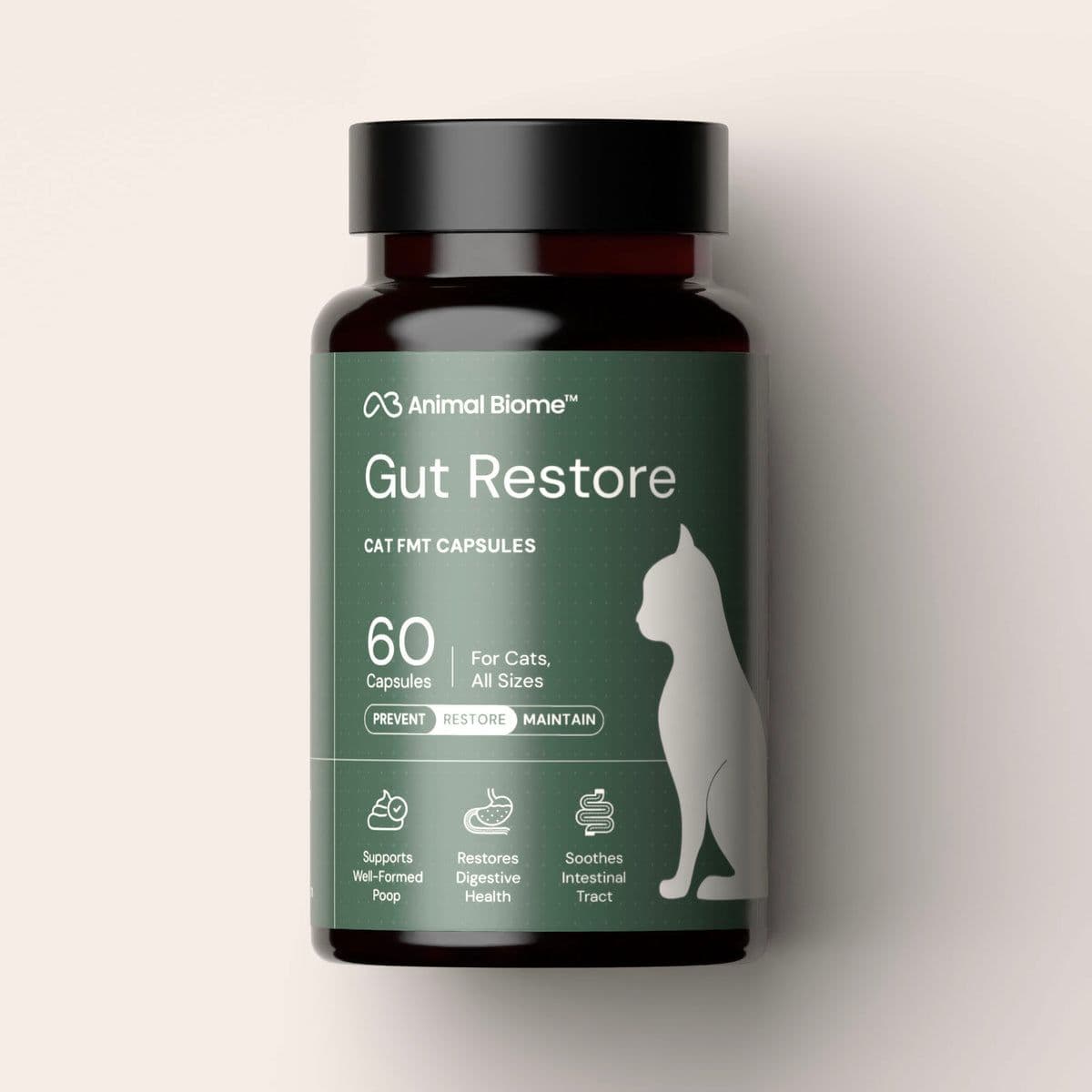
Veterinarian-developed oral FMT capsules that reintroduce healthy cat-specific gut bacteria; used to support cats with chronic diarrhea, IBD, or recovery after antibiotics.
Webvet may earn a commission when you click through to Animal Biome, at no extra cost to you.
Foods and feeding mistakes to avoid
During a diet trial, avoid any food that is outside the agreed plan. The problem is not that every extra ingredient is inherently inflammatory. It is that unplanned exposures can trigger symptoms in a food-sensitive cat and make the result impossible to interpret.
Raw and homemade food are not automatically gentler for an inflamed intestine. The best raw food for cats with IBD is not a safe default because raw diets can introduce pathogens, complicate an elimination trial, and be nutritionally incomplete when improvised. Tuna, milk, table scraps, flavored medications, treats, and rotating toppers can also undermine a controlled trial. If the cat will not eat the plan, call the clinic for a complete alternative rather than layering on extras.
Is tuna okay for cats with IBD? Only when the treating veterinarian approves it for a narrow purpose. Plain tuna may be tempting when appetite is low, but it is not complete and balanced for long-term feline nutrition. It can also defeat a novel-protein or hydrolyzed elimination trial, and seasoned or oil-packed human products may contain excessive salt, fat, onion, garlic, or other unsuitable ingredients. When a cat refuses the prescribed diet, call for a complete alternative rather than allowing prolonged underfeeding.
What aggravates IBD in cats? It varies by the individual, but common setbacks include sudden food changes, repeated exposure to a food trigger, unbalanced diets, missed medication, stress, parasites, and untreated concurrent disease. Grains, chicken, fish, fat, and fiber should not be removed automatically without a case-specific reason.
Use this contamination and feeding-mistake check before deciding that a diet failed:
- Was any treat, flavored medication, topper, supplement, or another pet's food available?
- Did the cat eat enough of the selected food to maintain calories and weight?
- Were several foods or supplements started before one response could be measured?
- Was a homemade recipe formulated by a board-certified veterinary nutritionist?
- Did vomiting, pain, or another disease interfere with intake?
- Was the planned trial review point reached under reasonably controlled conditions?
A clear trial is more informative than a complicated collection of "gut-friendly" products. The veterinary team can separate lack of response from hidden exposure, inadequate intake, or an unresolved medical problem and then choose the next step.
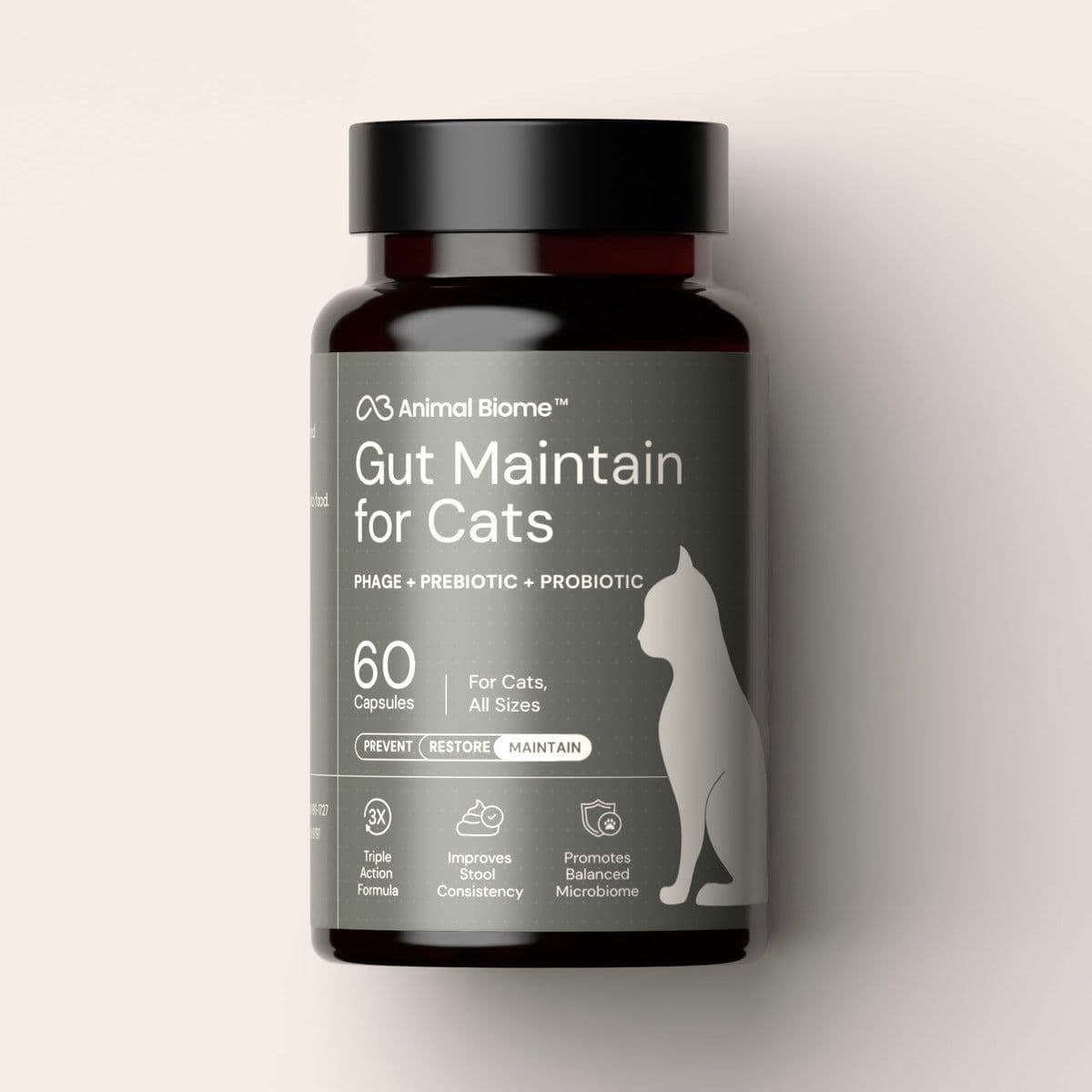
Triple-action phage, prebiotic, and probiotic capsules for daily maintenance of a balanced feline gut microbiome after digestive upsets resolve.
Webvet may earn a commission when you click through to Animal Biome, at no extra cost to you.
Complete nutrition comes first
Cats require animal-derived nutrients including taurine, preformed vitamin A, and arachidonic acid. A restrictive homemade diet assembled from a few ingredients may look gentle but can become deficient. A therapeutic diet should state that it is complete and balanced for the appropriate life stage, unless a veterinarian prescribes a short-term exception for a medically supervised reason.
Fiber products, pumpkin, probiotics, and other supplements add ingredients and calories, so they need approval during an elimination trial. Even a product that is generally well tolerated may contain flavoring or protein that conflicts with the trial. Share labels rather than relying on a marketing category.
Wet food, dry food, and hydration
Both wet and dry therapeutic diets can work when they fit the clinical goal and the cat eats enough. Wet food provides more water and may help cats with low fluid intake. Dry food can be easier to measure, use in feeders, or leave for a cautious grazer. The guaranteed analysis on a label cannot be compared directly across wet and dry foods without accounting for moisture, so ask the veterinary team to compare them on a dry-matter or calorie basis when a nutrient level matters.
Encourage hydration with fresh water in several quiet locations, a clean fountain if the cat prefers one, or veterinarian-approved water added to wet food. Do not force water by syringe because aspiration and stress are risks. A cat with tacky gums, sunken eyes, marked lethargy, or very low urine output needs assessment rather than a home hydration experiment.
Gut support and long-term monitoring
Diet is often central to IBD care, but it may not be the only treatment. Cats with low cobalamin may need vitamin B12 replacement. Anti-inflammatory or immune-modulating medication may be appropriate when response to food alone is incomplete. Anti-nausea treatment and appetite support can protect nutrition while the broader plan takes effect.

Our guide to why your cat has diarrhea and what to do about it explains red flags and common causes. The overview of cat probiotics covers formulation, handling, and questions to ask before adding a microbial supplement.
Where Animal Biome support may fit
Microbiome testing is different from a veterinary diagnosis. A stool profile may provide information about the submitted sample, but it cannot independently distinguish IBD from lymphoma, diagnose a food allergy, or replace imaging and biopsy when those are indicated. Animal Biome's Gut Restore Supplement for Cats is positioned as microbiome support. In this sponsored guide, it should be considered only as an optional adjunct discussed with the cat's veterinarian, never as a replacement for an exclusive diet trial or prescribed medical treatment.
If the diet trial does not help
A fair trial that produces little improvement is still useful information. The veterinarian will confirm that the cat ate the food exclusively, consumed enough calories, and had no hidden exposures. The next step might be a different therapeutic diet, cobalamin replacement, medication, updated imaging, or intestinal biopsy rather than a series of unstructured food changes.
Report partial responses, too. Firmer stool with continued weight loss or less vomiting with worsening appetite means the plan has not solved every problem. Feline chronic enteropathy can overlap with pancreatitis, liver disease, and other conditions, so each unresolved sign deserves attention.
Prognosis and reassessment
How long will a cat live with IBD? The answer varies, and many cats live for years with good quality of life. There is no universal lifespan estimate. Outlook depends on maintaining weight and muscle, response to diet and medication, cobalamin status, disease severity, and whether another condition is present. Food-responsive enteropathy can carry a favorable outlook when the effective diet remains practical and nutritionally complete.
Track change consistently rather than relying on one good or difficult day:
- Weigh the cat at home or during regular clinic visits.
- Ask the veterinary team to assess both body condition and muscle condition because a stable weight can hide muscle loss.
- Record food intake, vomiting, stool, hydration, medication, comfort, and activity.
- Complete repeat bloodwork, cobalamin testing, ultrasound, or medication monitoring when the original abnormalities require it.
What are the signs of end stage IBD in cats? The phrase "end stage IBD" is not something pet parents should diagnose at home. Severe ongoing weight and muscle loss, inability to maintain hydration or nutrition, repeated vomiting or diarrhea despite treatment, profound weakness, low blood protein, and a sustained loss of interest in normal activities all require prompt veterinary reassessment. Some of these signs can reflect a treatable relapse, medication effect, or a different disease.
Bring the whole-cat pattern to a quality-of-life discussion:
- Eating and drinking enough to maintain nutrition and hydration
- Grooming, mobility, sleep, comfort, and litter-box use
- Interest in family, favorite spaces, and normal routines
- Frequency of good days, difficult days, and urgent episodes
The goal is to identify reversible problems, control nausea and pain, and make compassionate decisions based on the whole cat rather than one difficult day.
Choosing what to feed a cat with IBD becomes less overwhelming when it is treated as a measured clinical trial. Start with the veterinary workup, select one complete and balanced diet, protect exclusivity, monitor intake and symptoms, and keep planned follow-up. That consistent approach gives food, medical treatment, and carefully selected microbiome support the best chance to help the cat feel comfortable again.
Frequently Asked Questions
What foods are commonly used in a diet trial for a cat with IBD?
Veterinarians commonly consider a complete and balanced hydrolyzed-protein diet or a truly novel-protein diet chosen around the cat's previous food exposure. The best option is one the cat will eat consistently and that fits the diagnostic goal. During the trial, avoid unplanned treats, flavored medications, toppers, supplements, and access to another pet's food because even small exposures can make the result difficult to interpret.
Is wet or dry food better for a cat with IBD?
Either wet or dry food can be appropriate when it is complete and balanced, matches the veterinarian's diet-trial plan, and provides enough calories. Wet food adds moisture and may help some cats maintain fluid intake, while dry food may be easier for another cat to accept or measure. The therapeutic formulation and consistent intake matter more than texture alone. Do not switch formats repeatedly during a controlled trial unless the veterinary team directs the change.
When is poor appetite in a cat with IBD urgent?
Contact a veterinarian promptly when a cat eats much less than normal, stops eating, cannot keep food down, appears painful or weak, becomes dehydrated, or continues to lose weight. Cats can develop serious complications from inadequate calorie intake, including hepatic lipidosis, so waiting several days can be unsafe. The clinic may need to control nausea or pain, assess hydration, check for another disease, and create a safe nutrition plan before the diet trial continues.
How long does a diet trial take to work in a cat with IBD?
Many food-responsive cats begin improving within the first one to two weeks, but a proper trial usually runs two to eight weeks before the response is judged at a scheduled recheck. Stopping early, or mixing in old foods and treats, is the most common reason a trial fails to give a clear answer.
Can I manage my cat's IBD with diet alone?
Some cats are food-responsive and stay comfortable on the right exclusive diet. Others also need medication, cobalamin supplementation, or treatment for a second condition found during the workup. Never stop a prescribed medication to test diet alone; make changes one at a time with the veterinarian so the response can be read accurately.
What treats can I give a cat during an IBD diet trial?
Only treats that match the trial diet, such as the same prescription food offered as treats or a treat version the veterinarian approves. A single hidden exposure, including flavored medications and another pet's food, can restart the clock on the whole trial, so many households simply pause treats until the recheck.

Editor
The Webvet Editorial Team is the in-house group of pet-care editors and writers behind Webvet, operated by Smart Pet Collective. The team researches, writes, and maintains Webvet's pet health, behavior, and medication content. Every article follows a defined editorial process: research from reputable veterinary and scientific sources, careful drafting, mandatory review of medical content by a credentialed veterinarian, and dated publication. Health and medication articles are medically reviewed by a licensed veterinary professional before they go live and are kept current over time.
Veterinarian · BVMS MRCVS
Dr. Pippa Elliott, BVMS, MRCVS, is a veterinarian with nearly 30 years of experience in companion animal practice. Dr. Elliott earned her Bachelor of Veterinary Medicine and Surgery from the University of Glasgow. She was also designated a Member of the Royal College of Veterinary Surgeons. Married with 2 grown-up kids, Dr. Elliott has a naughty Puggle named Poggle, 3 cats and a bearded dragon.
Related reading

Low Calorie Dog Treats: Calories and Portion Guide

Minimally Processed Dog Food: What It Means and Why It Matters

Best Soft Dog Food for Senior Dogs: Gentle, Nutrient-Dense Options
