Ponazuril for Dogs and Cats

BVMS MRCVS
Medically reviewed by Dr. Pippa Elliott, BVMS MRCVS · Last reviewed

Drug facts
Ponazuril
Ponazuril is a broad-spectrum antiprotozoal drug used off-label in dogs and cats, best known for treating intestinal coccidiosis (coccidia). It is the active metabolite of toltrazuril.
Treats
 $65 · no membership
Need a prescription for Ponazuril?
A licensed vet can assess your pet over video and prescribe Ponazuril online when it's appropriate.
 Talk to a vet
- Licensed vets
- All 50 states
- same-day Rx
Webvet may earn a commission if you book.
What is Ponazuril for Dogs and Cats
Overview
Ponazuril belongs to the triazinetrione class of antiprotozoal drugs. It is the active metabolite of toltrazuril, also known as toltrazuril sulfone, and is formulated as a 15 percent paste for equine use (Marquis Paste).
Veterinarians commonly use it off-label for treating intestinal coccidiosis in dogs and cats, especially in shelters, breeding facilities, and rescue environments where infection spreads easily. It is preferred for its ability to kill protozoa directly rather than merely slowing their growth.
Explore more parasite-control medications in our Parasites section.
What Is Ponazuril for Dogs and Cats Used For
| Condition | Notes |
|---|---|
| Coccidiosis (Cystoisospora spp.) | Primary use in dogs and cats. |
| Toxoplasma infections | Used off-label in cats. |
| Neospora caninum | Used as part of treatment protocols. |
| Shelter outbreak control | Often used during intake or as prophylaxis. |
| High-load infections | Helps reduce morbidity and mortality in young animals. |
How Ponazuril for Dogs and Cats Works
Ponazuril disrupts the intracellular development of protozoal parasites by interfering with essential biochemical pathways. It damages multiple organelles within the parasite, including structures critical for energy production and replication. This results in disruption of the parasite lifecycle and eventual elimination.
Drug Facts
Ponazuril is a broad-spectrum antiprotozoal drug used off-label in dogs and cats. It is best known for its effectiveness against coccidia.
Compare coverage choices for your pet, then request a quote directly on Lemonade.
- Check a price for your pet
- Review available coverage choices
- See the terms before you decide
Eligibility, waiting periods, limits and exclusions apply.
Webvet may earn a commission when you click through to Lemonade, at no extra cost to you.
Common Brands
Marquis®
Drug Class
Antiprotozoal (triazinetrione)
Substance Classification
Not a controlled medication
Generic Status
No true generic; compounded forms used
Availability
Prescription
Available forms
Ponazuril for Dogs and Cats Dosage Forms
Ponazuril is marketed as Marquis Paste (15 percent) for horses. To use it in dogs and cats, veterinarians dilute the paste to create oral suspensions at workable concentrations.
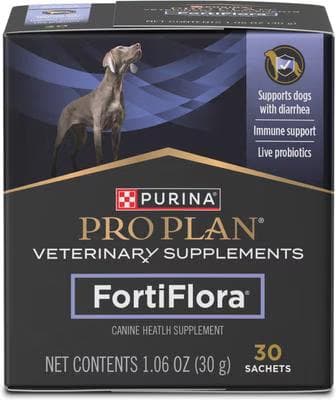
The #1 vet-recommended probiotic for dogs. Daily powder sachets with live probiotics support healthy digestion and firmer stools, and can help dogs coping with diarrhea or GI upset.
Webvet may earn a commission when you click through to Chewy, at no extra cost to you.
Diluted Oral Suspension (Compounded)
| Qty/Size | Price as low as | Price per unit |
|---|---|---|
| 15 mL | $28.00 | $1.86 |
| 30 mL | $45.00 | $1.50 |
| 60 mL | $80.00 | $1.33 |
Typical Dosing For Ponazuril for Dogs and Cats
Ponazuril dosing varies based on species, severity, and protocol.
Oral Dosing
| Group | Typical Dose | Notes |
|---|---|---|
| Dogs (Standard efficacy study) | 50 mg/kg every 24 hrs × 3 days | Produced 92.9 percent oocyst clearance. |
| Dogs (Shelter protocol) | 1 mL per 4.5 kg (~30 mg/kg) | Repeat in 10 days. |
| Cats (Standard efficacy study) | 50 mg/kg × 3 days | 87.5 percent clearance by Day 8. |
| Cats (General use) | 15–30 mg/kg | Commonly used. |
Reported side effects
Risks and Warnings for Ponazuril for Dogs and Cats
Ponazuril is generally very well tolerated, even at high doses. Most side effects are mild and temporary.
Webvet may earn a commission when you click through to Chewy, at no extra cost to you.
Common Side Effects (All Species)
- Vomiting
- Diarrhea
Dogs
- Vomiting or diarrhea may occur, especially without food.
- Rare liver enzyme elevations with long-term use.
- Possible ocular issues like keratoconjunctivitis sicca (KCS) in susceptible breeds.
Cats
- Occasional vomiting or diarrhea.
- Rare mild neurological signs (tremors, incoordination).
Overdose Safety
- Cats: No side effects at 50 mg/kg single dose.
- Puppies: No adverse effects at 10× overdose over three days.
- Pregnant/lactating animals: Safety unknown.
Ponazuril for Dogs and Cats Warnings and Precautions
Use Ponazuril carefully and follow veterinary instruction:
- Wear gloves when handling the medication.
- Avoid skin contact with diluted or undiluted paste.
- Shake diluted solutions thoroughly before dosing.
- Do not use past the 30-day discard period.
- Use caution in pregnant or nursing animals due to lack of studies.
- Monitor pets for GI or neurological symptoms and notify your vet if they occur.
Disclaimer: This information is for educational purposes only and should not replace professional veterinary advice. Always consult your veterinarian before using or combining any medications for your pet.
Frequently Asked Questions (FAQ)
What does Ponazuril treat in dogs and cats?
Ponazuril treats protozoal infections, especially coccidia, and is also used for
Toxoplasma
and
Neospora
infections.
How quickly does Ponazuril work?
Improvement is often seen within a few days, with significant oocyst reduction by Day 3–8 depending on species.
Is Ponazuril safe for young pets?
Yes. Studies show excellent tolerance even in very young puppies and kittens.
Why does Ponazuril need dilution?
Because Marquis Paste is made for horses; it must be diluted to create safe doses for small animals.
Can Ponazuril be used preventively?
Yes. Many shelters use it prophylactically during intake to prevent outbreaks.
$65 · no membershipNeed a prescription for Ponazuril?
A licensed vet can assess your pet over video and prescribe Ponazuril online when it's appropriate.
Talk to a vet- Licensed vets
- All 50 states
- same-day Rx
Webvet may earn a commission if you book.

Editor
The Webvet Editorial Team is the in-house group of pet-care editors and writers behind Webvet, operated by Smart Pet Collective. The team researches, writes, and maintains Webvet's pet health, behavior, and medication content. Every article follows a defined editorial process: research from reputable veterinary and scientific sources, careful drafting, mandatory review of medical content by a credentialed veterinarian, and dated publication. Health and medication articles are medically reviewed by a licensed veterinary professional before they go live and are kept current over time.
Veterinarian · BVMS MRCVS
Dr. Pippa Elliott, BVMS, MRCVS, is a veterinarian with nearly 30 years of experience in companion animal practice. Dr. Elliott earned her Bachelor of Veterinary Medicine and Surgery from the University of Glasgow. She was also designated a Member of the Royal College of Veterinary Surgeons. Married with 2 grown-up kids, Dr. Elliott has a naughty Puggle named Poggle, 3 cats and a bearded dragon.


