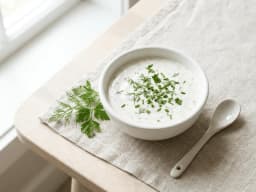
Can dogs eat ranch dressing?
Not recommendedRanch is not recommended for dogs, but risk depends on the product and amount. Check the label for alliums, sodium, calories, and packaging.


Medically reviewed by Dr. Athena Gaffud, DVM · Last reviewed
Can Dogs Eat Ranch Dressing?
- 1Ranch is not recommended for dogs, but risk depends on the product and amount.
- 2Recipes vary; some contain onion or garlic and others may not.
- 3Sodium and fat require the product label, amount, dog, history, and signs.
- 4Dietary indiscretion is associated with pancreatitis, but one serving has no predictable dose-response.
- 5Dry mix, prepared dressing, ranch-flavored snacks, and swallowed packaging are different exposures.
Ranch is not recommended for dogs, but it is not one fixed recipe and a lick does not automatically equal poisoning. Check the actual product, amount, dog, history, and symptoms before deciding how urgent an exposure is.
Prepared dressings may contain onion or garlic seasoning, substantial calories, sodium, dairy, or other ingredients. Formula differences are why the label and estimated amount matter more than the category name.

Why ranch dressing is bad for dogs
Garlic and onion powder are common in ranch, but recipes vary and the exact label matters. Allium species contain sulfur-based oxidants that can damage canine red blood cells, form Heinz bodies, and cause hemolytic anemia. Concentrated powders make home dose estimates unreliable.
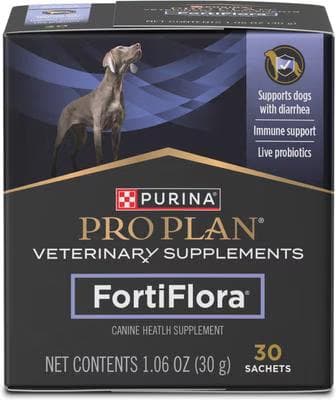
The #1 vet-recommended probiotic for dogs. Daily powder sachets with live probiotics support healthy digestion and firmer stools, and can help dogs coping with diarrhea or GI upset.
Webvet may earn a commission when you click through to Chewy, at no extra cost to you.
Ranch fat content varies by brand and style. Dietary indiscretion and severe hypertriglyceridemia are associated with canine pancreatitis, but a single rich exposure has no predictable dose-response and does not diagnose the disease.
Many adult dogs digest lactose less efficiently after weaning, although tolerance varies. Ranch sodium also varies. Neither dairy nor sodium automatically makes a small taste poisonous; use the product, dose, water access, patient, and signs.
| Product feature | How to assess it |
|---|---|
| Garlic or onion | Confirm ingredient and concentration; assess dose and dog |
| Oil, mayonnaise, or other fat | Use calories, amount, history, and clinical signs |
| Buttermilk, sour cream, or yogurt | Individual lactose tolerance and amount vary |
| Sodium | Use label sodium, amount, water access, and patient factors |
| Packet, cup, lid, or bones | Assess foreign-body and trauma risk separately |
My dog ate ranch: what happens now?
Keep water available. If vomiting, abdominal pain, poor appetite, weakness, pale gums, or dark urine occurs, call your veterinarian for case-specific care and feeding advice. Do not prescribe fasting as universal home care; early nutrition is preferred in most pancreatitis treatment unless vomiting is uncontrolled.
Body size matters, but no tablespoon or weight-band cutoff reliably separates home monitoring from veterinary care. Check the product, estimate the amount and time, and provide your dog's weight, history, and symptoms to a clinician. Keep the bottle, seasoning packet, or a clear photograph of the complete label so the actual formula can be reviewed. Puppies, seniors, and dogs with gastrointestinal, kidney, triglyceride, or pancreatic disease may have less margin.
| Check | Why it matters | Next step |
|---|---|---|
| Exact product and label | Allium seasoning, fat, sodium, and dairy vary | Photograph or keep the package |
| Estimated amount and time | No ranch-specific home threshold exists | Give the estimate to a clinician |
| Dog's weight and history | Risk is individual | Mention GI, kidney, triglyceride, or pancreatic disease |
| Symptoms | Vomiting, pain, weakness, pale gums, or dark urine changes urgency | Contact your veterinarian or poison control |

Signs of pancreatitis in dogs
Pancreatitis can cause vomiting, poor appetite, lethargy, dehydration, diarrhea, and abdominal pain, but many signs are nonspecific. Dogs in pain may adopt a prayer position with the chest down and hindquarters raised. Timing after a food exposure is not diagnostic, and a single meal has no predictable dose-response.
Pancreatitis is diagnosed with bloodwork and imaging, and it is treated with fluids, pain control, anti nausea medication, and careful refeeding. It responds much better to early treatment than to a wait and see approach, so this is not a condition to manage at home.
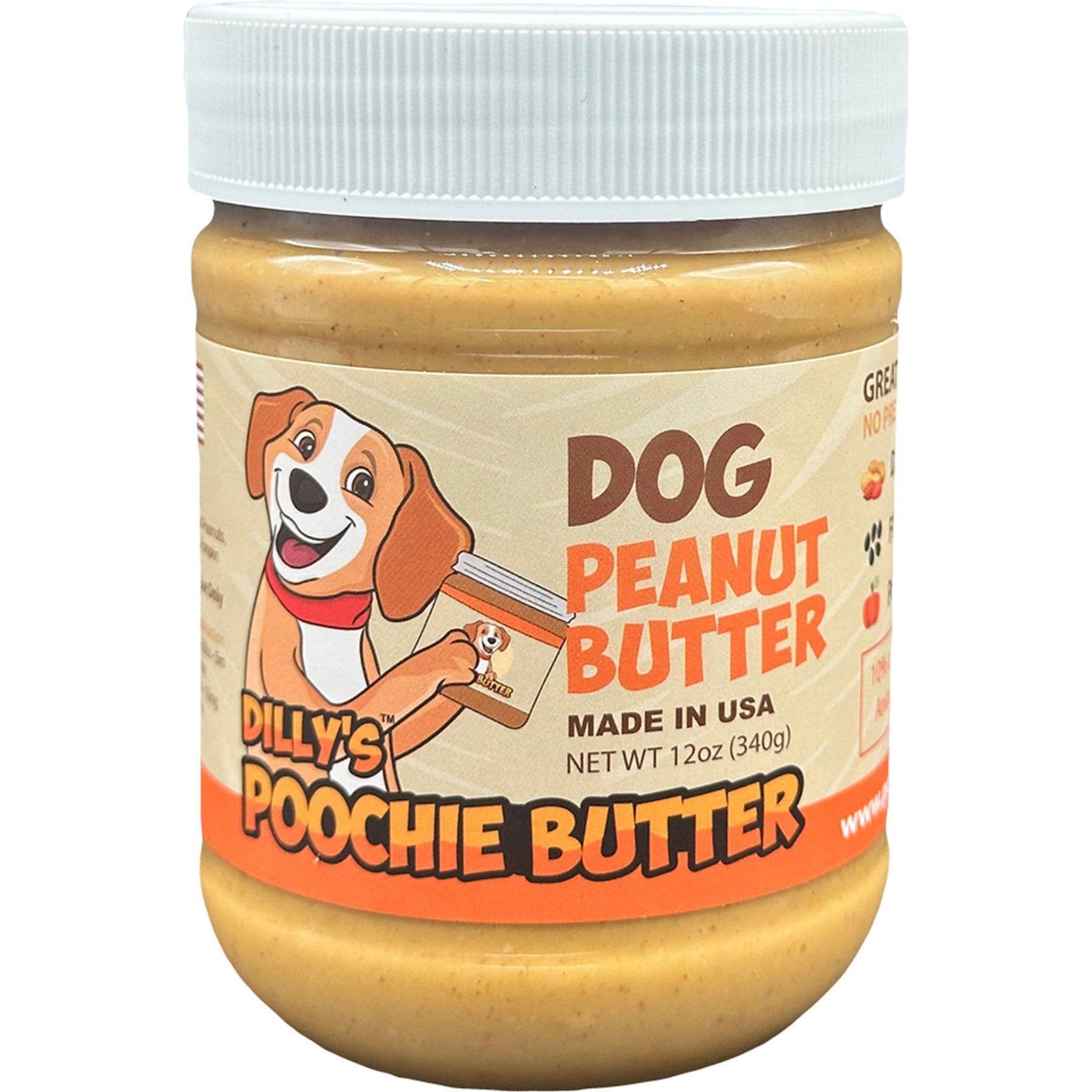
This is an optional dog treat. Review its current label, ingredients, calories, and feeding directions, and count it within the total daily extras.
Webvet may earn a commission when you click through to Chewy, at no extra cost to you.
What about ranch on vegetables or wings?
Plain carrot, celery, or cucumber may fit some dogs, but a vegetable is not automatically healthy for every diet and ranch does not chemically cancel it out. Assess the dip and food separately.
Cooked chicken bones can injure the mouth, fracture teeth, or become gastrointestinal foreign bodies, but they do not always splinter or perforate. A wing-and-ranch exposure needs bone- and product-specific veterinary guidance.
Fast food ranch cups deserve their own mention. Like ketchup packets, the plastic cup and its lid can be swallowed whole by an enthusiastic dog, and that becomes an obstruction risk on top of everything the dressing itself brings.
Is there a dog safe ranch?
A homemade herb-and-yogurt dip without alliums may be lower risk for some dogs, but it is still an optional calorie-containing food and dairy tolerance varies. It should not be marketed as universally dog-safe ranch.
Commercial dog treats or measured plain foods can replace table sharing, but labels still matter. Any broth must be free of onion and garlic, and pumpkin, yogurt, and other toppers do not suit every dog or medical condition. Keep all extras inside the total calorie plan.

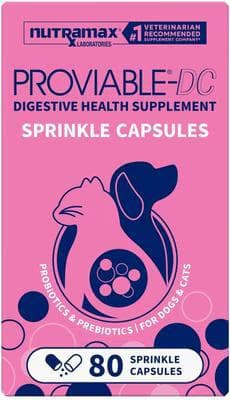
Product effects and directions are product-specific. Ask your veterinarian whether this supplement fits your dog's diagnosis, diet, medications, and treatment plan.
Webvet may earn a commission when you click through to Chewy, at no extra cost to you.
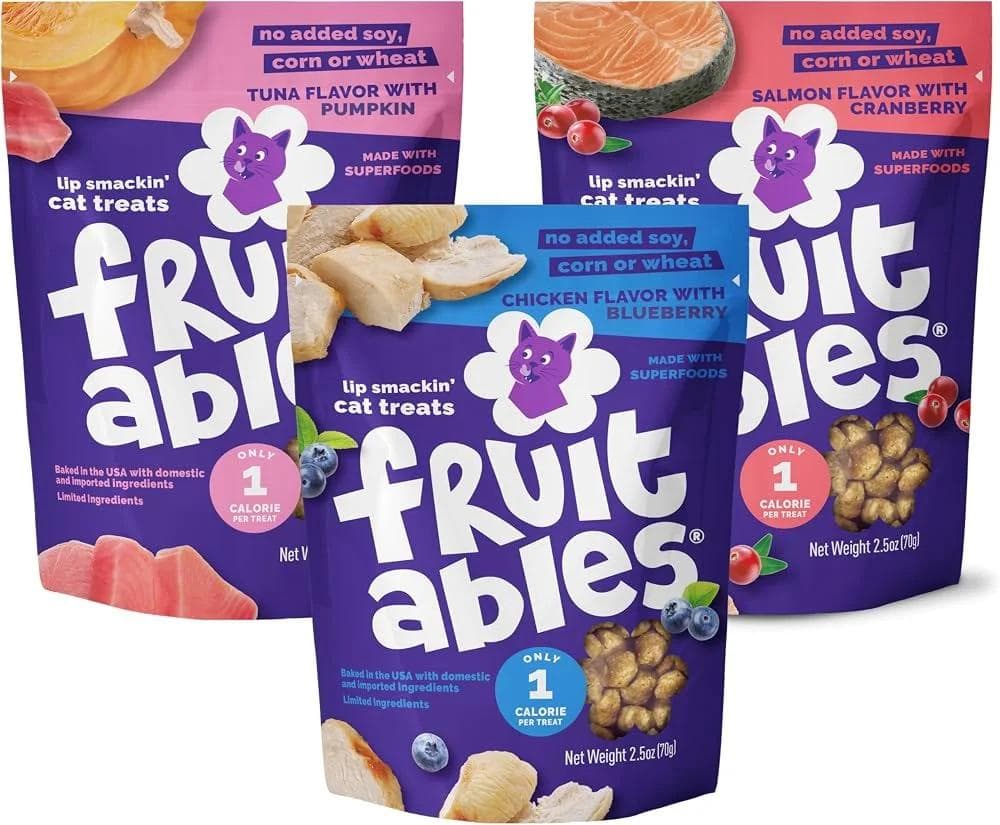
This is an optional dog treat. Review its current label, ingredients, calories, and feeding directions, and count it within the total daily extras.
Webvet may earn a commission when you click through to Chewy, at no extra cost to you.
Ranch flavored chips, seasoning, and dry mix
Dry ranch seasoning may be more concentrated than prepared dressing, but formulas vary. Check the exact packet for powdered dairy, sodium, onion, garlic, and other ingredients rather than treating every mix as identical. Give the product and exposure details to a clinician. Keep the ranch bottle, dip cup, seasoning packet, or recipe. Record the product name, ingredient list, serving mass, sodium, missing amount, and whether the dog also ate wings, chips, pizza, vegetables, foil, a lid, or plastic. Product-specific facts make a poison-service calculation far more useful than the word ranch alone. Repeated vomiting, weakness, pale gums, rapid breathing, tremors, collapse, or suspected package ingestion warrants prompt assessment.
Ranch-flavored chips and crackers vary in seasoning, fat, and sodium. Do not use a chip-count threshold to predict outcome. Check the label and contact a veterinarian with the product, estimated amount and time, your dog's weight and history, and any symptoms.
If a dog gets into dry seasoning, keep the packet and contact your veterinarian with the exact ingredients, estimated amount and time, weight, history, and symptoms. Formula and ingredient order vary, so the label should drive the assessment.
Frequently Asked Questions
Is ranch dressing ok for dogs to eat?
Ranch is not recommended for routine feeding. Exposure risk depends on the actual recipe, amount, dog, medical history, packaging, and signs.
Can I give my dog a little bit of ranch?
Some ranch contains onion or garlic and some does not. Keep the label and obtain dose-based advice when an allium is present.
Can dogs have a lick of ranch?
A lick is not automatically salt poisoning or pancreatitis. Use the product, amount, water access, history, and clinical signs.
What happens if a dog eats a little bit of ranch?
Dry mix may be more concentrated than prepared dressing, but formulas vary. Save the packet and estimate the exposure.
Can ranch dressing kill a dog?
Ranch-flavored chips vary in seasoning, sodium, fat, and calories. Do not use a chip count as a medical threshold.
Can dogs eat salad with ranch?
If a wing or package was swallowed, assess the bone, cup, lid, or wrapper separately from the dressing itself.
Safe alternatives
More pantry & other for dogs
Sources
- Merck Veterinary Manual: Garlic and Onion Toxicosis
Allium risk depends on the actual ingredient, concentration, amount, species, and patient rather than a food category alone.
- Merck Veterinary Manual: Salt Toxicosis in Animals
Salt toxicosis is dose-dependent and strongly influenced by fresh-water access; sodium's presence alone does not establish poisoning.
- Merck Veterinary Manual: Pancreatitis in Dogs and Cats
Pancreatitis is multifactorial and cannot be predicted or diagnosed from one food exposure alone.
- AAHA: Nutritional Risk Factors
Noncomplete foods above 10 percent of daily calories can dilute essential nutrients; individual medical and life-stage factors require assessment.
- Merck Veterinary Manual: Gastrointestinal Obstruction in Small Animals
Foreign-body and choking concerns depend on object and patient characteristics; a food texture does not guarantee obstruction.
Reviewed by Dr. Athena Gaffud, DVM
General guidance based on credible veterinary sources; not a diagnosis or a substitute for your veterinarian. If your pet ate something toxic or is unwell, contact your vet or a pet poison line right away.