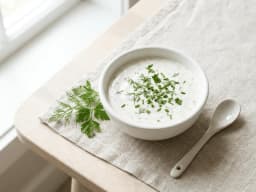
Can cats eat ranch dressing?
Not recommendedRanch is not recommended for cats. Risk depends on the exact recipe and amount; check alliums, dairy, sodium, calories, and packaging.


Medically reviewed by Dr. Athena Gaffud, DVM · Last reviewed
Can Cats Eat Ranch Dressing?
- 1Ranch is not recommended for cats, but risk depends on the exact product and amount.
- 2Recipes vary; confirm whether onion or garlic is actually present.
- 3Dairy may cause gastrointestinal signs in some adult cats, while tolerance and dose vary.
- 4Sodium and fat require label, amount, patient history, water access, and symptoms.
- 5Dry mix, prepared dressing, flavored snacks, and swallowed packaging are different exposures.
Ranch is not recommended for cats, but it is not one fixed formula and a taste does not guarantee illness. Check the exact recipe, amount, cat, medical history, and signs.
Prepared ranch may contain onion or garlic seasoning, dairy, sodium, substantial calories, or other ingredients. These features vary by product and require separate assessment rather than a categorical headline.

Why ranch can be a concern for cats
Ranch recipes vary, so read the ingredient list to determine whether onion or garlic is present. Allium compounds can cause oxidative red-cell injury in cats, and dried powders can be concentrated. Risk still depends on the specific ingredient, concentration, amount, cat, and timing.
Webvet may earn a commission when you click through to Chewy, at no extra cost to you.
Ranch fat content varies by brand and style. A rich food exposure does not automatically cause feline pancreatitis, and vomiting or appetite loss is not specific enough to diagnose it without veterinary evaluation.
Lactase activity may decline after weaning, but tolerance and exposure amount vary. Dairy may be followed by gastrointestinal signs in an individual cat. Ranch sodium also varies, so the label, total amount, water access, and patient history all matter.
| Product feature | How to assess it |
|---|---|
| Garlic or onion | Confirm ingredient and concentration; cats are susceptible but dose still matters |
| Buttermilk, sour cream, or yogurt | Tolerance and amount determine whether gastrointestinal signs may occur |
| Oil, mayonnaise, or other fat | Use calories, amount, history, and clinical signs |
| Sodium | Use label sodium, amount, water access, and patient factors |
| Packet, cup, lid, or wrapper | Assess foreign-body risk separately from ingredients |
My cat ate ranch: what should I do?
Do not use a lick cutoff to decide that an exposure is harmless. Check the exact product and estimate the amount and time. Contact your veterinarian with your cat's weight, history, and symptoms, especially when the recipe includes onion or garlic or appetite changes.
No tablespoon threshold reliably separates home monitoring from veterinary care. Product concentration, amount, the cat's size and history, and symptoms all matter. Provide those details to a veterinarian, who can decide whether examination, bloodwork, or monitoring is appropriate. Ranch is a product category, not a fixed formula. Bottled dressing, restaurant dip, dry seasoning packets, flavored chips, ranch cheese, and homemade recipes vary in onion, garlic, chives, sodium, fat, dairy, preservatives, and serving concentration. Keep the exact label or request the restaurant ingredient information. A lick from a plate and access to a concentrated dry packet are different exposure histories. Report the maximum amount missing, cat's weight, timing, and current signs rather than assuming every brand contains the same allium dose.
Do not give hydrogen peroxide or otherwise try to make a cat vomit at home. Hydrogen peroxide is not recommended for cats and can injure the esophagus and stomach. Whether decontamination is appropriate is a veterinary decision.

Ranch seasoning and ranch flavored snacks
Dry ranch seasoning may be more concentrated than prepared dressing, but formulas vary. Check the exact packet for powdered dairy, sodium, onion, garlic, and other ingredients rather than treating every mix as identical. Give the product and exposure details to a clinician.
Ranch-flavored chips vary in seasoning, sodium, fat, calories, and packaging. Check the exact label and amount, and clean spilled seasoning so it is not ingested during grooming.
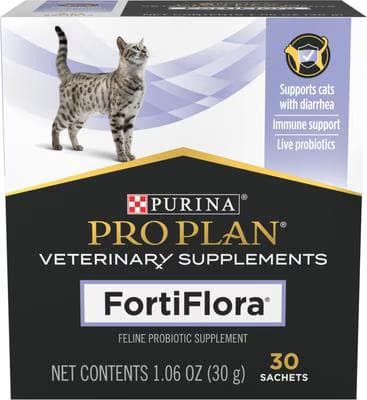
Product effects and directions are product-specific. Ask your veterinarian whether this supplement fits your cat's diagnosis, diet, medications, and treatment plan.
Webvet may earn a commission when you click through to Chewy, at no extra cost to you.
Can cats have dairy at all?
Lactase activity can decline after weaning, but individual tolerance and the amount consumed vary. Milk, cream, yogurt, cheese, and dressing also differ in lactose, fat, sodium, and calories, so they should not be treated as interchangeable exposures.
Plain unsweetened yogurt and hard cheese are different foods with different lactose, fat, sodium, and calorie profiles. Neither is required in a complete feline diet; any optional taste must fit the individual cat's calorie and medical plan.
Better options when your cat wants what you have
A homemade herb-and-yogurt dip without onion or garlic may remove one concern, but it remains an optional calorie-containing food. Review every ingredient and avoid adding it to a therapeutic or elimination diet without veterinary approval.
Keep all noncomplete extras within the cat's individualized calorie and nutrition plan. The appropriate allowance depends on the complete diet, body condition, life stage, health, and every other treat or topper. Include the surrounding food and container in the assessment. A cat reaching ranch may also eat chicken bones, wing sauce, pizza toppings, chips, raw vegetables, foil, a plastic cup, or a bottle seal. Photograph the scene and save packaging. Repeated vomiting, marked lethargy, weakness, pale or yellow gums, rapid breathing, dark urine, tremors, collapse, or suspected package ingestion warrants veterinary attention. Allium-related anemia can be delayed, so a clinician may recommend a monitoring period even when the cat initially appears normal. Preserve regular meals and avoid dog-oriented emetics or household antidotes.

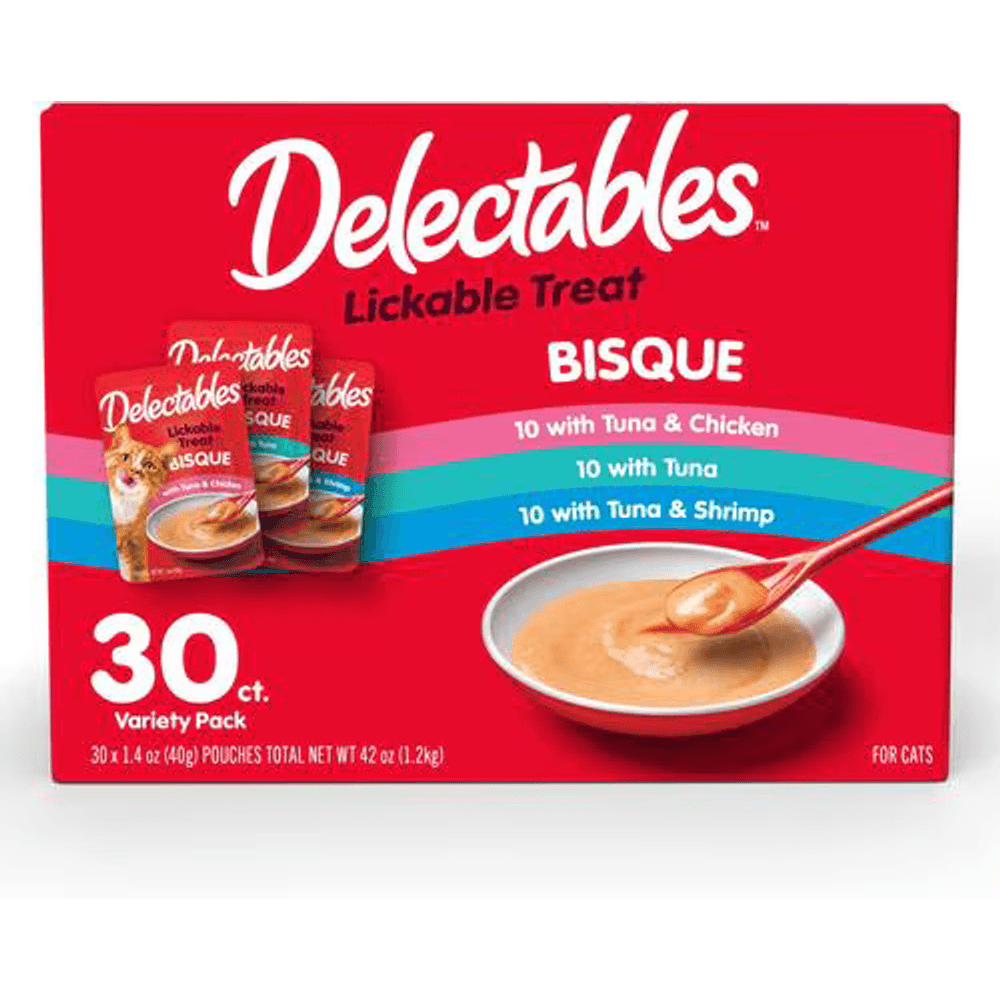
This is an optional cat treat. Review its current label, ingredients, calories, and feeding directions, and count it within the total daily extras.
Webvet may earn a commission when you click through to Chewy, at no extra cost to you.
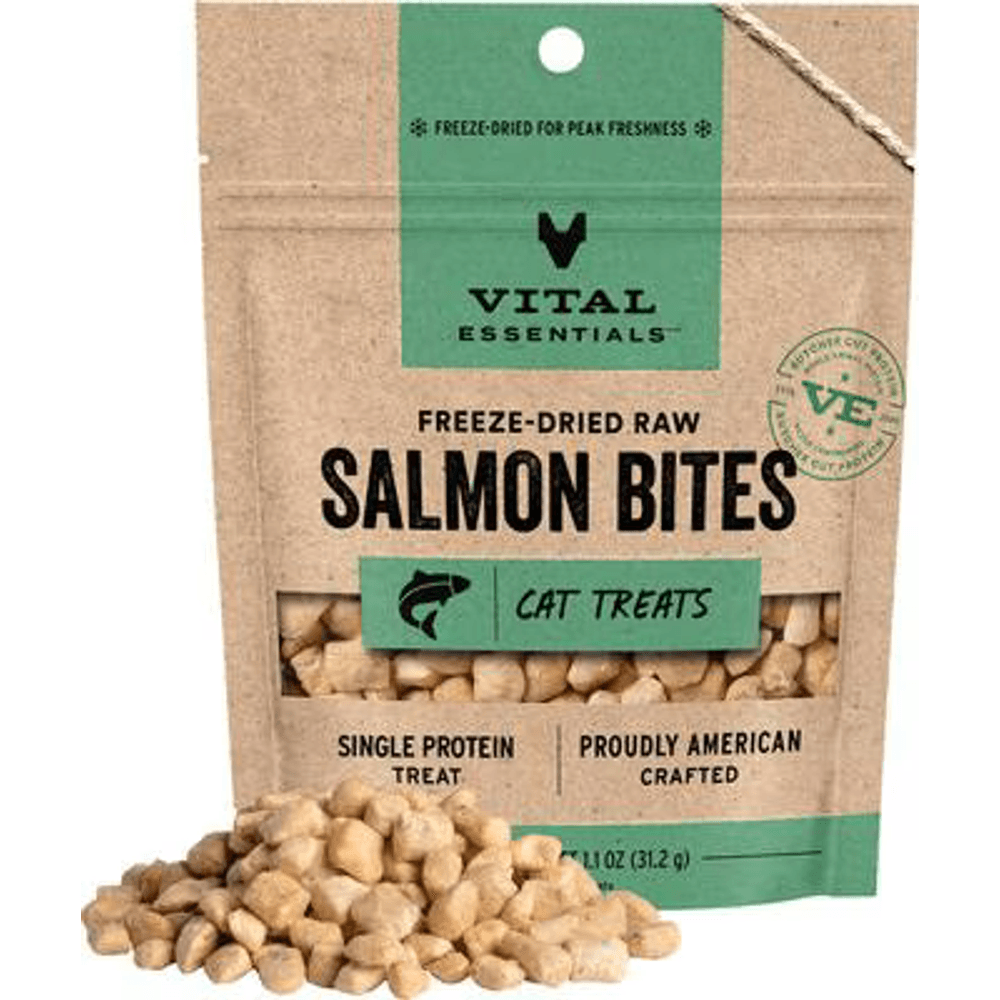
This is an optional cat treat. Review its current label, ingredients, calories, and feeding directions, and count it within the total daily extras.
Webvet may earn a commission when you click through to Chewy, at no extra cost to you.
Preventing another ranch exposure
Cover shared dishes when stepping away, clear plates promptly, and store dressing, seasoning packets, cups, lids, and wrappers in closed cabinets or secured trash. Counter height alone does not prevent access.
A predictable feeding routine and prompt cleanup can reduce access opportunities. Keep the cat's regular complete food separate from the human meal rather than using ranch or ranch-flavored snacks to redirect attention.
A marked change in appetite or food-seeking deserves veterinary discussion because many medical and behavioral causes are possible. Ranch preference alone does not explain a persistent change.
Frequently Asked Questions
Is ranch dressing safe for cats?
Ranch is not recommended for routine feeding. Exposure risk depends on the exact recipe, amount, cat, history, packaging, and signs.
What should I do if my cat licks ranch?
Save the label, estimate the maximum amount and time, and contact a veterinarian when alliums are present, the amount is uncertain, the cat is vulnerable, or signs develop.
Can ranch cause serious illness in a cat?
A confirmed allium exposure can be serious, while sodium, fat, dairy, packaging, and other ingredients require their own dose- and patient-specific assessment.
Does every ranch contain onion or garlic?
No. Ranch formulas vary, so use the ingredient list and product details instead of assuming onion or garlic is always present.
Can cats have dairy?
Dairy is not required, and individual tolerance varies. The product's lactose, fat, sodium, calories, amount, and the cat's medical plan all matter.
Is ranch seasoning powder different from dressing?
Dry seasoning can be more concentrated than prepared dressing, but formulas vary. Save the packet and estimate the maximum possible amount.
Safe alternatives
More pantry & other for cats
Sources
- Merck Veterinary Manual: Garlic and Onion Toxicosis
Allium risk depends on the actual ingredient, concentration, amount, species, and patient rather than a food category alone.
- Merck Veterinary Manual: Salt Toxicosis in Animals
Salt toxicosis is dose-dependent and strongly influenced by fresh-water access; sodium's presence alone does not establish poisoning.
- Merck Veterinary Manual: Pancreatitis in Dogs and Cats
Pancreatitis is multifactorial and cannot be predicted or diagnosed from one food exposure alone.
- Cornell Feline Health Center: Feeding Your Cat
Cats need complete feline nutrition; treats should remain limited, and dairy tolerance varies because many adult cats are lactose intolerant.
- AAHA: Nutritional Risk Factors
Noncomplete foods above 10 percent of daily calories can dilute essential nutrients; individual medical and life-stage factors require assessment.
- Merck Veterinary Manual: Gastrointestinal Obstruction in Small Animals
Foreign-body and choking concerns depend on object and patient characteristics; a food texture does not guarantee obstruction.
Reviewed by Dr. Athena Gaffud, DVM
General guidance based on credible veterinary sources; not a diagnosis or a substitute for your veterinarian. If your pet ate something toxic or is unwell, contact your vet or a pet poison line right away.