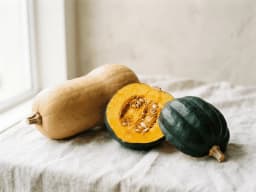
Can cats eat squash?
SafePlain cooked flesh from common culinary squash is generally low risk for cats, but it is optional and not a constipation or hairball remedy.


Medically reviewed by Dr. Athena Gaffud, DVM · Last reviewed
Can Cats Eat Squash?
Plain cooked flesh from common culinary squash, including Cucurbita pepo types, is generally considered low risk for cats. It is optional, and direct feline feeding evidence does not support one dose for constipation, hairballs, diarrhea, or every squash variety.
- 1Plain cooked flesh from common culinary squash is generally low risk.
- 2No feline squash serving or household constipation or hairball treatment dose is established.
- 3Fiber may help selected diagnosed patients but is not universally appropriate.
- 4Skins, seeds, rinds, and varieties require product- and texture-specific assessment.
- 5Review mixed dishes from their actual ingredients and amount.

Treats should stay under 10% of your cat's daily calories. Smalls makes the rest, built around the meat an obligate carnivore actually needs.
- Human-grade ingredients, protein first
- Built for obligate carnivores
- Fresh meals delivered to your door
Webvet may earn a commission when you click through to Smalls, at no extra cost to you.
Can plain culinary squash fit an individual cat's diet?
ASPCA lists acorn squash and similar pumpkin or zucchini plants as non-toxic to dogs and cats. That plant listing does not establish a feline treatment serving, prove every culinary or ornamental variety equivalent, or show a cat needs squash.

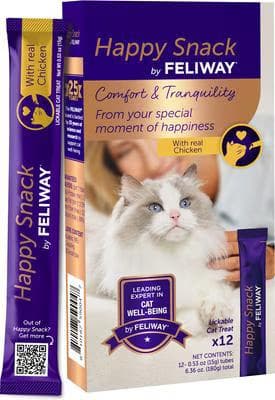
This is an optional cat treat. Review its current label, ingredients, calories, and feeding directions, and count it within the total daily extras.
Webvet may earn a commission when you click through to Chewy, at no extra cost to you.
Obligate carnivory does not mean cats cannot digest or use every plant-derived nutrient. Cats still require complete feline food for their species-specific needs. Squash should not displace that food or be promoted for vitamins, minerals, fiber, or hydration benefits from a taste. Identify the plant as an edible culinary squash before treating the exposure as food. Zucchini, acorn squash, butternut squash, spaghetti squash, ornamental gourds, wild cucurbits, and unknown garden vines are different specimens. An intensely bitter fruit should be removed and saved for identification. Photograph leaves, flowers, stem, fruit, and any label. Outdoor access may also include fertilizer, pesticide, mulch, compost, string, or plastic that needs separate review.
Why no universal feline squash serving exists
No evidence-based feline squash dose, half-teaspoon prescription, or one-to-two-day trial exists. If an exact plain product is approved for a healthy cat, count its calories with all extras and do not force interest.
Kittens need complete growth nutrition, while senior status does not create a squash dose. Cats on calorie restriction, food trials, prescription diets, or disease-management plans should receive no addition without the treating veterinarian.

Preparing an optional plain culinary squash taste
Identify the edible culinary squash, cook the flesh until soft, let it cool, and use a manageable texture. Varieties differ. A tough rind, stem, large seed mass, or hard piece can create a physical concern, but seeds and skins do not automatically obstruct every cat.
Risks to watch for
Fiber is not universally appropriate. It may help selected adequately hydrated patients with a diagnosis, but can be inappropriate with dehydration, impaction, obstruction, or another cause. Persistent constipation, straining, vomiting, anorexia, pain, or lethargy needs veterinary assessment. When a cat is constipated, note the last normal stool, frequency and duration of straining, appetite, vomiting, water intake, urine output, medications, hair ingestion, mobility, and any access to string or foreign material. Straining in the litter box can also be mistaken for urinary obstruction, which is an emergency. Do not assume the problem is hairballs or constipation and keep adding squash. A veterinarian may need examination, imaging, hydration assessment, and a diagnosis before selecting fiber, an osmotic laxative, an enema, or another treatment. Never give a human enema unless a veterinarian specifically provides an appropriate product and instructions; some formulations are dangerous to cats. Do not force-feed squash into a nauseated or resistant cat. Force-feeding can worsen food aversion and creates aspiration risk. If an exact fiber plan is prescribed, ask whether the product must be plain pumpkin, another fiber, or a complete therapeutic food, how much to use, how to measure it, and when to stop. Keep the rest of the diet stable so response can be interpreted. Assess a mixed squash dish from its complete recipe. Soup, casserole, ravioli, bread, pie filling, curry, and roasted vegetables may contain onion, garlic, nutmeg, raisins, dairy, sodium, fat, or sweeteners. Rind, hard stem, skewers, foil, and plastic require their own physical assessment. Repeated vomiting, abdominal pain, distention, pronounced lethargy, tremors, collapse, or refusal of normal food warrants veterinary advice. Persistent constipation, diarrhea, or poor appetite needs diagnosis, hydration assessment, and a feline nutrition plan rather than recurring household squash.

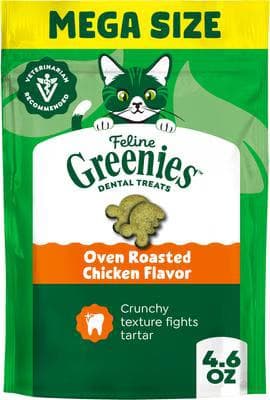
This is a dental cat treat. Follow the current label and ask your veterinarian how it fits alongside tooth brushing and professional dental care.
Webvet may earn a commission when you click through to Chewy, at no extra cost to you.
| Product or situation | Assessment |
|---|---|
| Plain cooked culinary flesh | Generally low risk as an optional extra |
| Raw hard piece | Consider toughness, size, amount, and chewing |
| Skin or rind | Variety and texture determine the physical concern |
| Seeds or stem | Assess amount, size, and symptoms |
| Constipation or hairballs | Get diagnosis-specific veterinary guidance |
| Pie or seasoned dish | Review every ingredient and amount |
Choosing another optional cat treat
Butter, oil, salt, sugar, cinnamon, and nutmeg are not allium toxins. They affect calories, sodium, fat, tolerance, or dose-specific risk according to the recipe. Garlic and onion create a separate toxicologic concern. Remove hard stems, rind scraps, skewers, and compost promptly so a food question does not become a foreign-material exposure.
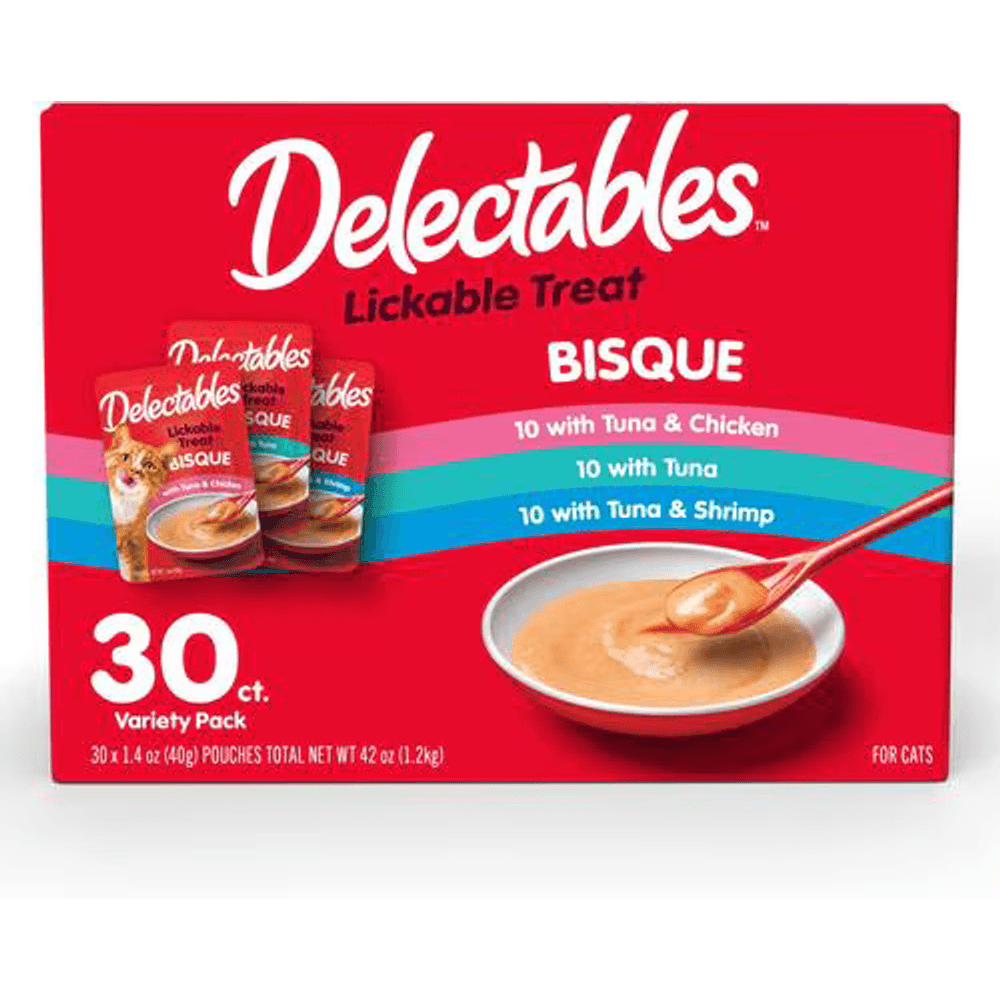
This is an optional cat treat. Review its current label, ingredients, calories, and feeding directions, and count it within the total daily extras.
Webvet may earn a commission when you click through to Chewy, at no extra cost to you.
Nutmeg concern is dose-dependent, not inherent to any squash pie. Review chocolate, xylitol, raisins, alcohol, dairy, alliums, rich filling, packaging, and the total amount in the exact mixed product. For pie, soup, casserole, bread, muffins, drinks, or flavored puree, keep the recipe and package. Canned plain pumpkin and pie filling are not interchangeable. Check alliums, chocolate, xylitol, raisins, alcohol, dairy, fat, sodium, nutmeg, and packaging. If a decorative gourd or unknown garden fruit was eaten, photograph it and the plant for identification. Moldy or fermented squash and compost create separate risks. Do not give milk, oil, butter, or another home remedy to move the bowels. A small plain culinary-squash exposure in an asymptomatic cat can often be observed, but persistent anorexia, vomiting, pain, lethargy, repeated straining, or absent urine needs timely care. Refrigerate cooked squash promptly and discard moldy leftovers. Keep stems, tough rinds, foil, baking twine, and wrappers out of accessible trash. If several cats or pets shared a dish, report the largest plausible amount for each rather than assuming equal portions. During a formal diet trial, squash mixtures may introduce unplanned proteins or flavorings and should be excluded unless the supervising veterinarian approves them. If medication is normally hidden in pumpkin, ask for a compatible alternative rather than stopping the medicine or breaking the diet plan. Hairballs, constipation, and reduced appetite can coexist with dental pain, kidney disease, arthritis, dehydration, medication effects, or intestinal disease. A squash response cannot confirm the cause. Keep a log of stool, urine, appetite, vomiting, and medication, and bring it to the veterinarian. Do not extend a home fiber trial simply because one small stool appears. A cat that refuses squash does not need another preparation or sweetener. If the goal is medication delivery or added water, ask the clinic for options compatible with the complete diet and diagnosis. This is especially important for urinary, renal, diabetic, gastrointestinal, elimination, and weight-management plans.

Frequently asked questions
Can cats eat raw squash?
Plain cooked flesh from an identified culinary squash is generally low risk for cats.
Can cats eat squash seeds and skin?
No evidence-based half-teaspoon serving or one-to-two-day constipation trial exists.
Can cats eat squash every day?
Fiber is not universally appropriate for constipation, impaction, dehydration, or obstruction.
Is squash good for cats with hairballs or constipation?
Obligate carnivory does not mean every plant-derived nutrient is unusable.
Can cats eat butternut or acorn squash?
Review nutmeg, alliums, dairy, sugar, fat, sodium, sweeteners, and packaging in mixed dishes.
More safe treats
More vegetables for cats
Sources
- ASPCA APCC: Acorn Squash
ASPCA lists Cucurbita pepo, including acorn squash and similar pumpkin or zucchini plants, as non-toxic to dogs and cats.
- Merck Veterinary Manual: Constipation, Obstipation, and Megacolon
Fiber may help selected adequately hydrated patients but can be inappropriate with dehydration or impaction; persistent signs need diagnosis.
- ASPCA: When Pumpkin Spice Is Not So Nice
Nutmeg concerns are associated with large exposures, and prepared foods must be assessed from their actual ingredients and amount.
- Cornell Feline Health Center: Feeding Your Cat
Cats require complete feline nutrition, treats should remain limited, and dairy tolerance varies among adult cats.
- Merck Veterinary Manual: Gastrointestinal Obstruction in Small Animals
Foreign-body risk depends on the object, amount, and patient rather than being guaranteed by a shell, hull, skin, seed, or bone.
Reviewed by Dr. Athena Gaffud, DVM
General guidance based on credible veterinary sources; not a diagnosis or a substitute for your veterinarian. If your pet ate something toxic or is unwell, contact your vet or a pet poison line right away.