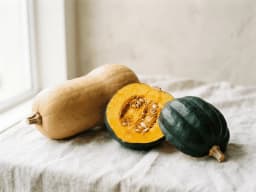
Can dogs eat squash?
SafePlain cooked flesh from common culinary squash is generally low risk for dogs, but it is optional and not a constipation or diarrhea remedy.


Medically reviewed by Dr. Athena Gaffud, DVM · Last reviewed
Can Dogs Eat Squash?
Plain cooked flesh from common culinary squash, including Cucurbita pepo types, is generally considered low risk for dogs. Squash is optional, however, and different species, varieties, skins, seeds, preparations, and mixed recipes should not be treated as identical.
- 1Plain cooked flesh from common culinary squash is generally low risk.
- 2Squash is optional and does not treat diarrhea, constipation, or weight problems by itself.
- 3No dog-weight serving table or household therapeutic dose is established.
- 4Skin, seeds, rind, and stems require variety- and object-specific assessment.
- 5Review mixed dishes from their actual alliums, nutmeg, calories, and other ingredients.

Treats should stay under 10% of your dog's daily calories. JustFoodForDogs makes the rest of it.
- Recipes developed by veterinary nutritionists
- Whole-food ingredients you can recognise
- Fresh meals delivered to your door
Webvet may earn a commission when you click through to JustFoodForDogs, at no extra cost to you.
Is squash safe for dogs?
ASPCA lists acorn squash and similar pumpkin or zucchini plants as non-toxic to dogs and cats. A non-toxic plant listing does not establish a therapeutic serving, prove every variety and preparation, or show that a dog needs squash in a complete diet.

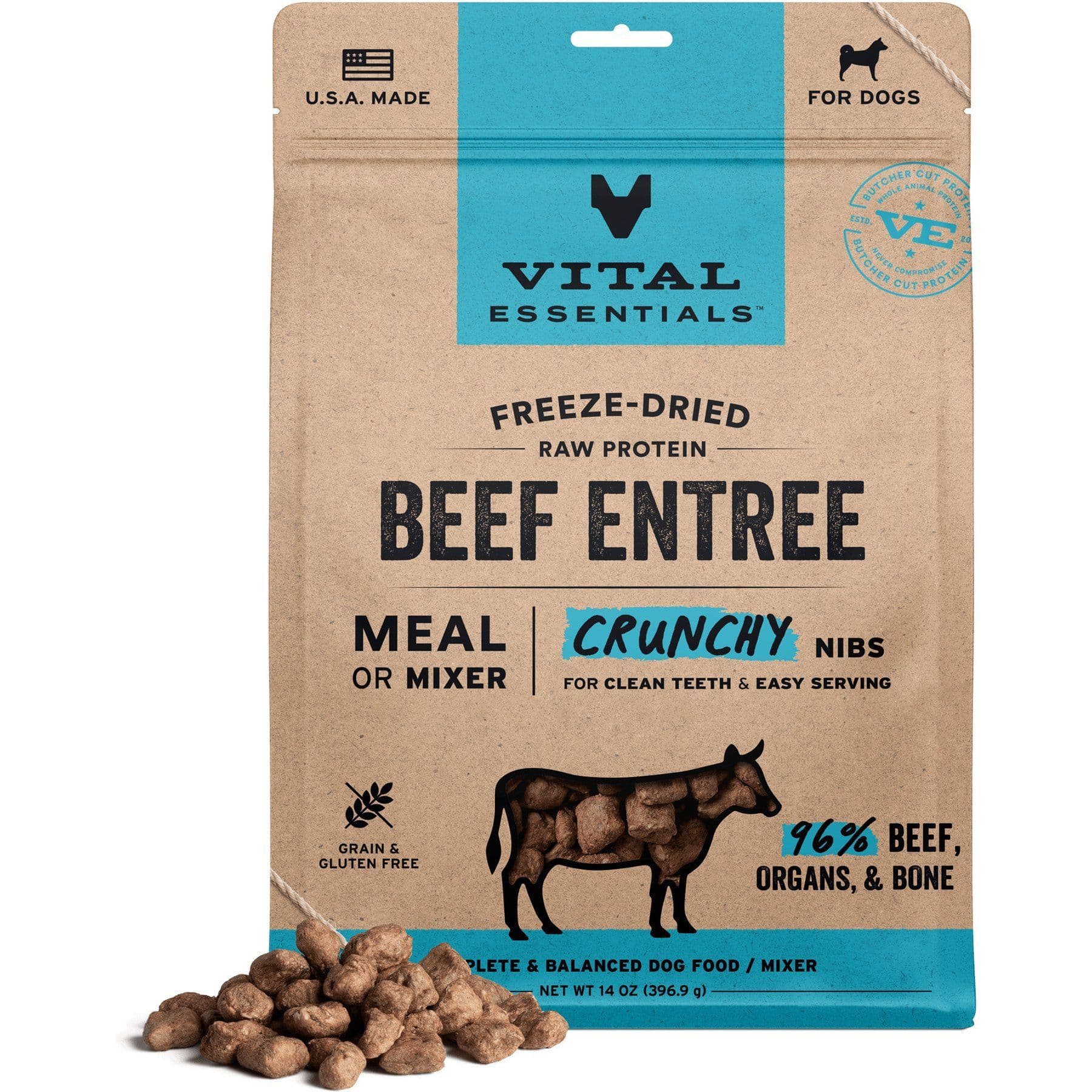
This is an optional dog treat. Review its current label, ingredients, calories, and feeding directions, and count it within the total daily extras.
Webvet may earn a commission when you click through to Chewy, at no extra cost to you.
Use only a correctly identified edible culinary squash in plain cooked form if it fits the dog's plan. Ornamental gourds, spoiled produce, concentrated supplements, raw hard rind, seasoned dishes, and packaging are different exposures.
Which types of squash can dogs eat?
Winter and summer squashes differ in water, starch, texture, skin, seeds, and calorie density. Do not apply one preparation or serving to pumpkin, butternut, acorn, spaghetti squash, and zucchini without considering the exact food.
Some cooked skins and seeds may be edible, while a tough rind, large piece, stem, or large quantity can create a physical concern. Choking or obstruction is not automatic; risk depends on variety, toughness, piece size, amount, and the dog. Confirm that the plant is an edible culinary squash. Zucchini, acorn squash, butternut squash, spaghetti squash, ornamental gourds, wild cucurbits, and an unidentified garden vine should not be assumed equivalent. An unusually bitter taste is a reason to stop access and save the specimen for identification. Garden exposure may also involve fertilizer, pesticide, mulch, compost, leaves, stems, flowers, or plastic labels. Photograph the whole plant and fruit and report the maximum amount missing, especially when the variety is unknown.

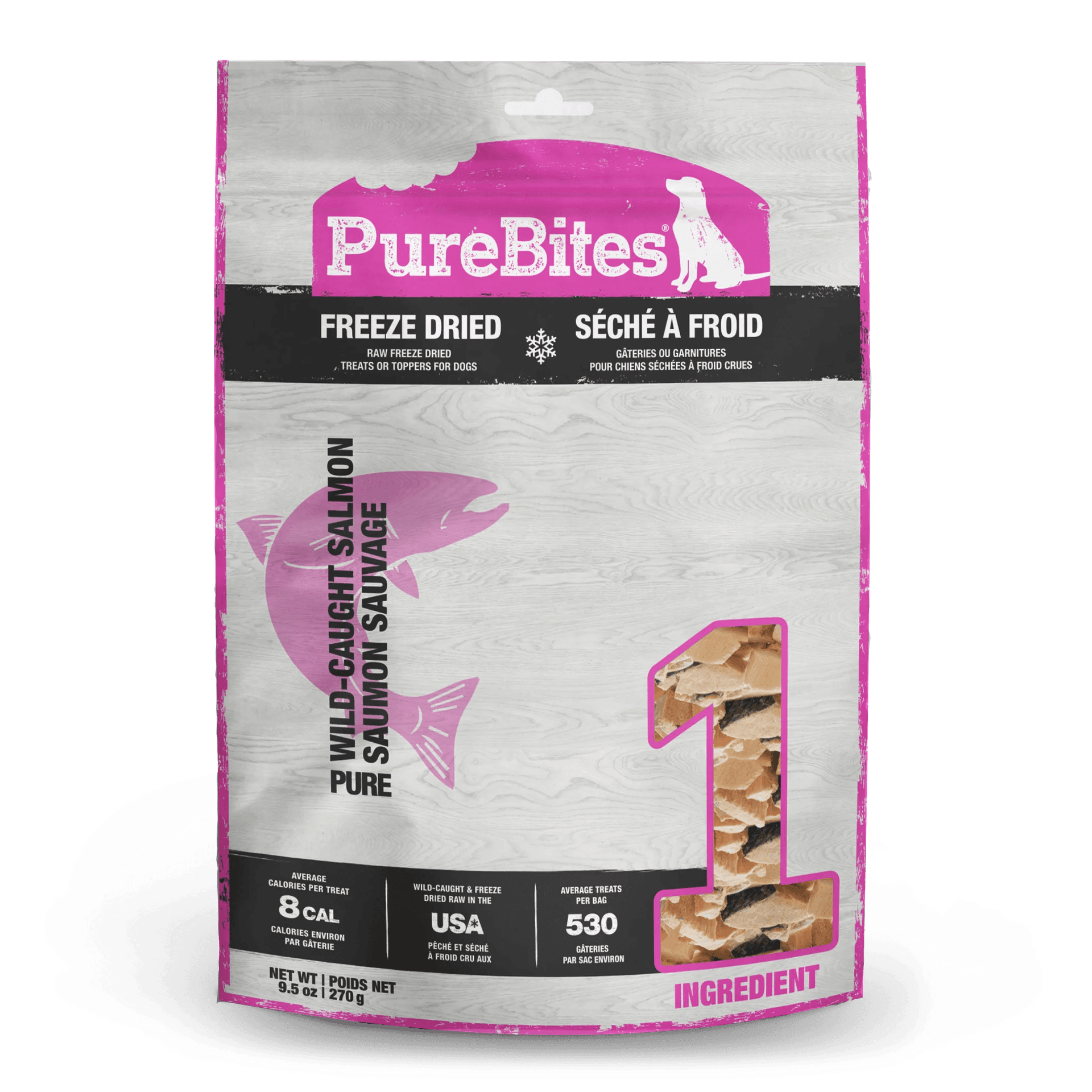
This is an optional dog treat. Review its current label, ingredients, calories, and feeding directions, and count it within the total daily extras.
Webvet may earn a commission when you click through to Chewy, at no extra cost to you.
What squash contains and what that does not prove
Squash contains water, fiber, vitamins, minerals, plant compounds, and calories. Composition does not prove that a treat portion improves vision, immunity, muscle function, fullness, weight loss, diarrhea, constipation, or digestion in a dog eating complete food.
Fiber is not universally appropriate. It may help selected diagnosed and adequately hydrated patients, but can be unhelpful or inappropriate with dehydration, impaction, obstruction, or another cause of signs. Persistent vomiting, diarrhea, constipation, pain, or poor appetite needs diagnosis.
Why no universal squash serving exists
No evidence-based squash serving exists by dog weight. If a plain optional portion is approved, use the exact product calories within all daily treats and toppers. Do not convert a toxicology answer into a teaspoon or tablespoon treatment plan.

Puppies need complete growth food; seniors and dogs with diabetes, kidney disease, pancreatitis, obesity, or gastrointestinal disease need individual plans. Those labels do not create one universal squash ban or dose.
| Situation | How to assess it |
|---|---|
| Plain cooked culinary flesh | Optional; use exact calories and tolerance |
| Hard rind, stem, large seed mass | Assess toughness, size, amount, and symptoms |
| Constipation or diarrhea | Seek diagnosis-specific guidance, not a serving table |
| Pie or mixed dish | Review every ingredient and amount |
How to prepare and serve squash
Cook an identified culinary squash until it is easy for the dog to chew, let it cool, and serve it plain. Remove a hard rind, stem, or large tough pieces when they create a physical concern for the individual dog.
Butter, oil, salt, sugar, and ordinary culinary spices are not equivalent to onion or garlic. They change calories, sodium, fat, and tolerance according to amount. Nutmeg concern is dose-dependent and should be assessed from the actual recipe and quantity, not assumed in every pie filling.

Risks and what to watch for
Mixed squash dishes require the full recipe. Check for onion, garlic, chives, raisins, chocolate, xylitol, alcohol, excessive nutmeg, rich sauces, and packaging. Do not treat every seasoning as the same poison. For a pie, soup, casserole, ravioli, bread, muffin, drink, or seasoned puree, save the recipe and package. Identify sweeteners, chocolate, raisins, alcohol, alliums, nutmeg, dairy, fat, sodium, and nonfood material. Canned plain pumpkin and canned pumpkin pie filling are not the same product. If a dog ate a decorative gourd or unknown garden fruit, photograph it and the plant before discarding anything because identification matters. Moldy squash, compost, and fermented material create separate concerns from fresh culinary flesh. If gastrointestinal signs are already present, record frequency, duration, appetite, water intake, stool appearance, possible foreign-body access, medications, and diet changes. Do not repeatedly increase squash because stool has not changed. A clinician may need to assess dehydration, parasites, infection, inflammation, obstruction, pain, or another cause. Dogs that strain without producing stool, repeatedly vomit, develop a swollen abdomen, or become weak should not be managed with more fiber. When a veterinarian recommends fiber, ask for the exact product, amount, hydration plan, duration, and stopping rule rather than substituting whichever squash is available. Refrigerate cooked squash promptly and discard moldy leftovers. Do not leave stems, tough rinds, skewers, foil, or baking twine in accessible trash. If several dogs shared a dish, report the maximum each could have eaten rather than averaging the missing amount.
Seek care for repeated vomiting, marked lethargy, abdominal pain, distention, inability to keep water down, unproductive straining, blood, neurologic signs, or a suspected foreign object. These signs need evaluation regardless of whether squash was offered. Prepared squash dishes can add more relevant hazards than the plain flesh. Soup, casserole, ravioli, bread, pie filling, curry, roasted mixtures, and leftovers may contain onion, garlic, nutmeg, raisins, xylitol, dairy, sodium, fat, skewers, foil, or plastic. Large rind pieces and hard stems should be assessed by size, chewing, and symptoms rather than assumed to pass or obstruct. Repeated vomiting, abdominal pain, distention, weakness, tremors, collapse, or suspected packaging ingestion warrants prompt advice. Ongoing constipation or diarrhea deserves diagnosis instead of repeated squash additions.
Choosing another optional dog treat
No alternative vegetable is automatically a better digestive treatment. For a healthy dog that needs a reward, a measured portion of regular complete food is easy to track. For gastrointestinal signs, use the veterinarian's diagnosis-specific feeding plan. If squash is being considered for medication delivery or stool concerns, ask which product fits the dog's diagnosis and complete diet. Repeated changes among pumpkin, zucchini, and other fiber sources can blur whether signs are improving, recurring, or worsening. Record the exact preparation and response for the veterinarian.
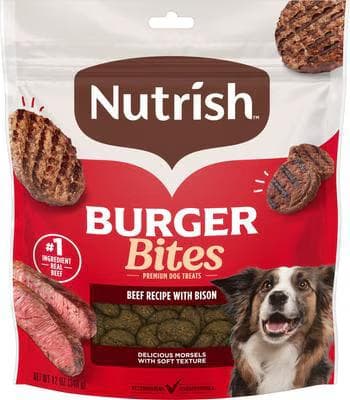
This is an optional dog treat. Review its current label, ingredients, calories, and feeding directions, and count it within the total daily extras.
Webvet may earn a commission when you click through to Chewy, at no extra cost to you.
Frequently asked questions
Can dogs eat squash raw or cooked?
Plain cooked flesh from an identified culinary squash is generally low risk as an optional extra.
Is squash a laxative for dogs?
Squash has not been proved to treat every case of diarrhea, constipation, or weight gain.
Can dogs eat squash seeds and skin?
No evidence-based teaspoon, tablespoon, or body-weight serving exists.
Can dogs eat squash every day?
Nutmeg risk depends on dose; review the actual pie or mixed-dish recipe and amount.

More safe treats
More vegetables for dogs
Sources
- ASPCA APCC: Acorn Squash
ASPCA lists Cucurbita pepo, including acorn squash and similar pumpkin or zucchini plants, as non-toxic to dogs and cats.
- Merck Veterinary Manual: Constipation, Obstipation, and Megacolon
Fiber may help selected adequately hydrated patients but can be inappropriate with dehydration or impaction; persistent signs need diagnosis.
- ASPCA: When Pumpkin Spice Is Not So Nice
Nutmeg concerns are associated with large exposures, and prepared foods must be assessed from their actual ingredients and amount.
- Merck Veterinary Manual: Nutritional Requirements of Small Animals
Complete diets control nutrient intake; limited-ingredient home mixtures can be inadequate, and processed plant ingredients can be digested and used.
- Merck Veterinary Manual: Gastrointestinal Obstruction in Small Animals
Foreign-body risk depends on the object, amount, and patient rather than being guaranteed by a shell, hull, skin, seed, or bone.
Reviewed by Dr. Athena Gaffud, DVM
General guidance based on credible veterinary sources; not a diagnosis or a substitute for your veterinarian. If your pet ate something toxic or is unwell, contact your vet or a pet poison line right away.