
Can cats eat beets?
Safe in moderationPlain beet root is not a recognized cat toxin. It is optional, and any red urine or urinary signs need veterinary assessment.


Medically reviewed by Dr. Athena Gaffud, DVM · Last reviewed
Can Cats Eat Beets?
Plain beet root is not a recognized feline toxin. It is optional in a complete diet, and there is no universal spoon amount. Urinary and kidney guidance must be based on the cat's diagnosis, stone type, and therapeutic diet, while any red urine should be treated as possible hematuria until assessed.
- 1Plain beet root is not a recognized feline toxin.
- 2Cats can digest and absorb some plant-derived nutrients despite their obligate-carnivore requirements.
- 3Stone type and therapeutic diet determine whether beet is appropriate; there is no blanket urinary or kidney prohibition.
- 4Red urine can be hematuria and must not be dismissed as mere beet pigment.
- 5There is no universal spoon, kitten, diabetes, raw-beet, or beet-greens rule without direct evidence.

Treats should stay under 10% of your cat's daily calories. Smalls makes the rest, built around the meat an obligate carnivore actually needs.
- Human-grade ingredients, protein first
- Built for obligate carnivores
- Fresh meals delivered to your door
Webvet may earn a commission when you click through to Smalls, at no extra cost to you.
So, Can Cats Eat Beets?
Plain beet root is not poisonous to cats. A beet taste does not prevent anemia or provide a proven circulation, liver, or detox effect. Cats with chronic disease need nutrients and minerals managed through the complete diet, not through the color or nutrient list of one vegetable. Include beet treats when reporting the full diet to the veterinary team. Cats require specific animal-derived nutrients, but they can digest and absorb some plant-derived nutrients. Beet is unnecessary in a complete feline diet; that is different from claiming cats receive no energy or nutrients from plant material. Digestibility, essential nutrient source, and proven clinical benefit are separate questions. A complete feline food may use appropriately processed ingredients from several sources while still meeting feline requirements. Beet should not be added to correct a deficiency unless a veterinary nutrition plan specifically calls for it.


This is an optional cat treat. Review its current label, ingredients, calories, and feeding directions, and count it within the total daily extras.
Webvet may earn a commission when you click through to Chewy, at no extra cost to you.
Beets contain carbohydrate, fiber, folate, manganese, potassium, vitamin C, and plant pigments. Those composition facts do not establish a clinical benefit from a small taste, and they do not justify saying plant foods simply pass through without use. Cats synthesize some nutrients differently from people and obtain required nutrients through the complete diet, so a human food composition table cannot show that beet improves immunity, digestion, blood health, or urinary function in a cat.
How Much Beet Can a Cat Eat?
There is no evidence-based spoon amount for every cat. Beet pigment can complicate an owner's description of stool or urine color, but color should not be used to diagnose the cause at home. Straining, frequent trips to the litter box, little or no urine, vocalizing, weakness, vomiting, or pain require prompt veterinary attention regardless of a recent food exposure. Cats with a urinary condition or prescribed mineral profile should not receive beet additions unless the treating team approves them. If beet is approved, calculate the amount from the exact product's calories and the individual cat's diet. Kittens, cats with diabetes, and cats on therapeutic diets need veterinarian-specific advice rather than blanket exclusions. Count all treats, toppers, and foods used for medication together. Body weight alone does not determine the daily energy requirement, and a canned, pickled, powdered, or homemade product can have a different calorie and ingredient profile from plain root.
| Cat or product | Evidence-based guidance |
|---|---|
| Healthy adult | Use an individual calorie plan; no universal spoon count |
| Urinary or kidney diagnosis | Follow stone type and therapeutic diet |
| Diabetes or obesity | Use treating-veterinarian guidance |
| Kitten | Keep growth diet complete; ask before extras |
| Canned or pickled | Read the exact recipe and amount |
How to Safely Prepare Beets for a Cat
Use a form whose ingredients and texture can be assessed. Plain cooked beet, raw grated beet, canned beet, pickled beet, beet powder, and a mixed salad have different textures and ingredients. Pickled and canned products may add salt, sugar, vinegar, or seasoning, while salads can contain onion, garlic, cheese, nuts, or dressings. Keep the label or recipe and describe the exact form instead of reporting only that the cat ate beets. Plain cooked beet is easier to evaluate than a mixed dish, but raw beet and beet greens are not automatically toxic. Onion and garlic are hazardous when actually present; read the label rather than assuming every canned or pickled product contains them.

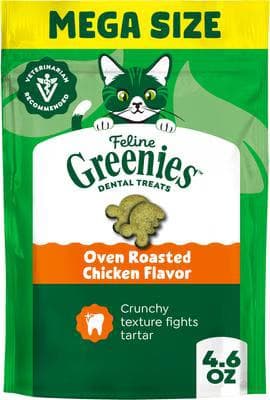
This is a dental cat treat. Follow the current label and ask your veterinarian how it fits alongside tooth brushing and professional dental care.
Webvet may earn a commission when you click through to Chewy, at no extra cost to you.
Risks of Feeding Beets to Cats
A large amount of a new food may cause gastrointestinal upset or add calories. Available evidence does not support a universal beet-to-diabetes claim or a blanket oxalate warning for every feline urinary or kidney condition.
What About Beet Greens, Juice, and Pickled Beets?
Beet greens, raw root, juice, powder, and pickled products are different exposures. Their texture, concentration, calories, sodium, and ingredients vary. Do not call every form unsafe without direct evidence; identify the actual product and use patient-specific advice.
Will Beets Turn My Cat's Pee or Poop Red?
Red urine can be hematuria and should never be dismissed as mere beet pigment. A cat with red urine, straining, frequent litter-box trips, vocalizing, pain, or inability to pass urine needs prompt veterinary assessment; urethral obstruction is an emergency.

Better Treats for Cats
A plain animal-protein treat may suit some cats, but any extra contributes calories and may conflict with a therapeutic diet. Choose a veterinarian-approved option and keep complete feline food as the nutritional foundation.
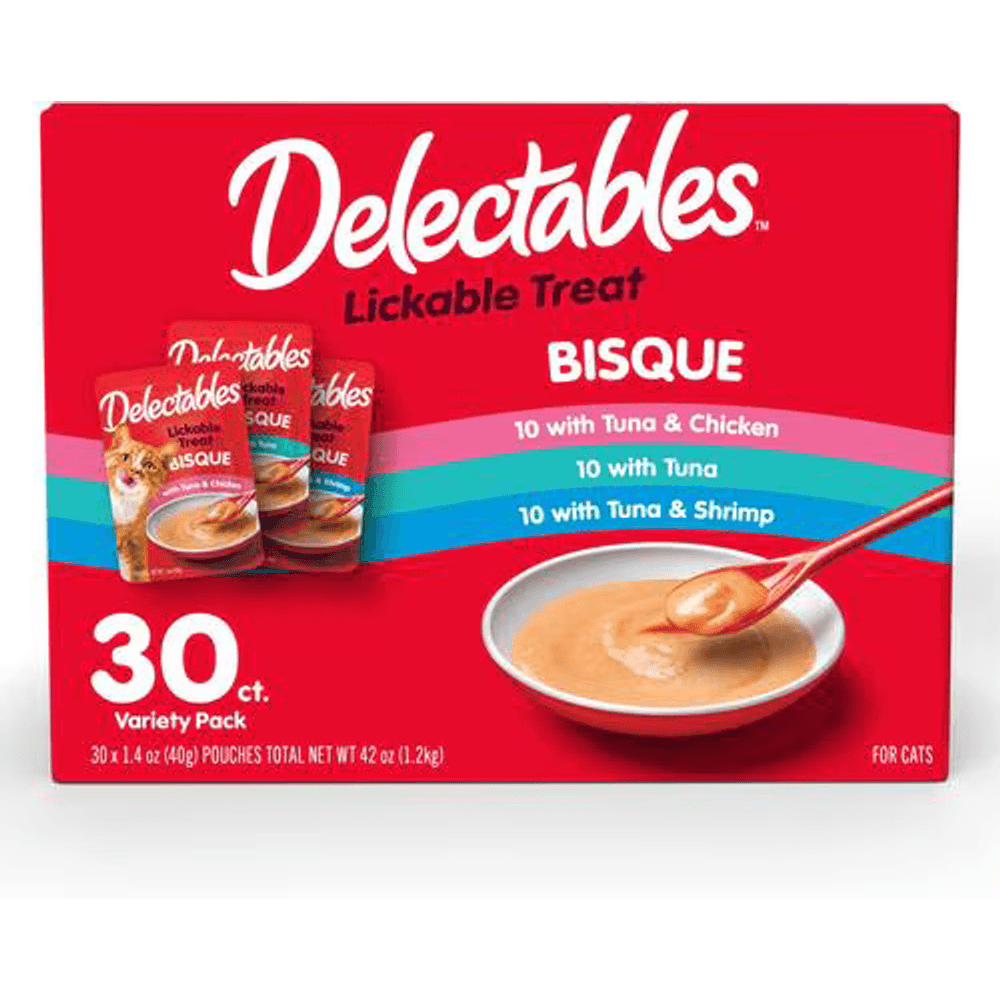
This is an optional cat treat. Review its current label, ingredients, calories, and feeding directions, and count it within the total daily extras.
Webvet may earn a commission when you click through to Chewy, at no extra cost to you.
Other vegetables are also optional and should not be called automatically lower-risk or more useful. Any treat should be chosen by its exact form, calories, ingredients, and the individual cat's medical plan.
Frequently Asked Questions
Are beets bad for cats?
Plain beet root is not a recognized cat toxin. It is optional, and a large amount may cause gastrointestinal upset or add calories. Medical diets require case-specific advice.
Which vegetables should cats never eat?
Onion, garlic, chives, and leeks can cause oxidative red-cell injury. Other vegetables vary, so identify the exact plant and preparation instead of treating all vegetables as one category.
Can cats eat beet greens or raw beets?
Raw beet and beet greens are not established feline toxins, but texture, amount, oxalate content, and the cat's diet may matter. Ask the veterinarian before adding them to a therapeutic plan.
My cat licked pickled beet juice. What should I do?
Pickled beet recipes vary in sodium, vinegar, sugar, onion, garlic, and other ingredients. Keep the label, estimate the amount, and call for a substantial exposure or symptoms.
Why is my cat's pee red after eating beet?
Red urine can be blood and must not be assumed to be only pigment because beet was eaten. Contact a veterinarian promptly, especially with straining, frequent attempts, pain, or inability to urinate.

Plain beet root is non-toxic and unnecessary. If a veterinarian approves it, use an individually calculated amount and exact product information. Urinary and kidney advice must follow the cat's diagnosis, and red urine always deserves assessment when the cause is uncertain.
More safe treats
More vegetables for cats
Sources
- Merck Veterinary Manual: Overview of Nutrition in Small Animals
Supports complete and balanced feeding and patient-specific nutrition; it does not establish clinical benefit from a treat portion.
- Merck Veterinary Manual: Nutritional Requirements of Small Animals
Supports species-specific nutrient requirements and the distinction between digestibility and nutritional necessity.
- Merck Veterinary Manual: Overview of Urolithiasis in Small Animals
Supports stone-specific dietary management and identifies red urine as possible hematuria rather than a symptom to dismiss.
- Merck Veterinary Manual: Garlic and Onion Toxicosis in Animals
Supports oxidative red-cell injury, Heinz-body formation, methemoglobinemia, and hemolytic anemia as the primary Allium syndrome.
Reviewed by Dr. Athena Gaffud, DVM
General guidance based on credible veterinary sources; not a diagnosis or a substitute for your veterinarian. If your pet ate something toxic or is unwell, contact your vet or a pet poison line right away.