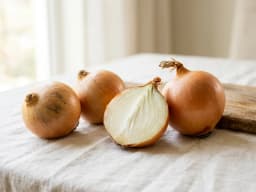
Can cats eat onions?
Toxic: do not feedDo not give cats onion in any form. Cats are especially susceptible to red-blood-cell injury, so call a veterinarian promptly after exposure.


Medically reviewed by Dr. Athena Gaffud, DVM · Last reviewed
Can Cats Eat Onions?
No, cats should never eat onions. Onions are toxic to cats in every form, whether raw, cooked, fried, dehydrated, or powdered, and cats are even more sensitive to allium poisoning than dogs are. The sulfur compounds in onions attack a cat's red blood cells and can cause a life-threatening anemia, so there is no safe amount and no cat-friendly way to serve them. Because onion so often hides inside human foods like baby food, broth, gravy, and seasoning blends, the real danger to most cats is a stolen bite of a cooked dish rather than a raw onion itself.
- 1Onions are toxic to cats in every form: raw, cooked, dried, or powdered.
- 2Cats are more sensitive to allium poisoning than dogs, so even small amounts matter.
- 3Onion damages red blood cells and can cause hemolytic anemia, which is often delayed several days.
- 4Onion powder hidden in baby food, broth, and gravy is the most common accidental source.
- 5If your cat eats any onion, call your vet or a pet poison line right away.

Treats should stay under 10% of your cat's daily calories. Smalls makes the rest, built around the meat an obligate carnivore actually needs.
- Human-grade ingredients, protein first
- Built for obligate carnivores
- Fresh meals delivered to your door
Webvet may earn a commission when you click through to Smalls, at no extra cost to you.
Why are onions toxic to cats?
Onions and other Allium plants expose cats to sulfur-containing oxidants that can damage red blood cells and cause hemolytic anemia. Raw, cooked, dehydrated, granulated, and powdered forms have all been associated with toxicosis, and concentrated forms can deliver more onion by weight. Cooking does not make onion safe, but equal danger cannot be claimed without comparing the actual dose and preparation.

Cats are more sensitive than dogs
Cats are the most susceptible domestic species described in the Merck Allium monograph because feline red blood cells are especially vulnerable to oxidative injury. Body weight is part of dose assessment, but it should not be used to invent a threshold. Grooming can also turn residue on fur into an oral exposure.
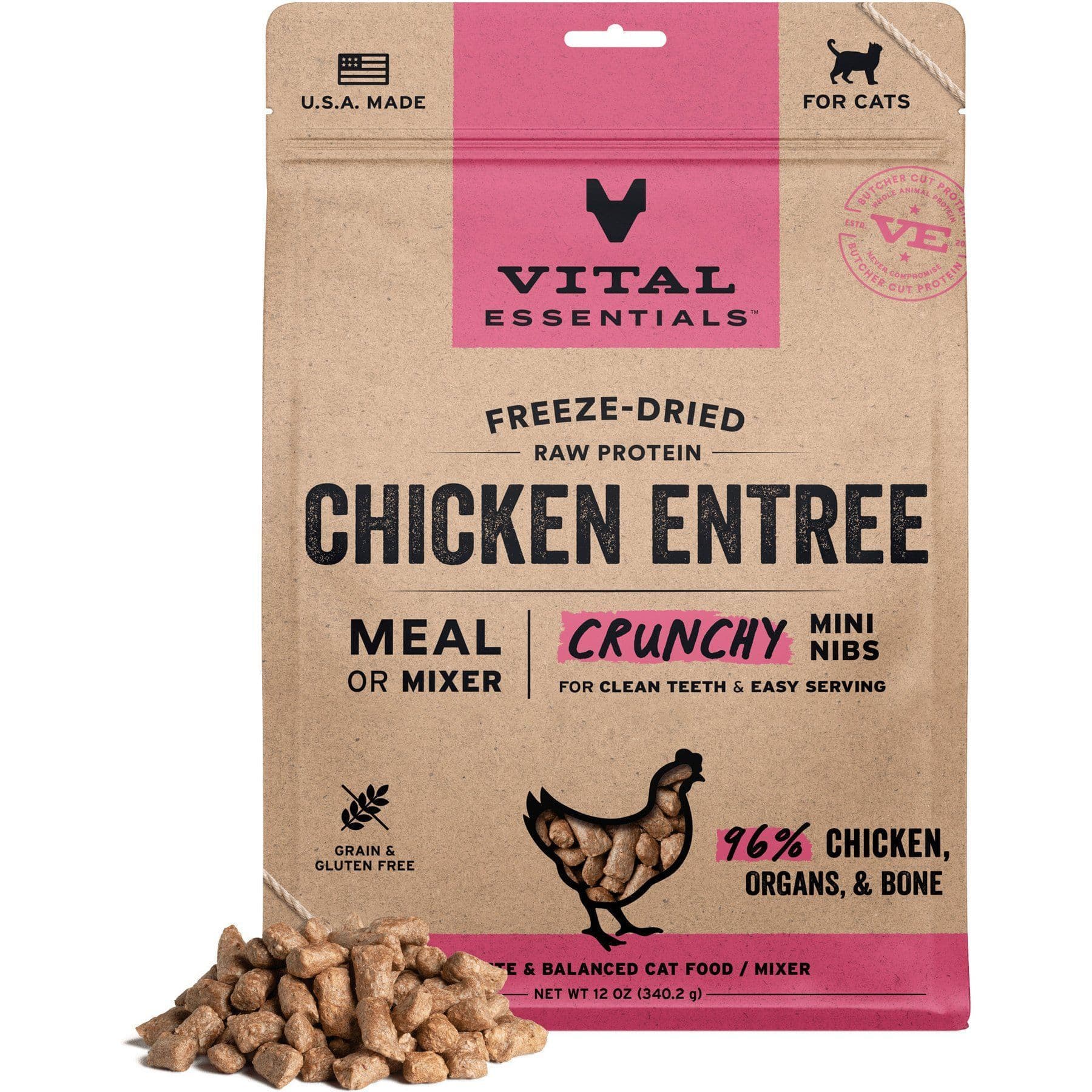
This is an optional cat treat. Review its current label, ingredients, calories, and feeding directions, and count it within the total daily extras.
Webvet may earn a commission when you click through to Chewy, at no extra cost to you.
Every form of onion is dangerous
Raw, cooked, dehydrated, and powdered onion should not be fed to cats. Ingredient review matters because onion can appear as powder, flakes, stock, gravy, soup base, seasoning blends, baby foods, sauces, and prepared meat. Compare the package label with the amount actually eaten instead of estimating risk from the food's flavor. If residue is on the coat, prevent grooming and ask the veterinary team how to remove it. Record each possible exposure when a cat may have sampled leftovers on several days, because the complete exposure history affects triage. A cat that looks normal immediately after ingestion may still develop delayed red-cell injury, so contact a veterinarian rather than waiting for visible anemia. Do not give food, milk, salt, oil, or another home remedy to dilute the exposure unless the clinician specifically directs it. Dehydrated and powdered products are concentrated, so product form and actual weight matter. Garlic is described by Merck as approximately 3 to 5 times more toxic than onion, but that comparison is not an owner dosing tool.

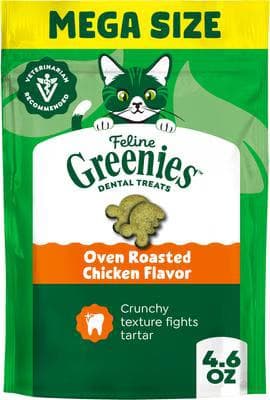
This is a dental cat treat. Follow the current label and ask your veterinarian how it fits alongside tooth brushing and professional dental care.
Webvet may earn a commission when you click through to Chewy, at no extra cost to you.
How much onion is toxic to a cat?
Do not deliberately feed onion. Merck reports feline toxicosis after less than one teaspoon of cooked onion or 5 grams per kilogram of raw onion. These are reported exposures, not safe-dose cutoffs, and should not be converted into an undefined bite or home permission threshold. Repeated exposures can add to risk, so call with the exact form, amount, timing, and body weight.
Symptoms of onion poisoning in cats
Oxidative red-blood-cell changes can begin within 24 hours and peak near 72 hours, while hemolysis typically occurs 3 to 5 days after exposure. Possible signs include appetite loss, lethargy, vomiting, diarrhea, pale or yellow gums, weakness, rapid breathing, increased heart rate, and red-brown urine. Call after a known exposure rather than waiting for delayed anemia.

What to do if your cat eats onion
Do not induce vomiting at home. Note the exact food, form, amount, and time, then call a veterinarian or animal poison service. Examination, decontamination, serial blood tests, fluids, oxygen, and transfusion depend on the case. Activated charcoal may be considered, but Merck says its ability to adsorb or prevent production of Allium-derived sulfides is unknown.
Safe treats to give your cat instead
Onion should never be used as a cat treat. If the veterinary team approves an optional food, possible choices include a little plain cooked chicken, a small amount of plain cooked egg, and a bite of plain cooked fish, all served without onion, garlic, salt, oil, or sauce. A spoonful of plain meat baby food with no onion powder in the ingredient list also works as an occasional lick. Keep treats to no more than about ten percent of your cat's daily calories, and make a complete, balanced cat food the foundation of every meal. When you cook for yourself, keep onion, garlic, and seasoned leftovers well out of paw's reach.

This is an optional cat treat. Review its current label, ingredients, calories, and feeding directions, and count it within the total daily extras.
Webvet may earn a commission when you click through to Chewy, at no extra cost to you.
Frequently Asked Questions
What happens if a cat eats a little onion?
Cats are especially susceptible to Allium toxicosis, but an undefined bite is not a valid threshold. Merck reports toxicosis after less than one teaspoon of cooked onion or 5 grams per kilogram of raw onion. Call with the actual product and amount rather than assuming a lick or bite proves injury or safety.
How fast is onion poisoning in cats?
Onion poisoning is usually slow to show. Mild stomach upset can appear within a day, but the more serious anemia often develops over one to several days as red blood cells are destroyed. This delay is exactly why you should not wait for symptoms before seeking help.
What are the most toxic foods for cats?
Established feline hazards include Allium plants, chocolate, alcohol, caffeine, raw yeast dough, and lilies. Grapes and raisins warrant precautionary avoidance because feline kidney-injury reports are anecdotal and true risk is unknown. Merck describes cats as resistant to dog-like xylitol hypoglycemia and liver injury, and a controlled six-cat study found no such effects at the tested doses; the small evidence base does not establish unlimited safety.
Can cats recover from onion poisoning?
Outcome depends on the onion dose, product, timing, red-cell injury, clinical signs, and response to treatment. Prompt veterinary assessment is important, but no wording can guarantee a full recovery for an individual cat.
Is onion powder worse than raw onion for cats?
Onion powder is concentrated, so a small measured weight can represent more onion than the same weight or volume of a dilute food. Do not use an undefined pinch as a toxic threshold. Check the ingredient list and report the product, amount, and body weight for assessment.

Safe alternatives
More vegetables for cats
Sources
- Merck Veterinary Manual: Garlic and Onion Toxicosis in Animals
Supports feline susceptibility, reports toxicosis after less than one teaspoon cooked onion or 5 g/kg raw onion, describes the delayed course, and notes uncertain charcoal benefit.
- ASPCA: People Foods to Avoid Feeding Your Pets
Supports keeping onion and other Allium foods away from cats.
- VCA: Grape, Raisin, and Currant Poisoning in Dogs
Its other-animals section supports describing feline grape and raisin renal risk as anecdotal and unconfirmed rather than established.
- Merck Veterinary Manual: Xylitol Toxicosis in Dogs
Summarizes limited evidence that cats appear resistant to dog-like xylitol hypoglycemia and liver injury; feline data remain sparse.
- Journal of Veterinary Pharmacology and Therapeutics: Xylitol in Six Cats
A controlled study of six healthy cats found no hypoglycemia or hepatotoxicity at the tested xylitol doses, while the small study cannot establish unlimited safety.
Reviewed by Dr. Athena Gaffud, DVM
General guidance based on credible veterinary sources; not a diagnosis or a substitute for your veterinarian. If your pet ate something toxic or is unwell, contact your vet or a pet poison line right away.