How to Get a Dog to Drink More Water: Vet-Approved Hydration Tips
Learning how to get a dog to drink more water starts with triage. A comfortable dog who dislikes a stale bowl needs a different response from a weak dog who is vomiting or cannot keep water down.

BVMS MRCVS
Medically reviewed by Dr. Pippa Elliott, BVMS MRCVS · Last reviewed

This article contains affiliate links. Webvet may earn a commission when you buy through them, at no extra cost to you.
This article is sponsored by The Honest Kitchen. WebVet maintains editorial control and the guidance has been reviewed by veterinarian Dr. Pippa Elliott, BVMS MRCVS.
Learning how to get a dog to drink more water starts with triage. A comfortable dog who dislikes a stale bowl needs a different response from a weak dog who is vomiting, cannot keep water down, has tacky gums, collapses, or suddenly stops drinking. Urgent or persistent signs require veterinary care, not forced water.
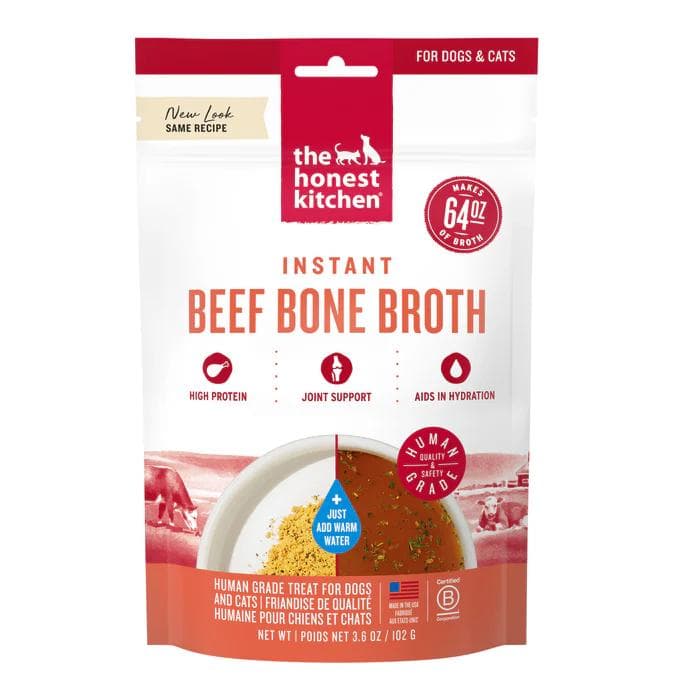
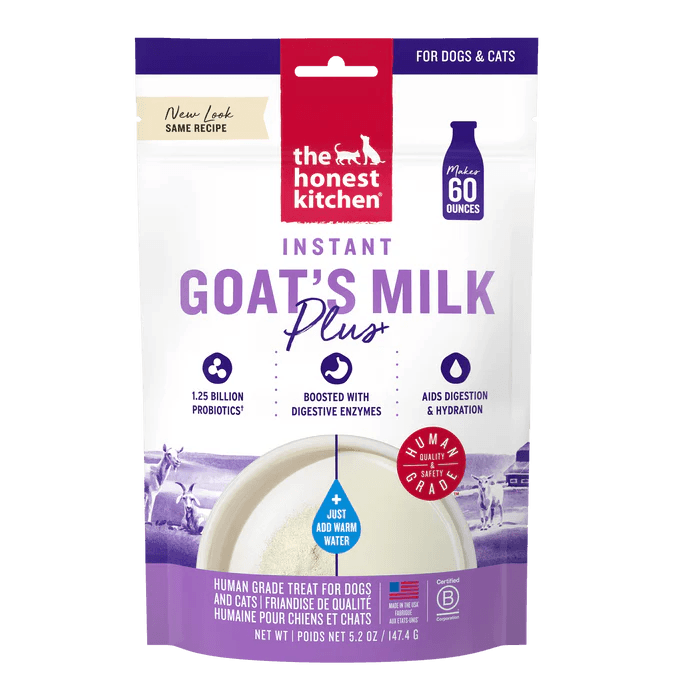
For a well dog, start with clean bowls, fresh water, better placement, and moisture-rich meals. Pet-safe broth or goat milk can add aroma for some dogs, but these are calorie-containing supplements and never replacements for plain water. The Honest Kitchen broths, Instant Goat's Milk Plus, and rehydrated Wholemade can fit only after the basic water setup is sound.
Webvet may earn a commission when you click through to The Honest Kitchen, at no extra cost to you.
- 1Triage first: a well dog needs a better water setup, while a weak, vomiting, or collapsed dog needs a veterinarian, not forced water.
- 2Use the current label for the exact product and keep fresh plain water available.
- 3Water need changes with food moisture, heat, activity, environment, and health.
- 4Ask the veterinarian before changing a prescription diet or using a supplement during active illness.
First, Decide Whether Reduced Drinking Is an Emergency

Product details are checked against The Honest Kitchen Instant Beef Bone Broth, while the central safety and nutrition boundaries are supported by AAHA fluid therapy for pets.
How can I trick my dog into drinking more water?
For an otherwise well dog, wash the bowl, offer fresh water in a quiet location and add another accessible water station. A familiar bowl or fountain may help with preference. Do not force water into the mouth. If the dog is unwell or repeatedly refuses water, contact your veterinarian instead of trying more flavorings.
What can dogs drink if they won't drink water?
Plain water should remain available. A small, label-directed amount of pet-safe broth can add flavor for an otherwise well dog, but it cannot treat dehydration or explain a refusal to drink. Goat milk also adds calories and is unsuitable for some dogs. Illness signs or persistent refusal need veterinary advice.
Webvet may earn a commission when you click through to The Honest Kitchen, at no extra cost to you.
| Decision point | What to check | Why it matters |
|---|---|---|
| Emergency signs | Weakness, collapse, repeated vomiting, inability to keep water down | Veterinary care now |
| Illness signs | Reduced drinking with poor appetite, pain, diarrhea, fever, or urinary change | Prompt veterinary advice |
| Setup problem | Dirty, warm, noisy, inaccessible, or unstable bowl | Fix environment first |
| Preference | Well dog drinks better with fresh stations or food moisture | Use low-risk tactics and monitor |
- Empty, wash, and refill bowls daily. Offer cool fresh water. Topping off a slimy bowl is not a fresh-water strategy.
How Much Water Does a Dog Need?

Merck gives roughly 44–66 mL per kilogram of body weight as a broad reference under thermoneutral conditions. For illustration, a 10 kg dog corresponds to about 440–660 mL, but food moisture, activity, heat, health and individual variation affect needs. This is not a target to force into a dog or a diagnostic cutoff. Keep fresh water available and use changes from your dog's usual pattern to inform a discussion with the veterinarian.
How do I hydrate my dog that won't drink water?
First assess how the dog feels. Weakness, collapse, repeated vomiting or inability to keep water down calls for urgent veterinary care. For a comfortable dog, improve access to fresh water and consider food moisture. Do not syringe or force water into a dog that is weak, vomiting or struggling to swallow.
What can hydrate a dog quickly?
A clinically dehydrated or ill dog may need veterinary fluid therapy; the route and amount depend on the cause and examination. At home, offer fresh water voluntarily to an otherwise well dog and seek care for warning signs. Forcing large amounts or substituting a sports drink is not a safe shortcut.
- Check odor, residue, depth, and whisker or collar contact. Try a clean stable bowl the dog can use comfortably. No material is universally preferred.
 $65 · no membership
Have a health question about your dog?
A licensed vet can assess your dog over video and prescribe online when it's appropriate.
 Talk to a vet
- Licensed vets
- All 50 states
- same-day Rx
Webvet may earn a commission if you book.
Refresh the Bowl, Location, and Water Setup
Wash and refill your dog's water bowl, then check whether your dog can reach it comfortably. Put water away from noisy appliances and busy traffic, and provide several quiet stations if pets share the home. A water fountain, stable no-spill bowl, dispenser or familiar portable dog water bottle may solve an access issue. If trying a new setup, keep the usual plain bowl available while the dog adjusts. A heated bowl is useful only where outdoor water would otherwise freeze; it does not replace reliable indoor access.
How can I train my dog to drink more water?
Make drinking easy and familiar. Offer a clean bowl in quiet locations, let the dog explore a new dispenser without pressure, and provide regular opportunities during walks and travel. Keep the usual bowl available while testing a fountain. Persistent refusal or a sudden change needs a health assessment, not obedience training.

Webvet may earn a commission when you click through to The Honest Kitchen, at no extra cost to you.
Why is my dog not drinking water but still eating?
Wet or rehydrated food can reduce how much a dog drinks from the bowl because it supplies more water. Bowl cleanliness, location and preference may also matter. Compare the change with appetite, energy, urination, weather and diet, and contact your veterinarian if reduced drinking persists or any illness signs appear.
For more detail, read our guide to bone broth for dogs.
- Separate water from frightening appliances, busy traffic, or resource guarding. Provide multiple quiet stations. Access must be practical throughout the day.
Add Moisture Through Food
Wet food and correctly rehydrated food contribute water as part of the meal. A dog eating more of these foods may drink less from the bowl without taking in less water overall. Follow each recipe's preparation directions and count the food's calories. A change in food moisture does not explain away lethargy, vomiting or other illness signs.
What does it mean if a dog refuses to drink water?
Refusal can reflect a setup or preference problem, food moisture, pain or illness. The accompanying signs determine urgency. A weak dog, repeated vomiting, inability to keep water down, collapse or other marked illness needs prompt care. A comfortable dog can be offered clean water in another quiet location while you monitor the pattern.
Can I give my dog Gatorade or Pedialyte?
Do not substitute human sports drinks or oral rehydration products without your veterinarian's advice. Their ingredients and electrolyte amounts are not a treatment plan for an individual dog. Offer fresh plain water voluntarily; a dog that is unwell, vomiting or unable to drink needs assessment rather than an improvised drink.
- Consider how much water comes from wet or rehydrated meals. Track total context rather than bowl volume alone. Lower bowl drinking can be normal with higher-moisture food.
Webvet may earn a commission when you click through to The Honest Kitchen, at no extra cost to you.
Flavor Water Safely Without Replacing Plain Water
Choose low-sodium, onion-and-garlic-free flavoring and count supplemental calories.
- Use only low-sodium, onion-and-garlic-free pet products. Start with a small label-directed amount. Keep a plain water bowl beside flavored water.
The Honest Kitchen Options That Add Moisture
THK Instant Beef and Turkey Bone Broths can provide pet-specific aroma when mixed and served according to the label. Instant Goat's Milk Plus may suit dairy-tolerant dogs. Wholemade incorporates measured water into the meal after rehydration. Keep plain water freely available with every option.
- Increase access and rest opportunities. Offer frequent safe chances to drink. Do not encourage rapid overdrinking after extreme exertion.
Hydration During Heat, Exercise, Illness, and Travel
Watch for dehydration red flags, inability to keep water down, and sudden excessive thirst.
Why is my dog not drinking so much water?
Consider a recent change to wetter food, cooler weather or less activity, but do not assume every decrease is normal. Record drinking, food moisture, urine and symptoms. Persistent change, discomfort, poor appetite or vomiting warrants veterinary advice even when a plausible environmental explanation exists. Keep fresh plain water available while you monitor the change.
For more detail, read our guide to is goat milk good for dogs.
- Bring familiar water and a clean portable bowl. Offer regular stops. A new bottle or dispenser may require practice.
How to Track Drinking at Home
| Record for each observation period | Notes to bring to the veterinarian |
|---|---|
| Water offered, refills and water left | Use the same container and units. Note spills and water shared with other pets. |
| Food and added water | Record wet or dry food and water added during preparation. |
| Activity, weather and access | Note exercise, heat, travel, changed bowls and time away from usual water stations. |
| Appetite, urination and symptoms | Record changes, discomfort, vomiting, diarrhea or unusual weakness. A log must not delay care. |
Record the water put down, refills and what remains over a typical day. Note spills and shared bowls, since these make intake harder to estimate. Add the day's food type, appetite, activity, weather, urination and symptoms. Compare several ordinary days when the dog is well; share the record with your veterinarian if drinking changes.
How to get a stubborn dog to drink water?
Avoid treating refusal as stubbornness until health and access are considered. Offer fresh water in a clean, stable bowl away from noise or resource guarding. Keep multiple stations and try a familiar bowl. If refusal continues or the dog seems unwell, call your veterinarian. Never force or syringe water into a dog struggling to swallow.
- Record starting volume, refills, leftovers, food moisture, urine, weather, and activity. Build a personal baseline. A single day can be misleading.
When to Call a Veterinarian
Seek urgent care for collapse, marked weakness, repeated vomiting or inability to keep water down. Contact your veterinarian promptly for reduced drinking accompanied by poor appetite, pain, diarrhea or urinary changes. A sustained increase in thirst and urination also needs assessment. Keep water available unless your veterinarian directs otherwise; do not restrict it to manage the symptom.
How long is it okay for a dog to not drink water?
There is no safe waiting period that applies to every dog. Weakness, collapse, repeated vomiting, pain or inability to keep water down warrants prompt veterinary assessment. Heat, age, medical conditions and ongoing fluid losses can increase urgency. Do not wait for a fixed number of hours if the dog is unwell.
- Notice a sustained increase in drinking and urination. Schedule veterinary evaluation. Encouraging water should not hide polydipsia.
Frequently Asked Questions
How can I quickly encourage my dog to drink water?
For a well dog, offer fresh water in a clean, quiet and easily reached bowl, with a second station or familiar vessel if useful. Do not force drinking. Weakness, vomiting, collapse or inability to keep water down requires veterinary care.
What can I add to my dog's water safely?
If your dog is well and the label is appropriate, a small amount of low-sodium, onion-and-garlic-free pet broth can add flavor. Keep plain water available beside it and count supplement calories. Ask your veterinarian before adding anything to a prescribed diet or trying to manage illness.
How long can a dog go without drinking water?
Do not use a fixed number of hours as a reason to wait. A dog that is not drinking and is weak, vomiting, unable to keep water down, painful, collapsed, or otherwise unwell needs prompt veterinary assessment. Age, temperature, illness, food moisture, and ongoing losses change urgency.
Can wet or dehydrated food help a dog get more water?
Yes. Wet food and properly rehydrated food contribute water, so bowl drinking can decrease when meals contain more moisture. Follow the exact mixing directions, provide plain water and monitor the whole dog rather than bowl volume alone.
When is drinking too much water a warning sign?
A sustained increase in thirst or urination can be a medical warning sign. Measure intake if practical and contact the veterinarian rather than restricting water. Heat, exercise, diet, medications, and disease all affect the pattern.
Sources
$65 · no membershipHave a health question about your dog?
A licensed vet can assess your dog over video and prescribe online when it's appropriate.
Talk to a vet- Licensed vets
- All 50 states
- same-day Rx
Webvet may earn a commission if you book.

Editor
The Webvet Editorial Team is the in-house group of pet-care editors and writers behind Webvet, operated by Smart Pet Collective. The team researches, writes, and maintains Webvet's pet health, behavior, and medication content. Every article follows a defined editorial process: research from reputable veterinary and scientific sources, careful drafting, mandatory review of medical content by a credentialed veterinarian, and dated publication. Health and medication articles are medically reviewed by a licensed veterinary professional before they go live and are kept current over time.
Veterinarian · BVMS MRCVS
Dr. Pippa Elliott, BVMS, MRCVS, is a veterinarian with nearly 30 years of experience in companion animal practice. Dr. Elliott earned her Bachelor of Veterinary Medicine and Surgery from the University of Glasgow. She was also designated a Member of the Royal College of Veterinary Surgeons. Married with 2 grown-up kids, Dr. Elliott has a naughty Puggle named Poggle, 3 cats and a bearded dragon.


