Can Dogs Have ADHD? Hyperactivity vs. the Real Thing
Dogs can show hyperactivity, impulsivity, and inattention, but high energy alone is not ADHD. Learn how vets assess impairment, rule out medical causes, and help safely.

BVMS MRCVS

This article contains affiliate links. Webvet may earn a commission when you buy through them, at no extra cost to you.
Can dogs have ADHD? Dogs can show hyperactivity, impulsivity, and inattention. ADHD is a human diagnosis, however, and canine hyperkinesis has no simple, universally accepted test. High energy alone is not dog ADHD.
Before discussing treatment, veterinarians look for lasting impairment and assess:
- Age and developmental stage.
- Sleep and exercise.
- Environment and learning history.
- Anxiety, pain, neurologic disease, and other medical explanations.
Ask whether the behavior is persistent, occurs in relevant settings, interferes with normal life, and remains after the dog's health and daily needs are addressed. A busy puppy or an under-stimulated adult dog should not be diagnosed from energy level, and no dog should receive human stimulant medication without direct veterinary oversight.
 Sponsored
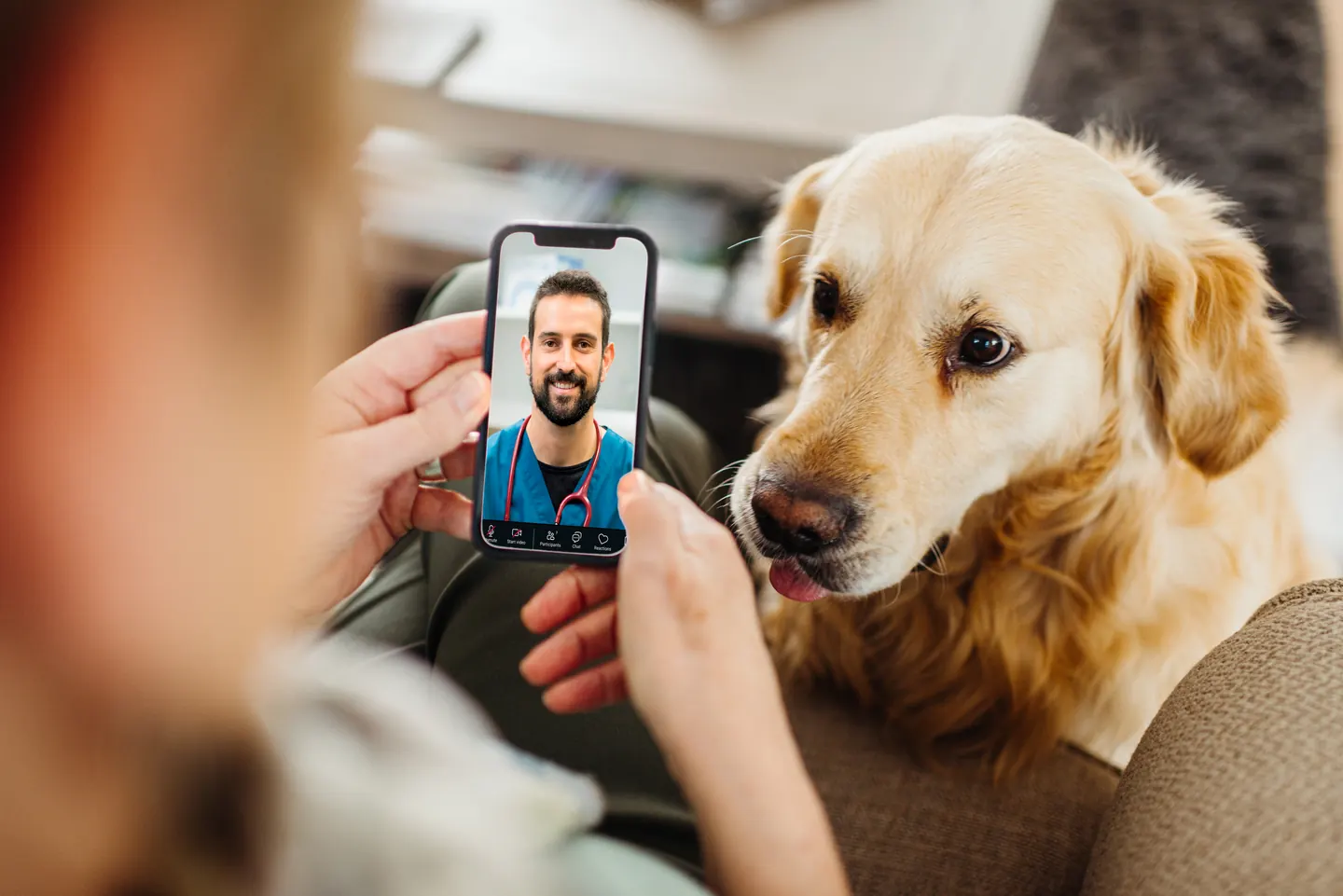
Want a vet's help with your dog's anxiety or behavior?
Talk to a licensed vet at Dutch over video, often the same day. They can recommend treatment and prescribe it when it's appropriate.
Use code Pets60
Plans start at $12/month · covers up to 5 pets
- Licensed vets in most states
- Rx for 150+ conditions
- 4.7 on Trustpilot
Can dogs have ADHD?
Veterinary researchers study ADHD-like traits in dogs, including hyperactivity, impulsivity, and inattention. Some clinicians use the term canine hyperkinesis for a rare pattern of extreme activity and poor impulse control. That does not mean a dog receives the same diagnosis as a person, and there is no consensus that a quick owner checklist can confirm it.
The National Institute of Mental Health describes attention-deficit hyperactivity disorder, or ADHD, as a human developmental disorder marked by persistent inattention, hyperactivity, or impulsivity that affects functioning. Respecting ADHD as a real human condition means not using it as a joke for every energetic dog. Human diagnostic criteria cannot be transferred by simply substituting canine behavior.
A supportive dog bed can give an active dog a consistent place to settle.
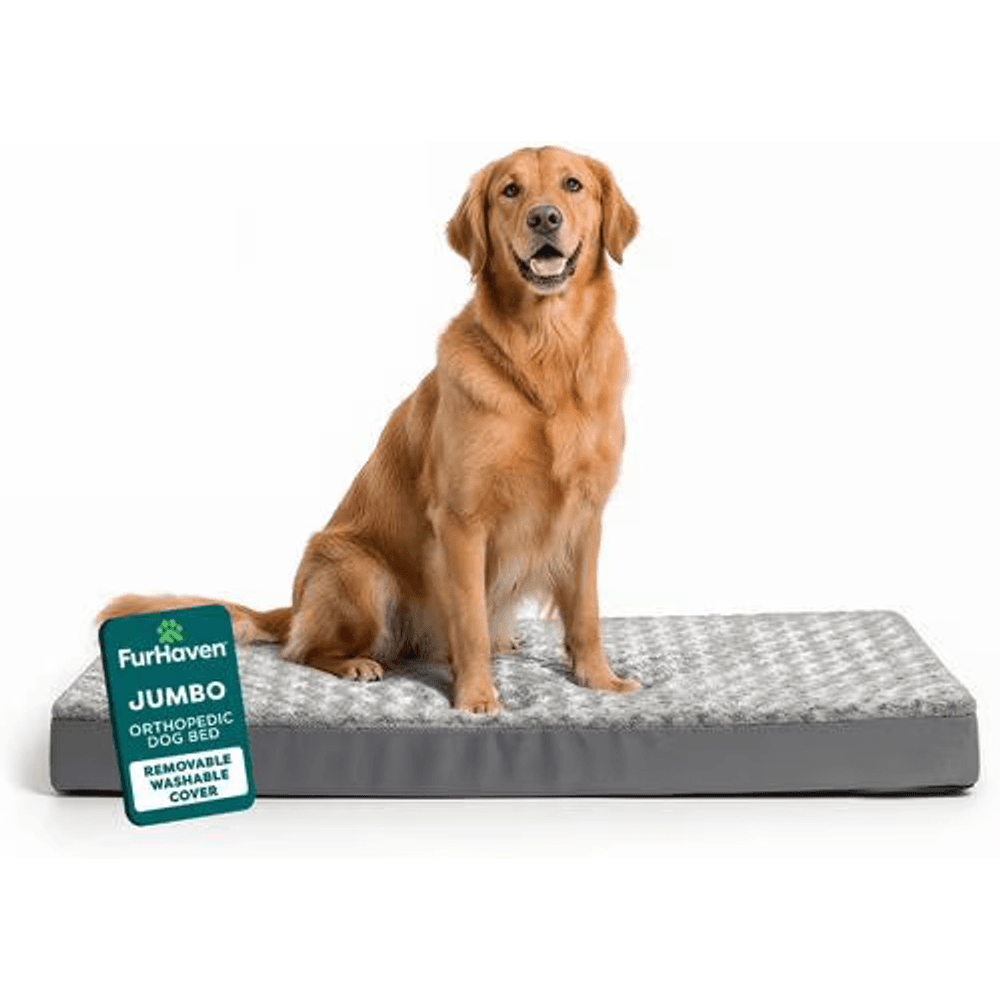
A plush orthopedic foam mattress that cushions aging joints and pressure points, giving a stiff or trembling senior dog warm, supportive rest.
Webvet may earn a commission when you click through to Chewy, at no extra cost to you.
The Merck Veterinary Manual overview of dog behavior problems notes that hyperkinesis has been compared with human attention disorders but that there is no current consensus about the diagnosis. Normal dogs can be very active because of age, breed-related working traits, inadequate outlets, inconsistent training, anxiety, or an environment that keeps them aroused.
What canine hyperkinesis means
Canine hyperkinesis is a limited veterinary concept, not a synonym for enthusiasm. Descriptions may include unusually high activity, impulsivity, difficulty maintaining attention, poor ability to settle, and meaningful disruption of normal function. These signs overlap with many more common explanations, so diagnosis requires careful exclusion of alternatives.
A 2024 scientific review available through PMC summarizes the uncertainty around canine ADHD-like behavior and emphasizes comprehensive history rather than diagnosis from signs alone. That 11,301-word academic review is a primary scientific source for evidence and limitations, not an editorial depth model for this owner guide.
Hyperactive dog or behavior problem?

Energy becomes a clinical concern when it is persistent, disproportionate to context, difficult to interrupt, and harmful to welfare or daily function. Four questions help separate a busy dog from a possible behavior or medical problem.
If you are wondering how to tell if a dog has ADHD, do not rely on a dog ADHD symptoms list or online test. The meaningful pattern is persistent across relevant contexts and impairs ordinary function.
Veterinarians ask whether the behavior:
- Disrupts sleep, learning, safety, or daily routines.
- Persists after age and unmet needs are considered.
- Remains after environment, anxiety, pain, and other medical causes are assessed.
| Decision question | More consistent with normal energy or unmet needs | More concerning for veterinary assessment |
|---|---|---|
| Is it persistent? | Activity rises during predictable play, greeting, or puppy periods and falls afterward | The dog rarely settles, sleeps poorly, or remains intensely active for long periods |
| Does context matter? | Behavior improves with routine, appropriate exercise, rest, and clear reinforcement | Severe activity or inattention occurs across relevant settings despite needs being met |
| Is function impaired? | The dog can eat, sleep, learn, eliminate, and interact safely | The pattern prevents rest, learning, safe handling, or ordinary household life |
| Have alternatives been assessed? | Age, schedule, environment, and training explain the pattern | Pain, anxiety, endocrine, neurologic, sensory, or other medical causes remain possible |
Normal puppy and adolescent energy
Normal puppy energy and unmet needs should be separated from lasting impairment. Puppies explore, mouth, sprint, lose focus, and need frequent sleep. Adolescents may pay more attention to the environment and less to a person near distractions. Those patterns are not canine ADHD. Appropriate support includes short training, safe exploration, planned rest, social learning, and age-suitable exercise.
An interactive slow feeder and a supervised rope toy can support structured, low-frustration activity.

A maze-pattern slow-feeder bowl that makes fast eaters work for each bite, reducing the gulping and swallowed air that trigger regurgitation and vomiting. Holds up to 4 cups.
Webvet may earn a commission when you click through to Chewy, at no extra cost to you.
An overtired puppy may appear more frantic, not calmer. Long periods of high-impact exercise can also be inappropriate for growing joints. If a puppy cannot settle, consider sleep, toileting, hunger, discomfort, and environmental intensity before adding more activity.
Under-stimulation and over-stimulation can look similar
Under-stimulation and over-stimulation can look similar, so the answer is not to diagnose ADHD. It is to rebalance activity, decompression, predictability, and rest.
Common patterns include:
- Too little opportunity to sniff, move, chew, forage, and interact, which can lead a dog to invent activities.
- Too much noise, visitor activity, dog daycare, rough play, or repeated high-arousal games, which can make settling difficult.
Anxiety can resemble inattention
A frightened dog may scan the environment, pace, startle, ignore food, or fail to respond to cues. That is not necessarily poor attention. The dog may be focused on a perceived threat. Separation-related distress, noise aversion, social fear, and conflict around punishment can all produce restless behavior.
If restlessness occurs mainly when the dog is alone, separation anxiety in dogs may be part of the differential. A video of the first 30 to 60 minutes after departure, recorded without provoking the dog, can help the veterinarian distinguish patterns.
Medical causes matter
Medical causes matter. Changes in activity or concentration can be linked to:
- Pain, itching, gastrointestinal discomfort, or urinary urgency.
- Endocrine disease, medication effects, or toxin exposure.
- Sensory change or neurologic disease.
Sudden hyperactivity in a previously settled adult dog deserves medical attention.
Seek prompt veterinary care when restlessness occurs with:
- Panting at rest, weight change, or increased thirst.
- Vomiting or diarrhea.
- Collapse, disorientation, or an altered gait.
 Sponsored
Vet care that's always there
Unlimited video calls and messaging with licensed vets for less than a typical vet visit. One membership covers up to five pets.
Use code Pets60
Plans start at $12/month · covers up to 5 pets
- Licensed vets in most states
- Rx for 150+ conditions
- 4.7 on Trustpilot
How veterinarians evaluate hyperactivity and inattention

The veterinary team needs a pattern, not a label. Bring a timeline that covers:

A durable rope-and-knot fetch toy that channels chewing, tugging, and fetch energy into safe play, and the woven rope gives teeth a light scrub.
Webvet may earn a commission when you click through to Chewy, at no extra cost to you.
- when the behavior began, how often it occurs, and how long episodes last
- common triggers and how long the dog takes to recover
- sleep, exercise, diet, medications, supplements, and recent health changes
- training methods, household changes, and major environmental events
- the situations in which the dog can focus, settle, learn, or sleep normally
History and observation
Record what the dog does before, during, and after an episode. Note whether the behavior occurs at home, outdoors, during training, around visitors, or only in one environment. Track whether food, distance, rest, or a familiar cue changes it. Include normal periods so the veterinarian can see what success looks like.
The central issue is functional impairment. Does the dog sleep adequately? Can the dog eat, eliminate, learn simple skills, recover after excitement, and interact safely? A persistent problem across relevant contexts carries more weight than a burst of activity in one exciting place.
Physical and neurologic examination
A veterinarian may examine the dog's skin, ears, mouth, joints, heart, lungs, abdomen, vision, hearing, and neurologic function. Blood or urine testing may be appropriate based on age and signs. There is no single laboratory result that proves canine ADHD.
A 2021 study of more than 11,000 dogs indexed by PubMed found that hyperactivity, impulsivity, and inattention traits varied with factors such as age, sex, breed, and environment. Population associations can guide research, but they cannot diagnose an individual dog. An individual still needs history, function, and medical assessment.
Behavior questionnaires and specialist assessment
Questionnaires can organize observations, but their result depends on the tool, population, and cutoff. A 2025 PubMed-indexed study proposed a canine ADHD and autism spectrum screening and diagnostic system involving a questionnaire, behavior tests, functional impairment, and expert consultation. A proposed system is not the same as universal clinical consensus, and the expert assessment remains important.

Soft, pea-sized training treats made with peanut butter and oats. Small enough to reward often while keeping treats inside the 10% of daily calories vets recommend.
Webvet may earn a commission when you click through to Chewy, at no extra cost to you.
A board-certified veterinary behaviorist may help when the pattern is severe, unsafe, self-injurious, or resistant to a careful initial plan. A qualified reward-based trainer can support skills and routine, but training should not replace medical rule-outs.
Which dogs are more likely to show hyperactive traits?
Age, genetics, early environment, daily activity, sleep, and training history can influence behavior. There are no ADHD dog breeds, although some hyperactive dog breeds and working lines may show higher average activity in population studies. Lists of the most hyperactive dog breeds describe population tendencies, not diagnoses. Dogs selected for endurance or rapid response may need more structured outlets than a less active individual. Puppies and adolescents commonly show more activity and less sustained attention than mature dogs.
These tendencies are not diagnoses. No breed "has ADHD" based on reputation, and a calm dog from an active breed is not abnormal. Breed labels can distract from pain, anxiety, inadequate rest, or an environment that does not fit the individual dog's needs.
Research associations should be treated as population findings. They describe average differences within samples, not certainty for a dog standing in front of you. The meaningful questions remain persistence, context, functional impairment, and medical rule-outs.
How to help a hyperactive dog safely

Safe management can begin while assessment is underway and must not delay care. There is no universal dog ADHD treatment. Searches for "how to calm your hyperactive dog" or "what to do with hyperactive dog behavior" do not have a one-step answer. A reward-based routine, low-frustration enrichment, suitable exercise, and rest can support dogs while assessment proceeds. The goal is not exhaustion. It is a balanced day with room for movement, thinking, social needs, and sleep.
Build predictable anchors
Use predictable daily anchors:
- keep meals and toileting opportunities reasonably consistent
- balance suitable activity with planned decompression and rest
- provide a quiet, supportive sleeping area where the dog will not be disturbed
- record whether the dog can settle after each routine period
Predictability can lower arousal and make patterns easier to measure. If the dog cannot sleep despite a suitable environment, tell the veterinarian.
Use appropriate exercise
Choose exercise for the dog's age, health, and conditioning. Sniff walks, controlled play, and gradual fitness work may be more helpful than repeated high-intensity chasing. More exercise is not always better. Excessive activity can increase arousal or cause injury without teaching the dog to settle.
Add low-frustration enrichment
Food searches, scatter feeding, safe chewing, scent games, and simple problem solving can provide constructive outlets. Interactive toys for hyperactive dogs are tools, not treatments. An interactive slow feeder can structure a food search when it fits the dog's diet and frustration tolerance. Supervise when needed and stop if the dog becomes frantic or destructive.
Reward the behavior you want
Reinforce checking in, pausing, going to a mat, settling, and choosing a safe alternative. Keep sessions short and end while the dog can succeed. Use part of the dog's daily ration when food rewards are suitable. Punishment may increase fear or arousal and does not address the underlying cause.
Coordinate any medication plan with a veterinarian
Dog ADHD medication is not a do-it-yourself treatment. A veterinarian may consider medication for a diagnosed behavior condition after reviewing the dog's health, other medicines, and exact problem. A calming supplement is not an ADHD treatment. "Natural" does not mean safe. Tell the veterinarian about every supplement and treat.
For broader learning and attention context, review canine cognition. Dog body language can help distinguish arousal, fear, and social communication from persistent impairment.
Can dogs have autism?
Autism and ADHD are different human diagnoses, even though some canine studies discuss overlapping traits. Canine dysfunctional behavior belongs to the autism-research lane, not this hyperactivity guide. Repetitive, social, or sensory-linked behavior requires its own veterinary differential. The guide to whether dogs can have autism explains those research limits and medical rule-outs.
Physical developmental concerns are a separate topic. See whether dogs can have Down syndrome for the chromosome and congenital-condition boundary.
Frequently Asked Questions
What dog breeds can have ADHD?
No dog breed can be diagnosed with ADHD from breed identity. Any dog can show high activity, impulsivity, or difficulty focusing, and research has found population-level differences among breeds. Those averages do not diagnose an individual. Age, sleep, exercise, environment, pain, anxiety, persistence, and functional impairment all matter. Judge the dog's behavior in context and ask a veterinarian about ongoing problems rather than relying on a breed stereotype.
How do I know if my dog got ADHD?
You cannot know if your dog has ADHD from high energy or an online quiz. Keep records of persistence, context, sleep, triggers, recovery, and impact on eating, learning, rest, elimination, and safety. Note whether the pattern appears across relevant settings and continues after appropriate exercise and rest. A veterinarian can check medical causes, evaluate functional impairment, and decide whether a behavior specialist should assess canine hyperkinesis or another recognized condition.
Can a dog take ADHD medication?
Only a veterinarian can decide whether a dog can take medication for a diagnosed behavior problem. Never give human stimulants or use online dosage advice. Some behavior medicines may be used under veterinary supervision, but they require an individual diagnosis, exact dose, interaction review, monitoring, and follow-up. Suspected ingestion of a human stimulant needs urgent poison-control or veterinary guidance.
Do all hyperactive dogs need a veterinary behaviorist?
No. Not all hyperactive dogs need a veterinary behaviorist. Many improve when health concerns are addressed and their sleep, exercise, enrichment, and training plan better fit their needs. Start with the primary veterinarian, who can check health and daily routine first. A veterinary behaviorist referral is especially useful when behavior is severe, unsafe, persistent across settings, self-injurious, or unresponsive to a careful initial plan.

Editor
The Webvet Editorial Team is the in-house group of pet-care editors and writers behind Webvet, operated by Smart Pet Collective. The team researches, writes, and maintains Webvet's pet health, behavior, and medication content. Every article follows a defined editorial process: research from reputable veterinary and scientific sources, careful drafting, mandatory review of medical content by a credentialed veterinarian, and dated publication. Health and medication articles are medically reviewed by a licensed veterinary professional before they go live and are kept current over time.
Veterinarian · BVMS MRCVS
Dr. Pippa Elliott, BVMS, MRCVS, is a veterinarian with nearly 30 years of experience in companion animal practice. Dr. Elliott earned her Bachelor of Veterinary Medicine and Surgery from the University of Glasgow. She was also designated a Member of the Royal College of Veterinary Surgeons. Married with 2 grown-up kids, Dr. Elliott has a naughty Puggle named Poggle, 3 cats and a bearded dragon.


