Blood in Cat Poop: Causes and When to Get Help
Blood in cat poop needs veterinary advice. Compare red streaks and black stool, recognize urgent litter-box signs and prepare useful details for the vet.

BVMS MRCVS
Medically reviewed by Dr. Pippa Elliott, BVMS MRCVS · Last reviewed

This article contains affiliate links. Webvet may earn a commission when you buy through them, at no extra cost to you.
Blood in cat poop deserves veterinary advice, even when it is only a small fresh-red streak. The cause can range from irritation associated with hard stool or colitis to a more serious problem. Black, sticky or tarry stool is a different pattern that may contain digested blood and needs prompt attention.
Seek urgent care for substantial or repeated bleeding, weakness, pale gums, repeated vomiting, significant pain or a cat that seems very unwell. A cat repeatedly straining in the litter box with little or no urine may have a urinary blockage, especially a male cat. That is an emergency and should not be mistaken for a simple bowel problem.
 Sponsored
Want a vet's take on your cat's upset stomach?
Talk to a licensed vet at Dutch over video, often the same day. They can recommend treatment and prescribe it when it's appropriate.
Use code Pets30
Plans start at $11/month · covers up to 5 pets
- Licensed vets in most states
- Rx for 150+ conditions
- 4.7 on Trustpilot
Bright red blood in cat poop versus black stool
Fresh red blood, called hematochezia, may appear as a streak on the outside of a formed stool or mixed with mucus or diarrhea. It often points toward bleeding nearer the lower digestive tract, but appearance cannot precisely locate the source. The amount, repetition and cat's condition help determine urgency.
A metal litter scoop is useful for checking a fresh deposit before disposal. Look at stool separately from urine clumps and note which cat used the box in a multi-cat home. A clean box makes changes easier to notice, but it cannot tell you whether a red stain came from the bowel or urinary tract without closer observation and veterinary assessment.
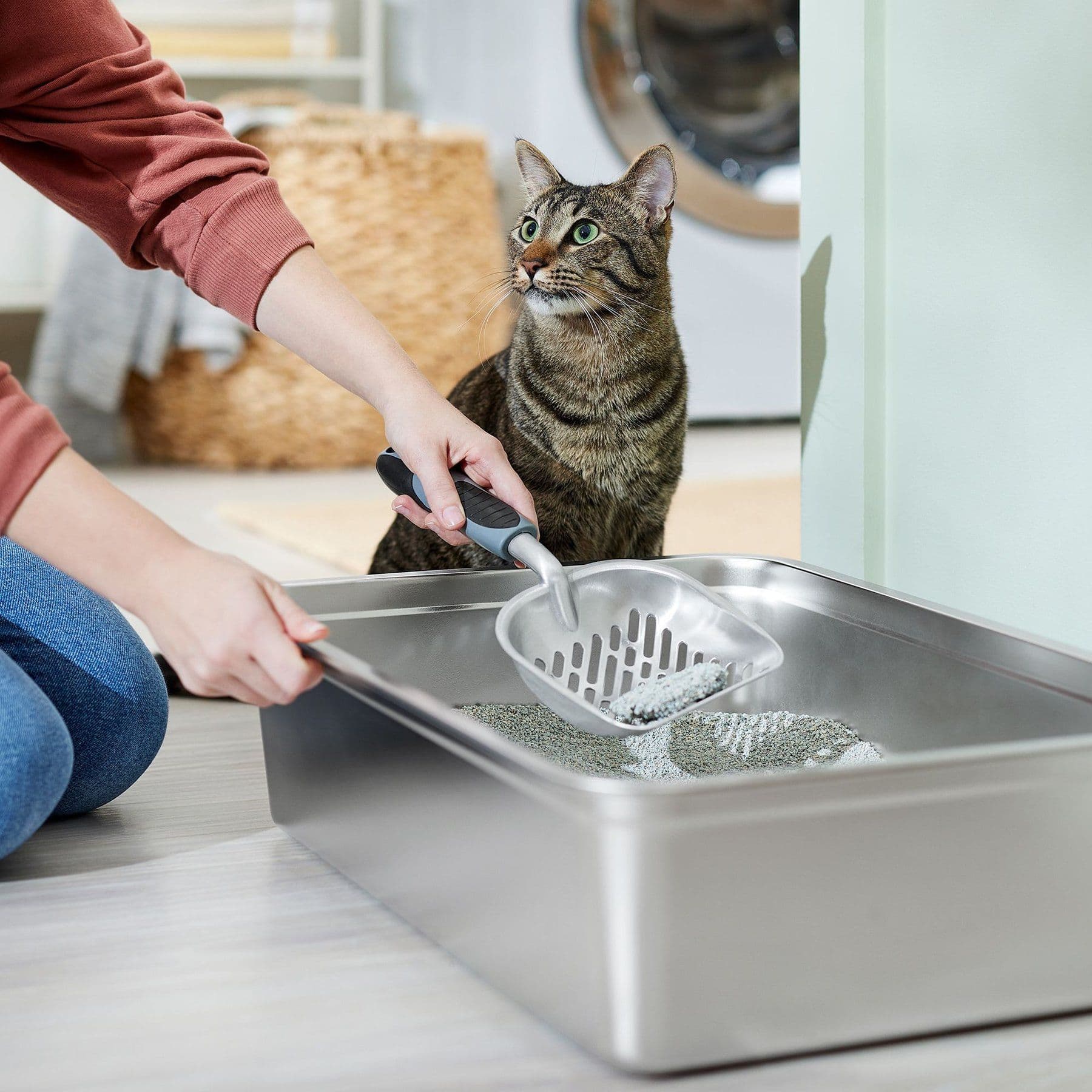
A metal scoop for regular litter-box cleanup and observing fresh stool separately from urine clumps.
Webvet may earn a commission when you click through to Chewy, at no extra cost to you.

| Litter-box observation | What to record | Appropriate response |
|---|---|---|
| Small fresh red streak on formed stool | Hardness, straining and whether it recurs | Contact the veterinarian for advice |
| Blood mixed with mucus or loose stool | Frequency, amount and appetite or energy changes | Arrange assessment; act sooner if the cat is unwell |
| Black, sticky or tarry stool | Fresh appearance and medication history | Seek prompt veterinary advice for possible melena |
| Repeated straining with little or no urine | Whether your cat is actually passing urine | Treat possible urinary obstruction as an emergency |
If the stool is black rather than red, see the focused guide to black cat poop. Do not apply a generic home plan for a minor fresh-red streak to suspected melena. A cat may still be walking around while a significant problem is developing.
A cat pooping blood but acting normal still needs veterinary advice: normal behavior does not explain the bleeding. A tiny streak does not automatically mean a severe illness, but it also does not identify a harmless cause. Report it, especially if it returns. Taking a fresh-stool photograph in neutral light can help describe what you saw. Avoid repeatedly handling the cat or delaying care to obtain a perfect image.

A travel carrier for cats or suitably sized small dogs. Check fit and secure it according to its instructions.
Webvet may earn a commission when you click through to Chewy, at no extra cost to you.
Common causes of fresh blood
A cat pooping a jelly-like substance with blood may have large-bowel irritation, but stool appearance alone cannot establish the cause. Very smelly stool is worth reporting but does not identify a specific infection. Irritation in the colon can produce mucus, urgency, small frequent stools and fresh blood. Colitis is a description of inflammation, not one diagnosis. Dietary factors, parasites and other intestinal diseases can create a similar pattern. A veterinarian uses the history, examination and testing to work out which explanation fits.
Hard stool and constipation can also be associated with straining and local irritation. Report whether the stool is unusually dry or difficult to pass. Repeated unsuccessful straining, pain or vomiting needs prompt advice. Do not give a human enema or laxative; some preparations are dangerous for cats, and an obstruction requires a different response.
A correctly sized, secure carrier helps with a veterinary trip. Put it on a stable surface and prepare it before trying to load a distressed cat. A familiar washable liner may help with comfort and cleanup. Do not postpone an urgent visit to buy a new carrier if you already have a suitable safe option.
Infection and recurrent intestinal disease
Parasites and infections are other possibilities, particularly in kittens or cats with exposure risks. Most intestinal parasites cannot be identified by simply looking at a stool. A fecal test or other targeted testing may be needed. Do not assume a red streak proves worms or choose a treatment solely because another cat's photo looks similar.
Chronic intestinal disease and other lesions can also cause recurring blood. Weight loss, changes in appetite and repeated episodes are important history even when the cat looks fairly normal between them. A recurring problem deserves reassessment rather than an endless sequence of food switches and over-the-counter remedies.
Dehydration can accompany diarrhea and contribute to difficulty with hard stool, but it is not a complete explanation for visible blood. A cat that is not drinking or eating normally needs assessment of the wider problem. Offering water is useful; it does not establish that hydration is adequate or address every cause of bleeding.
SponsoredVet care that's always there
Unlimited video calls and messaging with licensed vets for less than a typical vet visit. One membership covers up to five pets.
Use code Pets30
Plans start at $11/month · covers up to 5 pets
- Licensed vets in most states
- Rx for 150+ conditions
- 4.7 on Trustpilot
Blood with mucus, diarrhea or straining
Blood and jelly-like mucus can appear together when the large bowel is irritated. Record the frequency and volume, not just the color. A cat making many trips and passing tiny amounts has a different pattern from one passing a large loose stool. The mucus in cat poop guide covers the coating and straining pattern in more detail.
The position a cat uses in the litter box does not reliably tell you whether it is trying to urinate or defecate. Look for actual urine output and report uncertainty to the clinic. Repeated attempts with little or no urine, distress or licking the genital area should raise concern about a urinary problem. Do not wait for obvious collapse before seeking help.
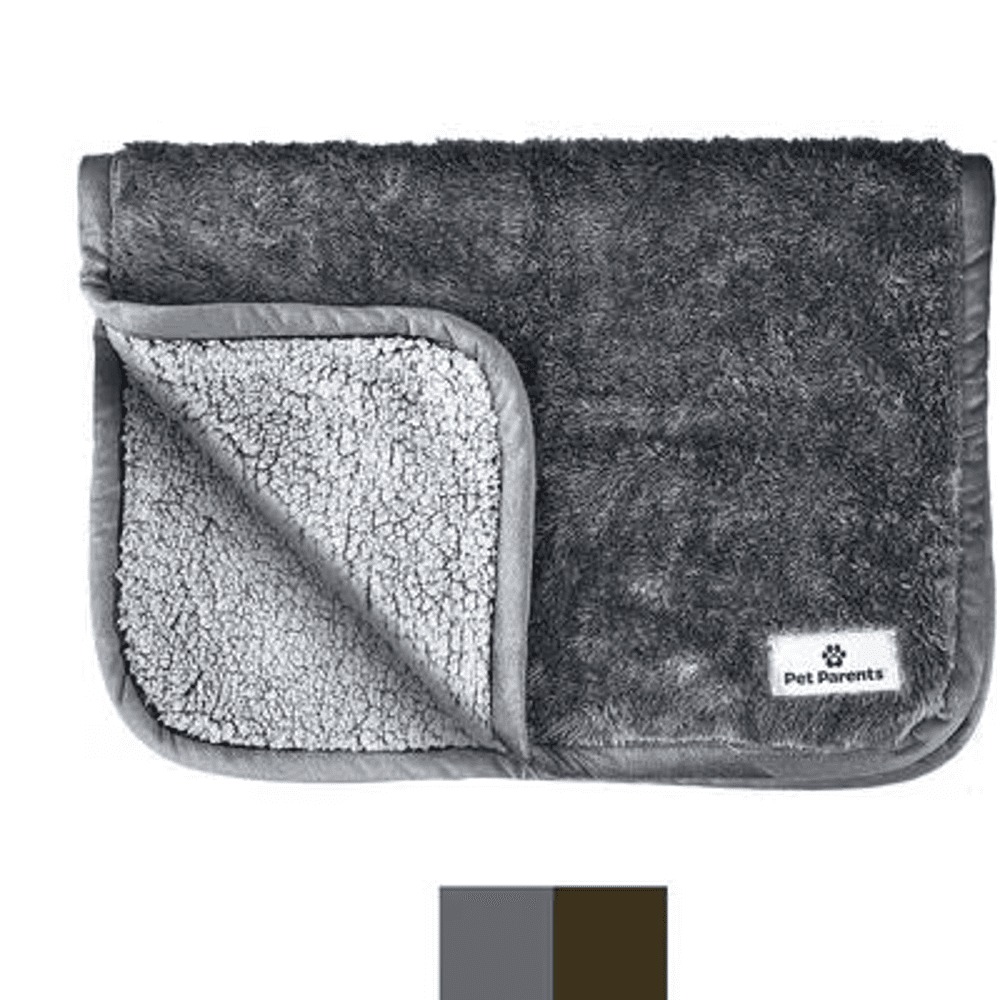
A washable waterproof blanket for a suitable resting or transport surface. Choose the size that fits your setup.
Webvet may earn a commission when you click through to Chewy, at no extra cost to you.

A washable waterproof blanket can line an appropriate carrier or protect a resting surface if accidents are likely. Keep it flat and secure, and replace it if soiled. This is practical support for transport and comfort; it does not treat bloody diarrhea or justify delaying the appointment.
Duration does not establish safety
There is no single safe answer to how long bloody diarrhea should last. Bloody diarrhea should not be assigned a fixed “safe” duration. The amount, recurrence, age and overall condition matter. A kitten or frail cat may need help sooner than a healthy adult with a single small streak. Repeated vomiting, poor appetite, weakness or worsening diarrhea are reasons to contact the veterinarian promptly.
There is no single most common cause that can be assumed for your cat from this sign alone. The broader cat diarrhea guide explains the range of digestive triggers. The useful next step for visible blood is to describe the actual pattern and arrange appropriate assessment.
What to tell your vet and bring
Details to record for the stool assessment
Tell your vet the following history and bring the medication list. Give your cat's age, known illnesses and the time blood first appeared. Explain whether it was a fresh red streak, mixed into diarrhea or associated with black stool. Mention appetite, drinking, vomiting, weight change and whether urine is being passed. Include recent food, medication and environmental changes.
- Fresh stool: the time passed, color, consistency, amount, mucus or blood, and how often your pet tries to pass stool.
- Other signs: appetite, vomiting, energy and weight changes, plus actual urine output rather than litter-box posture alone.
- Recent changes: meals, treats, supplements, medicines, possible exposures and relevant previous illness or test results.
An enzymatic cleaner intended for cat accidents can help remove stains and odor from compatible household surfaces. Remove solid waste first and follow the label, keeping the cat away during use. Cleanup should be separate from sample collection: do not add cleaning products to material the veterinarian may need to test.
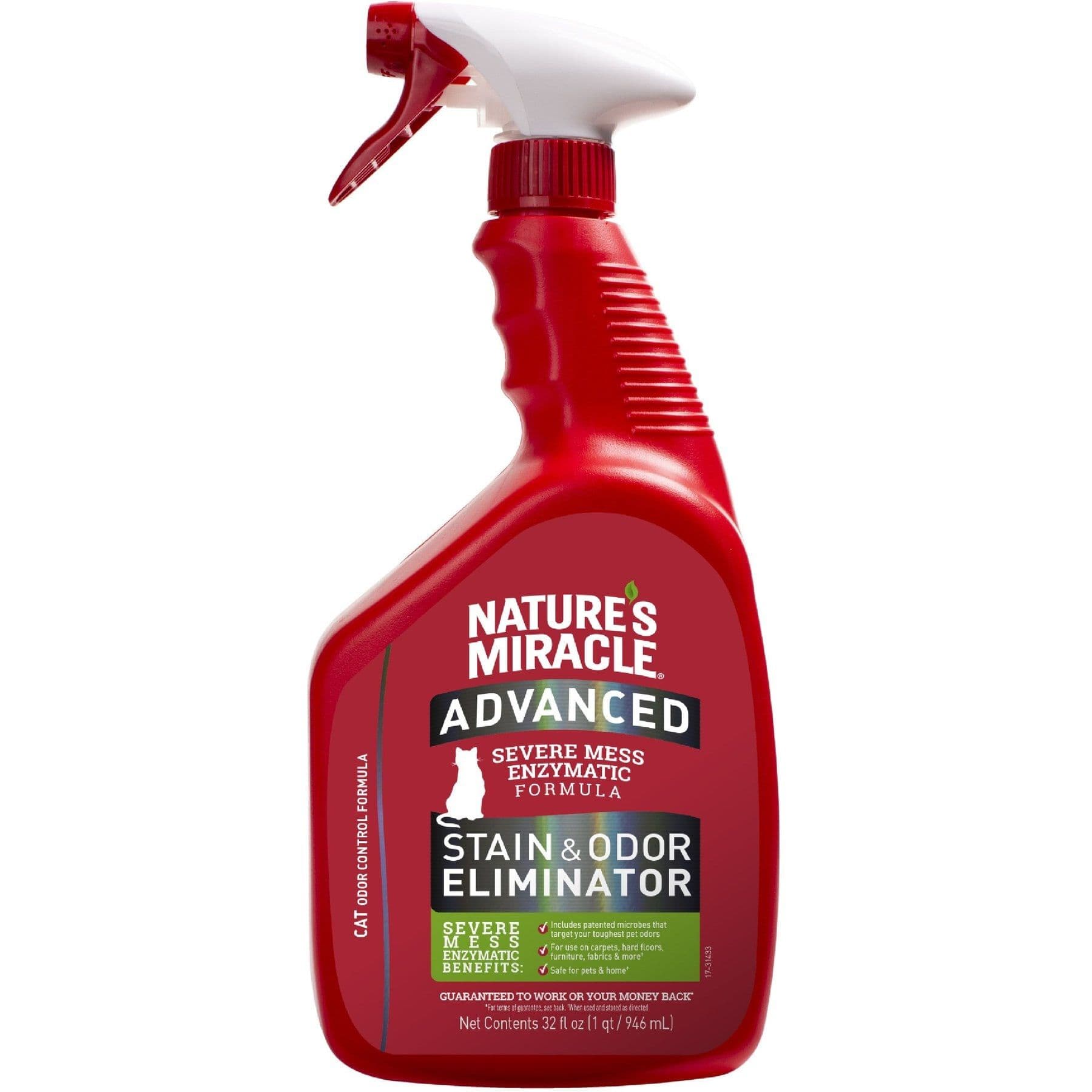
A cat-specific enzymatic cleaner for compatible surfaces after accidents. Keep cats away during use and follow the label.
Webvet may earn a commission when you click through to Chewy, at no extra cost to you.
Ask whether a fresh stool sample is wanted and how to collect and store it. Avoid heavily contaminated old litter or material from several cats mixed together. Label which cat passed it and when. A photograph can preserve the original appearance if the sample becomes coated in litter, but it does not replace testing when indicated.
Testing and medication history
The veterinarian may examine the cat and recommend fecal tests, blood tests or other investigation based on the pattern. Persistent signs or weight loss may require a different workup from one brief episode. Ask what each proposed test will clarify and when to report a change while results are pending.
Bring the names of all medicines and supplements, including anything given at home. Do not describe an unknown product simply as an “upset stomach medicine.” Cats handle some medicines differently from dogs and people, so the exact formulation matters. Never give a human antidiarrheal or pain medicine without specific veterinary direction.
Record fresh stool appearance, appetite, vomiting and actual urine output. Follow the veterinary plan and report worsening signs promptly.
Care, feeding and litter-box monitoring
Treatment for a cat pooping bloody, jelly-like mucus depends on the diagnosis. Some causes of bloody diarrhea can settle, but you cannot safely assume it will resolve on its own from the stool’s appearance. The way to stop blood in the stool is to address the cause. A constipation plan, treatment for a parasite and management of chronic intestinal inflammation are not interchangeable. Follow the feeding and medication advice for your cat rather than selecting a product because it promises firmer stool.
Do not routinely fast a cat with diarrhea or blood in the stool. Ask the veterinarian what and how much to feed, especially if your cat is not eating normally. Fresh water should be available, but a cat that is vomiting or unable to maintain intake may need more than home hydration support.

Pumpkin is not a universal treatment for bloody stool. Fiber can be useful in selected conditions, but the type, amount and overall diet should fit the diagnosis. There is no reliable number of hours after a spoonful of pumpkin when every cat should improve. It should not become a test that delays examination.
Supplements and recovery monitoring
Likewise, a probiotic may have a role in an assessed digestive condition, but it is not a substitute for investigating blood. Avoid adding several supplements or changing foods repeatedly at once. Keep a record of the agreed plan and the response so the veterinarian can interpret whether it is helping.
Scoop regularly and observe both stool and urine output. In a multi-cat home, discuss a practical way to identify the affected cat without creating unnecessary stress. Record frequency, stool form, visible blood and appetite. If you cannot tell whether your cat is passing urine, say so when you call rather than assuming the problem is confined to the bowel.
Many causes of fresh blood can be treated or managed, but recovery depends on the underlying problem and the cat's condition. Contact the clinic again for recurring blood or a lack of improvement within the advised interval. Seek urgent help for worsening illness or possible urinary blockage. A cleaner litter box and a temporary improvement in color are useful observations, not proof that the cause has resolved.
Sources
Sources: Cornell Feline Health Center: diarrhea, Cornell: lower urinary tract disease and VCA: diarrhea in cats.
Frequently asked questions
Should I worry if my cat has a little blood in the stool?
A small fresh-red streak does not automatically mean severe illness, but it does not point to a harmless cause either, and acting normal does not explain the bleeding. Report it to your veterinarian, especially if it returns. Seek urgent care for substantial or repeated bleeding, weakness, pale gums, repeated vomiting or significant pain, and treat straining with little or no urine as an emergency.
What causes blood in cat poop?
No single cause can be assumed from the sign alone. Large-bowel irritation or colitis, hard stool and constipation, parasites and infections, and chronic intestinal disease can all produce fresh blood. Colitis describes inflammation rather than one diagnosis. Your veterinarian uses the history, examination and tests such as a fecal test to work out which explanation fits your cat.
Will bloody diarrhea in a cat go away on its own?
Some causes can settle, but you cannot safely assume that from how the stool looks, and there is no fixed safe duration. Kittens and frail cats may need help sooner than a healthy adult with a single streak. Contact your veterinarian promptly for repeated vomiting, poor appetite, weakness or worsening diarrhea, and do not fast your cat without advice.
Veterinarian · BVMS MRCVS
Dr. Pippa Elliott, BVMS, MRCVS, is a veterinarian with nearly 30 years of experience in companion animal practice. Dr. Elliott earned her Bachelor of Veterinary Medicine and Surgery from the University of Glasgow. She was also designated a Member of the Royal College of Veterinary Surgeons. Married with 2 grown-up kids, Dr. Elliott has a naughty Puggle named Poggle, 3 cats and a bearded dragon.


