Mucus in Cat Poop: Causes and What to Watch
Mucus in cat poop can accompany bowel irritation. Learn what to record, why straining needs care, how testing helps and when to contact your veterinarian.

BVMS MRCVS
Medically reviewed by Dr. Pippa Elliott, BVMS MRCVS · Last reviewed

This article contains affiliate links. Webvet may earn a commission when you buy through them, at no extra cost to you.
Mucus in cat poop can look like a clear, whitish or jelly-like coating on the stool. The bowel normally makes mucus, but a visible increase can accompany irritation in the colon. A small one-time coating is different from repeated mucus with diarrhea, blood or frequent straining. The pattern and your cat's overall condition help determine the next step.
Contact your veterinarian if mucus persists, recurs or comes with poor appetite, vomiting, weight loss or reduced energy. Seek urgent care for severe pain, weakness, substantial blood or black tarry stool. Repeated litter-box straining with little or no urine is an emergency concern, particularly in male cats, even if you first noticed stool mucus.
 Sponsored
Want a vet's take on your cat's upset stomach?
Talk to a licensed vet at Dutch over video, often the same day. They can recommend treatment and prescribe it when it's appropriate.
Use code Pets30
Plans start at $11/month · covers up to 5 pets
- Licensed vets in most states
- Rx for 150+ conditions
- 4.7 on Trustpilot
What mucus in cat poop looks like
Mucus may sit on the surface of a formed stool, stretch between small pieces or mix into a loose bowel movement. It can be subtle or obvious, and litter may coat it quickly. Note whether the stool underneath is normally brown and whether the mucus appears clear, white, yellowish or blood-tinged. Do not assume color identifies the cause.
A metal litter scoop makes regular observation and cleanup easier. Look at fresh stool before discarding it and keep it distinct from urine clumps. In a multi-cat household, record which cat used the box if you know. A sample from the wrong cat or several cats mixed together can make the clinical history less useful.
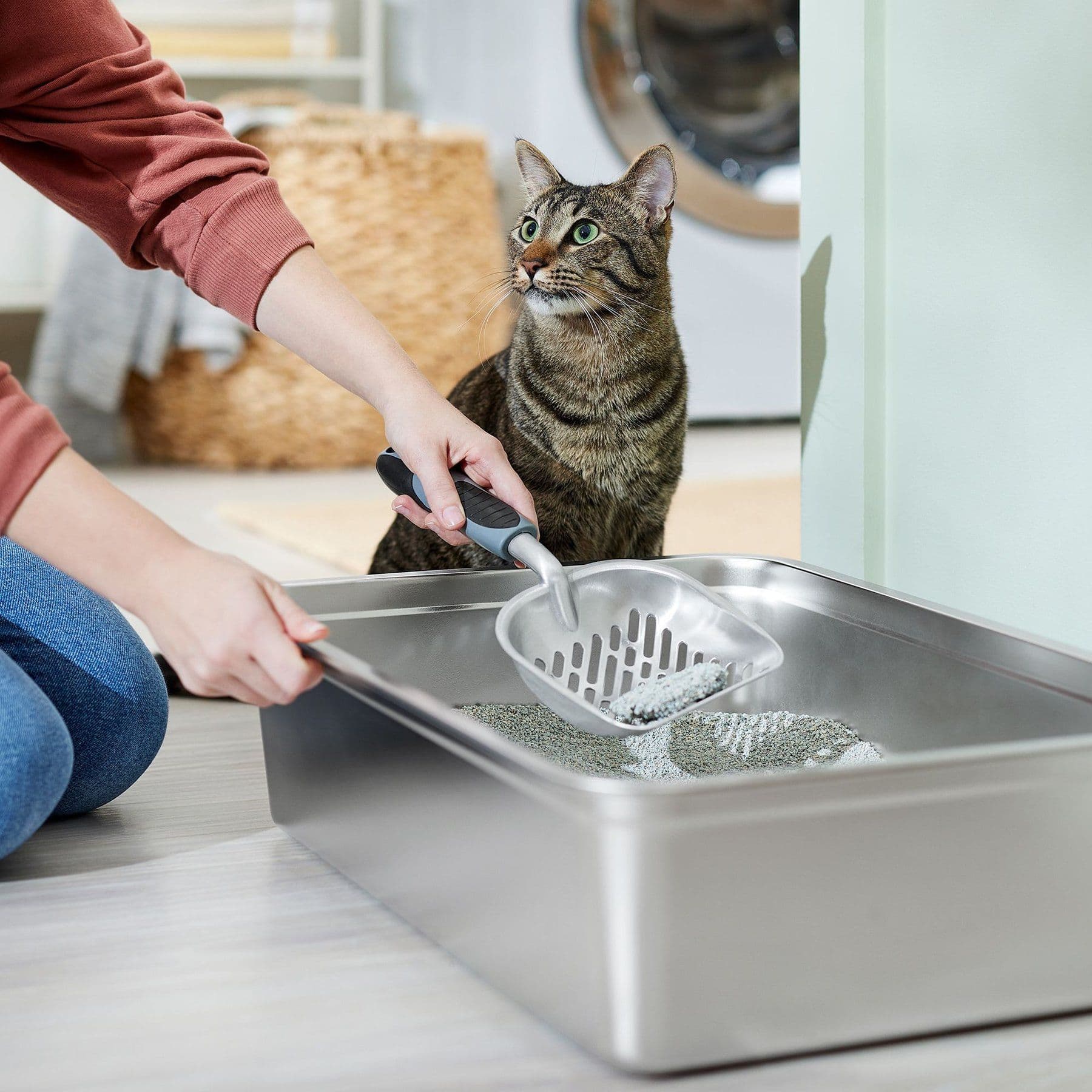
A metal scoop for regular litter-box cleanup and observing fresh stool separately from urine clumps.
Webvet may earn a commission when you click through to Chewy, at no extra cost to you.

| Observation | What to add to the stool diary | Why it helps |
|---|---|---|
| Mucus on a formed stool | Whether it repeats and whether the cat is comfortable | Separates one observation from an ongoing pattern |
| Small frequent stools | Number of trips and whether stool is actually passed | Helps describe urgency and straining |
| Mucus with diarrhea | Stool volume, vomiting and appetite | Adds information about illness and fluid loss |
| Mucus with red blood | Amount, repetition and other signs | Changes the need for assessment |
| Straining without clear output | Whether urine is being passed | Helps avoid overlooking urinary obstruction |
Bowel mucus is different from respiratory mucus. Congestion, nasal discharge and coughing need a different assessment. Medicines intended to loosen respiratory secretions do not treat a jelly-like stool coating. If the word “mucus” is being used for more than one sign, describe each separately to the veterinarian.
A picture can document the coating but cannot diagnose colitis, coccidia or another infection. It also cannot determine hydration or explain a cat's weight loss. Use photographs to support a record of changes, not to replace the history and examination.
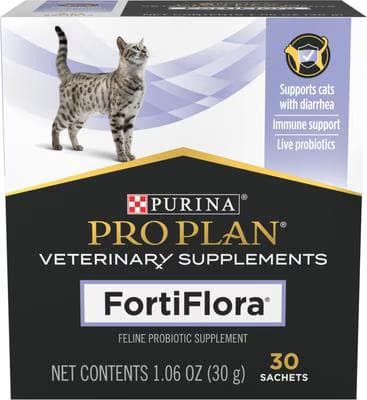
A feline probiotic option for a veterinarian-approved digestive-care plan. It does not replace testing or treatment for the cause.
Webvet may earn a commission when you click through to Chewy, at no extra cost to you.
Colitis and other causes of a jelly-like coating
Slimy or jelly-like cat poop often means visible mucus, and cat colitis can produce mucus with frequent small stools and straining. Passing clear liquid may involve mucus or very watery diarrhea; record the amount and whether any formed stool is passed. The colon is the large intestine. Inflammation there, called colitis, can cause increased mucus, urgency and frequent small bowel movements. Fresh blood may sometimes accompany it. Colitis describes where inflammation occurs; it does not tell you which underlying cause is responsible.
Dietary changes, intestinal parasites and other bowel diseases can produce overlapping signs. Stress may also be relevant history, especially around travel, boarding or household changes. However, a stressful event should not automatically explain persistent mucus or diarrhea. Several factors may be present at once.
For selected assessed digestive problems, a veterinarian may recommend a feline-appropriate probiotic. Use the exact product and directions advised, rather than assuming any human or dog supplement is interchangeable. A probiotic is supportive care in the appropriate case, not a universal treatment for unexplained mucus or a substitute for parasite testing.
Can food cause mucus in cat poop?
A sudden food change or an individual dietary intolerance may be relevant, but no single food causes mucus in every cat. Record the main diet, treats, supplements and recent changes. An apparent association with a food is worth discussing, but it does not establish an allergy. Avoid repeatedly removing ingredients or switching diets without a plan, particularly if your cat's appetite is already poor.
Persistent or recurrent signs can require investigation of chronic intestinal disease and other conditions. Weight loss, vomiting and a change in appetite are important even when the stool sometimes looks normal. The broader cat diarrhea guide explains why the full pattern matters.
Kittens with mucus and diarrhea deserve early advice. Parasites and infections are among the possibilities, but the stool does not have to match a particular photograph. A young cat can become unwell more quickly than an otherwise healthy adult, so do not apply an adult cat's wait-and-see plan without veterinary guidance.
SponsoredVet care that's always there
Unlimited video calls and messaging with licensed vets for less than a typical vet visit. One membership covers up to five pets.
Use code Pets30
Plans start at $11/month · covers up to 5 pets
- Licensed vets in most states
- Rx for 150+ conditions
- 4.7 on Trustpilot
Mucus with blood, vomiting or repeated straining
A cat pooping a jelly-like substance and vomiting needs assessment of both signs. Yellow vomit does not identify the cause of bowel mucus, and a home treatment chosen from stool appearance may miss another illness. Fresh blood mixed with mucus can occur with large-bowel irritation, but it still needs assessment. Record whether it is a small streak or a larger amount and whether it recurs. The dedicated guide to blood in cat poop covers that decision in more detail. Black, sticky or tarry stool is a different concern that warrants prompt contact.
Repeated straining needs a careful description. A cat may make several attempts and pass only a small amount of stool when the colon is irritated. However, constipation and urinary disease can also lead to repeated litter-box visits. Look for actual output rather than judging from posture alone.

A cat-specific enzymatic cleaner can help with stains and odor on compatible surfaces after accidents. Remove the solid waste first and follow the label, keeping cats away during use. It is a cleanup product, not proof that an infectious risk has been eliminated. Ask for organism-specific cleaning advice if testing identifies a parasite or another infection.
Check urine output, not posture alone
If your cat strains with little or no urine, seek emergency advice, especially for a male cat. Do not assume the cat is merely trying to pass another mucus-coated stool. Distress, repeated attempts and reduced output can signal a urinary obstruction, which requires a different and urgent response.
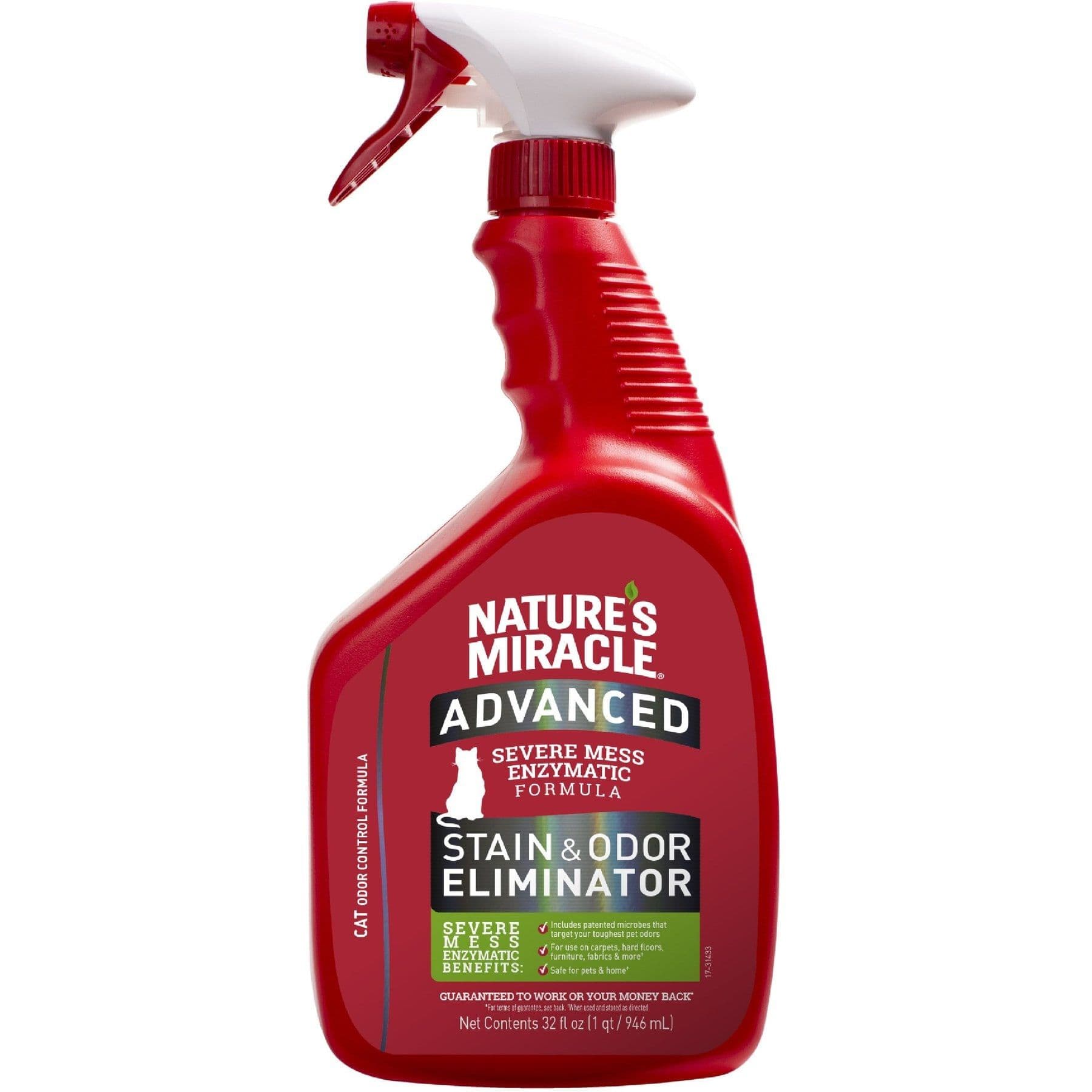
A cat-specific enzymatic cleaner for compatible surfaces after accidents. Keep cats away during use and follow the label.
Webvet may earn a commission when you click through to Chewy, at no extra cost to you.
Vomiting, poor appetite, lethargy or weight loss make the overall picture more concerning. A small amount of mucus does not make these signs minor. Likewise, the disappearance of the coating for one day does not establish recovery if the cat is eating less or losing weight.
Mucus in stool is a red flag when it occurs with illness, blood, repeated straining or worsening symptoms. There is no universal number of hours or days that mucus should last before it matters. Ask your veterinarian which monitoring interval fits your cat's age, health and symptoms. Contact the clinic sooner for worsening signs rather than waiting for a previously discussed interval to expire.
How your vet investigates recurring mucus
Details to record for the stool assessment
A stool diary helps your vet investigate recurring mucus. Bring a concise stool diary: when the pattern began, how frequently your cat visits the box, how much stool is passed and whether mucus or blood is present. Add appetite, vomiting, weight and relevant diet or medication changes. In a multi-cat home, be clear about which observations belong to which cat and which are uncertain.
- Fresh stool: the time passed, color, consistency, amount, mucus or blood, and how often your pet tries to pass stool.
- Other signs: appetite, vomiting, energy and weight changes, plus actual urine output rather than litter-box posture alone.
- Recent changes: meals, treats, supplements, medicines, possible exposures and relevant previous illness or test results.
A secure carrier is useful for the appointment. Prepare it with an appropriate washable liner and keep it stable during loading and travel. Allowing familiar access before a nonurgent visit can help, but do not delay urgent care for a long carrier-training exercise. Ask the clinic for advice if safe handling is difficult.
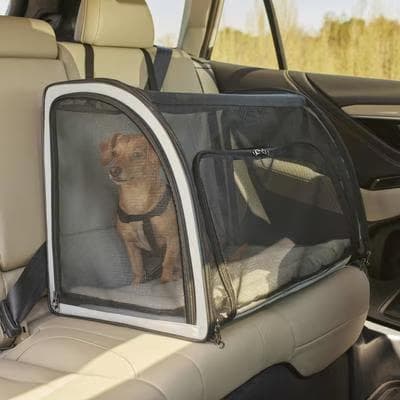
A travel carrier for cats or suitably sized small dogs. Check fit and secure it according to its instructions.
Webvet may earn a commission when you click through to Chewy, at no extra cost to you.
Fecal testing may look for parasites or other organisms. Giardia, coccidia and Tritrichomonas are among the infections a veterinarian may consider in the appropriate history and age group. They are not interchangeable diagnoses, and not every routine test detects every organism. The veterinarian may choose additional or repeat testing based on the signs and exposure pattern.
Why a stool photo cannot identify the organism
There is no distinctive “coccidia poop” appearance that confirms coccidiosis. Similarly, a jelly-like stool does not establish Tritrichomonas infection. Appropriate testing and clinical interpretation are more useful than trying to match a photograph or borrowing another cat's medication.
For a requested sample, use the clinic's recommended container and follow its timing and storage instructions. Avoid adding water, cleaning products or old litter. Label the cat's identity and collection time. Some tests have particular sample requirements, so ask rather than assuming refrigeration or a long delay is acceptable for every test.
Recurring mucus may also lead to blood tests, imaging or other investigation if the examination and history suggest a broader problem. Testing is selected to answer specific questions, such as whether the cat has another illness or needs assessment of persistent intestinal inflammation. Not every cat needs every test at the first visit.
Antibiotics need a diagnosis
Do not obtain antibiotics for your cat without a vet assessing whether they are needed. Do not start leftover antibiotics or seek an over-the-counter substitute while waiting. Mucus does not prove a bacterial infection, and antibiotics are not appropriate for every bowel problem. They can also affect the intestinal microbial community and complicate interpretation. Give the veterinarian a complete account of anything already administered.
Record fresh stool appearance, appetite, vomiting and actual urine output. Follow the veterinary plan and report worsening signs promptly.
Feeding, hygiene and the stool diary
How can you help mucus in your cat’s stool?
Helping mucus in cat poop heal means addressing bowel irritation or its underlying cause, not forcing the mucus out. Do not try to make your cat “expel” bowel mucus with a laxative, enema or a respiratory medicine. The aim is comfortable bowel movements and treatment of the cause, not removal of mucus itself. Follow the feeding plan selected for your cat. Do not routinely fast a cat with diarrhea or mucus, and contact the clinic if appetite is reduced. A temporary diet, a longer dietary trial and treatment for an identified parasite have different purposes. Ask what outcome to expect and how long the plan should continue.

Fresh water should be available in a clean, accessible bowl. Drinking is useful, but it does not guarantee adequate hydration during ongoing diarrhea or vomiting. A cat unable to maintain intake needs veterinary care rather than repeated attempts to force water at home.
Fiber or a probiotic may help selected conditions, but neither is a universal remedy. Pumpkin, human supplements and multiple simultaneous diet changes can distract from identifying the actual cause. If a supplement is recommended, record the product, start date and response alongside the rest of the plan.
Hygiene and a consistent stool record
For feeding and hygiene, follow the selected diet and maintain a stool diary alongside regular litter-box care. Scoop regularly, wash hands after handling waste and clean equipment separately from food-preparation areas. Keep the litter routine practical and familiar where possible. A sudden unnecessary change of litter or box location can make monitoring harder if the cat avoids the box.
Use a simple diary rather than a diagnosis for each stool. Record formed or loose, small or large amount, visible mucus or blood, number of trips, urine output and appetite. Consistent descriptions make trends easier to see and give the veterinarian something concrete to compare at follow-up.
If the mucus returns, bring the previous treatment and test history rather than automatically repeating an old prescription. A recurring pattern may require a different investigation or an adjustment to the longer-term plan. The goal is comfortable, predictable bowel movements and a well cat, with persistent signs explained and managed.
Sources
Sources: Merck Veterinary Manual: colitis in small animals, Cornell Feline Health Center: diarrhea and Cornell: gastrointestinal parasites.
Frequently asked questions
What causes jelly-like mucus in cat poop?
The bowel normally makes mucus, but irritation in the colon, called colitis, can increase it and cause urgency and frequent small stools, sometimes with fresh blood. Dietary changes, intestinal parasites and other bowel diseases can produce a similar picture, and stress may be part of the history. Colitis describes where inflammation sits, so your veterinarian still needs to find the underlying cause.
Is mucus in cat poop a red flag?
It is when it comes with illness, blood, repeated straining or worsening signs such as vomiting, poor appetite, weight loss or low energy. There is no universal time after which mucus matters, so ask your veterinarian which monitoring interval suits your cat. Straining with little or no urine is an emergency, especially in male cats, even if you first noticed mucus.
Can I get antibiotics for my cat's mucus without seeing a vet?
No. Mucus does not prove a bacterial infection, and antibiotics are not right for every bowel problem. They can also affect the intestinal microbial community and make results harder to interpret. Do not start leftover antibiotics or an over-the-counter substitute while you wait, and tell your veterinarian about anything already given.
Veterinarian · BVMS MRCVS
Dr. Pippa Elliott, BVMS, MRCVS, is a veterinarian with nearly 30 years of experience in companion animal practice. Dr. Elliott earned her Bachelor of Veterinary Medicine and Surgery from the University of Glasgow. She was also designated a Member of the Royal College of Veterinary Surgeons. Married with 2 grown-up kids, Dr. Elliott has a naughty Puggle named Poggle, 3 cats and a bearded dragon.


