Why Is My Dog So Quiet? What Withdrawal Can Signal
A dog who stops greeting you or enjoying familiar activities may need more than quiet time. Learn what to observe, when to contact your veterinarian, and where gentle support can fit.

This article contains affiliate links. Webvet may earn a commission when you buy through them, at no extra cost to you.
Your dog used to meet you at the door. Now they stay in another room. The favorite toy goes untouched, and evenings feel different. If you are asking, “Why is my dog so quiet?” the useful question is what has changed for this particular dog.
Quiet does not always mean calm. A change from normal can reflect discomfort, illness, fear, a disrupted routine, or another need worth investigating. You do not have to decide which explanation is right before asking for help. Start with what you can observe, then bring the pattern to your veterinarian.
Paid partnership with PawOrigins.
 Sponsored
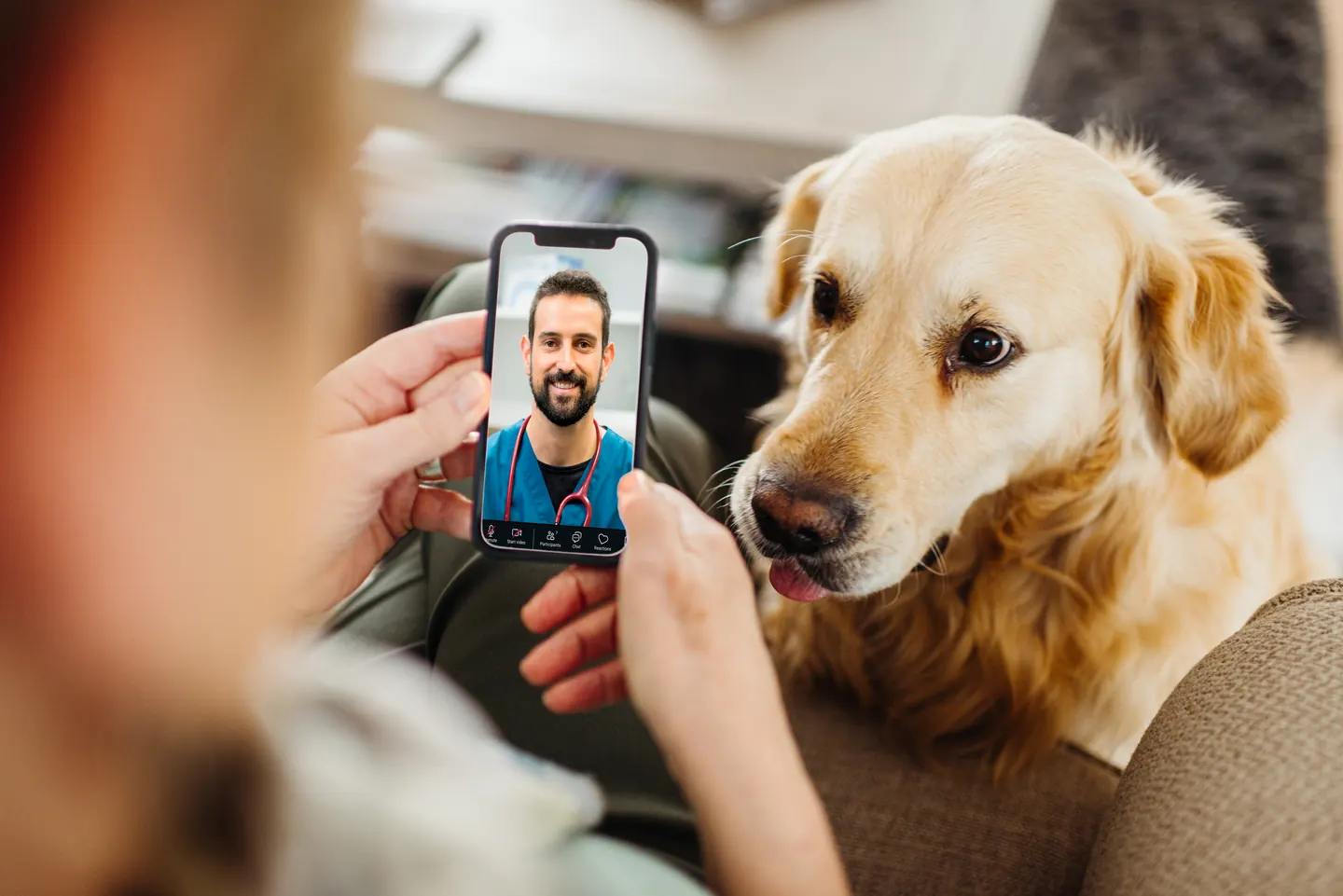
Want a vet's help with your dog's anxiety or behavior?
Talk to a licensed vet at Dutch over video, often the same day. They can recommend treatment and prescribe it when it's appropriate.
Use code Pets60
Plans start at $12/month · covers up to 5 pets
- Licensed vets in most states
- Rx for 150+ conditions
- 4.7 on Trustpilot
Why is my dog so quiet? Compare calm with withdrawal
A comfortably resting dog can be quiet while still showing their usual interest in life. Quiet does not always mean calm, though; a change from normal engagement deserves attention. Your dog may glance toward you, choose to move closer, or get up for an activity they normally enjoy. They can also choose to keep resting. There is no requirement that a content dog be busy, affectionate, or ready to play whenever a person asks.

Soft chews formulated to support joint function and mobility, for dogs whose stiffness makes walks and rest harder. Ask your veterinarian whether a joint supplement suits your dog.
Webvet may earn a commission when you click through to PawOrigins, at no extra cost to you.
Withdrawal describes a reduction in a dog's usual engagement. A dog withdrawn from family life might stop joining familiar routines, spend more time away from people, or show less interest in activities they previously chose. Compare your dog with their own baseline, not a neighbor's energetic puppy or an ideal picture of friendliness.
- 1Quietness alone cannot tell you how a dog feels.
- 2Look for a change from normal, especially activities and interactions that have disappeared.
- 3Contact your veterinarian about an unexplained change rather than guessing that it is better behavior.
That comparison matters because stillness can have different meanings. A dog who settles after a comfortable walk and remains engaged at mealtime presents a different picture from one who suddenly avoids movement, food, and contact. Neither a photograph nor a single tail position establishes the cause. Look at the whole dog over familiar situations.

Notice without testing. You do not need to repeatedly call, touch, or excite your dog to prove they can respond. Briefly offer something familiar, watch what they choose, and allow space. If your invitation seems to increase uneasiness, stop rather than asking harder.
Notice which familiar activities have disappeared
“Dog not acting like himself” can be a useful starting description, but specific examples help more. Think about the small routines that previously made the relationship recognizable: meeting you after work, carrying a toy into the room, following you into the garden, or settling near a favorite person.

A beef organ and bone broth protein powder you scoop over meals for everyday nutritional support. Review the label with your veterinarian before adding it to your dog's diet.
Webvet may earn a commission when you click through to PawOrigins, at no extra cost to you.
If your dog is not interested in playing, record what you offered and how they responded. Did they approach and then stop? Watch from a distance? Begin playing but seem uncomfortable? A dog isolating itself may choose a quiet room for several reasons; note whether that happens around noise, visitors, handling, or throughout the day.
- Social contact: Which familiar people or pets does your dog still approach voluntarily?
- Activities: Have play, sniffing, walks, or joining the household changed?
- Daily habits: Is eating, drinking, sleeping, toileting, or movement different?
- Context: When did the change begin, and what happened around that time?
- Enjoyment: Are there familiar experiences your dog still chooses and seems comfortable doing?
Record the activities that disappeared rather than rating quietness alone. “Did not bring a toy after dinner on Tuesday and Wednesday” gives your veterinarian more to work with than “seems off.” Include what stayed normal, too. A dog who enjoys a gentle sniff outside but avoids stairs provides a different history from one who withdraws whenever visitors arrive.
Keep examples short enough that you will actually record them. This is a way to organize the conversation, not a home diagnostic test or a reason to delay a call. If the change is sudden, persistent, or worrying, contact the clinic while you gather details.
 Sponsored
Vet care that's always there
Unlimited video calls and messaging with licensed vets for less than a typical vet visit. One membership covers up to five pets.
Use code Pets60
Plans start at $12/month · covers up to 5 pets
- Licensed vets in most states
- Rx for 150+ conditions
- 4.7 on Trustpilot
Investigate the whole pattern before naming the cause
A dog hiding and acting strange needs context, not an automatic anxiety label. Pain, other illness, sensory changes, fear, household disruption, and changes in social relationships can affect engagement. More than one contributor can be present, which is why useful care begins with medical and environmental causes rather than a single explanation.
Descriptions such as “dog acting sad” can convey a real concern. They do not distinguish emotional distress from physical discomfort. Similarly, a dog quiet and not eating deserves a veterinary conversation, not an assumption that a calming product will help. Describe the observations first and let the examination guide the next steps.
Sudden quietness needs a health check
Why is my dog so subdued all of a sudden? An abrupt reduction in normal activity can accompany illness, pain, a frightening event, or another change that needs assessment. Consider appetite, breathing, movement, and responsiveness alongside quietness. Call your veterinarian about an unexplained sudden change and describe any other signs; the clinic can advise how urgently your dog should be seen.
The AAHA pain-management guidelines explain that calm behavior and reduced appetite can be subtle pain signs. That does not mean every quiet dog hurts. It means the absence of crying, barking, or struggling cannot rule pain out.
If your dog is hiding, give space and look for context
Why is my dog acting very subdued and hiding? Hiding can accompany fear or discomfort, but the location and timing may help explain the pattern. Does your dog retreat when a particular sound starts, when someone approaches, or even when the house is quiet? Make the resting place accessible and undisturbed, then describe the pattern to your veterinarian rather than pulling your dog out to interact.
VCA's veterinary guidance on stress signals includes avoidance and hiding. It also cautions against repeatedly asking a dog to engage when signs of stress increase. If trembling or an obvious fright accompanies withdrawal, our guide to a dog shaking and acting scared explains that presentation in more detail.
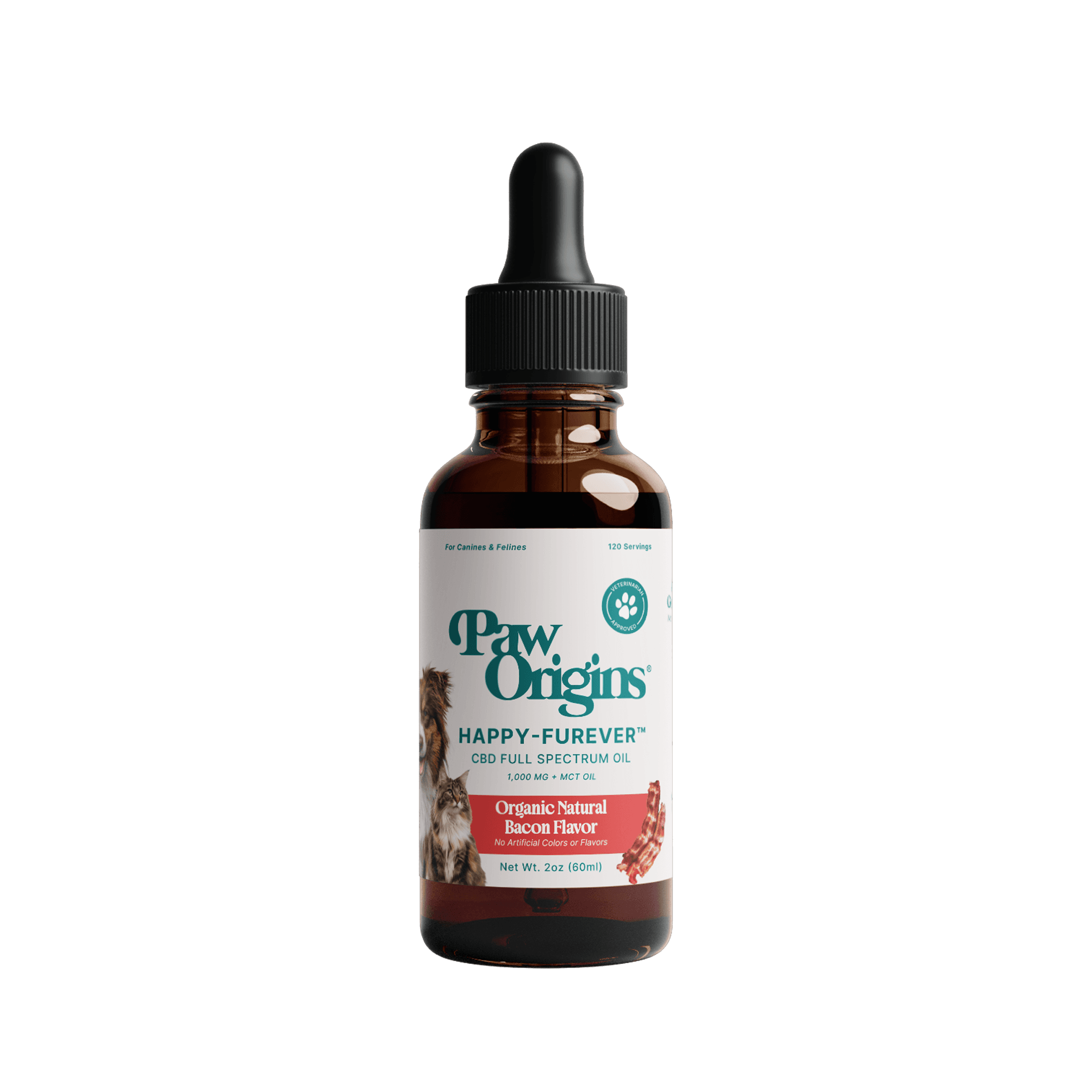
Full-spectrum hemp extract in coconut-derived MCT oil, with a dropper for measured servings. Bring the label and lab information to your veterinarian.
Webvet may earn a commission when you click through to PawOrigins, at no extra cost to you.
Three changes that deserve veterinary attention
What are three signs your dog is suffering? Reduced interaction, reluctance to move, and a change in appetite can all indicate discomfort, although none proves a particular diagnosis. Cornell's guidance on recognizing pain also lists altered sleep, reactions to touch, and changes in posture or activity. Report changes even when your dog never vocalizes. Your veterinarian can assess whether pain or another problem explains them.
The MSD Veterinary Manual's emergency guidance distinguishes severe signs needing immediate care from less urgent changes. Quietness alone does not identify an emergency, but a quiet dog with another concerning sign may need urgent assessment. When you are unsure, call your veterinarian or the nearest emergency clinic and describe exactly what you see.
Observe, document, investigate, support
This sequence keeps the first response useful without turning uncertainty into a diagnosis. Start with your dog's normal habits, collect concrete examples, arrange the appropriate veterinary assessment, and adapt support to what you learn. You can begin gentle environmental support while seeking advice; you do not need to solve the cause before making the home more comfortable.
- Observe: Note the change from the dog's usual behavior, including what still seems normal. Watch during ordinary moments instead of setting up stressful tests.
- Document: Record when the change began, which activities disappeared, and any changes in food, water, sleep, toileting, or movement. Include new household events, medication changes, and recent illness or injury.
- Investigate: Share that history with your veterinarian. Ask which findings may explain the change, what needs checking, and which signs should trigger an earlier call.
- Support: Follow the resulting care plan and continue simple observations so the team can judge progress. Change the plan with guidance if the picture worsens or new signs appear.

A brief video of ordinary behavior may help show something that does not happen at the clinic. Cornell recommends photos, videos, or written notes when pain is suspected because home observations can add useful context to an examination. Film only when it is easy and safe; do not provoke a response or delay care to capture it.

Soft chews with a probiotic blend and omega-3s, formulated for itch, seasonal allergy and immune support. Ask your veterinarian whether they fit your dog's skin and allergy plan.
Webvet may earn a commission when you click through to PawOrigins, at no extra cost to you.
Use the same small set of observations over time. For example, note whether your dog voluntarily joins the family after dinner, how comfortably they get up, and whether meals are normal. Include dates and circumstances. A better afternoon is encouraging, but it does not by itself explain an earlier change or show which part of a plan helped.
Ask the clinic what improvement should look like and when to check back. “Call if the appetite worsens” is more actionable than trying to decide whether your dog appears happy enough. Clear follow-up instructions also reduce the temptation to keep adding new products or activities whenever progress feels uncertain.
Offer comfort without demanding a performance
Separate a low-pressure invitation from forcing a withdrawn dog to interact. A familiar activity can be available without becoming a test: sit nearby, offer a brief sniff outside if appropriate, or leave a comfortable resting place where your dog can choose contact. Respect a decision to move away. Give your dog room to make that choice without following, reaching after them, or repeatedly calling them back.
- Keep meals, rest opportunities, and household routines predictable where possible.
- Reduce a known disturbance rather than repeatedly exposing your dog to it.
- Let family members know that your dog needs space and gentle handling.
- Choose manageable, familiar activities instead of trying to tire your dog out.
- Follow veterinary guidance about exercise, handling, treatment, and reassessment.
More stimulation is not automatically more support. An extra outing, a busy dog park, or persistent play invitations may be too much for a dog who is uncomfortable or overwhelmed. Likewise, withdrawal should not be punished or treated as stubbornness. The aim is to understand and reduce the burden, not to make your dog demonstrate their old personality on demand.
Once your veterinarian has assessed possible contributors, a behavior plan may help when fear or anxiety is involved. Our broader guide to anxiety relief for dogs explains how veterinary care, the environment, and behavior support can work together. The appropriate next step depends on the cause and on your individual dog.
Where supportive care can fit after assessment
Supportive care makes the most sense after medical and environmental causes have been considered. The endocannabinoid system, often shortened to ECS, is a normal signaling system involved in functions that include responses to stress. It is one part of a much larger picture. Quiet withdrawal does not show that this system is deficient or establish that a dog needs CBD.
For families interested in discussing a plant-based option, Happy-Furever is PawOrigins' full-spectrum CBD oil. Its place is within a thoughtful plan of veterinary guidance, environmental support, and attention to daily comfort. In this article, the first step remains noticing and investigating the change, then considering whether an additional supportive option fits your dog's needs.

CBD research in dogs is still developing. One controlled study of separation and car-travel stress reported changes in some stress measures with a different CBD preparation; it did not test Happy-Furever or establish a treatment for a withdrawn dog. Ask your veterinarian about the exact product, other medicines, and what to monitor before using it.
The useful goal is not simply a quieter house. It is a dog who feels well enough to choose familiar activities again, with support matched to what they need. Noticing the change, describing it clearly, and getting appropriate help are meaningful ways to begin.
Questions about a dog who becomes quiet
Frequently Asked Questions
Why is my dog suddenly calmer?
Your dog may seem suddenly calmer when a routine feels more predictable or they have a comfortable opportunity for normal rest. Look for usual engagement when they are awake: eating normally, moving comfortably, and choosing familiar activities. Sudden quietness combined with reduced interest or physical changes deserves a veterinary call. A quieter dog is not automatically a healthier or less fearful dog.
Why has my dog suddenly become withdrawn?
A dog who has suddenly become withdrawn may be responding to a frightening experience, discomfort, illness, or a change in household routine. Begin with when the change began and what else changed around it, including the loss of a companion. Avoid deciding from the timing alone that one event explains everything. Share the onset, examples of reduced engagement, and changes in daily habits with your veterinarian so the cause can be investigated.
What are the possible reasons why my dog is withdrawn and not eating?
Possible reasons for a dog being withdrawn and not eating include pain, illness, nausea, fear, or another problem. Reduced appetite needs assessment alongside the withdrawal. Contact your veterinarian and explain when your dog last ate normally, whether they are drinking, and whether vomiting, weakness, or other signs are present. Do not assume stress is the cause or use a supportive product as a substitute for assessment. Severe accompanying signs require immediate care.
Why is my dog suddenly inactive?
A suddenly inactive dog may have pain, illness, or another reason for reluctance to move. This differs from choosing a peaceful nap. Notice whether your dog has difficulty getting up, hesitates on familiar surfaces, or stops during activities they usually enjoy. Pain, illness, and other contributors need consideration. Contact your veterinarian about sudden inactivity, especially when it accompanies other changes, and avoid forcing exercise to see whether your dog can manage it.
Why is my dog so quiet and sad?
A dog who seems quiet and sad may be uncomfortable, unwell, or affected by a change in their surroundings. “Sad” is an understandable description, but a depression label cannot rule out medical causes. Describe what is different: less contact, missing play routines, appetite changes, or altered sleep. A veterinary assessment can help distinguish physical discomfort from behavioral or environmental contributors and identify what support is appropriate.
What are the signs of an unhappy dog?
Possible signs of an unhappy dog include a sustained change in engagement, avoidance, or difficulty settling. Look at your individual dog's wellbeing rather than one supposedly unhappy expression. Changes in sleep and appetite, reduced interest in familiar activities, avoidance, or difficulty settling can all be useful observations. They are not a diagnosis or proof of one emotional state. Document the pattern, respect your dog's choices, and seek veterinary guidance for unexplained changes.

Editor
The Webvet Editorial Team is the in-house group of pet-care editors and writers behind Webvet, operated by Smart Pet Collective. The team researches, writes, and maintains Webvet's pet health, behavior, and medication content. Every article follows a defined editorial process: research from reputable veterinary and scientific sources, careful drafting, mandatory review of medical content by a credentialed veterinarian, and dated publication. Health and medication articles are medically reviewed by a licensed veterinary professional before they go live and are kept current over time.
Related reading

Why Your Dog Panics the Moment You Pick Up Your Keys

What to Do When the Usual Calming Advice Hasn’t Helped Your Dog

Best Puppy Crates: Divider Panels, Size-Up Timing, and Vet-Reviewed Picks
