Ursodiol for Dogs and Cats

BVMS MRCVS
Medically reviewed by Dr. Pippa Elliott, BVMS MRCVS · Last reviewed

Drug facts
Ursodiol
Ursodiol is a bile acid supplement (active ingredient ursodeoxycholic acid) used in dogs and cats to treat liver and biliary conditions such as hepatitis, cholestasis, and fibrosis by protecting liver cells and improving bile flow.
Treats
 $65 · no membership
Need a prescription for Ursodiol?
A licensed vet can assess your pet over video and prescribe Ursodiol online when it's appropriate.
 Talk to a vet
- Licensed vets
- All 50 states
- same-day Rx
Webvet may earn a commission if you book.
What Is Ursodiol for Dogs and Cats
Overview
Ursodiol is a type of secondary bile acid, naturally produced through the action of gut bacteria on primary bile acids. It acts as a signaling molecule in the body, influencing inflammation and bile flow. When given as a medication, ursodiol supports the liver by replacing more toxic bile acids and protecting liver tissue.
Ursodiol is used in both people and animals to treat conditions involving poor bile flow, inflammation, or liver cell damage. In veterinary medicine, it is commonly added to treatment plans for dogs with hepatitis, cholestasis, fibrosis, and other liver disorders. It is also used in cats with certain liver diseases and can help improve clinical signs and bloodwork over time.
Explore more digestive and GI medications in our Digestive section.
What Is Ursodiol for Dogs and Cats Used For
Ursodiol protects the liver by replacing toxic bile acids, reducing inflammation, and improving bile flow. It acts as an agonist for the TGR5 receptor and an antagonist of the FXR receptor. These actions help reduce oxidative stress, protect liver cells, and promote healthier bile movement throughout the digestive system.
| Condition | Notes |
|---|---|
| Canine liver dysfunction | Improves liver enzyme levels and supports damaged liver tissue. |
| Chronic hepatitis | Helps reduce oxidant damage and inflammation. |
| Cholestasis (reduced bile flow) | Improves appetite and activity; documented improvement in hepatobiliary markers. |
| Hepatic fibrosis | Anti-fibrotic benefits reported in clinical and experimental models. |
| Feline lymphocytic cholangitis | Used as part of supportive liver therapy. |
| Human cholestatic diseases | First-line treatment for primary biliary cholangitis (PBC). |
| Inflammatory bowel disease / colitis (investigational) | Anti-inflammatory effects may benefit colonic inflammation. |
| CKD-associated inflammation (exploratory) | Potential renoprotective and anti-inflammatory benefits. |
Drug Facts
Ursodiol is a bile acid supplement used to treat a wide range of liver and biliary conditions. It supports liver cell protection, improves bile composition, reduces inflammation, and can help reduce fibrosis. It contains the active ingredient ursodeoxycholic acid, a naturally occurring compound in the body.
Compare coverage choices for your pet, then request a quote directly on Lemonade.
- Check a price for your pet
- Review available coverage choices
- See the terms before you decide
Eligibility, waiting periods, limits and exclusions apply.
Webvet may earn a commission when you click through to Lemonade, at no extra cost to you.
Common Brands
Ursodiol, Actigall (human)
Drug Class
Bile acid / hepatoprotective agent
Substance Classification
Not a controlled substance
Generic Status
Generic widely available
Availability
Prescription
Available forms
Ursodiol for Dogs and Cats Dosage Forms
Ursodiol is available in capsules, tablets, and compounded liquids for veterinary use. Dogs often receive capsules or tablets, while cats commonly receive flavored compounded suspensions for easier administration. Dosage depends on the pet’s weight and underlying liver condition.
Below are general examples of common forms and market price ranges.
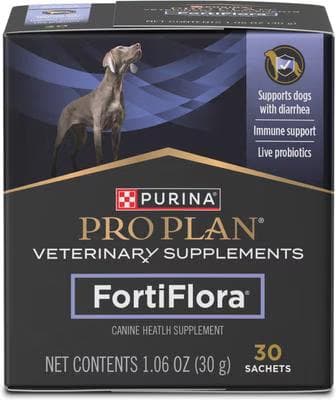
The #1 vet-recommended probiotic for dogs. Daily powder sachets with live probiotics support healthy digestion and firmer stools, and can help dogs coping with diarrhea or GI upset.
Webvet may earn a commission when you click through to Chewy, at no extra cost to you.
Oral Tablets (30 pcs)
| Qty/Size | Price as low as | Price per unit |
|---|---|---|
| 250 mg | $25.00 | $1.06 |
| 300 mg | $32.00 | $0.83 |
| 500 mg | $48.00 | $1.60 |
Compounded Liquid
| Qty/Size | Price as low as | Price per unit |
|---|---|---|
| 30 mL | $35.00 | $1.16 |
| 60 mL | $55.00 | $0.92 |
Typical Dosing for Ursodiol for Dogs and Cats
Ursodiol is usually given once or twice daily, depending on the pet’s condition and how well they tolerate it. Dosing is often based on mg per kilogram of body weight, but exact veterinary protocols vary. In canine and human studies, doses around 10 to 15 mg/kg/day have been used.
Webvet may earn a commission when you click through to Chewy, at no extra cost to you.
Oral Dosing
| Group | Typical Dose | Notes |
|---|---|---|
| Dogs (liver disease) | 10 to 15 mg/kg/day | Common therapeutic range. |
| Cats (cholangitis / liver disease) | 10 mg/kg/day | Often compounded for easier dosing. |
| Dogs with cholestasis | Vet-determined | Appetite and bloodwork often improve within 2 weeks. |
Reported side effects
Risks and Warnings for Ursodiol for Dogs and Cats
Ursodiol is generally considered safe, but some risks exist. Rare side effects may include vomiting, diarrhea, or mild gastrointestinal discomfort. In human case reports, ursodiol has been associated with paroxysmal atrial fibrillation, though this appears extremely rare and has not been documented widely in veterinary patients.
Pets with obstructions of the bile ducts, severe pancreatitis, or certain types of gallbladder disease may not be good candidates for ursodiol. Ursodiol should also be used with caution in pets with rapid changes in liver enzymes or unexplained abdominal pain.
Ursodiol for Dogs and Cats Warnings and Precautions
Use ursodiol carefully and only under veterinary guidance.
- Do not use if bile duct obstruction is suspected.
- Use caution with gallbladder disease or pancreatitis.
- Monitor liver values regularly during long-term use.
- Stop immediately if vomiting or abdominal discomfort worsens.
- Use carefully in pets with heart rhythm issues.
- Always administer with your veterinarian’s supervision.
Disclaimer: This information is for educational purposes only and should not replace professional veterinary advice. Always consult your veterinarian before using or combining any medications for your pet.
Frequently Asked Questions (FAQ)
What does ursodiol do for dogs?
It helps protect the liver, improve bile flow, and reduce inflammation in dogs with liver or biliary disease.
How long does ursodiol take to work?
Some dogs improve within two weeks, but full liver recovery may take months.
Can cats take ursodiol?
Yes. Cats with certain liver diseases, including lymphocytic cholangitis, may benefit from ursodiol therapy.
Are there side effects?
Side effects are uncommon but may include mild stomach upset or vomiting.
Can ursodiol be used long-term?
Yes. It is often used long-term in pets with chronic liver conditions, with periodic vet monitoring.
Related Medications & Supplements
Dogs receiving ursodiol for liver disease or gallbladder support may also need additional gastrointestinal medications to help manage inflammation, nausea, or digestive upset. These treatments are commonly used alongside bile acid therapies during liver care.
Webvet may earn a commission when you click through to Chewy, at no extra cost to you.
- Metronidazole - antibiotic with anti-inflammatory effects for GI disturbances
- Omeprazole - stomach acid reducer used for ulcers and reflux
- Famotidine - acid-reducing medication for gastric irritation
- Sucralfate - protective coating agent for stomach and intestinal ulcers
References
- Nicholson, B.T., Center, S.A., Randolph, J.F. & Rowland, P.J. (1996) ‘Effects of oral ursodeoxycholic acid in healthy cats on bile acid metabolism and liver histology’, Research in Veterinary Science, 61(1), pp. 6-12. Available at: https://www.sciencedirect.com/science/article/pii/S0034528896900740
- Rowe, J.C., et al. (2024) 'Fecal bile acid dysmetabolism and reduced ursodeoxycholic acid correlate with novel microbial signatures in feline chronic kidney disease.' Frontiers in Microbiology, 15, 1458090. Available at: https://pmc.ncbi.nlm.nih.gov/articles/PMC11532117/
- Verma, P., Arora, N., Kalita, J.C., Prasad, A., Mrigesh, M., Singh, A.K., Goswami, R. & Nayal, K. (2024) ‘Evaluating the effectiveness of ursodeoxycholic acid in various treatment approaches for canine liver dysfunction: a comparative study’, Journal of Advances in Biology & Biotechnology, 27(6), pp. 824-830. Available at: https://www.researchgate.net/publication/381015285_Evaluating_the_Effectiveness_of_Ursodeoxycholic_Acid_in_Various_Treatment_Approaches_for_Canine_Liver_Dysfunction_A_Comparative_Study
- Deitz, K.L., et al. (2015) ‘Effect of 6–8 weeks of oral ursodeoxycholic acid administration on serum concentrations of fasting and postprandial bile acids and biochemical analytes in healthy dogs’, Veterinary Clinical Pathology. Available at: https://onlinelibrary.wiley.com/doi/abs/10.1111/vcp.12275
- Otte, C.M.A., et al. (2014) ‘A morphological and immunohistochemical study of the effects of prednisolone or ursodeoxycholic acid on liver histology in feline lymphocytic cholangitis’, Journal of Feline Medicine & Surgery. Available at: https://journals.sagepub.com/doi/10.1177/1098612X14520811
$65 · no membershipNeed a prescription for Ursodiol?
A licensed vet can assess your pet over video and prescribe Ursodiol online when it's appropriate.
Talk to a vet- Licensed vets
- All 50 states
- same-day Rx
Webvet may earn a commission if you book.

Editor
The Webvet Editorial Team is the in-house group of pet-care editors and writers behind Webvet, operated by Smart Pet Collective. The team researches, writes, and maintains Webvet's pet health, behavior, and medication content. Every article follows a defined editorial process: research from reputable veterinary and scientific sources, careful drafting, mandatory review of medical content by a credentialed veterinarian, and dated publication. Health and medication articles are medically reviewed by a licensed veterinary professional before they go live and are kept current over time.
Veterinarian · BVMS MRCVS
Dr. Pippa Elliott, BVMS, MRCVS, is a veterinarian with nearly 30 years of experience in companion animal practice. Dr. Elliott earned her Bachelor of Veterinary Medicine and Surgery from the University of Glasgow. She was also designated a Member of the Royal College of Veterinary Surgeons. Married with 2 grown-up kids, Dr. Elliott has a naughty Puggle named Poggle, 3 cats and a bearded dragon.


