
Can dogs eat raspberries?
SafePlain raspberries are not recognized dog toxins. Plain fruit is unlike products with added xylitol; keep extras within the calorie plan.


Medically reviewed by Dr. Athena Gaffud, DVM · Last reviewed
Can Dogs Eat Raspberries?
Plain raspberries are not recognized as canine toxins and veterinary poison-control guidance includes them among fruits generally safe for pets in moderation. They remain optional, calorie-containing treats rather than supplements.
- 1Plain raspberries are not recognized canine toxins.
- 2Veterinary poison-control guidance includes plain raspberries among fruits generally safe for pets in moderation.
- 3Plain fruit is not comparable to concentrated added-xylitol gum, candy, medication, or baked goods.
- 4No berry count or body-size serving has been clinically validated.
- 5Jams, syrups, yogurt products, desserts, and sugar-free foods require their exact labels and amounts.

Treats should stay under 10% of your dog's daily calories. JustFoodForDogs makes the rest of it.
- Recipes developed by veterinary nutritionists
- Whole-food ingredients you can recognise
- Fresh meals delivered to your door
Webvet may earn a commission when you click through to JustFoodForDogs, at no extra cost to you.
Are plain raspberries safe for dogs?
A small amount of fresh plain fruit is generally treated as an optional food rather than a poisoning exposure. Individual tolerance, calories, chewing behavior, spoilage, and the complete diet still matter.

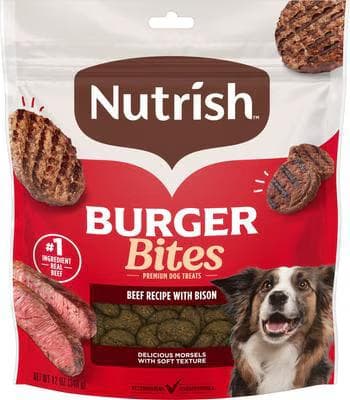
This is an optional dog treat. Review its current label, ingredients, calories, and feeding directions, and count it within the total daily extras.
Webvet may earn a commission when you click through to Chewy, at no extra cost to you.
Raspberries contain water, fiber, natural sugars, vitamins, minerals, plant compounds, and calories. Those facts do not establish immune, joint, brain, digestive, antioxidant, or disease-prevention benefits from a treat portion.
Plain raspberries versus products with added xylitol
Internet discussions sometimes compare raspberries with concentrated xylitol products. Veterinary poison-control guidance lists raspberries among fruits generally safe for pets, so plain fruit should not be treated like sugar-free gum, candy, medicine, or baked goods. The clinically useful distinction is qualitative rather than a home calculation. Intact berries and a sugar-free gum, candy, medicine, or baked good are not the same exposure. If a product contains added xylitol, the ingredient is deliberately concentrated and the dog needs prompt product- and dose-specific advice. A plain berry exposure should be assessed as plain fruit.
Merck's canine xylitol guidance addresses concentrated added-xylitol exposures that can cause hypoglycemia and liver injury. Plain raspberries are not comparable to concentrated added xylitol, and owners should not create home dose calculations from fruit. Classify the raspberry product before assessing the fruit. Fresh or unsweetened frozen berries differ from jam, syrup, yogurt, smoothies, baked goods, gummies, chocolate-coated fruit, trail mix, liqueur, and sugar-free products. Check the label for xylitol, chocolate, raisins, alcohol, caffeine, macadamia nuts, dairy, and package materials. Sugar-free wording alone does not confirm xylitol, so verify the ingredient panel or contact the manufacturer. For a dog, confirmed xylitol in a processed raspberry product is a separate urgent question from naturally occurring trace amounts reported in the plain fruit.

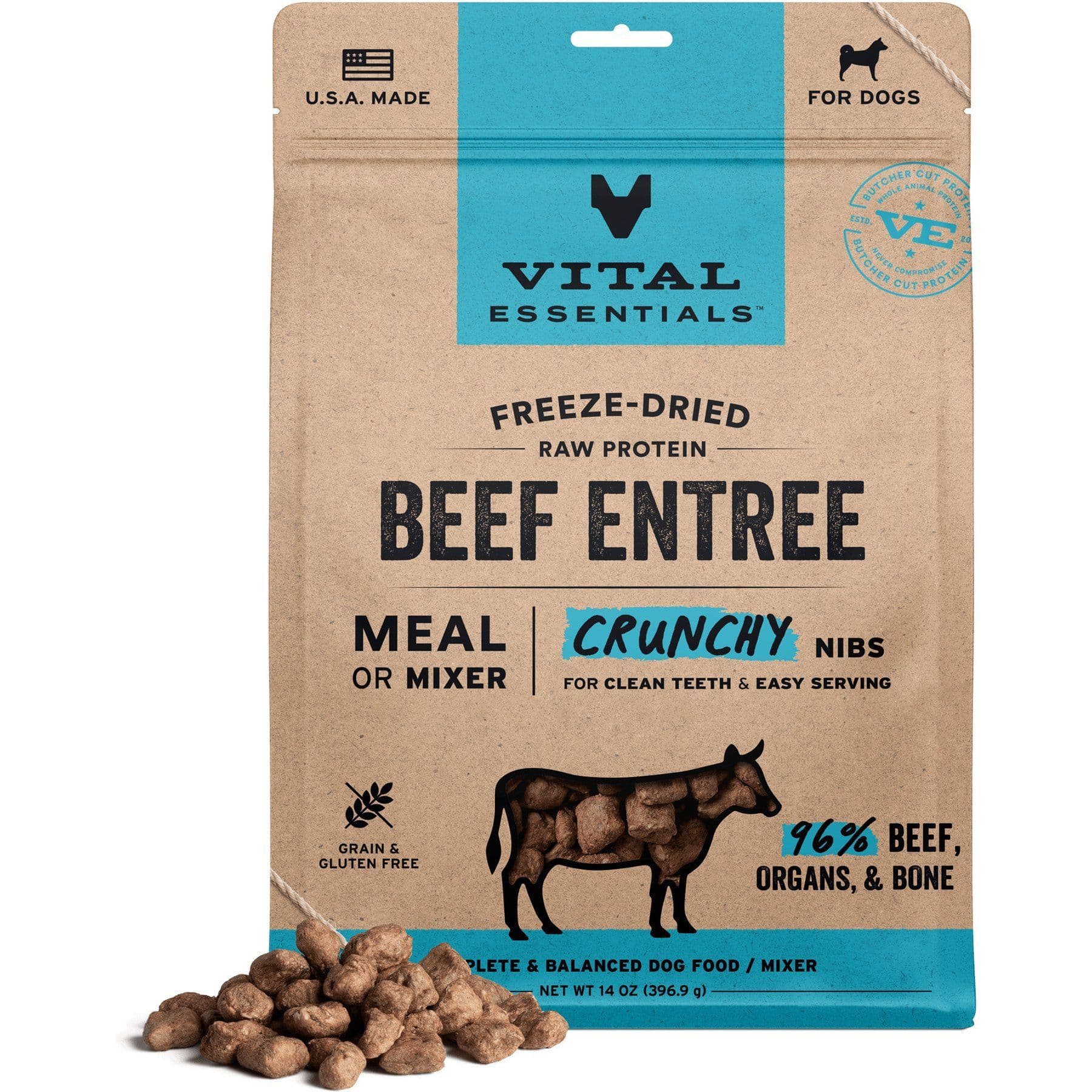
This is an optional dog treat. Review its current label, ingredients, calories, and feeding directions, and count it within the total daily extras.
Webvet may earn a commission when you click through to Chewy, at no extra cost to you.
How much raspberry can a dog have?
There is no evidence-based raspberry serving by dog size. If plain fruit fits the dog, count it with all other treats and keep the total within the individual calorie allowance.
A berry count ignores fruit size, dog energy need, every other extra, and medical or prescription-diet restrictions. Start from the complete diet rather than turning a toxicology discussion into a feeding table.
Fresh, frozen, canned, jammed, and flavored products
Fresh and unsweetened frozen raspberries have relatively simple ingredient profiles. Check frozen blends for grapes or other ingredients and inspect fruit for spoilage, mold, stems, packaging, or foreign material.
Jam, jelly, syrup, yogurt, pie, baked goods, drinks, and candy can contain added sugar, concentrated sweeteners, chocolate, alcohol, raisins, or xylitol. Product labels and recipes determine the concern. Sugar-free does not always mean xylitol, and a sweet product does not automatically contain it. Read the ingredient list for xylitol and its alternate label terms rather than guessing from marketing. If the label is missing or the product came from a bakery, contact the maker when possible. Keep photographs of packaging and note how much product, not just how many berries, is missing.

| Product | How to assess it |
|---|---|
| Fresh plain raspberries | Optional fruit; consider calories, tolerance, and chewing |
| Unsweetened frozen fruit | Check blend ingredients and thaw or prepare for the individual dog |
| Jam, jelly, or syrup | Review sugar, sweeteners, concentration, and portion |
| Dessert or sugar-free product | Check xylitol, chocolate, alcohol, raisins, packaging, and amount |
A dog that gulps frozen fruit or swallows a large clump may have a texture or choking concern, but outcome depends on the object and dog. Prepare pieces for the individual chewing style.
Gastrointestinal tolerance varies
An unsuitable amount of fruit may cause gas, loose stool, or vomiting in an individual dog, but signs are not guaranteed and do not prove xylitol poisoning. Stop the food and monitor the actual response. Introduce any optional fruit separately from other new foods so a reaction is easier to interpret. Wash fresh berries, discard moldy or fermented fruit, and prevent access to stems, containers, and compost. Gastrointestinal tolerance is an individual outcome and should not be advertised as a predictable fiber benefit or used as evidence that trace xylitol caused illness.
Repeated vomiting, marked weakness, collapse, tremors, seizures, abdominal pain, blood, or persistent diarrhea warrants veterinary care. A confirmed added-xylitol exposure needs prompt advice even before signs appear. Record the dog's weight, medical conditions, total product missing, time, and symptoms. Whole berries, frozen clumps, stems, leaves, mold, skewers, wrappers, and blender parts can add physical or spoilage concerns. Repeated vomiting, diarrhea with lethargy, tremors, weakness, collapse, difficulty breathing, or suspected xylitol or package ingestion warrants prompt advice. During an elimination trial, even plain fruit can interfere with interpretation. In a weight-loss plan, count berries with dental chews, training rewards, toppers, and food used for medication so repeated extras do not quietly replace complete nutrition.
Raspberries and dogs with medical diets
There is no blanket raspberry ban for puppies, seniors, diabetes, obesity, kidney disease, pancreatitis, or gastrointestinal disease. The diagnosis, calorie target, therapeutic diet, and fruit preparation determine whether extras fit.
Puppies need complete growth nutrition and small dogs have smaller calorie allowances, but those facts do not create a universal berry count or make plain raspberries an added-xylitol exposure.

Choosing another optional fruit
Blueberries, strawberries, apple, and other fruits are not automatically better without comparing preparation, calories, seeds or pits, product ingredients, and the individual dog.
Fruit is optional. Familiar veterinarian-approved treats within the dog's calorie allowance are easier to manage than switching foods for unproven antioxidant or vitamin benefits.
Frequently asked questions
The key distinction is between plain fruit and a processed product. Plain raspberries are not recognized toxins, while added xylitol or another confirmed hazardous ingredient requires its own exposure assessment. Wash plain fresh berries and discard moldy fruit before any planned use. Frozen berries should be separated rather than offered as a hard mass, and stems, skewers, leaves, and containers should stay inaccessible to dogs that gulp food.

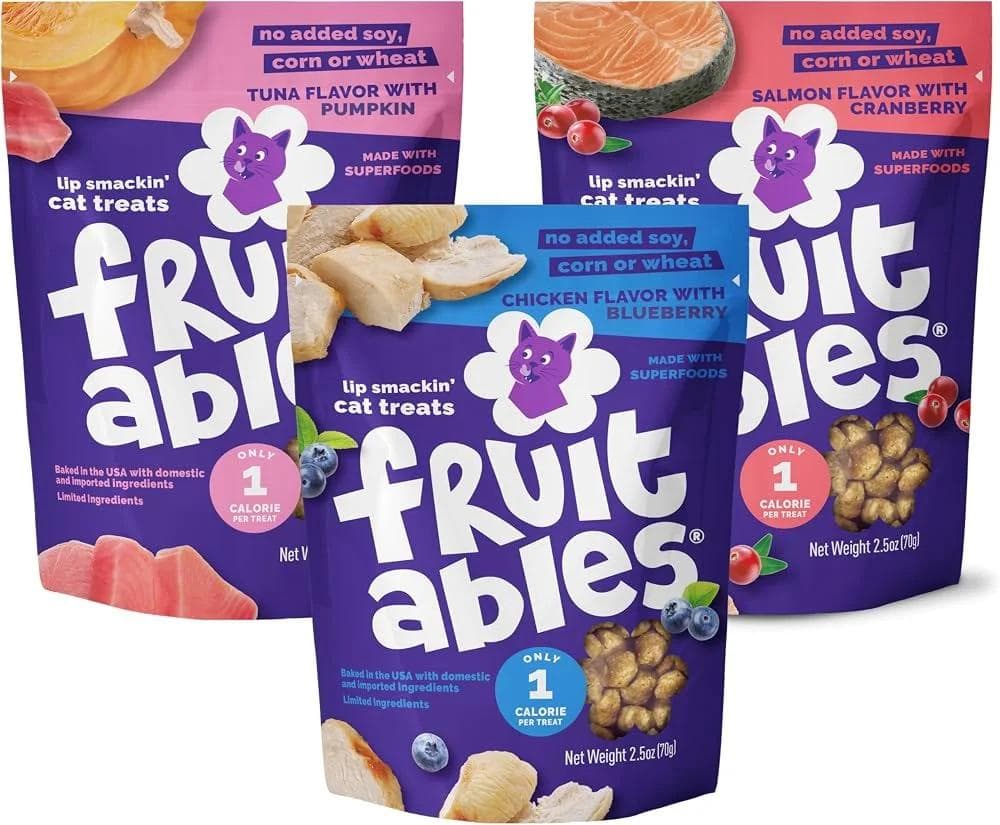
This is an optional dog treat. Review its current label, ingredients, calories, and feeding directions, and count it within the total daily extras.
Webvet may earn a commission when you click through to Chewy, at no extra cost to you.
Frequently Asked Questions
How many raspberries can I give my dog?
No evidence-based berry count exists. Count plain raspberries within the individual dog's complete treat-calorie allowance.
Can dogs eat raspberries every day?
Plain raspberries are not comparable to concentrated added-xylitol products such as some sugar-free gums and candies.
Can dogs eat frozen raspberries?
Unsweetened frozen raspberries can be assessed like plain fruit, with attention to blend ingredients, texture, spoilage, and amount.
Are raspberry seeds or the plant safe for dogs?
Jam and yogurt products vary. Check added xylitol, sugar, chocolate, raisins, alcohol, calories, and the total amount.
What other berries can dogs eat?
A small plain exposure is generally monitored. Confirmed added xylitol, severe signs, or a concerning mixed product needs prompt advice.
More safe treats
More fruits for dogs
Sources
- Pet Poison Helpline: Labor Day Pet Tips
Veterinary poison-control guidance includes raspberries among fruits that are generally safe for pets in moderation, while mixed products need ingredient review.
- Merck Veterinary Manual: Xylitol Toxicosis in Dogs
Canine xylitol risk depends on the ingredient, product concentration, amount, and dog weight; hypoglycemia has been associated with exposures above 100 milligrams per kilogram.
- AAHA: Nutritional Risk Factors
Noncomplete foods above 10 percent of daily calories can dilute essential nutrients; individual medical and life-stage factors require assessment.
- Merck Veterinary Manual: Gastrointestinal Obstruction in Small Animals
Foreign-body and choking concerns depend on object and patient characteristics; a food texture does not guarantee obstruction.
Reviewed by Dr. Athena Gaffud, DVM
General guidance based on credible veterinary sources; not a diagnosis or a substitute for your veterinarian. If your pet ate something toxic or is unwell, contact your vet or a pet poison line right away.