
Can dogs eat whipped cream?
Safe in moderationPlain whipped cream is not a balanced dog treat; check calories, lactose, fat, ingredients, and amount, with confirmed xylitol handled urgently.


Medically reviewed by Dr. Athena Gaffud, DVM · Last reviewed
Can Dogs Eat Whipped Cream?
A lick of plain whipped cream is not automatically a poisoning event in a dog. It is calorie-dense supplemental food, and the product, lactose tolerance, fat, amount, frequency, co-ingredients, and medical history matter. Check the exact product and preparation before offering more. The amount eaten, the dog's weight, current diet, health history, and any symptoms are more useful than the food name alone. Keep the package or recipe until the exposure has been assessed, and list every ingredient in a mixed product.
- 1Plain whipped cream is not a balanced dog treat; check calories, lactose, fat, ingredients, and amount, with confirmed xylitol handled urgently.
- 2No universal serving of whipped cream is established by body weight alone.
- 3Whipped cream products can differ in preparation, co-ingredients, calories, texture, and packaging.
- 4Assess the exact whipped cream form, maximum amount, patient history, and symptoms rather than relying on the food name alone.
- 5Keep the product information and call for concerning symptoms or a confirmed hazardous ingredient.

Treats should stay under 10% of your dog's daily calories. JustFoodForDogs makes the rest of it.
- Recipes developed by veterinary nutritionists
- Whole-food ingredients you can recognise
- Fresh meals delivered to your door
Webvet may earn a commission when you click through to JustFoodForDogs, at no extra cost to you.
Can dogs eat whipped cream?
Homemade cream, canned dairy topping, non-dairy topping, flavored foam, coffee-shop cups, light products, and sugar-free products have different ingredients and calorie densities. A classification for one form does not automatically apply to a mixed dish, concentrated product, spoiled food, or swallowed packaging. If the dog already ate some, record the time and maximum amount and watch appetite, activity, vomiting, stool, abdominal comfort, and drinking.

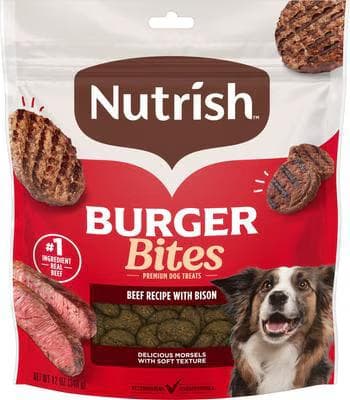
This is an optional dog treat. Review its current label, ingredients, calories, and feeding directions, and count it within the total daily extras.
Webvet may earn a commission when you click through to Chewy, at no extra cost to you.
Low acute toxicologic concern for one plain whipped cream exposure would not prove that routine use is nutritionally useful or appropriate for every patient. A dollop does not establish pancreatitis, obesity, diabetes, or diarrhea. Dogs with a therapeutic diet, prior pancreatitis, diabetes, or a calorie restriction need product-specific advice. Complete dog food should remain the nutritional base.
Xylitol and the exact ingredient list
Lactase activity can decline after weaning, but tolerance varies and prevalence cannot be inferred for every adult. A lick does not predict diarrhea, obesity, diabetes, or pancreatitis. Tolerance also varies. A new food may be followed by vomiting, loose stool, gas, reduced appetite, or no signs, and that observation alone does not diagnose allergy, pancreatitis, poisoning, or another disease. Stop the extra and call if signs are significant, persistent, or recurrent. Lactose, fat, calories, flavorings, sweeteners, and medical history affect advice for a cream exposure.
Cans, caps, straws, cups, foil seals, and packaging may be part of the exposure. Report swallowed objects separately from the cream ingredients. If a solid piece or package was swallowed, report its dimensions, material, whether it was chewed, and the time of ingestion. Do not force food or water, give oil or bread, or induce vomiting unless a veterinarian or poison specialist directs you.

Lactose and individual tolerance
Check sweeteners, chocolate, coffee, alcohol-containing flavor concentrates, alliums in savory foam, and packaging. Confirmed xylitol is the time-sensitive canine toxicology concern, not a light or sugar-free marketing term by itself. Save the label and any remaining food. The product, amount, patient, and symptoms determine whether the concern is toxicologic, nutritional, gastrointestinal, or mechanical.
Call immediately for confirmed xylitol, or for weakness, collapse, tremors, seizures, repeated vomiting, marked pain, breathing difficulty, or missing packaging. Record when each sign began and whether it is stable, improving, or worsening while arranging advice.
Why whipped cream has no universal serving
There is no universal household serving of whipped cream based only on body weight. Teaspoons, cubes, pieces, or weekly schedules leave out product calories, every other treat, body condition, activity, life stage, and medical needs. If a veterinarian approves an occasional portion, use the exact product's calories and the dog's individual feeding plan. Aerosol topping, homemade cream, non-dairy foam, coffee-shop cups, and sugar-free products vary substantially.
| Situation | What matters |
|---|---|
| Plain whipped cream | Product, amount, calories, tolerance |
| Mixed or seasoned product | Full ingredient list and maximum amount |
| Physical hazard | Piece size, form, packaging, symptoms |
| Medical or prescription diet | Diagnosis and nutrient targets |
Count whipped cream with chews, toppers, table scraps, pill foods, dental products, and flavored supplements. Repeated small extras can become a meaningful share of daily calories even when a single taste is not expected to cause acute illness.

What to know about whipped cream
Young animals, pregnant or nursing pets, seniors, and patients with chronic disease may have different calorie or nutrient targets. During a prescription diet or elimination trial, even a plain extra can interfere with the plan. Ask the treating veterinarian before making whipped cream routine.
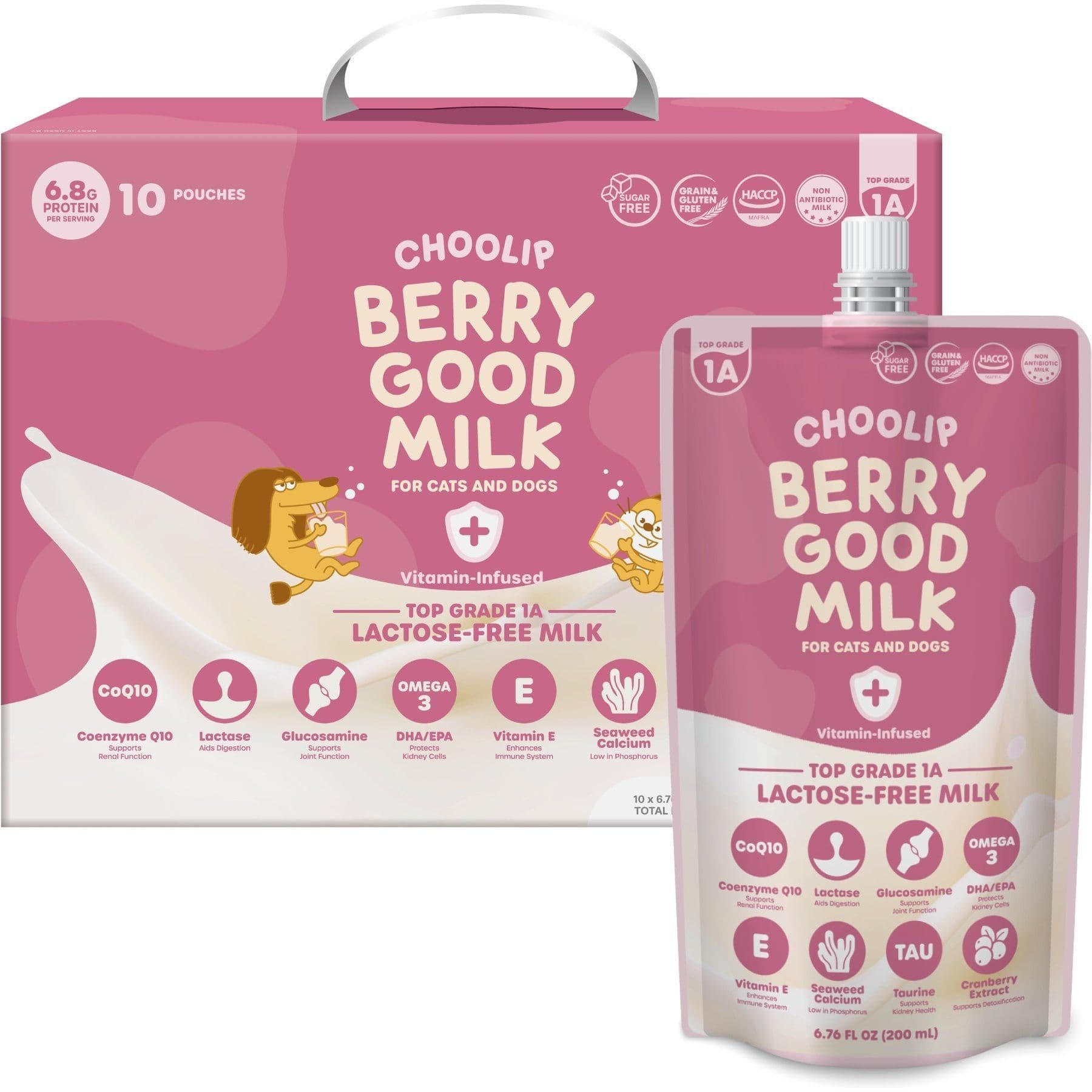
This is an optional dog milk treat. Review its current label, calories, serving directions, and the individual pet's tolerance before use.
Webvet may earn a commission when you click through to Chewy, at no extra cost to you.
Count all whipped cream extras against the individual calorie plan and monitor body weight and body condition over time. Calorie control is different from using the food to treat a disease.
Whipped cream forms and preparation
Read the full label before deciding what was eaten. Light, diet, or sugar-free wording does not prove that xylitol is present; only the actual ingredient list establishes that exposure. Keep spoiled food, cooking scraps, and wrappers out of reach. Refrigerate leftovers according to the human-food label, use clean utensils, and discard any product with unexpected odor, color, damage, or mold.
Risks to assess with whipped cream
Prior disease, medications, pregnancy, growth, and a prescribed diet can change how a veterinarian interprets calories, fat, sodium, hydration, or gastrointestinal signs.

When the amount of whipped cream is uncertain, report the largest amount that could be missing. Do not divide the estimate among several pets unless each animal's intake was directly observed.
What to do after an exposure
After an unplanned whipped cream exposure, remove access and write down the time, form, ingredients, maximum amount, dog's weight, medical conditions, medications, and current signs. Bring the package or clear photographs when seeking advice. A veterinarian or animal poison service can decide whether home observation, an examination, testing, or treatment is appropriate. Include caps, straws, foil seals, cup fragments, and coffee-shop flavorings in the exposure history.
Other optional rewards
Do not present yogurt, pumpkin, or berries as proven healthier treatments. The regular complete food is the most predictable reward; compare any alternative by calories, ingredients, tolerance, and diet constraints. A measured portion of the regular complete food is often the easiest reward to track. If whipped cream does not fit this dog's calorie allowance, food trial, prescription diet, or tolerance, there is no nutritional need to substitute another human food.

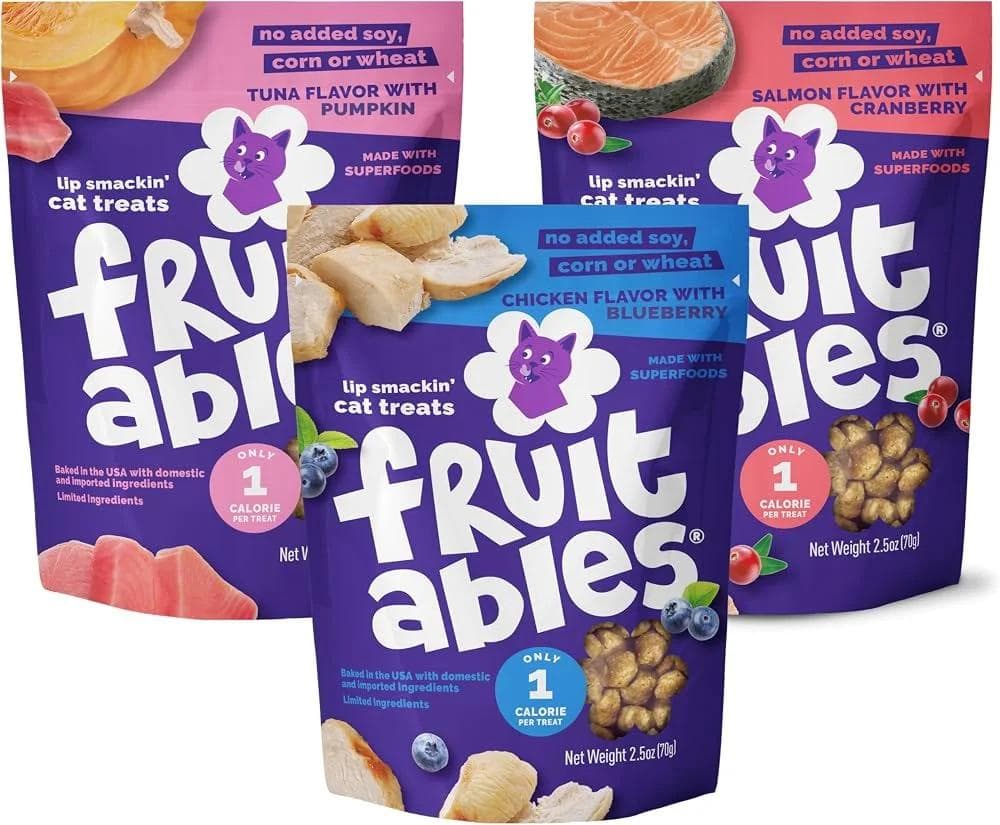
This is an optional dog treat. Review its current label, ingredients, calories, and feeding directions, and count it within the total daily extras.
Webvet may earn a commission when you click through to Chewy, at no extra cost to you.
Frequently Asked Questions
Can dogs eat whipped cream?
The exact whipped cream product, preparation, amount, patient, and current symptoms determine the practical advice. Keep the label or recipe.
Which form of whipped cream matters most?
Plain and mixed whipped cream products can differ in ingredients, calories, concentration, texture, and physical hazards. Report the maximum amount eaten.
How much whipped cream is appropriate?
No universal serving is established. If a veterinarian approves this optional food, use its calories and the individual dog's feeding plan.
When should I call a veterinarian?
Call promptly for severe, persistent, or worsening signs, or for a confirmed hazardous ingredient or swallowed object. Weakness, tremors, collapse, repeated vomiting, breathing changes, or missing packaging need prompt advice. Bring the package and exposure details.
Does whipped cream provide a health benefit?
No clinical benefit from a household serving is established. Whipped cream is optional and should not replace complete dog food.
More safe treats
More dairy & eggs for dogs
Sources
- Merck Veterinary Manual: Malabsorption Syndromes in Small Animals
Lactase activity may decline after weaning and dairy tolerance varies; dairy should not be used to treat an animal with diarrhea.
- Merck Veterinary Manual: Xylitol Toxicosis in Dogs
Confirmed xylitol ingestion can cause rapid, dose-dependent hypoglycemia and sometimes liver injury in dogs; the ingredient list and dose matter.
- Merck Veterinary Manual: Nutritional Requirements of Small Animals
Dogs and cats need species- and life-stage-appropriate complete nutrition; isolated foods do not establish a balanced diet or clinical benefit.
- Merck Veterinary Manual: Pancreatitis in Dogs and Cats
Pancreatitis is multifactorial, so one fatty taste cannot predict the diagnosis or outcome in an individual dog or cat.
Reviewed by Dr. Athena Gaffud, DVM
General guidance based on credible veterinary sources; not a diagnosis or a substitute for your veterinarian. If your pet ate something toxic or is unwell, contact your vet or a pet poison line right away.