
Can dogs eat strawberries?
SafeFresh plain strawberry flesh is generally low risk for dogs; use exact calories, prepare for chewing, and check processed-product labels.


Medically reviewed by Dr. Athena Gaffud, DVM · Last reviewed
Can Dogs Eat Strawberries?
Fresh plain strawberry flesh is generally a low-risk optional food for dogs. It contains water, fiber, natural sugar, vitamins, minerals, plant compounds, and calories, but a nutrient list does not establish antioxidant, immune, digestive, fullness, dental, weight-loss, or disease-prevention benefits from a treat portion.
- 1Fresh plain strawberry flesh is generally low risk for dogs.
- 2A nutrient list does not establish a clinical benefit from a treat portion.
- 3No berry-count, body-size, or daily serving table is evidence based.
- 4Tops are not known toxins; preparation and choking risk are individualized.
- 5Check processed products for actual xylitol, chocolate, alcohol, raisins, and other ingredients.

Treats should stay under 10% of your dog's daily calories. JustFoodForDogs makes the rest of it.
- Recipes developed by veterinary nutritionists
- Whole-food ingredients you can recognise
- Fresh meals delivered to your door
Webvet may earn a commission when you click through to JustFoodForDogs, at no extra cost to you.
Are strawberries safe for dogs?
ASPCA includes strawberries among foods that can be shared with pets. That guidance does not create a berry dose, treatment claim, or suitability rule for every dog. Individual tolerance, calories, chewing, spoilage, complete diet, and medical plan still matter.

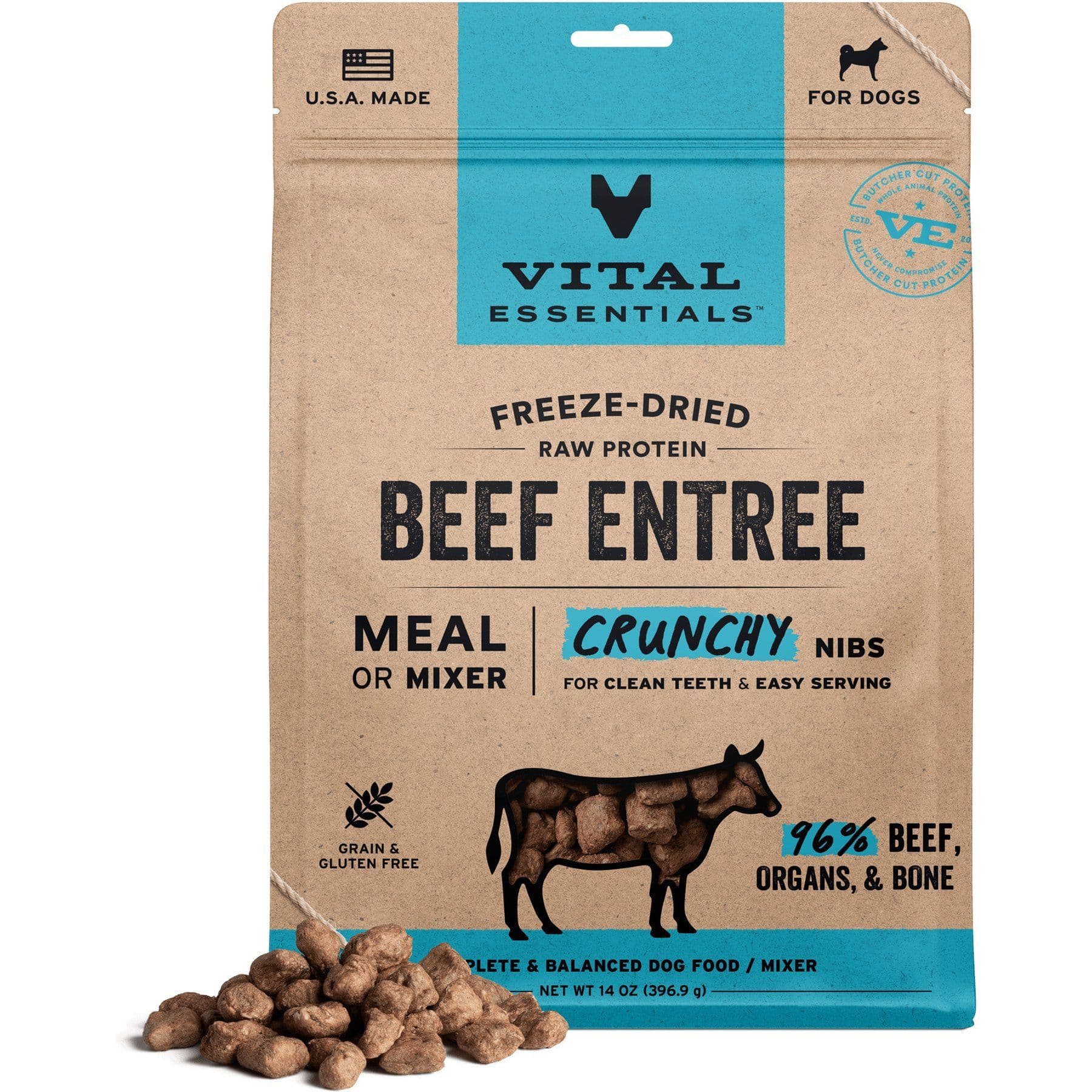
This is an optional dog treat. Review its current label, ingredients, calories, and feeding directions, and count it within the total daily extras.
Webvet may earn a commission when you click through to Chewy, at no extra cost to you.
Strawberries are not uniquely high in sugar compared with every fruit, and sugar is not the only consideration. Use the exact product's calories and carbohydrate plan rather than banning the fruit across diabetes, pancreatitis, kidney disease, obesity, and every other diagnosis.
What strawberries contain and what that does not prove
A dog eating complete food does not need strawberries for vitamin C, antioxidants, fiber, hydration, or immune support. Optional fruit should not be used to treat constipation, diarrhea, appetite, inflammation, or weight.
Leaves and tops are not known dog toxins. Removing them can improve texture and simplify preparation. A whole berry can be a choking concern for an individual dog depending on berry size, dog size, chewing, and speed, but it is not universally dangerous.
| What strawberries contain | What a treat does not prove |
|---|---|
| Water | A hydration treatment |
| Fiber | Constipation, diarrhea, or fullness treatment |
| Natural sugar and calories | A universal diabetes or obesity ban |
| Vitamins and minerals | Correction of a deficiency |
| Plant compounds | Antioxidant or immune clinical benefit |

Do strawberries clean a dog's teeth?
Fresh fruit and processed strawberry products are different. Jam, syrup, yogurt, ice cream, candy, baked goods, chocolate-covered fruit, and sugar-free products can contain very different calories and ingredients. Assess the exact recipe rather than transferring the plain-fruit answer.
Why no universal strawberry serving exists
No evidence-based berry count, body-size table, or daily allowance exists. Strawberry sizes vary, and a count ignores the dog's calorie needs, every other treat, body condition, complete diet, and medical restrictions.
If a healthy dog tolerates plain strawberry and the veterinarian has not restricted extras, count its exact calories within the total treat allowance. Puppies need complete growth nutrition; age and diagnosis require individual review, not a universal fruit table.
| Situation | How to decide |
|---|---|
| Healthy adult | Exact calories and total extras |
| Puppy | Keep complete growth food primary |
| Medical or prescription diet | Ask the treating veterinarian |
| Whole large berry | Prepare for individual chewing |
| Processed product | Read every ingredient and amount |
How to prepare strawberries for your dog
Wash fresh fruit, discard moldy or fermented berries, and cut it into a texture suitable for the individual dog. Remove tops as a preparation choice, not because they are a known poison. Prevent access to containers, skewers, wrappers, and compost. Store berries in a closed container, discard moldy fruit, and keep compost inaccessible because fermentation and mold create different concerns from fresh fruit. If several dogs shared a container, report the maximum each could have eaten rather than assuming equal amounts. A berry picked from a garden may also carry pesticide residue, fertilizer, slug bait, or foreign material; identify the full exposure. During an elimination diet, strawberries and flavored products can invalidate the trial. If fruit is used for training, premeasure the day's portion so repeated rewards remain countable. Stop offering it if the dog develops reproducible gastrointestinal signs, but do not diagnose allergy, pancreatitis, diabetes, or kidney injury from one episode. Persistent or severe signs need veterinary evaluation. Classify the strawberry product. Fresh plain fruit differs from jam, syrup, yogurt, smoothies, baked goods, chocolate coatings, gummies, liqueur, fruit salad, and foods labeled sugar-free. Check xylitol, chocolate, raisins, alcohol, caffeine, dairy, macadamia nuts, sweeteners, skewers, wrappers, and container lids. Sugar-free wording alone cannot identify the sweetener, so preserve the ingredient panel or contact the manufacturer. Moldy berries and garden fruit treated with chemicals also require details beyond the word strawberry.

This is an optional dog treat. Review its current label, ingredients, calories, and feeding directions, and count it within the total daily extras.
Webvet may earn a commission when you click through to Chewy, at no extra cost to you.
Fresh and unsweetened frozen fruit are simpler to assess than mixed products. Frozen pieces may be hard or clumped. Check fruit blends for grapes or raisins and prepare the texture for the dog's chewing behavior.
Fresh vs frozen vs canned strawberries
Canned fruit, jam, jelly, syrup, yogurt, desserts, drinks, and candy can add sugar, concentrated sweeteners, chocolate, alcohol, raisins, dairy, fat, and packaging. Sugar-free does not always mean xylitol, and strawberry-flavored does not prove fruit content.
| Form | Assessment |
|---|---|
| Fresh plain | Optional if calories and tolerance allow |
| Unsweetened frozen | Check blend and texture |
| Canned or syrup | Review sugar, sweeteners, calories, and amount |
| Yogurt or dessert | Review dairy, fat, sugar, chocolate, and alcohol |
| Sugar-free product | Check whether xylitol is actually listed |
Risks and what to watch for
Xylitol is a serious dog concern when the product label actually lists xylitol, birch sugar, or wood sugar. Do not imply that strawberry products usually contain it. Keep the label, amount, time, and dog weight and contact a veterinarian or poison service promptly for a confirmed exposure. After a raid, record the dog's weight, medical conditions, timing, maximum amount missing, and symptoms. Repeated vomiting, pronounced lethargy, tremors, weakness, breathing difficulty, collapse, or confirmed xylitol or packaging ingestion warrants prompt advice. During an elimination trial, plain fruit can still invalidate results. In a calorie plan, count berries with chews, toppers, training food, and medication treats. A dog that tolerates strawberries still needs complete dog food to supply required nutrition.
A small plain fruit exposure is generally monitored. Seek care for repeated vomiting, marked diarrhea, abdominal pain, weakness, facial swelling, breathing difficulty, tremors, seizures, collapse, or a confirmed hazardous ingredient. Do not induce vomiting unless directed.

Puppies, seniors, and dogs with health conditions
There is no blanket strawberry ban for every dog with diabetes, pancreatitis, kidney disease, food allergy, or obesity. The exact diagnosis, calorie target, therapeutic diet, and fruit preparation determine whether extras fit. Do not change a prescription plan without the treating veterinarian.
Choosing another optional dog treat
Another fruit is not automatically safer or more beneficial. Compare calories, pits or seeds, texture, spoilage, product ingredients, and the dog's individual plan. A measured portion of regular complete food is often the easiest reward to track.
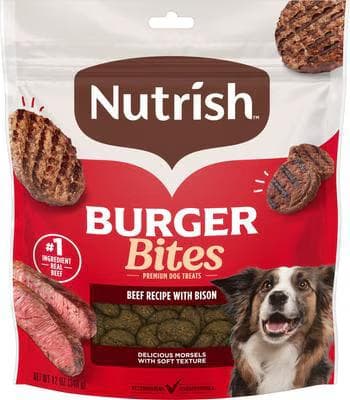
This is an optional dog treat. Review its current label, ingredients, calories, and feeding directions, and count it within the total daily extras.
Webvet may earn a commission when you click through to Chewy, at no extra cost to you.
Frequently asked questions
Are strawberries toxic to dogs?
Fresh plain strawberry flesh is generally low risk as an optional dog treat.
Can dogs eat strawberries every day?
No evidence-based berry count, body-size serving, or daily allowance exists.
Can dogs eat strawberry tops and leaves?
Leaves and tops are not known dog toxins; removing them is mainly a preparation choice.
Can dogs have frozen or freeze-dried strawberries?
Whole-fruit choking risk depends on berry size, dog size, and chewing.
Can puppies eat strawberries?
Check processed-product labels for actual xylitol, chocolate, alcohol, raisins, and other ingredients.
What should I do if my dog ate too many strawberries?
Medical and prescription diets require individual approval rather than a blanket strawberry ban.

More safe treats
More fruits for dogs
Sources
- ASPCA APCC: Foods You Can Safely Share with Your Pet
ASPCA includes plain strawberries among foods generally suitable for sharing, without establishing a therapeutic benefit or body-size serving.
- AAHA: Nutritional Risk Factors
Noncomplete foods above 10 percent of daily calories can dilute essential nutrients, and medical and life-stage factors require individual assessment.
- Merck Veterinary Manual: Nutritional Requirements of Small Animals
Complete diets control nutrient intake; limited-ingredient home mixtures can be inadequate, and processed plant ingredients can be digested and used.
- Merck Veterinary Manual: Gastrointestinal Obstruction in Small Animals
Foreign-body risk depends on the object, amount, and patient rather than being guaranteed by a shell, hull, skin, seed, or bone.
Reviewed by Dr. Athena Gaffud, DVM
General guidance based on credible veterinary sources; not a diagnosis or a substitute for your veterinarian. If your pet ate something toxic or is unwell, contact your vet or a pet poison line right away.