
Can cats eat strawberries?
Safe in moderationFresh plain strawberry flesh is not a recognized cat toxin, but it is optional; direct feline serving data are limited and labels matter.


Medically reviewed by Dr. Athena Gaffud, DVM · Last reviewed
Can Cats Eat Strawberries?
Fresh plain strawberry flesh is not a recognized feline toxin. It is an optional food with limited direct cat-specific feeding data, not a required nutrient source or a proven serving. A small plain exposure should be distinguished from sweetened, chocolate-covered, alcoholic, moldy, packaged, or sugar-free products.
- 1Fresh plain strawberry flesh is not a recognized feline toxin.
- 2Direct cat-specific feeding and serving evidence is limited.
- 3Cats can use some plant-derived nutrients, although fruit is optional.
- 4A study in six healthy cats did not reproduce the canine xylitol syndrome.
- 5Mixed products still require their actual ingredients, amount, packaging, and symptoms.

Treats should stay under 10% of your cat's daily calories. Smalls makes the rest, built around the meat an obligate carnivore actually needs.
- Human-grade ingredients, protein first
- Built for obligate carnivores
- Fresh meals delivered to your door
Webvet may earn a commission when you click through to Smalls, at no extra cost to you.
Are Strawberries Safe for Cats?

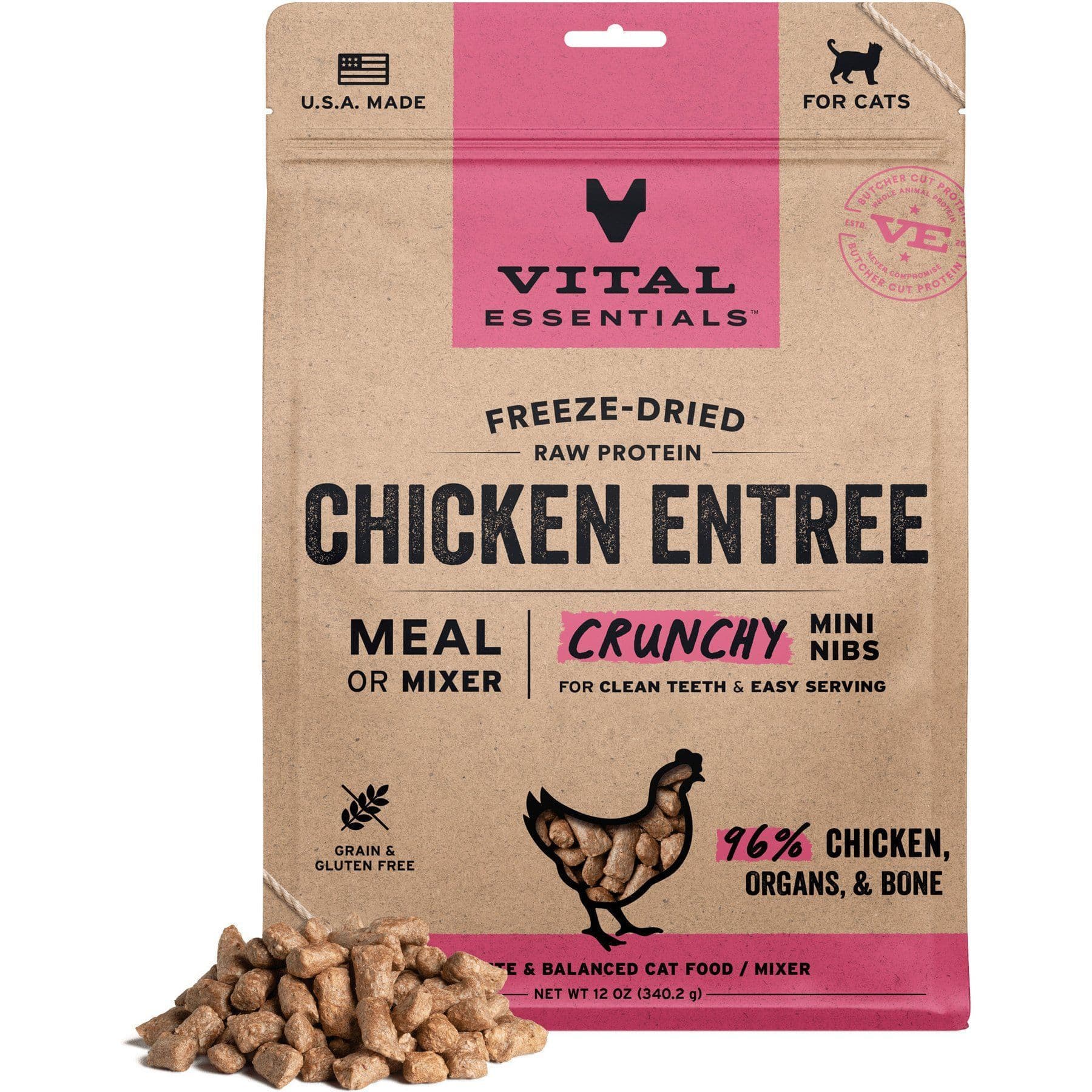
This is an optional cat treat. Review its current label, ingredients, calories, and feeding directions, and count it within the total daily extras.
Webvet may earn a commission when you click through to Chewy, at no extra cost to you.
Strawberries contain water, fiber, natural sugar, vitamins, minerals, plant compounds, and calories. Those facts do not establish immune, digestive, antioxidant, urinary, coat, hydration, or disease benefits from a taste.
Obligate carnivory describes a cat's required nutrients; it does not mean cats gain nothing from every plant food or lack all machinery to use plant-derived nutrients. Complete feline food should provide essential nutrition, and fruit remains optional.
What strawberries contain and what that does not prove
No evidence-based feline strawberry serving or one-piece rule exists. Direct feline data are limited, so guidance should remain cautious without inventing a toxicity threshold. Use total treat calories and do not displace complete food.
Kittens need complete growth nutrition, but their developing systems do not make a small plain strawberry a special poison. Senior cats and cats with medical diets require individual review based on diagnosis and the complete plan.

This is an optional cat treat. Review its current label, ingredients, calories, and feeding directions, and count it within the total daily extras.
Webvet may earn a commission when you click through to Chewy, at no extra cost to you.
A cat's interest or refusal does not prove nutritional value or toxicity. Do not force fruit, hide it in a needed complete meal, or use it to treat constipation, hairballs, appetite, or hydration.
Why no universal feline strawberry serving exists
If an optional plain taste fits the cat, wash the berry, discard spoilage, and use a manageable texture. Leaves and tops are fibrous but are not known feline toxins, and a small amount is not automatically an intestinal blockage. Wash fruit under clean running water and discard moldy, fermented, or damaged berries. Remove a stem or leafy top when it improves texture, not because the top is a known toxin. Cut a large or frozen piece for the individual cat's chewing style and avoid hard frozen clumps. Keep skewers, plastic clamshells, absorbent pads, wrappers, and compost inaccessible. If several pets had access, report the maximum each could have eaten rather than assuming equal shares. A cat that develops diarrhea after yogurt may be reacting to dairy, fat, sugar, another ingredient, or the amount; the response does not prove every cat is lactose intolerant. Stop the product and let a veterinarian assess persistent signs. Garden fruit can also involve pesticide residue, fertilizer, slug bait, or foreign material, so identify the whole exposure. During an elimination diet, fruit or flavored products can invalidate results. If a cat refuses complete food but licks strawberry yogurt or syrup, do not use the sweet food as an appetite solution. Persistent poor appetite needs veterinary assessment, and repeated toppers can make balanced intake harder to measure.
| Situation | Evidence-calibrated response |
|---|---|
| Small plain taste | Generally monitor the individual cat |
| No interest | Do not force fruit or interpret refusal as toxicity |
| Medical or prescription diet | Ask the treating veterinarian |
| Processed product | Review every ingredient, amount, and package |
No diagnosis creates a universal strawberry outcome. Cats with diabetes, obesity, kidney disease, gastrointestinal disease, or a prescription diet need the treating veterinarian's full calorie and nutrient plan. The natural sugar in fruit is one part of that assessment, not a blanket toxicologic rule. A small plain exposure is usually evaluated from the individual cat and actual response.

Preparing an optional plain strawberry taste
Fresh and unsweetened frozen fruit are simpler to assess than jam, syrup, yogurt, desserts, drinks, gummies, chocolate-covered berries, and sugar-free products. Check every label and recipe.
Dairy tolerance varies. Yogurt is not guaranteed to cause diarrhea, nor is it necessary for probiotics. Product fat, sugar, sweeteners, chocolate, alcohol, raisins, flavorings, and calories determine the concern.
Risks to Watch For
Canine xylitol toxicosis should not be imported into cats as established fact. In a controlled study, six healthy cats did not reproduce the canine xylitol syndrome of hypoglycemia and liver injury at the tested doses. Identify the exact strawberry product. Fresh plain fruit differs from jam, syrup, yogurt, smoothies, baked goods, chocolate coatings, gummies, liqueur, fruit salad, and products labeled sugar-free. Review chocolate, alcohol, raisins, caffeine, dairy, sweeteners, nuts, skewers, wrappers, and container lids separately. Sugar-free marketing does not identify the sweetener. Keep the ingredient panel or contact the manufacturer when the formula is unclear, and mention mold or garden chemicals if those were possible.
The six-cat study is too small to establish safety for every sugar-free mixed product. If a cat eats a product with added xylitol, obtain the label, amount, time, symptoms, and professional advice rather than applying a universal triage outcome. For a bakery, restaurant, homemade dessert, flavored medicine, supplement, or unlabeled sugar-free product, obtain the full recipe or contact the manufacturer. Sugar-free is not synonymous with xylitol, and xylitol may appear under alternate names such as birch sugar or wood sugar. The six-cat study addresses oral xylitol under controlled conditions in healthy cats; it does not assess every co-ingredient, kitten, ill cat, chronic exposure, or packaged product. Chocolate, alcohol, raisins, caffeine, dairy, excessive calories, and packaging retain their own risks regardless of the xylitol evidence. Save the label and report the maximum amount the cat could have eaten. Do not induce vomiting or give dog poison remedies at home. If professional monitoring is recommended, ask which signs and time frame apply to that exact product. A small plain berry exposure can usually be separated from a complex dessert, while repeated vomiting, marked lethargy, weakness, tremors, seizures, collapse, breathing difficulty, or swallowed packaging warrants prompt care. Provide the cat's weight, health conditions, maximum amount missing, timing, and behavior after a raid. Repeated vomiting, pronounced lethargy, tremors, breathing difficulty, collapse, abdominal pain, or refusal of normal food warrants veterinary advice. Cats should not receive hydrogen peroxide or dog-oriented emetics. During an elimination trial, any strawberry outside the prescribed diet can compromise results. Renal, urinary, diabetic, gastrointestinal, and weight-management plans may also require extras to be excluded or counted individually.

Choosing another optional cat treat
No treat is automatically best because it is meat or fruit. Choose by complete diet, calories, ingredients, texture, medical plan, and tolerance. A measured portion of regular complete food is often easiest to track.
This is a dental cat treat. Follow the current label and ask your veterinarian how it fits alongside tooth brushing and professional dental care.
Webvet may earn a commission when you click through to Chewy, at no extra cost to you.
Cats on prescription diets, elimination trials, calorie restriction, or disease-management plans may appropriately receive no strawberry because extras interfere with the plan, not because plain fruit is proved toxic.
Frequently Asked Questions
Why do some cats seem to go crazy for strawberries?
Fresh plain strawberry flesh is not a recognized feline toxin, but direct feeding data are limited.
Can cats eat strawberry leaves or the green top?
No evidence-based one-piece or body-size serving exists for cats.
Can kittens eat strawberries?
Leaves and tops are not known toxins and do not guarantee obstruction.
Can cats have strawberry yogurt or strawberry ice cream?
A study in six healthy cats did not reproduce the canine xylitol syndrome.
How often can a cat have strawberries?
The small xylitol study cannot establish safety for every sugar-free mixed product; obtain product-specific advice.

More safe treats
More fruits for cats
Sources
- ASPCA APCC: Foods You Can Safely Share with Your Pet
ASPCA includes plain strawberries among foods generally suitable for sharing, without establishing a therapeutic benefit or body-size serving.
- Journal of Veterinary Pharmacology and Therapeutics: Xylitol in Cats
A controlled study in six healthy cats did not reproduce canine hypoglycemia or liver injury; the small study does not prove all products harmless.
- Cornell Feline Health Center: Feeding Your Cat
Cats require complete feline nutrition, treats should remain limited, and dairy tolerance varies among adult cats.
- Merck Veterinary Manual: Nutritional Requirements of Small Animals
Complete diets control nutrient intake; limited-ingredient home mixtures can be inadequate, and processed plant ingredients can be digested and used.
- Merck Veterinary Manual: Gastrointestinal Obstruction in Small Animals
Foreign-body risk depends on the object, amount, and patient rather than being guaranteed by a shell, hull, skin, seed, or bone.
Reviewed by Dr. Athena Gaffud, DVM
General guidance based on credible veterinary sources; not a diagnosis or a substitute for your veterinarian. If your pet ate something toxic or is unwell, contact your vet or a pet poison line right away.