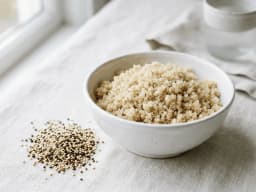
Can cats eat quinoa?
Safe in moderationDirect feline quinoa-feeding data are limited. Cats digest processed starch, but quinoa has no validated feline serving or proven treat benefit.


Medically reviewed by Dr. Athena Gaffud, DVM · Last reviewed
Can Cats Eat Quinoa?
Direct feline quinoa feeding data are limited. Healthy cats can digest properly processed starch, but that broader evidence does not establish a quinoa serving, health benefit, or need for this optional food.
- 1Direct feline quinoa feeding data are limited.
- 2Controlled research shows healthy cats can digest several properly processed starches.
- 3No pea-size, teaspoon, or body-size quinoa serving has been validated for cats.
- 4Retail quinoa processing and package directions matter because saponin levels vary.
- 5Salt and butter differ from dose-dependent allium hazards; assess the actual recipe.

Treats should stay under 10% of your cat's daily calories. Smalls makes the rest, built around the meat an obligate carnivore actually needs.
- Human-grade ingredients, protein first
- Built for obligate carnivores
- Fresh meals delivered to your door
Webvet may earn a commission when you click through to Smalls, at no extra cost to you.
Can cats eat quinoa?
Quinoa is not recognized as a feline toxin, but direct feline feeding research is limited. That calls for cautious, optional use rather than either a guarantee or a categorical prohibition. Evidence from dogs or from commercial ingredient use cannot be treated as a feline household feeding trial. A small accidental exposure to plain prepared quinoa is different from recommending it daily, and uncertainty should be stated plainly. Cats with food-responsive disease, a hydrolyzed or novel-protein diet, diabetes, urinary disease, or calorie restriction may have reasons to avoid any unplanned extra even when it is not a toxin.

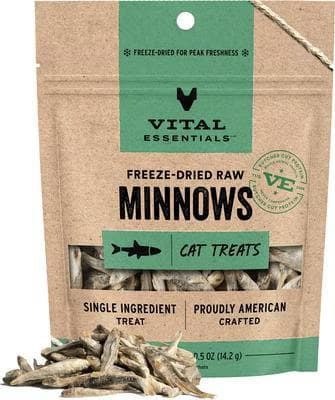
This is an optional cat treat. Review its current label, ingredients, calories, and feeding directions, and count it within the total daily extras.
Webvet may earn a commission when you click through to Chewy, at no extra cost to you.
A healthy cat's ability to digest processed starch does not make quinoa complete feline nutrition. Complete cat food should remain primary, and treats should occupy only a limited calorie share.
What feline starch research does and does not show
A controlled feeding study found high digestibility for several extruded starch sources in healthy cats. The study was not a quinoa trial, so it cannot prove feline quinoa safety at every amount or a specific benefit. Processing affects starch structure and digestibility, which is why data from extruded complete diets do not automatically describe dry raw grain or a home-cooked spoonful. The research is useful for correcting the absolute claim that cats cannot digest starch, but it does not prove how an individual cat will tolerate quinoa or whether it adds value to a balanced meal. Quinoa can appear as a processed ingredient in complete cat food, where the entire formula is designed to meet feline nutrient needs. That use differs from a bowl of plain cooked grain and from dry uncooked quinoa. Record whether an exposure involved rinsed cooked grain, raw grain, sprouts, a seasoned salad, a patty, or a packaged meal. Check recipes for onion, garlic, raisins, chocolate, xylitol, avocado, sauces, sodium, and packaging. Product preparation and ingredients provide more useful information than a general label such as grain-free or ancient grain.
Obligate carnivory describes species-specific nutrient requirements. It does not mean cats are incapable of digesting all starch or that a plant ingredient is automatically nutritionally unusable.
Saponins and retail quinoa preparation
Quinoa saponins are concentrated in the outer layers. FAO notes that most saponin is removed before quinoa is sold, and many retail products may also be labeled prewashed or processed. Saponin levels differ by cultivar and by polishing, abrasion, washing, or other processing before retail sale. A prewashed package and unprocessed seed are not the same starting material. Bitter taste may suggest residual saponin, but owners cannot use taste to calculate a feline dose. Choose food-grade quinoa and follow the package instead of promising that one preparation sequence neutralizes every product.

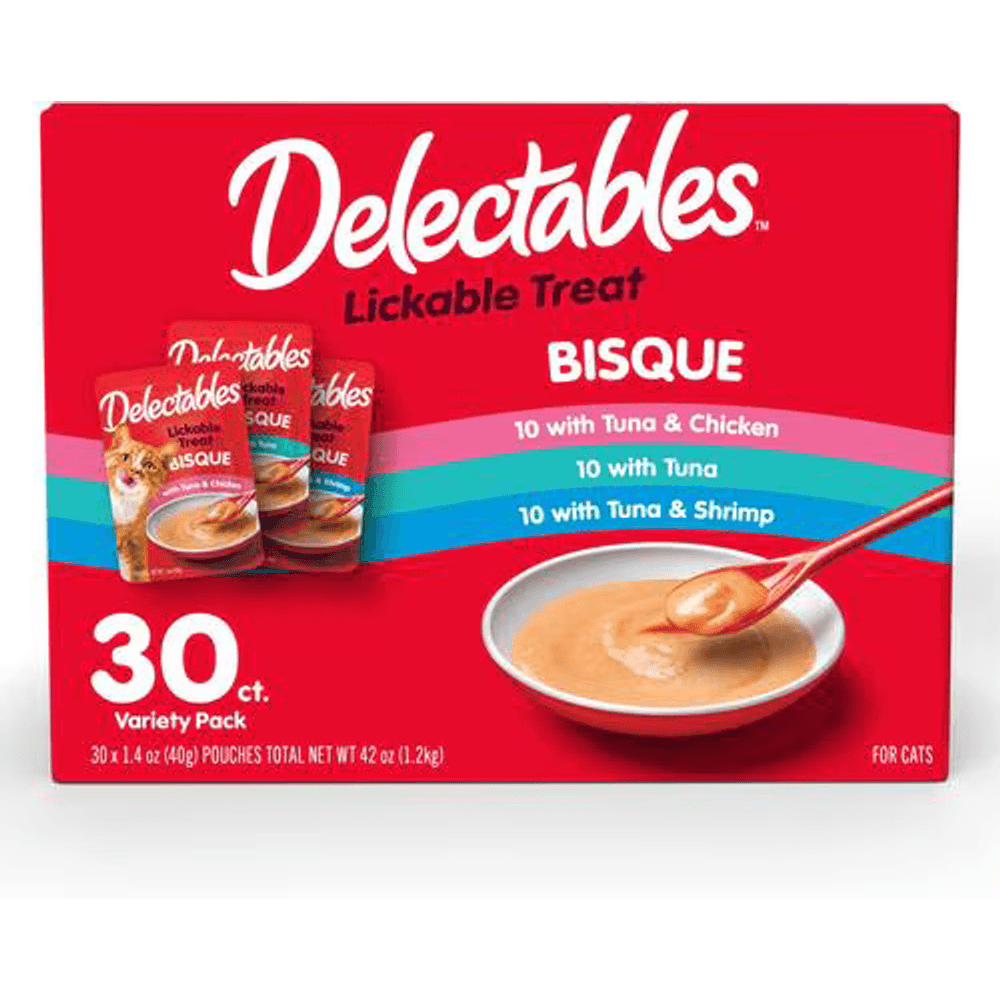
This is an optional cat treat. Review its current label, ingredients, calories, and feeding directions, and count it within the total daily extras.
Webvet may earn a commission when you click through to Chewy, at no extra cost to you.
In one food-chemistry study, washing reduced saponins in the tested quinoa and cooking did not reduce them further. Follow the product label instead of promising that both rinsing and cooking always remove a toxin. Cool cooked quinoa before any exposure and refrigerate leftovers promptly. Spoilage, mold, or prolonged room-temperature storage creates a food-safety question that is separate from saponin and feline starch digestibility.
| Decision factor | What to check | Why it matters |
|---|---|---|
| Retail product | Processing and package directions | Starting saponin levels and preparation vary |
| Recipe | Alliums, sodium, fat, broth, and other ingredients | Mixed dishes are not plain quinoa |
| Cat and diet | Calories, medical history, and prescription diet | No universal feline serving exists |
| Clinical response | Vomiting, diarrhea, appetite, pain, or weakness | Signs require individual assessment |
Recipe and exposure concerns
Butter, oil, cheese, and salt can alter calories, sodium, or tolerance but are not poisons at every amount. Onion and garlic are separate dose-dependent allium hazards and should be confirmed on the recipe. A mixed quinoa dish may contain broth, onion, garlic, cheese, butter, oil, raisins, nuts, sauce, or alcohol, and the cat may also swallow foil or plastic. Reconstruct the whole exposure. Sodium on a nutrition label, a confirmed allium ingredient, and a foreign object each require different risk assessment rather than a single seasoned-quinoa warning.
Dry uncooked quinoa may be awkward to eat and can absorb water, but a universal feline blockage outcome has not been established. Assess the amount, other material, swallowing, and clinical signs. Cats enrolled in elimination trials or receiving renal, urinary, gastrointestinal, diabetic, or weight-management diets may need every extra excluded or counted. A new grain should not be used as a casual test for allergy or digestive disease because flavored medicines, treats, toppers, and other ingredients confound the result. After an accidental exposure, repeated vomiting, diarrhea, facial swelling, breathing difficulty, marked lethargy, or refusal of normal food warrants veterinary advice. A cat that ignores quinoa does not need encouragement, and a cat that accepts it still requires complete feline food as the nutritional foundation.

Quinoa in commercial cat food
An ingredient's presence in a complete commercial food does not validate spooning it onto every cat's bowl. Formulation, processing, nutrient balance, feeding trials, and the finished product all matter. Finished-food quality and suitability must be judged from the complete product, not one ingredient in isolation.
Choosing an optional feline treat
No meat, grain, or vegetable is automatically the best treat for every cat. Compare calories, complete nutrition, preparation, individual tolerance, and any therapeutic-diet restrictions.
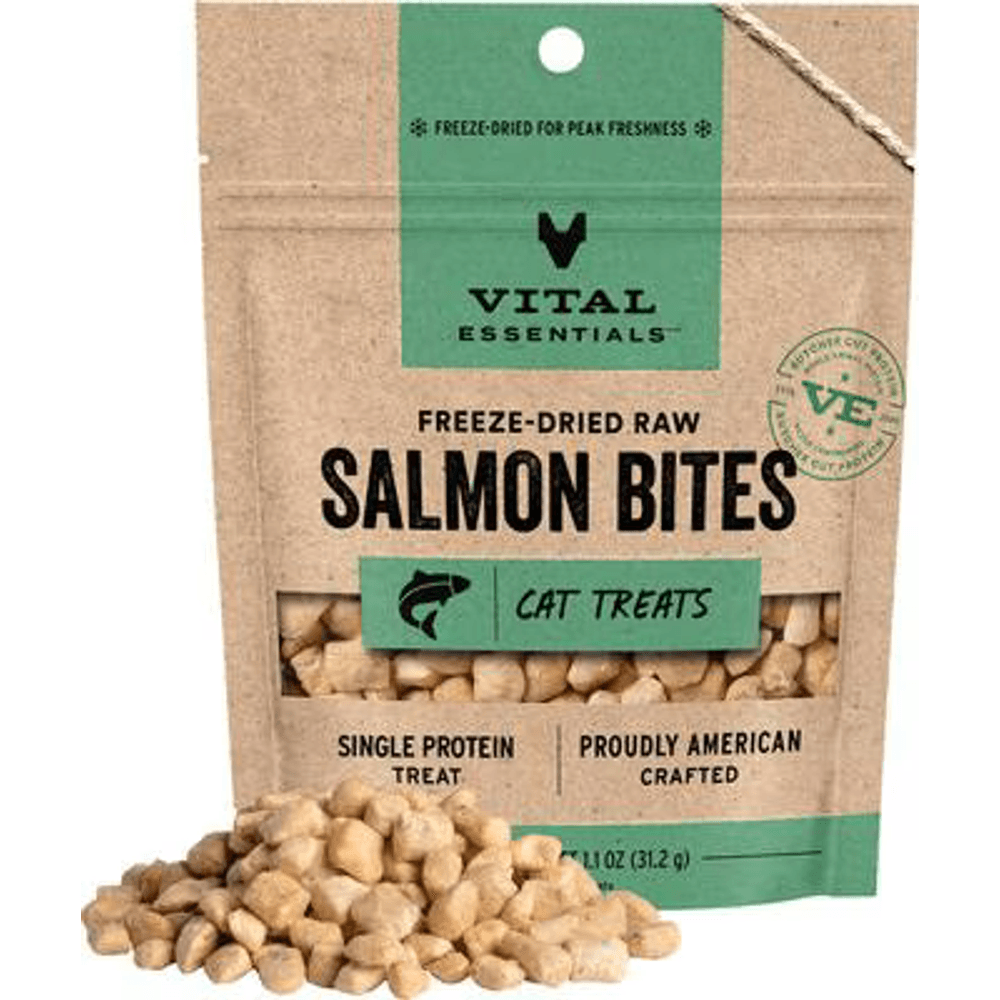
This is an optional cat treat. Review its current label, ingredients, calories, and feeding directions, and count it within the total daily extras.
Webvet may earn a commission when you click through to Chewy, at no extra cost to you.
Kittens need complete growth food, and seniors may have changing medical or calorie needs. That supports individualized advice, not a blanket age ban on quinoa. During a food trial, even a tiny unplanned ingredient can make the trial difficult to interpret. Cats receiving hydrolyzed, novel-protein, renal, urinary, diabetic, or weight-management diets should use treats specifically cleared for that plan. This restriction reflects clinical management, not proof that quinoa is a feline poison. When quinoa appears in a complete commercial cat food, assess the finished formula and its adequacy statement. The ingredient's presence alone cannot diagnose intolerance, and switching repeatedly among grain labels may make a careful food history harder to interpret.
Frequently asked questions
Can cats eat quinoa?
Direct feline quinoa feeding data are limited. A small plain exposure is assessed from product, amount, cat, and signs rather than declared universally safe.
Is quinoa or rice better for cats?
Cats can digest properly processed starch, but that does not prove quinoa is necessary or clinically beneficial.
Can cats eat raw quinoa?
No evidence-based pea-size or teaspoon serving exists. Count any optional extra within the individual calorie plan.
How much quinoa can a cat eat?
Follow the retail package. Processing and washing history change saponin context, and cooking is not proved to remove every residual saponin.
What should I do if my cat ate seasoned quinoa?
Kittens, seniors, and cats on therapeutic diets need individualized feeding decisions rather than a blanket quinoa rule.

More safe treats
More grains & bread for cats
Sources
- Journal of Animal Science: Carbohydrate Digestibility in Cats
Healthy cats showed high digestibility for several properly processed starch sources, contradicting claims that cats cannot digest starch.
- FAO: Quinoa, An Ancient Crop to Contribute to World Food Security
FAO explains that saponins are concentrated in the grain's outer layers and that most are removed before quinoa is sold; product processing still varies.
- Food Chemistry: Effect of Washing and Cooking on Quinoa Saponins
In tested quinoa, washing reduced saponins while subsequent cooking did not further reduce them, showing why blanket rinse-and-cook claims are too absolute.
- Cornell Feline Health Center: Feeding Your Cat
Cats need complete feline nutrition; treats should remain limited, and dairy tolerance varies because many adult cats are lactose intolerant.
- AAHA: Nutritional Risk Factors
Noncomplete foods above 10 percent of daily calories can dilute essential nutrients; individual medical and life-stage factors require assessment.
- Merck Veterinary Manual: Garlic and Onion Toxicosis
Allium risk depends on the actual ingredient, concentration, amount, species, and patient rather than a food category alone.
- Merck Veterinary Manual: Salt Toxicosis in Animals
Salt toxicosis is dose-dependent and strongly influenced by fresh-water access; sodium's presence alone does not establish poisoning.
Reviewed by Dr. Athena Gaffud, DVM
General guidance based on credible veterinary sources; not a diagnosis or a substitute for your veterinarian. If your pet ate something toxic or is unwell, contact your vet or a pet poison line right away.