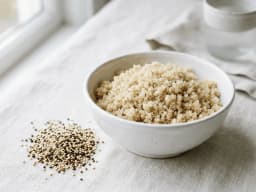
Can dogs eat quinoa?
Safe in moderationProperly processed plain quinoa can be digested by dogs, but no validated treat serving or clinical benefit is established. Check the product.


Medically reviewed by Dr. Athena Gaffud, DVM · Last reviewed
Can Dogs Eat Quinoa?
Properly processed quinoa can be digested by dogs, but that does not establish a household serving or health benefit. Treat plain quinoa as an optional calorie-containing extra, not a necessary grain or supplement.
- 1A study in ten beagles found complete extruded diets containing quinoa were well digested.
- 2That formulated-diet study does not validate a spoonful serving or clinical benefit.
- 3Commercial quinoa may already have much of the saponin-rich outer layer removed, so retail processing matters.
- 4Follow the product instructions; rinsing and cooking do not have one universal saponin effect.
- 5Salt and butter are nutritional questions, while onion and garlic are separate dose-dependent hazards.

Treats should stay under 10% of your dog's daily calories. JustFoodForDogs makes the rest of it.
- Recipes developed by veterinary nutritionists
- Whole-food ingredients you can recognise
- Fresh meals delivered to your door
Webvet may earn a commission when you click through to JustFoodForDogs, at no extra cost to you.

Can dogs digest quinoa?
In one controlled study, ten beagles consumed complete extruded diets with 40 percent quinoa and showed high apparent digestibility. The study evaluated formulated diets, not quinoa offered as an isolated treat.
The small sample and specific processing limit what can be inferred. It does not prove improved stool, digestion, energy, muscle, immunity, or disease management from adding cooked quinoa at home.
Saponins, retail processing, washing, and cooking
Quinoa naturally has saponins concentrated in its outer layers. FAO notes that most saponin is removed before quinoa is sold, but retail processing and starting levels still vary by product. Saponin levels differ with variety and how the grain was polished, washed, or otherwise processed before sale. A package labeled prewashed is not the same starting material as unprocessed seed. Bitter taste may signal residual saponin, but taste cannot quantify an exposure or prove toxicity. For routine preparation, use a reputable food product and follow its directions rather than applying a single internet rule to every quinoa product.
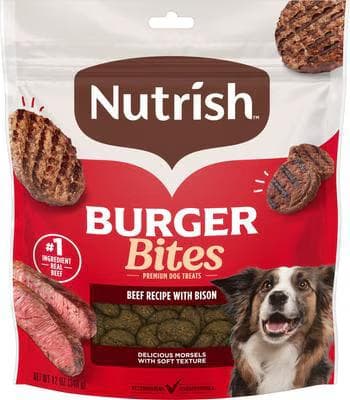
This is an optional dog treat. Review its current label, ingredients, calories, and feeding directions, and count it within the total daily extras.
Webvet may earn a commission when you click through to Chewy, at no extra cost to you.
A food-chemistry study found washing reduced saponins in the tested quinoa, while subsequent cooking did not further reduce them. That result makes the blanket claim that rinsing and cooking are both mandatory for toxin removal too strong.

How to prepare an optional plain quinoa taste
Use quinoa intended for human consumption and follow the package, including rinsing if directed. Cook it plainly for palatability and texture, cool it, and do not assume washing can make a spoiled or contaminated product suitable. Keep three different uses separate: quinoa included in a formulated complete dog food, plain cooked quinoa offered as an extra, and uncooked grain or a mixed human dish. A digestibility study of complete extruded diets does not provide a kitchen serving for loose quinoa. For a household exposure, record whether the grain was dry, rinsed, cooked, seasoned, sprouted, spoiled, or part of a salad, bowl, burger, or baked product. Save labels and recipes because onion, garlic, raisins, chocolate, xylitol, avocado, sauces, sodium, and packaging may change the assessment.
A prepared dish may include broth, onion, garlic, butter, oil, salt, cheese, sauce, raisins, nuts, or other ingredients. Assess each recipe from its actual contents and amount.
How much quinoa can a dog have?
No evidence-based quinoa serving exists by dog size. If plain cooked quinoa fits the dog's diet, count it within all treats and extras and keep the complete, balanced food primary.

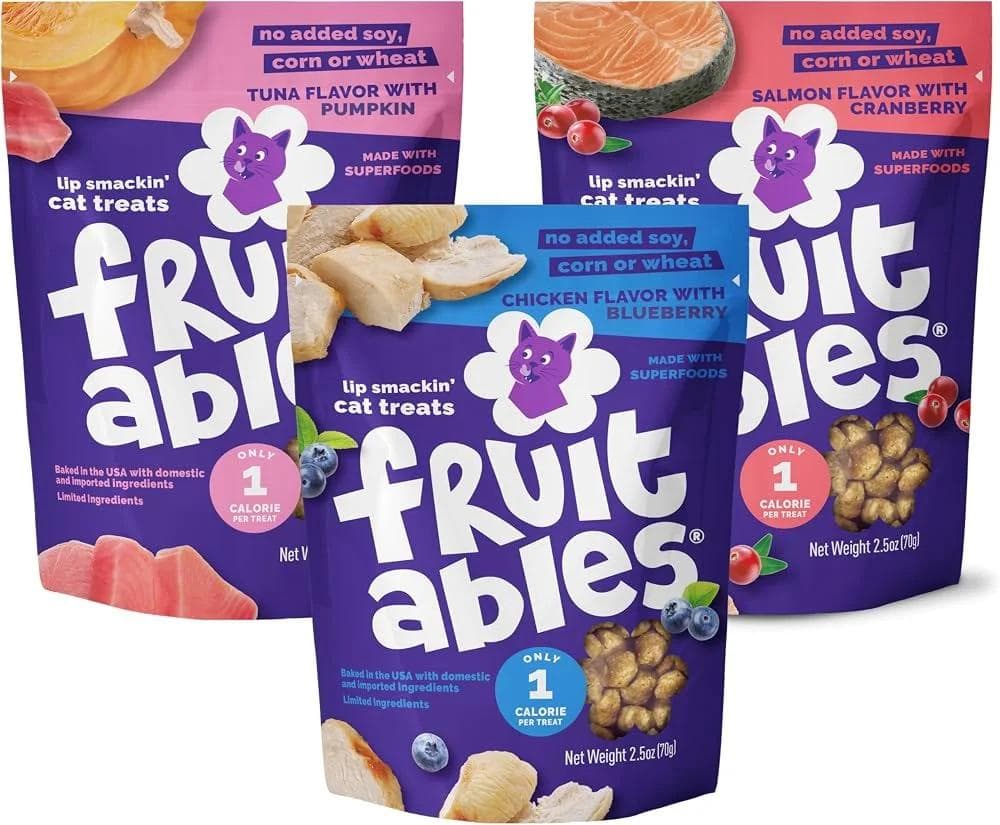
This is an optional dog treat. Review its current label, ingredients, calories, and feeding directions, and count it within the total daily extras.
Webvet may earn a commission when you click through to Chewy, at no extra cost to you.
| Decision factor | What to check |
|---|---|
| Retail product | Processing status and package preparation directions |
| Complete diet | Treat calories and whether extras displace balanced food |
| Recipe | Broth, alliums, sodium, fat, sweeteners, and other ingredients |
| Dog | Medical history, prescription diet, tolerance, and clinical signs |
A teaspoon or tablespoon table can look precise without being clinically meaningful. Body weight is only one input; daily energy need, product calories, all other treats, and medical diet determine the available allowance.
Quinoa is not a treatment for loose stool or constipation
Quinoa contains fiber, protein, fat, vitamins, minerals, and calories, but a nutrient list does not prove a digestive or stool benefit. A dog with recurring gastrointestinal signs needs diagnosis rather than an assumed grain remedy.
Repeated vomiting, persistent diarrhea, abdominal pain, poor appetite, bloating, weakness, or blood warrants veterinary evaluation. Introducing quinoa should not delay care or replace a prescribed gastrointestinal diet.
Puppies, seniors, and dogs with medical conditions
Age alone does not make quinoa unsafe, and there is no blanket exclusion for diabetes, pancreatitis, kidney disease, or a sensitive stomach. The individual diagnosis and full diet determine whether any extra is appropriate. If quinoa is considered during a suspected food reaction, use the veterinarian's formal diet-trial instructions. Adding plain quinoa, rotating grains, or choosing a product marketed as ancient grain cannot identify an allergen by itself. Every treat, flavored medication, chew, topper, and shared bowl can affect a trial. After an accidental exposure, watch for vomiting, diarrhea, itching, facial swelling, breathing difficulty, or marked lethargy and seek care according to severity. Repeatedly feeding a tolerated grain still adds calories and can displace complete nutrition, while refusal of quinoa is not evidence of intolerance or a nutritional deficiency.
Puppies need complete growth nutrition, and seniors may have changing calorie or medical needs. That supports caution with unbalanced extras, not an ingredient-specific ban or serving chart.

What to do after an exposure
After a small amount of plain prepared quinoa, observe the individual dog. Save the recipe or label and seek advice for a hazardous co-ingredient, a large or uncertain amount, repeated gastrointestinal signs, weakness, tremors, or another concerning symptom. When reconstructing a mixed-dish exposure, ask whether the quinoa was plain or cooked in broth and whether it contained onion, garlic, raisins, nuts, butter, oil, cheese, sauce, or packaging. Note whether the dog ate cooked grain, dry grain, or the entire meal. The most important issue may be a co-ingredient, total calorie load, or swallowed object rather than quinoa itself.
Dry uncooked quinoa may expand with water and can be difficult for some dogs to eat comfortably, but no evidence establishes that every exposure causes blockage. Assess amount, access to water, chewing, and signs.
Choosing another optional carbohydrate
Rice, oats, barley, potato, and other foods are not automatically safer or healthier without comparing preparation, calories, complete diet, and patient needs. Use the option recommended for the individual dog. When a complete commercial diet lists quinoa, evaluate the finished diet's adequacy statement, calories, manufacturer information, and the dog's response rather than judging the formula from that ingredient alone. Ingredient position also cannot reveal the dog's individual tolerance or diagnose an adverse food reaction.
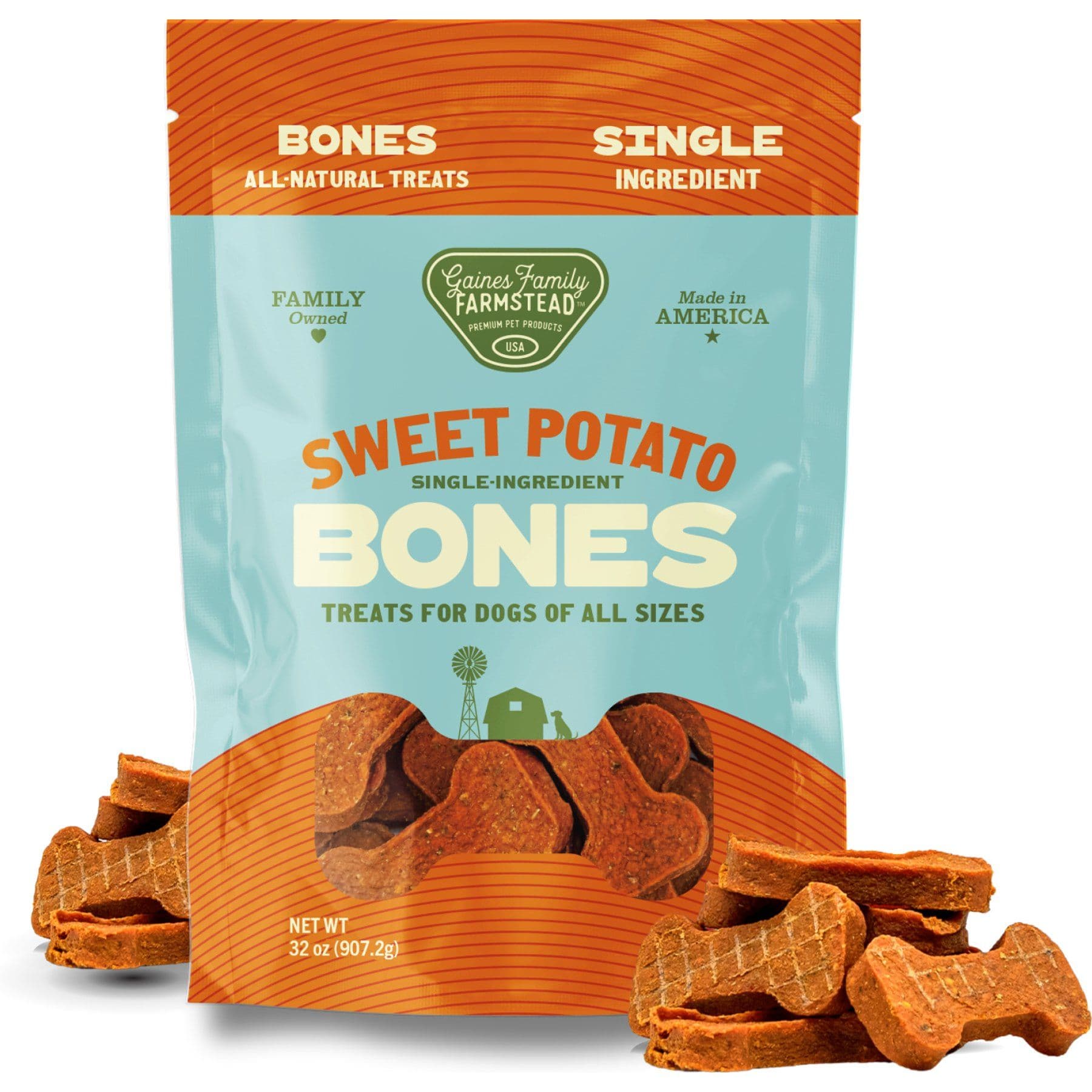
This is an optional dog treat. Review its current label, ingredients, calories, and feeding directions, and count it within the total daily extras.
Webvet may earn a commission when you click through to Chewy, at no extra cost to you.
Frequently asked questions
How much quinoa can I give my dog?
No evidence-based teaspoon or tablespoon serving exists. Count any plain cooked quinoa within the dog's individual treat-calorie allowance.
Can I feed my dog quinoa every day?
Follow the retail package. Washing reduced saponins in one study, while cooking did not further reduce them in that tested grain.
Do I have to rinse quinoa before giving it to my dog?
Saponin content depends on variety and processing. Commercial quinoa may already have the saponin-rich outer layer removed.
Can dogs eat quinoa with garlic or seasoning?
Quinoa is not a proven treatment for diarrhea or constipation. Persistent gastrointestinal signs need veterinary assessment.
Is quinoa better for dogs than rice?
Dogs on prescription diets should not receive added quinoa without the treating veterinarian's approval.

More safe treats
More grains & bread for dogs
Sources
- Journal of Animal Science: Quinoa Diet Digestibility in Dogs
Ten beagles digested complete extruded diets containing quinoa; the study does not establish a household serving or clinical treat benefit.
- FAO: Quinoa, An Ancient Crop to Contribute to World Food Security
FAO explains that saponins are concentrated in the grain's outer layers and that most are removed before quinoa is sold; product processing still varies.
- Food Chemistry: Effect of Washing and Cooking on Quinoa Saponins
In tested quinoa, washing reduced saponins while subsequent cooking did not further reduce them, showing why blanket rinse-and-cook claims are too absolute.
- AAHA: Nutritional Risk Factors
Noncomplete foods above 10 percent of daily calories can dilute essential nutrients; individual medical and life-stage factors require assessment.
- Merck Veterinary Manual: Garlic and Onion Toxicosis
Allium risk depends on the actual ingredient, concentration, amount, species, and patient rather than a food category alone.
- Merck Veterinary Manual: Salt Toxicosis in Animals
Salt toxicosis is dose-dependent and strongly influenced by fresh-water access; sodium's presence alone does not establish poisoning.
Reviewed by Dr. Athena Gaffud, DVM
General guidance based on credible veterinary sources; not a diagnosis or a substitute for your veterinarian. If your pet ate something toxic or is unwell, contact your vet or a pet poison line right away.