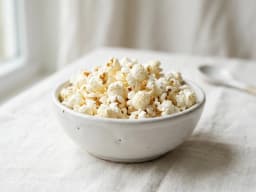
Can cats eat popcorn?
Safe in moderationPlain fully popped popcorn is not a recognized cat toxin. Check toppings and amount; hard kernels may pose dental or choking concerns.


Medically reviewed by Dr. Athena Gaffud, DVM · Last reviewed
Can Cats Eat Popcorn?
Plain, fully popped popcorn is not a recognized feline toxin. It is optional and not complete nutrition; assess an exposure from the preparation, amount, cat, and clinical signs.
- 1Plain, fully popped popcorn is not a recognized feline toxin.
- 2There is no evidence-based one-piece or body-size serving for cats.
- 3Butter, oil, cheese, caramel, and salt are not one toxin category.
- 4Confirm onion, garlic, chocolate, or another hazardous ingredient on the actual label.
- 5Hard kernels may pose dental, mouth, or choking concerns depending on the cat.

Treats should stay under 10% of your cat's daily calories. Smalls makes the rest, built around the meat an obligate carnivore actually needs.
- Human-grade ingredients, protein first
- Built for obligate carnivores
- Fresh meals delivered to your door
Webvet may earn a commission when you click through to Smalls, at no extra cost to you.
Is popcorn safe for cats?
A small amount of plain, fully popped popcorn can be an optional taste for some healthy adult cats. Count all extras within the treat allowance and keep complete cat food primary. A cat's daily calorie allowance can be modest, so repeated table tastes can matter even when no single item is toxic. Count popcorn alongside lickable treats, dental products, toppers, and food used for medication. If a cat needs weight control or eats a therapeutic diet, ask before adding extras. A cat that only bats at a piece has a different exposure from one that swallows a bowl, and the response should reflect what actually happened. Texture matters in a practical way. A soft fully expanded piece is different from an unpopped kernel, a hard hull fragment, or a sticky caramel cluster. Cats with dental disease, oral pain, previous swallowing trouble, or a habit of gulping may be poor candidates even for plain popcorn. Preparation can reduce avoidable risk, but no technique makes a human snack necessary or eliminates every chance of choking.

Popcorn and a cat's complete diet
Cats have species-specific nutrient requirements, but obligate carnivory does not prove that every starch is unusable or that popcorn has zero nutritional content. Cat-specific feeding guidance supports a complete diet and limited extras. Complete feline food is formulated around essential amino acids, fatty acids, vitamins, and minerals in the required proportions. That is the reason popcorn should stay peripheral. It is not necessary to claim that the starch is unusable or that an animal-protein snack is automatically better. A medically appropriate treat is one that fits the cat's full nutrition plan, calorie allowance, and preferences without encouraging food refusal or unbalancing the diet.

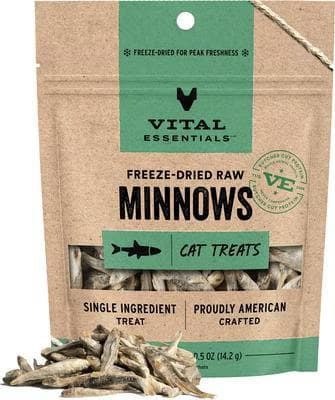
This is an optional cat treat. Review its current label, ingredients, calories, and feeding directions, and count it within the total daily extras.
Webvet may earn a commission when you click through to Chewy, at no extra cost to you.
Separate ingredient and texture concerns
Butter, oil, cheese, caramel, and salt can add calories, sodium, or individual gastrointestinal intolerance. Onion and garlic are separate dose-dependent allium hazards; chocolate and other ingredients also require confirmation. Dairy-based cheese coatings may bother a lactose-intolerant cat, while another cat may show no gastrointestinal response to a small amount. Caramel changes sugar and calorie density; oil and butter change fat and calories. Salt assessment needs the nutrition label and quantity. Allium assessment needs the ingredient list and dose. Keeping these questions separate helps an owner avoid both false reassurance and an unnecessary emergency response. Identify the form before treating every popcorn exposure alike. Air-popped corn differs from microwave popcorn, kettle corn, caramel corn, cheese popcorn, chocolate-coated mixes, and theater products. Keep the bag or container so a veterinarian can review ingredients, sodium, fat, sweeteners, seasoning, and the maximum amount missing. Include any unpopped kernels, torn film, bag liner, twist tie, or plastic clip the cat could have swallowed. A flavored powder should be assessed from its label because onion and garlic may appear in some products, while other formulas may omit them entirely.
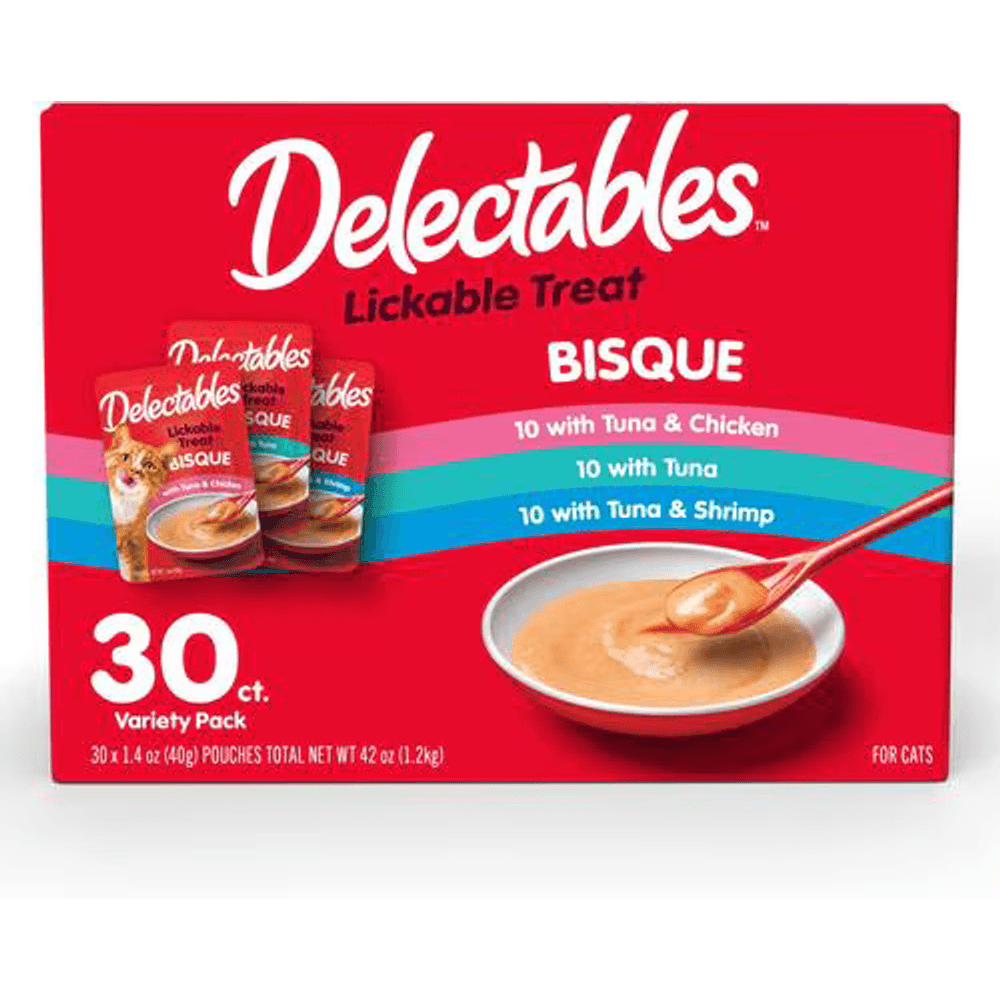
This is an optional cat treat. Review its current label, ingredients, calories, and feeding directions, and count it within the total daily extras.
Webvet may earn a commission when you click through to Chewy, at no extra cost to you.
| Popcorn form | How to assess it | Main question |
|---|---|---|
| Plain, fully popped | Optional taste | Calories, amount, and chewing behavior |
| Hard or half-popped kernel | Patient-specific concern | Dental, mouth, or choking signs |
| Buttered or oily | Not automatically toxic | Amount, calories, and tolerance |
| Salted or flavored | Label-specific | Sodium and actual seasonings |
| Chocolate or allium ingredient | Obtain dose-based advice | Product, amount, cat weight, and signs |
If a cat ate popcorn
After a small plain exposure, maintain fresh water and observe the individual cat. Seek veterinary advice for choking, mouth pain, repeated vomiting, weakness, tremors, a hazardous co-ingredient, or a concerning amount. Observe breathing, swallowing, mouth comfort, appetite, behavior, and gastrointestinal signs. Dropping food, pawing at the mouth, chewing on one side, gagging, or repeated attempts to swallow can suggest a dental or throat problem after a firm kernel. Tremors, marked weakness, collapse, or seizures need urgent care regardless of the presumed cause. When calling, provide the package, amount, timing, cat weight, medical history, and every symptom rather than only saying the cat ate popcorn. For a choking cat, do not blindly sweep the mouth or push an object deeper. Emergency first-aid advice depends on whether air is moving and whether the object is visible and safely reachable. Call the veterinary clinic while leaving for care when breathing is impaired. A dental chip without breathing difficulty is different but still deserves prompt examination because oral pain and fractures can worsen even when the cat initially hides discomfort. Observe eating, breathing, activity, vomiting, and abdominal comfort after an unplanned exposure. Gagging, repeated swallowing, pawing at the mouth, coughing, open-mouth breathing, or respiratory distress warrants urgent care. Repeated vomiting, pronounced lethargy, tremors, weakness, pain, or inability to keep water down also merits prompt veterinary advice. Cats should not receive dog-oriented home vomiting methods, salt, hydrogen peroxide, oil, milk, bread, charcoal, or human medication. If the exposure was plain and the cat remains normal, keep the regular complete diet unchanged and use the case-specific monitoring advice supplied by the veterinarian.

Choosing an optional cat treat
Choose treats for calorie fit, individual tolerance, texture, and the cat's complete diet. Meat-versus-plant rhetoric does not replace product-specific safety assessment. If an owner wants to share food, use something already approved for that cat and measure it from the same daily treat allowance. Abruptly adding rich meat, dairy, vegetables, or fruit can also cause problems, so there is no need to replace popcorn with a supposedly perfect food. Consistency is especially important during elimination diets, gastrointestinal treatment, weight loss, or management of kidney, urinary, cardiac, or endocrine disease. Store popcorn bowls, kernels, seasoning shakers, and bags securely. Cats may chew plastic or crawl into a discarded bag, creating a suffocation or foreign-body hazard unrelated to the food. Fold or cut bags before disposal where appropriate and clean spilled hard kernels from the floor.
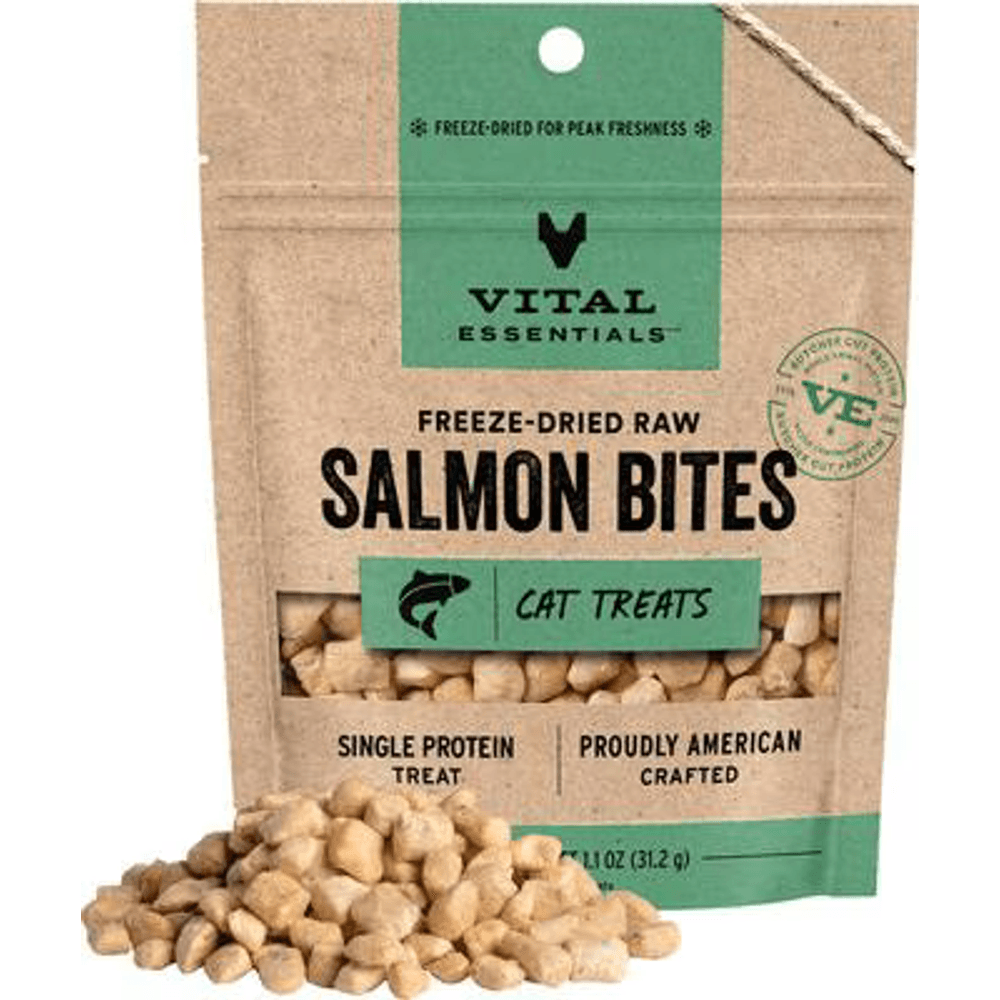
This is an optional cat treat. Review its current label, ingredients, calories, and feeding directions, and count it within the total daily extras.
Webvet may earn a commission when you click through to Chewy, at no extra cost to you.
Frequently asked questions
Can cats eat buttered or salted popcorn?
Butter and oil add calories and may not suit every cat, but they are not automatically poisons. Check amount and other ingredients.
Can popcorn kill a cat?
Salt risk is dose-dependent. Use the product sodium, amount, water access, cat, and signs rather than body size alone.
My cat ate an unpopped popcorn kernel. What should I do?
A hard kernel may injure teeth or become a choking concern depending on the cat; it is not a guaranteed emergency.
Why is my cat obsessed with popcorn?
Kittens need complete kitten food. A special popcorn toxicity from a developing throat or digestion has not been established.
Can kittens eat popcorn?
Plain fully popped popcorn is optional. There is no evidence-based feline piece count, so keep complete food primary.

More safe treats
More grains & bread for cats
Sources
- Pet Poison Helpline: Foods Safe to Feed Pets
Veterinary poison-control guidance includes plain popcorn among foods that may be safe for dogs and cats while advising appropriate preparation and portions.
- Cornell Feline Health Center: Feeding Your Cat
Cats need complete feline nutrition; treats should remain limited, and dairy tolerance varies because many adult cats are lactose intolerant.
- AAHA: Nutritional Risk Factors
Noncomplete foods above 10 percent of daily calories can dilute essential nutrients; individual medical and life-stage factors require assessment.
- Merck Veterinary Manual: Garlic and Onion Toxicosis
Allium risk depends on the actual ingredient, concentration, amount, species, and patient rather than a food category alone.
- Merck Veterinary Manual: Salt Toxicosis in Animals
Salt toxicosis is dose-dependent and strongly influenced by fresh-water access; sodium's presence alone does not establish poisoning.
- Merck Veterinary Manual: Gastrointestinal Obstruction in Small Animals
Foreign-body and choking concerns depend on object and patient characteristics; a food texture does not guarantee obstruction.
Reviewed by Dr. Athena Gaffud, DVM
General guidance based on credible veterinary sources; not a diagnosis or a substitute for your veterinarian. If your pet ate something toxic or is unwell, contact your vet or a pet poison line right away.