Cat symptom
Coughing in cats
Reviewed by the Webvet Veterinarian Team · Last reviewed June 22, 2026
A reflex to clear the airway. An occasional cough can be harmless, but a persistent cough — or coughing in cats, which is less common — should be checked.
Common causes of coughing in cats
- Kennel cough or other respiratory infection (dogs)
- Asthma (especially in cats)
- Heart disease
- Heartworm disease
- Irritants, an inhaled object, or a collapsing trachea in small dogs
Who's most at risk
- Small breeds (collapsing trachea)
- Cats (asthma)
- Unvaccinated or highly social dogs (kennel cough)
- Senior pets and those in heartworm regions
What you can do at home
- Use a harness instead of a neck collar to reduce throat irritation
- Keep the air clean — avoid smoke, dust, and strong sprays
- Avoid strenuous exercise until the cough is improving or your vet has checked it
- Note when the cough happens (after exercise, at night) to tell your vet
When to see a vet
- Coughing up blood or froth
- Breathing fast or with effort, or gums look pale/blue
- A cough that lasts more than a week or keeps returning
- Your pet is coughing repeatedly or seems to be working harder to breathe
When it's more serious
- A cough with breathing difficulty or off-color gums is an emergency — go now.
- Blood or froth can mean heart failure or serious lung disease — see a vet today.
- Cats cough far less than dogs; it often means asthma or heart disease — get them checked.
- A persistent or recurring cough should be worked up by your vet.
What your vet may do
- Listen to the heart and lungs; check the throat
- Chest X-rays and possibly heartworm testing
- Treat infection, asthma, or heart disease as found
- Cough suppressants only when appropriate
Questions to ask your vet
- Is this the airway, the lungs, or the heart?
- Should we X-ray or test for heartworm?
- Is it contagious to my other pets?
- What should change if breathing gets harder?

Frequently asked questions
What causes coughing in cats?
A reflex to clear the airway. An occasional cough can be harmless, but a persistent cough — or coughing in cats, which is less common — should be checked. Common causes include: Kennel cough or other respiratory infection (dogs); Asthma (especially in cats); Heart disease; Heartworm disease; Irritants, an inhaled object, or a collapsing trachea in small dogs.
Is coughing in cats an emergency?
Book a veterinary visit soon. See a vet right away if: Coughing up blood or froth; Breathing fast or with effort, or gums look pale/blue; A cough that lasts more than a week or keeps returning; Your pet is coughing repeatedly or seems to be working harder to breathe.
What can I do at home for a cat with coughing?
Use a harness instead of a neck collar to reduce throat irritation. Keep the air clean — avoid smoke, dust, and strong sprays. Avoid strenuous exercise until the cough is improving or your vet has checked it. Note when the cough happens (after exercise, at night) to tell your vet.
A closer look at coughing in cats
Here is the single most important thing to know: a coughing cat is not like a coughing person or even a coughing dog. Cats cough far less often, so when a cat genuinely coughs it usually points to a real problem in the lower airways or the heart rather than a passing tickle. The two conditions vets think about first are feline asthma and heart disease, which is why any repeated coughing in a cat deserves a veterinary exam rather than a wait-and-see approach.
- 1Coughing is uncommon in cats, so even an occasional cough is worth taking seriously.
- 2A true cough is most often feline asthma, and less commonly heart disease, heartworm, or a respiratory infection.
- 3A cough is not the same as a hairball; owners frequently confuse the two, which delays the right diagnosis.
- 4Fast or open-mouth breathing, pale or blue gums, or coughing up blood or froth is an emergency, not a routine cough.
- 5Filming a coughing episode on your phone is one of the most useful things you can bring to the appointment.
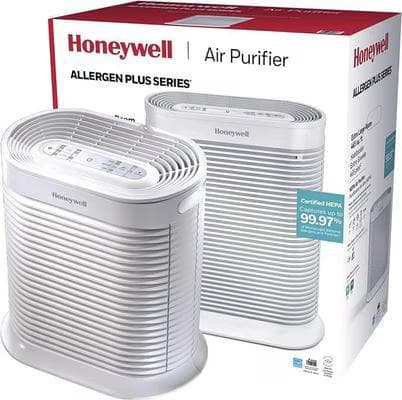
Airborne dust, dander, and smoke are common asthma triggers. A true-HEPA purifier in the room your cat sleeps in reduces what they breathe all night.
Webvet may earn a commission when you click through to Chewy, at no extra cost to you.
Is it a cough or a hairball? Why owners get this wrong
The most common reason a cat cough gets missed is that it looks a lot like a cat trying to bring up a hairball. Both involve a crouched posture, an extended neck, and a rhythmic sound, so it is genuinely easy to mix them up. The difference matters because a hairball ends in something coming up, while a true cough is dry and productive of nothing at all. A cat mid-cough typically flattens its body low to the floor, extends the neck and head forward and slightly down, and makes repeated dry hacking or wheezing efforts. Retching or gagging that finishes with fur or fluid is a separate event that comes from the stomach, not the airway.

If your cat regularly does the classic crouch-and-hack but nothing ever comes out, it is far more likely coughing than dealing with hairballs, and the airways are the place to look. Chronic hairballs are also not as normal as many owners assume, so either pattern is worth mentioning to your vet.
| What you see | What it usually means | Where it comes from |
|---|---|---|
| Low crouch, neck out, dry repeated hacking, nothing comes up | A true cough (often asthma) | The lower airways and lungs |
| Heaving or gagging that ends with fur or fluid | A hairball or vomiting | The stomach |
| Wheezing whistle plus coughing fits | Asthma or bronchitis | The lower airways |
| Cough with fast or open-mouth breathing | A breathing emergency | Get in-person care now |
What is actually happening when a cat coughs
A cough is a protective reflex. Sensors that line the throat, windpipe, and the branching airways deep in the lungs detect something they do not like, such as mucus, an inhaled irritant, or inflammation in the airway wall, and they trigger a forceful burst of air to clear it. In cats, the airways are small and reactive, so when they become inflamed they narrow and produce mucus, and the cough is the body trying to move that mucus and reopen the passage. That is why a feline cough so often traces back to the lower airways rather than the throat.
This also explains why the pattern of the cough tells a story. A cough that flares after a burst of activity, or one that shows up more at night, points toward reactive, inflamed airways. A cough paired with breathing that is fast or labored even while the cat is resting shifts the concern toward the lungs or the heart. Your vet will ask about all of these details because the timing and the company the cough keeps help narrow down the cause.
The most common reasons cats cough
Feline asthma sits at the top of the list. It is a chronic inflammatory disease of the lower airways, driven in many cats by an allergic response to things in the air such as dust, smoke, scented sprays, or litter dust. Asthmatic cats tend to have recurring coughing fits, sometimes with an audible wheeze, and in a bad flare they can struggle to breathe. Because asthma is a lifelong condition rather than a one-time infection, getting the diagnosis right early makes a real difference in keeping your cat comfortable.

Heart disease is the quieter worry. Cats are experts at hiding illness, and some heart conditions build silently until the lungs are affected, which is why heart problems are sometimes called a silent threat in cats. A cough can accompany fluid changes around the lungs, though in cats the more telling sign of heart trouble is often faster, harder breathing rather than the cough itself. Heartworm disease is another cause worth naming, especially in regions where mosquitoes carry it, because even a small number of worms can inflame a cat's lungs and produce coughing and wheezing that mimics asthma.
Respiratory infections round out the picture. Viral and bacterial infections irritate the airways and can trigger a cough, and they usually travel with other clues like sneezing, a runny nose, or watery eyes. If your cat is also sneezing, an upper respiratory infection climbs the list. Inhaled irritants and, rarely, an inhaled object such as a blade of grass can also set off coughing, so your vet will weigh your cat's full history before settling on a cause.
How your vet pinpoints the cause
The visit usually starts with your story and a careful physical exam. Your vet will listen to the heart and lungs with a stethoscope, checking for wheezes, crackles, a murmur, or an abnormal rhythm, and will look at the throat and gum color. Because a single cough can come from the airways, the lungs, or the heart, the goal of the exam is to sort out which of those three systems is driving the problem before reaching for tests.
Chest X-rays are the workhorse next step. They show the pattern in the lungs that suggests asthma, reveal changes in heart size or fluid, and can hint at heartworm or pneumonia. Depending on what the exam and X-rays show, your vet may add heartworm testing, blood work, or imaging of the heart. This staged approach means you are not paying for every test at once; each result guides the next decision, so the workup fits what your particular cat needs.
What to expect from treatment and recovery
Treatment follows the diagnosis rather than the cough alone, which is why suppressing the cough is rarely the whole answer. If asthma is the cause, the aim is to calm the airway inflammation, often with anti-inflammatory medication, and many cats do well long term once a routine is in place; some owners learn to give inhaled medication through a small feline spacer and mask. An infection is treated for the specific bug involved, heart disease is managed with medication tailored to the heart, and heartworm in cats is handled with a careful plan from your vet. Cough suppressants are used only when your veterinarian decides they are appropriate, because quieting a cough without treating its cause can hide a worsening problem.
Recovery depends on the underlying condition. A simple infection may clear in a couple of weeks, while asthma and heart disease are managed rather than cured, meaning your cat can live comfortably with ongoing care and periodic rechecks. Watch for other changes alongside the cough, such as unexplained weight loss or a drop in energy, and report them, because they help your vet judge how well treatment is working and whether the plan needs adjusting.

How to help at home safely
While you arrange a check-up, you can lower the irritant load in your cat's air. Keep the home smoke-free, skip aerosol sprays, strong perfumes, and scented candles near your cat, and choose a low-dust, unscented litter. Good ventilation and, for some cats, an air purifier can ease reactive airways. Avoid strenuous play until the cough is improving or your vet has weighed in, and never give human cough or cold medicine, since many of these products are toxic to cats. If your cat wears a collar and coughs when it pulls, that is another reason to keep handling gentle and stress low.
| Safe to do at home | Never do |
|---|---|
| Keep the air smoke-free and unscented | Give human cough or cold medicine |
| Switch to low-dust, unscented litter | Ignore fast or open-mouth breathing |
| Film an episode for your vet | Wait out a cough that lasts over a week |
| Keep play calm until the cough eases | Assume a repeated cough is just hairballs |
Lowering the risk over the long run
You cannot prevent every cause of coughing, but you can shrink the triggers. Keeping the household free of tobacco smoke is one of the most protective steps for a cat with sensitive airways, and reducing dust and strong scents helps as well. Year-round heartworm prevention, prescribed by your vet, guards against a cause that has no easy treatment once it takes hold in a cat. Staying current on core vaccines lowers the risk of some respiratory infections, and keeping your cat at a healthy weight eases the work of both the lungs and the heart.

A pet camera lets you count resting breaths and catch a pattern to show your vet, which beats trying to remember.
Webvet may earn a commission when you click through to Chewy, at no extra cost to you.
Regular wellness visits matter more than they might seem. Because cats mask illness so well, a vet can sometimes catch the early murmur or the subtle breathing change behind a cough long before it becomes a crisis. If your cat has already been diagnosed with asthma or heart disease, sticking to the recheck schedule and reporting any change in the cough is the best prevention you have against a serious flare.

When to stop watching and call the vet
Because a cough is unusual for cats to begin with, the threshold for a check-up is low. Any cough that lasts more than a week, keeps coming back, or is getting more frequent should be seen, and the same is true if the cough arrives alongside sneezing, a runny nose, poor appetite, low energy, or weight loss. A cat that is coughing but otherwise acting normal still deserves an exam, because conditions like asthma and early heart disease can look mild from the outside while quietly progressing.
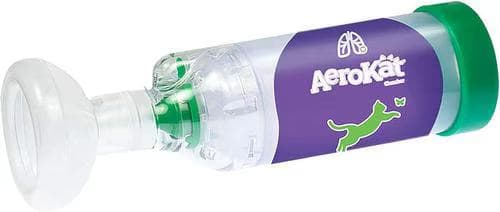
If your vet diagnoses feline asthma, this spacer is the standard way to give an inhaler to a cat, and it makes daily treatment realistic.
Webvet may earn a commission when you click through to Chewy, at no extra cost to you.
Move faster than that if breathing looks hard or fast at rest, if your cat opens its mouth to breathe, if the gums turn pale, grey, or blue, or if there is blood or froth in the cough. Those are emergencies that call for immediate in-person care, not a scheduled appointment. For everything in between, an unhurried but timely visit to your veterinarian is the right call; catching the cause of a cat's cough early is almost always easier on your cat, and on you, than waiting for it to declare itself.
Sources
Reviewed by the Webvet Veterinarian Team
This guide is general information, not a diagnosis, and does not replace an exam by your veterinarian. If your pet is in distress, contact your vet or an emergency clinic right away.