Cat symptom
Sneezing or nasal discharge in cats
Reviewed by the Webvet Veterinarian Team · Last reviewed June 22, 2026
Occasional sneezing is normal. Frequent sneezing or nasal discharge can mean an infection, allergy, or something stuck in the nose.
Common causes of sneezing or nasal discharge in cats
- Upper respiratory infection (very common in cats)
- Allergies or environmental irritants
- A foreign object such as a grass seed in the nose
- Dental disease affecting the nasal passages
Who's most at risk
- Cats (upper respiratory infections are common)
- Multi-cat homes and shelters
- Brachycephalic breeds
- Exposure to smoke, dust, or aerosols
What you can do at home
- Keep the environment free of smoke, dust, aerosols, and essential-oil diffusers
- Gently wipe away discharge with a soft, damp cloth
- Run a humidifier or sit with your pet in a steamy bathroom to ease congestion
When to see a vet
- Thick, yellow/green, or bloody nasal discharge
- Sneezing with poor appetite, eye discharge, or low energy
- Sudden, violent sneezing fits (possible foreign object)
When it's more serious
- Colored or bloody discharge suggests infection or a deeper problem — book a vet visit.
- Sneezing with these signs (common in cats) warrants a vet check.
- Sudden fits can mean an inhaled foreign body like a grass seed — see your vet.
What your vet may do
- Exam of the nose, eyes, mouth, and teeth
- Look for a foreign body, infection, or dental disease
- Swabs or imaging if it's chronic or one-sided
- Treat infection or remove an object as needed
Questions to ask your vet
- Could something be stuck in the nose?
- Is this infectious to my other pets?
- Do the teeth need checking?
- When does sneezing need imaging?

Frequently asked questions
What causes sneezing or nasal discharge in cats?
Occasional sneezing is normal. Frequent sneezing or nasal discharge can mean an infection, allergy, or something stuck in the nose. Common causes include: Upper respiratory infection (very common in cats); Allergies or environmental irritants; A foreign object such as a grass seed in the nose; Dental disease affecting the nasal passages.
Is sneezing or nasal discharge in cats an emergency?
Usually OK to monitor at home. See a vet right away if: Thick, yellow/green, or bloody nasal discharge; Sneezing with poor appetite, eye discharge, or low energy; Sudden, violent sneezing fits (possible foreign object).
What can I do at home for a cat with sneezing or nasal discharge?
Keep the environment free of smoke, dust, aerosols, and essential-oil diffusers. Gently wipe away discharge with a soft, damp cloth. Run a humidifier or sit with your pet in a steamy bathroom to ease congestion.
A closer look at sneezing and nasal discharge in cats
An occasional sneeze is a normal part of feline life, the nose's way of clearing dust or a tickle. What tends to worry owners is a cat who sneezes in fits, day after day, or who starts leaving damp smudges of nasal discharge on the furniture. In cats, that pattern points most often to an upper respiratory infection, the group of viruses and bacteria widely known as cat flu, and less often to an inhaled foreign object, dental disease, or an allergy. The single most useful thing you can do is watch for two changes: the color of the discharge and your cat's appetite. Clear discharge in a bright, hungry cat is usually mild. Thick yellow, green, or bloody discharge, or sneezing paired with a cat who has gone off food, is your cue to book a veterinary visit.
- 1Occasional sneezing is normal; frequent fits or ongoing nasal discharge deserve attention.
- 2In cats, upper respiratory infections (feline herpesvirus and calicivirus) are the most common cause.
- 3Watch the discharge: clear is usually mild, while yellow, green, or bloody discharge signals a deeper problem.
- 4Sneezing plus a poor appetite, runny eyes, or low energy is a reason to see your vet.
- 5Sudden, violent one-sided sneezing can mean something is stuck in the nose, such as a grass seed.
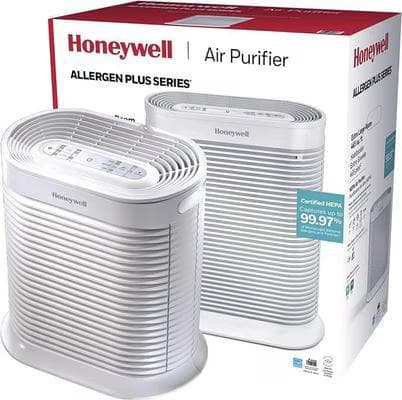
Dust and airborne irritants make a flare worse. A HEPA purifier helps, though it will not clear an active infection.
Webvet may earn a commission when you click through to Chewy, at no extra cost to you.
What is actually happening when your cat sneezes
A sneeze is a protective reflex. When the delicate lining of the nasal passages is irritated, nerve endings fire and the body answers with a sudden, forceful burst of air designed to expel whatever caused the tickle. A single sneeze, or a quick run of two or three, simply means your cat's nose met a speck of dust, a puff of litter, or a strong scent. That is healthy machinery doing its job.

The picture changes when the irritation does not go away. If a virus, bacteria, or lodged object keeps the nasal lining inflamed, the tissue swells and produces mucus, and the sneezing turns from an occasional event into a daily, sometimes hourly, habit. That inflammation is also why you may hear congestion, notice a runny nose, or see your cat breathing a little noisily. Understanding that sneezing is a symptom of irritation, not a disease in itself, helps explain why your vet focuses on finding the underlying trigger rather than just stopping the sneeze.
Why cat flu makes sneezing a feline specialty
The reason sneezing is such a common complaint in cats specifically comes down to two viruses: feline herpesvirus and feline calicivirus. Together they account for the great majority of upper respiratory infections, and they spread easily wherever cats live close together, which is why shelters, catteries, and multi-cat homes see so much of it. The classic picture is sneezing alongside watery or gummy eye discharge, a runny nose, and a cat who feels a bit under the weather.
What makes feline herpesvirus particularly frustrating is that it never truly leaves. Once a cat is infected, the virus goes quiet in the nerves and can reactivate during periods of stress, such as a house move, a new pet, boarding, or illness. This is why a cat who seemed perfectly healthy for months can suddenly start sneezing again after a stressful week. These flare-ups are usually milder than the first infection and often settle with supportive care, but they explain why some cats become lifelong occasional sneezers. It is not a sign you did anything wrong; it is simply the nature of the virus.
How vets pinpoint the cause in cats
Most visits begin with a careful history and a hands-on exam. Your vet will look inside the nose, check the eyes, and pay close attention to the mouth and teeth, because dental disease near the upper canine and cheek teeth can inflame the nasal passages directly above them. They will also assess how your cat is breathing overall, since sneezing that comes with genuine difficulty breathing is a different and more urgent concern than sneezing alone. For a young cat with typical cat-flu signs, that exam is often enough to start treatment.

When sneezing is chronic, one-sided, or comes with bloody discharge, the investigation goes deeper. Your vet may recommend swabs to identify an infection, or imaging such as X-rays or a CT scan to look inside the nasal chambers. In some cases they will suggest rhinoscopy, using a tiny camera to view the passages directly and retrieve a lodged object or take a sample. These steps are not routine for every sneezing cat; they are reserved for the cases where a simple explanation does not fit, especially in older cats where a persistent one-sided problem needs a definitive answer.
| Likely cause | Other signs you might notice | How urgent |
|---|---|---|
| Upper respiratory infection (cat flu) | Runny eyes, congestion, mild fever, reduced appetite | See a vet within a few days, sooner if not eating |
| Environmental irritant or allergy | Sneezing after dust, smoke, sprays; otherwise bright | Monitor; remove the trigger at home |
| Foreign object (e.g. grass seed) | Sudden violent fits, pawing at the nose, one-sided | See a vet promptly |
| Dental disease | Bad breath, one-sided discharge, chewing changes | Book a vet exam |
| Nasal polyp or tumor (more likely in seniors) | Persistent one-sided or bloody discharge, noisy breathing | See a vet soon for imaging |
Beyond infections: the other causes to keep in mind
Infections dominate, but they are not the whole story. Curious cats can inhale a blade of grass or a seed that lodges in the nose, triggering the sudden, frantic sneezing fits that owners describe as coming out of nowhere. Allergies and irritants play a role too: cigarette smoke, dusty litter, aerosol sprays, scented candles, and essential-oil diffusers can all inflame a sensitive nose, and some diffuser oils are outright toxic to cats. Dental disease is an underappreciated culprit, because an infected upper tooth root sits just below the nasal cavity. In senior cats, a stubborn one-sided discharge that will not resolve warrants a closer look, as nasal polyps and, less commonly, tumors become more likely with age.
It is also worth knowing about reverse sneezing, a startling snorting sound that looks alarming but is a normal, harmless reflex in most cats. Unlike a true sneeze, air is pulled rapidly inward rather than pushed out, and the episode passes within seconds. If it is occasional and your cat is otherwise well, it is rarely a cause for concern, though frequent episodes are worth mentioning to your vet.

How to help your sneezing cat at home, safely
For a mildly sneezing cat, small comforts help a great deal. Keep the air clean by avoiding smoke, dust, aerosols, and essential-oil diffusers, and consider switching to a low-dust, larger-granule litter. Gently wipe away any discharge from the nose and eyes with a soft, damp cloth. Sitting with your cat in a steamy bathroom or running a humidifier can loosen congestion and make breathing more comfortable. Because a congested cat cannot smell its food well, warming the meal gently or offering a stronger-smelling wet food can keep a fussy eater interested, and keeping your cat eating through an infection is genuinely important to recovery.
Lowering the risk and heading off flare-ups
You cannot prevent every sneeze, but you can shift the odds. Keeping your cat's core vaccinations current, including the combination vaccine that covers the main cat-flu viruses, reduces both the chance and the severity of infection. In multi-cat homes, good hygiene helps: wash food bowls and bedding, and give a new or sick cat time to settle separately before full introductions. Because stress reactivates dormant herpesvirus, smoothing over big changes with a calm routine, familiar hiding spots, and gradual introductions can genuinely cut down on flare-ups. Finally, keeping the household air free of smoke and heavy fragrances protects that sensitive nasal lining year-round.


An immune-support lysine supplement for cats whose herpes flares keep coming back with stress.
Webvet may earn a commission when you click through to Chewy, at no extra cost to you.
What to expect: recovery and outlook
The reassuring news is that most sneezing cats do well. A mild viral upper respiratory infection often runs its course in a week or two with supportive care at home, much like a human cold, and many cats need nothing more than warmth, clean air, and encouragement to eat and drink. When a bacterial infection has taken hold, or the signs are severe, your vet may prescribe treatment to help your cat turn the corner. Cats carrying feline herpesvirus may sneeze on and off for life, but between flare-ups they are typically comfortable, playful, and completely themselves.
Think of this page as a guide to understanding what you are seeing, not a substitute for a veterinary opinion. If your cat is sneezing but bright, eating, and comfortable, it is reasonable to watch closely for a few days while you clean up the environment. If the discharge turns thick or bloody, the appetite drops, the eyes get sore, or the sneezing simply will not settle, let your veterinarian take a look. They can tell a passing tickle from a treatable infection quickly, and that peace of mind is worth the visit.
Sources
Reviewed by the Webvet Veterinarian Team
This guide is general information, not a diagnosis, and does not replace an exam by your veterinarian. If your pet is in distress, contact your vet or an emergency clinic right away.