
Can dogs eat popcorn?
Safe in moderationPlain fully popped popcorn is not a recognized dog toxin. Check toppings and amount; hard kernels may pose dental or choking concerns.


Medically reviewed by Dr. Athena Gaffud, DVM · Last reviewed
Can Dogs Eat Popcorn?
Plain, fully popped popcorn is not a recognized canine toxin. It is an optional human-food extra, not a source of clinical nutrition, and the exact preparation, amount, dog, and signs determine whether an exposure is concerning.
- 1Plain, fully popped popcorn is not a recognized canine toxin.
- 2Do not use a body-size piece count as a toxicology or feeding threshold.
- 3Read the exact ingredient label for onion, garlic, chocolate, xylitol, and other additions.
- 4Butter, oil, salt, and sugar add calories or sodium but are not one poison category.
- 5Hard kernels may injure teeth or become a choking concern depending on the dog and chewing behavior.

Treats should stay under 10% of your dog's daily calories. JustFoodForDogs makes the rest of it.
- Recipes developed by veterinary nutritionists
- Whole-food ingredients you can recognise
- Fresh meals delivered to your door
Webvet may earn a commission when you click through to JustFoodForDogs, at no extra cost to you.
Is popcorn safe for dogs?
A small amount of plain, fully popped popcorn can fit some healthy dogs as an occasional extra. Count it with all treats so noncomplete foods do not crowd out the complete diet. Think of plain popcorn as one item in the day's entire treat budget, not a free snack because each piece looks small. Training rewards, dental chews, table food, and food used for medicines all count. Dogs vary widely in daily energy needs even at the same weight, so a calorie target and body-condition trend are more useful than a kernel chart. If the dog tends to gulp, popcorn may also be a poor practical choice even when the ingredients are plain.

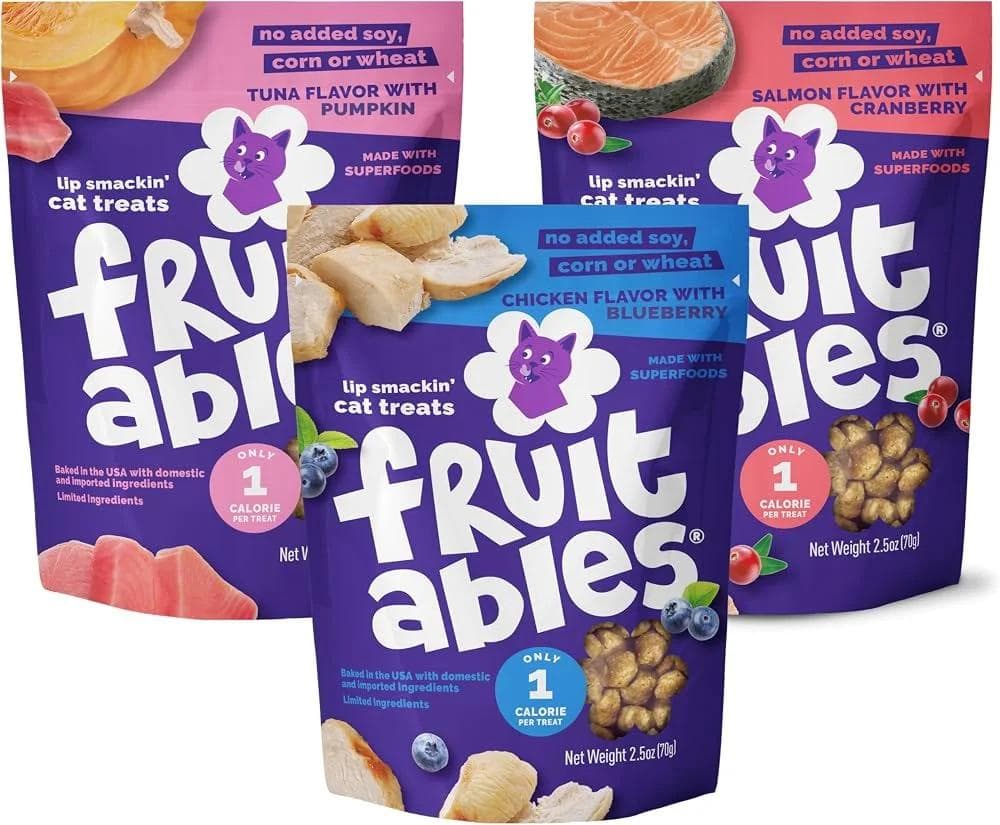
This is an optional dog treat. Review its current label, ingredients, calories, and feeding directions, and count it within the total daily extras.
Webvet may earn a commission when you click through to Chewy, at no extra cost to you.
There is no evidence-based popcorn serving by dog size. A feeding decision should use the dog's calorie plan, medical diet, chewing behavior, and the product's ingredients rather than a kernel count.
Toppings and kernels raise different questions
Butter, oil, caramel, cheese, sugar, and salt can add calories, fat, sodium, or gastrointestinal intolerance. Their presence does not automatically establish poisoning or pancreatitis after a taste.
Onion and garlic are separate dose-dependent allium hazards. Chocolate and added xylitol also require their own ingredient- and dose-based assessment; a flavor name alone does not establish their presence.

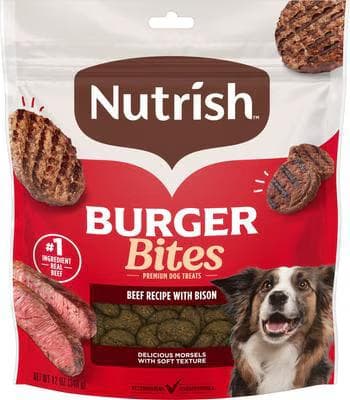
This is an optional dog treat. Review its current label, ingredients, calories, and feeding directions, and count it within the total daily extras.
Webvet may earn a commission when you click through to Chewy, at no extra cost to you.
An unpopped or firm half-popped kernel may crack a tooth, irritate the mouth, or become a choking concern for an individual dog. Risk depends on kernel size, amount, dog, and chewing style; it is not a universal emergency.
How popcorn forms differ
Microwave, bagged, kettle, caramel, cheese, and restaurant popcorn have variable recipes. Read the exact ingredient label rather than assuming every product contains the same oil, salt, sweetener, or seasoning.
| Popcorn form | How to assess it |
|---|---|
| Plain, fully popped | Optional extra; count calories and consider chewing style |
| Buttered or oil-popped | Check amount, calories, fat, and individual tolerance |
| Salted | Use product sodium, amount, water access, patient, and signs |
| Microwave or flavored | Read the exact recipe and ingredient label |
| Kettle or caramel | Check calories, sweeteners, and any hazardous co-ingredient |
| Cheese, garlic, or onion flavor | Confirm whether onion or garlic is actually present and estimate exposure |
| Unpopped or hard kernels | Consider dental, mouth, and choking concerns for the individual dog |
How much popcorn can a dog have?
There is no evidence-based popcorn portion by body weight. If plain popcorn fits the dog, use a small optional amount within the total treat-calorie allowance and avoid displacing complete food. Reconstruct the snack before deciding what the popcorn means. Record whether it came from an air popper, microwave bag, movie-theater tub, caramel mix, cheese coating, chocolate drizzle, or seasoned party blend. Save the package and photograph the ingredient panel, nutrition panel, missing amount, and any torn wrapper. Butter flavor, oil, sodium, onion, garlic, chocolate, xylitol, raisins, nuts, and packaging each require their own assessment. A dog that reached a bowl may also have swallowed hard unpopped kernels, a bag clip, or part of the liner, so include those possibilities when calling a veterinarian or poison service.

Dogs with a prescription diet, calorie restriction, previous pancreatitis, swallowing difficulty, or dental disease need individualized advice before adding human-food extras.
| Decision factor | What to use instead of a piece count |
|---|---|
| Daily calories | Count popcorn with every other treat and extra |
| Product | Check toppings, sodium, sweeteners, and seasonings |
| Dog | Consider medical diet, dental health, and chewing behavior |
| Exposure | Record amount, timing, hard kernels, packaging, and signs |
Preparing popcorn for an optional taste
If offered, use plain, fully popped pieces without hard kernels. This preparation reduces avoidable ingredients and texture concerns but does not create a universal safe dose.
What to watch after an exposure
After a small plain exposure, maintain normal access to fresh water and observe the individual dog. Seek advice for choking, a suspected dental injury, repeated vomiting, weakness, tremors, or another concerning sign. Mouth discomfort can be easy to miss after a hard-kernel exposure. Watch for pawing at the mouth, dropping food, chewing on one side, sudden reluctance to eat, bleeding, or facial sensitivity. Choking looks different and may include frantic distress, gagging, difficulty moving air, or blue-gray gums. Those signs need immediate care. A dog that is comfortable, breathing normally, eating, and behaving normally after a small plain exposure can usually be observed while the owner keeps the product information available. After a plain-popcorn exposure, watch the individual dog rather than relying on a piece count. Coughing, gagging, pawing at the mouth, noisy breathing, or obvious distress needs immediate attention because those signs can reflect an airway or oral problem. Repeated vomiting, abdominal pain, marked lethargy, tremors, weakness, or inability to keep water down also changes urgency. Normal behavior after a few plain popped pieces is reassuring but cannot clear a separate ingredient or swallowed object. Keep normal water available, withhold home emetics and human medicines, and follow the monitoring period given for the exact product and dog.

A larger or mixed-product exposure needs product-specific triage. Contact a veterinarian or animal poison service when a hazardous co-ingredient, packaging, or concerning amount may be involved.
Popcorn is optional, not a health supplement
Popcorn contains nutrients and calories, but a treat portion has no established antioxidant, digestive, or disease-prevention benefit. The complete diet should supply required nutrition.
Choosing another treat
Choose any treat for calorie fit, ingredients, chewing safety, and the individual dog's diet. No alternative is automatically healthier without comparing the exact products and portions.
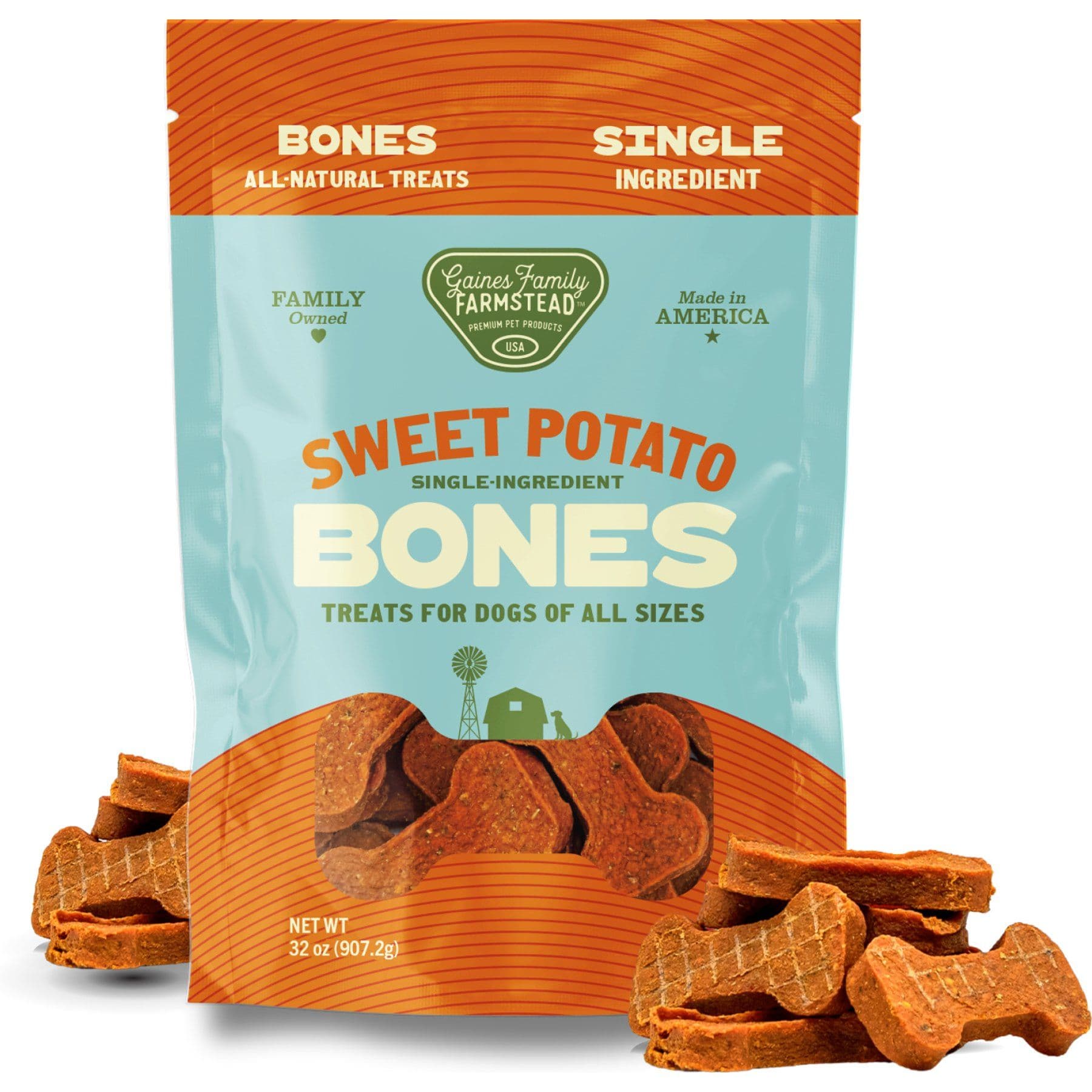
This is an optional dog treat. Review its current label, ingredients, calories, and feeding directions, and count it within the total daily extras.
Webvet may earn a commission when you click through to Chewy, at no extra cost to you.
Frequently asked questions
Can dogs eat buttered popcorn?
Butter adds fat and calories but is not automatically poisoning. Assess the amount, dog, other ingredients, and signs.
Can dogs eat salted popcorn?
Salted popcorn requires the product sodium, amount, water access, dog, and symptoms; one piece count is not a toxicology threshold.
Can popcorn kernels hurt a dog?
Cheese flavor varies. Confirm onion or garlic and other ingredients rather than treating every cheese product as toxic.
Can puppies eat popcorn?
A hard kernel may injure a tooth or become a choking concern, but risk depends on the dog and exposure.
Is microwave popcorn safe for dogs?
Microwave recipes vary. Read the actual label for seasoning, sodium, fat, sweeteners, and packaging.
How much popcorn is too much for a dog?
Plain fully popped popcorn is optional. Count it within the dog's treat allowance and do not use it as a nutritional supplement.

More safe treats
More grains & bread for dogs
Sources
- Pet Poison Helpline: Foods Safe to Feed Pets
Veterinary poison-control guidance includes plain popcorn among foods that may be safe for dogs and cats while advising appropriate preparation and portions.
- AAHA: Nutritional Risk Factors
Noncomplete foods above 10 percent of daily calories can dilute essential nutrients; individual medical and life-stage factors require assessment.
- Merck Veterinary Manual: Garlic and Onion Toxicosis
Allium risk depends on the actual ingredient, concentration, amount, species, and patient rather than a food category alone.
- Merck Veterinary Manual: Salt Toxicosis in Animals
Salt toxicosis is dose-dependent and strongly influenced by fresh-water access; sodium's presence alone does not establish poisoning.
- Merck Veterinary Manual: Gastrointestinal Obstruction in Small Animals
Foreign-body and choking concerns depend on object and patient characteristics; a food texture does not guarantee obstruction.
Reviewed by Dr. Athena Gaffud, DVM
General guidance based on credible veterinary sources; not a diagnosis or a substitute for your veterinarian. If your pet ate something toxic or is unwell, contact your vet or a pet poison line right away.