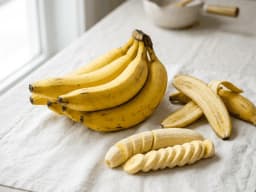
Can cats eat plantains?
Safe in moderationASPCA lists plantain (Musa acuminata) as non-toxic to cats. No validated feline serving exists, so keep any extra from displacing a complete diet.


Medically reviewed by Dr. Athena Gaffud, DVM · Last reviewed
Can Cats Eat Plantains?
ASPCA lists Musa acuminata, including plantain, as non-toxic to cats. No validated feline serving is established. Cats have species-specific nutrient requirements and can digest properly processed starch, but plantain is an optional extra and should not displace a complete diet. Interest and taste preferences vary by cat.
Plantains are starchier and less sweet than dessert bananas. Obligate-carnivore status does not mean cats are unable to digest properly processed starch; controlled diet studies report high starch digestibility. Plantain is not a necessary food, but it should not be described as empty carbohydrate or something a cat cannot digest. Preparation matters because fried, salted, or seasoned forms add calories or sodium and may contain confirmed hazards such as garlic or onion.


Treats should stay under 10% of your cat's daily calories. Smalls makes the rest, built around the meat an obligate carnivore actually needs.
- Human-grade ingredients, protein first
- Built for obligate carnivores
- Fresh meals delivered to your door
Webvet may earn a commission when you click through to Smalls, at no extra cost to you.
- 1ASPCA lists Musa acuminata, including plantain, as non-toxic to cats.
- 2Cats can digest properly processed starch, although plantain should not displace a complete diet.
- 3No validated feline plantain serving size is established here.
- 4Fried or salted forms add calories and sodium but are not automatically toxic.
- 5Check seasonings for confirmed hazards such as garlic or onion.
Are Plantains Safe for Cats?
In the narrow sense, yes. Plantains are not on any list of foods toxic to cats, and a small amount of plain, fully cooked plantain will pass through most cats without harm. That is very different from saying plantains are good for cats. Safe here only means it will not poison them. It does not mean it belongs in their diet. The safety also depends entirely on preparation. A soft piece of boiled or baked plantain with nothing added is about as harmless as a plant food gets for a cat. The same plantain fried in oil, coated in salt, or dusted with garlic or seasoning is a different item altogether, and that version can genuinely make a cat sick. If you are going to let your cat try plantain at all, plain and cooked is the only form worth considering.

This is an optional cat treat. Review its current label, ingredients, calories, and feeding directions, and count it within the total daily extras.
Webvet may earn a commission when you click through to Chewy, at no extra cost to you.
Why Plantains Offer Cats Nothing
Cats have species-specific nutrient requirements that should be met by complete feline food. Properly processed starch can be digested, but a plantain taste is supplemental and does not establish a vitamin, fiber, or other clinical benefit. Repeated extras can displace complete food or add calories, so assess the total diet rather than claiming that cats cannot use plant-derived nutrients.

Raw, Cooked, and Fried: What Actually Matters
How you serve plantain matters far more than the plantain itself. Raw plantain is dense, starchy, and hard for a cat to digest, and a firm chunk is a real choking risk for an animal that weighs eight to ten pounds. Cooking softens it and breaks down some of the starch, which is why the only version worth offering is plain plantain that has been boiled, baked, or steamed until soft and then mashed. Fried plantain and plantain chips are the ones to worry about. They are loaded with oil and salt, and cats are extremely sensitive to salt because of their small body size. A cat that raids a bag of plantain chips can end up vomiting, drooling, or lethargic, and seasoned chips may hide onion or garlic powder, which are dangerous to cats even in tiny amounts.
| Form | Evidence-based assessment |
|---|---|
| Plain cooked flesh | Listed as non-toxic by ASPCA; no universal feline serving is established |
| Raw firm piece | Not a separate toxic category, but texture may be poorly tolerated or awkward to chew |
| Fried plantain | Calories and oil; assess amount and symptoms |
| Chips | Check sodium, garlic, onion, and other seasonings |
How Much Plantain Can a Cat Have?
The honest answer is almost none. At most, offer a small piece of plain, cooked, mashed plantain on rare occasions, and treat it as a curiosity rather than a snack. A cat is a tiny animal, so what looks like a modest nibble to you is a large dose relative to its body. Treats of any kind, plantain included, should stay under ten percent of your cat's daily calories, and since a balanced cat food already covers everything your cat needs, that ten percent is far better spent on a bit of meat. Introduce any new food in a minuscule amount and watch for gas, a loose stool, or a change in appetite over the next day. If your cat ignores the plantain, which is the most likely outcome, take the hint and do not push it.

Better, Cat-Friendly Alternatives
Because cats thrive on protein, the best treats are meat-based, not fruit. A little plain cooked chicken with no salt, oil, or seasoning is the gold-standard cat snack. A small amount of plain cooked egg gives real animal protein, and a flake of plain cooked fish is another safe option in moderation. A lick of plain meat baby food or a proper commercial cat treat works too. If you specifically want a fruity change of pace, a tiny piece of banana is closer in spirit to plantain but no more necessary. In every case, the point is the same: a treat should be a tiny taste, and for a carnivore, protein beats starch every time.
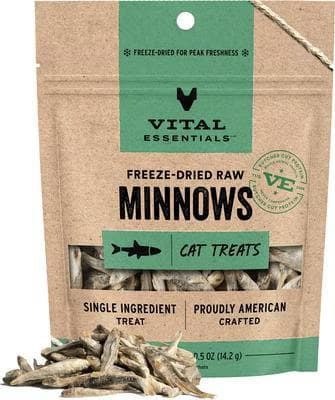
This is an optional cat treat. Review its current label, ingredients, calories, and feeding directions, and count it within the total daily extras.
Webvet may earn a commission when you click through to Chewy, at no extra cost to you.
Frequently Asked Questions
Are plantains okay for cats?
ASPCA lists plantain as non-toxic to cats, but that classification is not a universal serving or benefit claim. An accidental small plain exposure can be assessed from the amount, cat, complete diet, and symptoms; there is no need to infer that plant nutrients are unusable.
Can cats eat plantain chips?
No. Plantain chips are fried and heavily salted, and cats are very sensitive to salt and oil. Seasoned chips can also contain onion or garlic powder, which are toxic to cats. A cat that eats plantain chips may vomit, drool, or become lethargic, so keep the bag well out of reach.
What happens if my cat eats fried plantain?
A single small bite is usually not an emergency, but the oil and salt in fried plantain often cause stomach upset, vomiting, or loose stool. Watch your cat for drooling, weakness, or repeated vomiting, and call your vet or the Pet Poison Helpline at 855-764-7661 if symptoms appear or the plantain was spicy or garlic-seasoned.
What fruit can cats not eat?
Cats should never have grapes or raisins, which can cause kidney failure, and citrus fruits and unripe tomatoes can also cause problems. Even non-toxic fruits like plantain and banana are unnecessary for cats. When in doubt, skip the fruit and offer a meat-based treat instead.
Do cats even like plantain?
Most cats do not. Cats cannot taste sweetness, so the flavor that appeals to us means nothing to them. A curious cat may sniff or lick a piece, usually because you are eating it, but few cats will actually eat plantain, and that is perfectly fine.

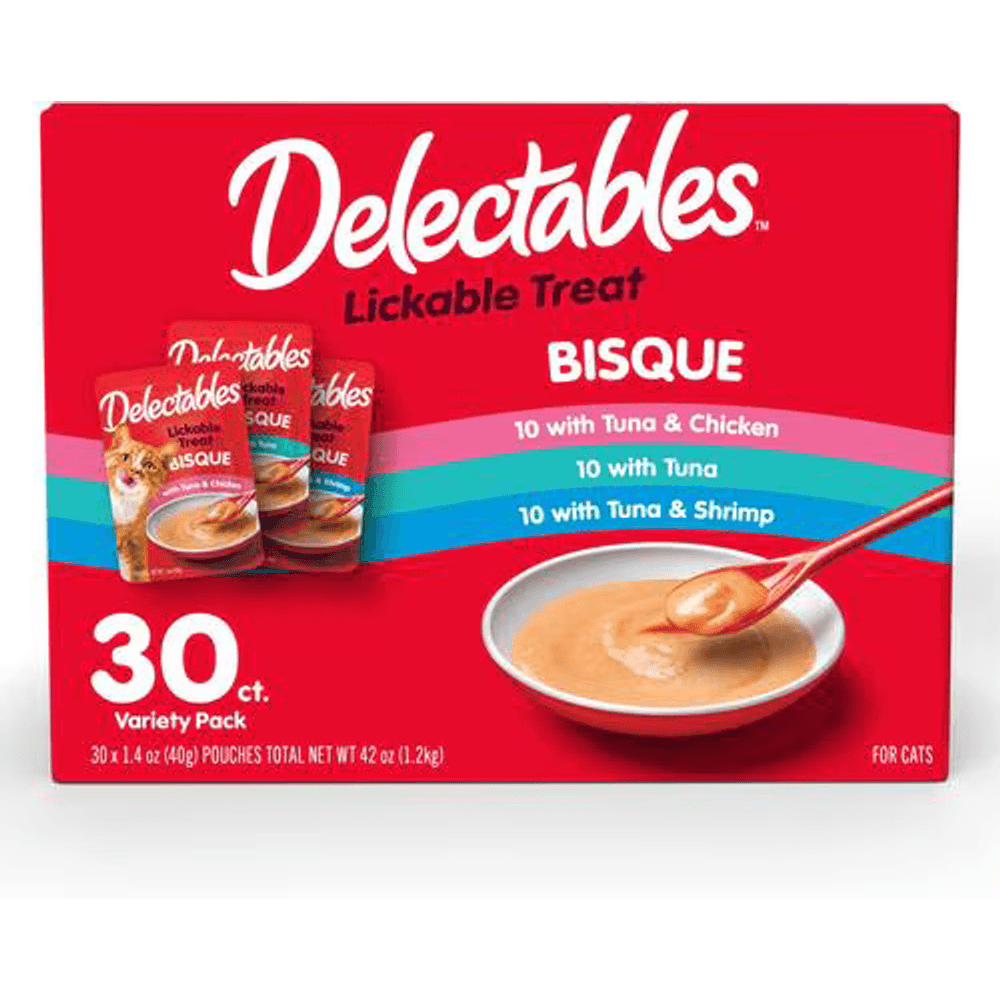
This is an optional cat treat. Review its current label, ingredients, calories, and feeding directions, and count it within the total daily extras.
Webvet may earn a commission when you click through to Chewy, at no extra cost to you.
The bottom line on plantains and cats is simple. They are safe only in the narrow sense that plain, cooked plantain will not poison your cat, but they are the wrong food for an obligate carnivore and bring nothing to the bowl. Keep raw plantain, fried plantain, and salted chips away entirely, and if your cat wants a treat, reach for a bit of plain cooked meat instead. When in doubt about any new food, check with your veterinarian, who knows your individual cat's health and diet best.
More safe treats
More fruits for cats
Sources
- Journal of Animal Science: Effects of six carbohydrate sources in cats
Controlled feeding data show cats efficiently digest properly processed starch, contradicting cannot-use-starch rhetoric.
- 2021 AAHA Nutrition and Weight Management Guidelines
Complete nutrition and patient-specific assessment should anchor feline diet advice.
- Merck Veterinary Manual: Salt Toxicosis in Animals
Salt toxicosis requires excessive exposure rather than the ordinary presence of sodium.
- ASPCA: Musa Paradisiaca (Plantain)
ASPCA lists Musa acuminata, with plantain among its common names, as non-toxic to cats and dogs.
Reviewed by Dr. Athena Gaffud, DVM
General guidance based on credible veterinary sources; not a diagnosis or a substitute for your veterinarian. If your pet ate something toxic or is unwell, contact your vet or a pet poison line right away.