
Can dogs eat plantains?
Safe in moderationPlain plantain flesh is not a recognized dog toxin. Raw pieces may be poorly tolerated; assess peel size, preparation, seasonings, amount, and symptoms.


Medically reviewed by Dr. Athena Gaffud, DVM · Last reviewed
Can Dogs Eat Plantains?
Yes, dogs can eat plantains, but only when they are cooked, plain, and served in small amounts as an occasional treat. Plantains are not toxic to dogs, so a bite of boiled or baked plantain will not poison your pet. Cooking softens firm, starchy plantain and may improve tolerance, but raw plantain is not established as poisonous. Amount, preparation, and the individual dog determine tolerance. That makes them fine as a rare snack but a poor choice for everyday feeding, and it means raw plantains and fried plantain chips are off the menu entirely.
- 1ASPCA lists Musa acuminata, including plantain, as non-toxic to dogs and cats.
- 2Cooking softens firm green plantain; raw texture may be less well tolerated, but it is not a separate toxic category.
- 3Do not use universal piece-count servings or blanket medical exclusions.
- 4A large swallowed peel piece may be a foreign body; risk depends on object and patient.
- 5Fried, oiled, or salted plantain is a calorie and sodium issue, not an intrinsic toxin.

Treats should stay under 10% of your dog's daily calories. JustFoodForDogs makes the rest of it.
- Recipes developed by veterinary nutritionists
- Whole-food ingredients you can recognise
- Fresh meals delivered to your door
Webvet may earn a commission when you click through to JustFoodForDogs, at no extra cost to you.

Are Plantains Safe for Dogs?
Plantains are safe for dogs in the sense that they contain nothing poisonous. Unlike grapes, onions, or chocolate, there is no compound in a plantain that is inherently dangerous to a dog. The whole question of safety instead comes down to how the plantain is prepared and how much of it your dog eats. A plantain is not the same thing as a banana, even though the two look similar. Plantains are firmer, much starchier, and far less sweet, and in most kitchens they are treated like a vegetable that needs cooking rather than a fruit you peel and eat raw.
That starch is the reason raw plantain is a bad idea. A raw plantain, especially a green one, is dense and hard, which makes it difficult for a dog to chew and a real choking or blockage risk for small dogs. The high resistant-starch content is also tough on the canine gut and can leave your dog gassy, bloated, or with an upset stomach. Cooking breaks that starch down into a form the digestive system can handle, softens the flesh so it is easier to swallow, and is the single most important step in serving plantain safely. If you would not eat a plantain in that state, your dog should not either.
Because plantain is calorie-dense and full of carbohydrates, it should always be a treat rather than a meal component. Dogs are built to get most of their nutrition from a complete, balanced diet, and a starchy fruit adds calories without filling any real gap. For a healthy dog at a healthy weight, an occasional small piece may fit the calorie plan, but tolerance and suitability vary. Dogs with diabetes, obesity, pancreatitis history, or a therapeutic diet need individualized calorie and nutrient guidance; those diagnoses do not support a universal claim that one small piece causes harm.
Plantains vs Bananas: What Is the Difference?
People often ask whether plantains are healthier than bananas for dogs, and the honest answer is that they serve different purposes. A banana is a soft, sweet fruit you can hand to your dog raw in a small slice, and it is one of the easier fruits for a dog to enjoy without any preparation. A plantain is starchier, contains more complex carbohydrates and less simple sugar when green, and has to be cooked. Neither is a health food for dogs, and both are treats. If you want the simplest safe fruit to share, a slice of banana is easier and needs no cooking, while plantain takes more effort and more caution.

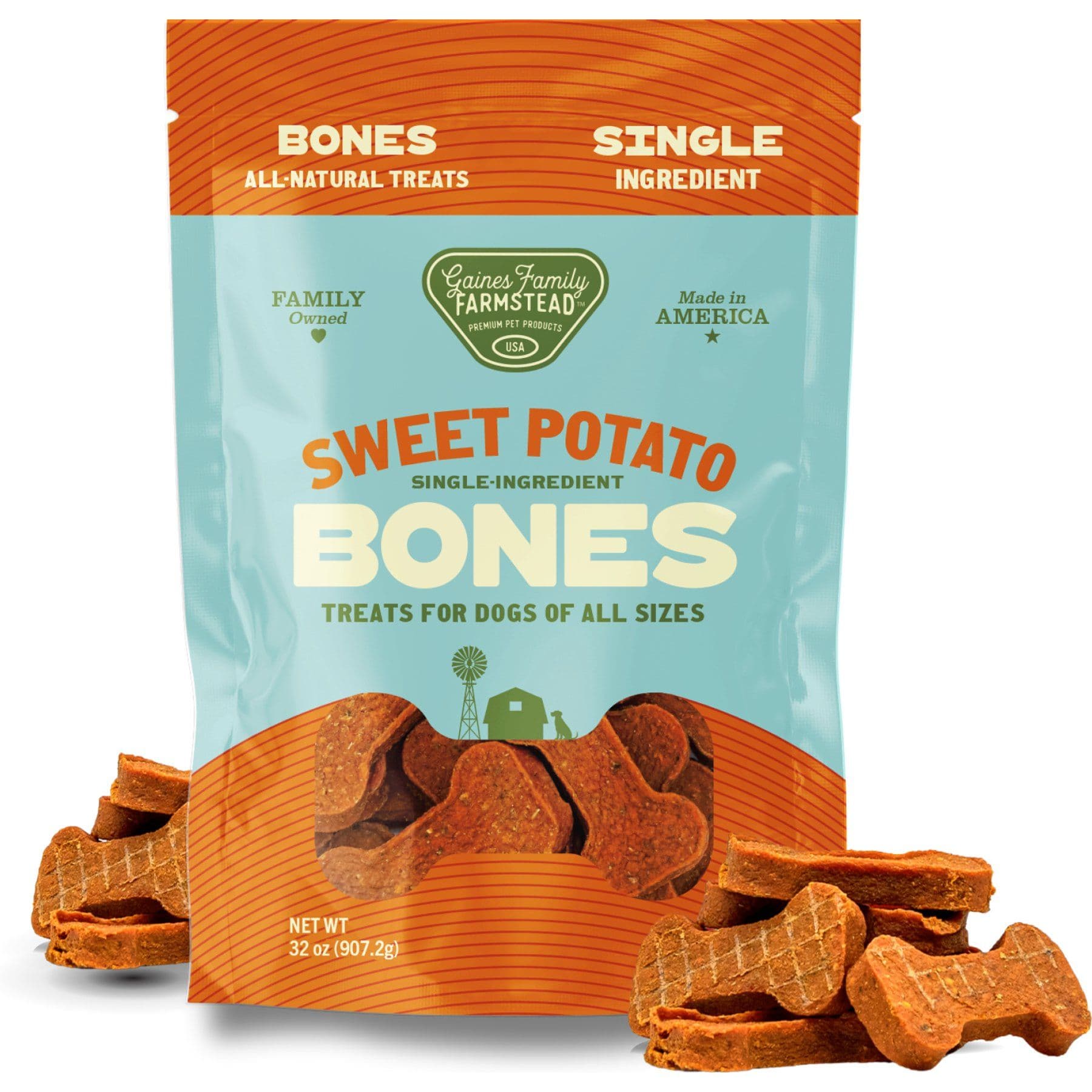
This is an optional dog treat. Review its current label, ingredients, calories, and feeding directions, and count it within the total daily extras.
Webvet may earn a commission when you click through to Chewy, at no extra cost to you.
Ripeness matters a great deal with plantains. A green plantain is very starchy and firm, closer in texture and taste to a potato, while a ripe plantain that has turned yellow or even black is sweeter, softer, and gentler on the stomach. For dogs, ripe plantain is the better pick because it is easier to cook down to a soft, digestible texture. Green plantain is not dangerous once cooked, but it is harder and less forgiving, so if you are choosing which plantain to share, reach for the ripe one on the counter.
Health Benefits of Plantains for Dogs
Plantain contains fiber, carbohydrate, vitamins, minerals, and calories. Those composition facts do not establish that a household portion will improve digestion, stool quality, vision, skin, immunity, metabolism, nerve function, or fluid balance in an individual dog. A complete diet should meet the dog's nutrient requirements.
A complete and balanced dog food should provide required vitamins and minerals in appropriate amounts and proportions. Plantain is not a supplement, digestive treatment, or health booster. If it is offered at all, its role is an optional calorie-containing extra whose suitability depends on the dog and the complete feeding plan.
How Much Plantain Can a Dog Eat?
The right amount of plantain depends on your dog's size, and the guiding principle is the ten percent rule: treats of any kind, plantain included, should make up no more than ten percent of your dog's daily calories. Because plantain is starchy and calorie-dense at roughly 122 calories per 100 grams, a little goes a long way. Start with a very small piece the first time to see how your dog's stomach handles it, and wait a day before offering more. If you notice gas, loose stool, or vomiting, stop and skip plantain in the future. The table below gives a rough starting guide by weight.

| Factor | What to consider |
|---|---|
| Daily calories | Count plantain with all treats and extras |
| Texture | Cook or cut as needed for the dog's chewing style |
| Medical diet | Ask the treating veterinarian before adding extras |
| Preparation | Check oil, sodium, seasonings, and total amount |
How to Prepare and Serve Plantains
Preparation is where plantain goes from risky to safe. Always cook it first by boiling, baking, or steaming, and always cook it plain. Peel the plantain, slice it, and cook it until it is soft all the way through, the same way you might prepare a potato for a dog. Once it has cooled to room temperature, cut it into small, bite-sized chunks appropriate for your dog's size so there is no choking hazard. Mashing the cooked plantain is another good option, especially for small dogs or seniors with dental issues, because it removes any risk of a large piece getting stuck.
This is an optional dog treat. Review its current label, ingredients, calories, and feeding directions, and count it within the total daily extras.
Webvet may earn a commission when you click through to Chewy, at no extra cost to you.
Just as important as what to do is what to avoid. Never add oil, butter, salt, sugar, garlic, onion, or any seasoning, because these range from unnecessary to outright dangerous for dogs. Fried plantain and chips add calories and may add sodium or seasonings; the amount and the individual dog determine clinical relevance. Remove the peel before offering flesh. A large swallowed peel piece may act as a foreign body, but blockage is not inevitable. Keep it plain, keep it cooked, and keep the portion small, and plantain stays a safe treat.

Risks and What to Watch For
The biggest everyday risk with plantain is simply too much of it. The high starch and sugar content can lead to weight gain over time and can cause blood-sugar spikes, which is why diabetic dogs should avoid it. In the short term, overfeeding plantain often shows up as digestive upset: gas, bloating, diarrhea, or in some cases constipation. Introducing any new food slowly and in small amounts is the best way to avoid these problems, and it also lets you spot a rare food sensitivity before it becomes a bigger issue.
Physical hazards are the other concern. Raw plantain and large chunks can lodge in the throat or gut, a danger that is greatest for small dogs and fast eaters who gulp their food. Always cut cooked plantain into pieces sized for your dog. Watch for signs of trouble after your dog eats plantain, including repeated vomiting, a lack of appetite, lethargy, a swollen or painful belly, or difficulty passing stool. Any of these signs, especially after fried or salted plantain, is a reason to call your veterinarian promptly rather than waiting to see if it passes.
Safe Alternatives to Plantains
If you want a fruit treat that is easier and needs no cooking, there are better everyday options. Bananas are a soft, sweet fruit you can share raw in a small slice, and most dogs love them, though they too are sugary and should stay an occasional snack. Apples are crunchy, hydrating, and full of fiber and vitamin C once you remove the core and seeds. Both are lower-effort, lower-risk ways to give your dog a fruity treat, and neither requires the careful cooking that plantain does, which makes them a smart default when you want to reward your dog with something from the fruit bowl.

This is an optional dog treat. Review its current label, ingredients, calories, and feeding directions, and count it within the total daily extras.
Webvet may earn a commission when you click through to Chewy, at no extra cost to you.
Frequently Asked Questions
Can dogs eat plantain chips?
Plantain chips vary in oil, sodium, seasonings, calories, and piece size. A dog may develop gastrointestinal signs after a rich or unfamiliar snack, but the product alone does not diagnose pancreatitis. Record the label and amount, monitor the dog, and seek advice for significant or persistent signs.
Can dogs eat raw plantain?
No, dogs should not eat raw plantain. Raw plantain is dense, starchy, and hard, which makes it difficult to digest and a choking or blockage risk, especially for small dogs. Plantain always needs to be cooked plain, until soft, before you offer it to your dog.
Are plantains healthier than bananas for dogs?
Not really, and they are harder to serve safely. Bananas are softer, can be fed raw in a small slice, and are simpler to share. Plantains must be cooked and are starchier. Both are treats rather than health foods, so for most owners a banana is the easier and lower-risk choice.
Can dogs eat plantains every day?
No, plantains should not be a daily food. They are high in starch, carbohydrates, and calories, so eating them every day can lead to weight gain and, in some dogs, blood-sugar problems. Keep plantain as an occasional treat that stays within the ten percent of daily calories reserved for treats.
Can dogs eat plantain skin?
No, always remove the skin. Plantain peel is tough and fibrous, hard for a dog to digest, and can cause an intestinal blockage. Peel the plantain, cook the flesh plain, and cut it into small pieces before serving.

More safe treats
More fruits for dogs
Sources
- AAHA: Nutritional Risk Factors
Extras should be individualized within the complete diet and medical plan.
- Merck Veterinary Manual: Gastrointestinal Obstruction in Small Animals
Peel foreign-body risk depends on object and patient, not peel presence alone.
- Merck Veterinary Manual: Pancreatitis in Dogs and Cats
Pancreatitis cannot be predicted or diagnosed from an undefined fried-food exposure.
- ASPCA: Musa Paradisiaca (Plantain)
ASPCA lists Musa acuminata, with plantain among its common names, as non-toxic to dogs and cats.
Reviewed by Dr. Athena Gaffud, DVM
General guidance based on credible veterinary sources; not a diagnosis or a substitute for your veterinarian. If your pet ate something toxic or is unwell, contact your vet or a pet poison line right away.