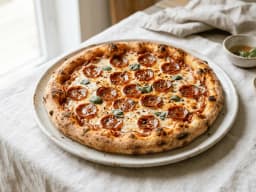
Can cats eat pizza?
Not recommendedCooked pizza risk depends on recipe and amount; confirm garlic or onion. Raw yeast dough can expand and produce ethanol, so contact a veterinarian immediately.


Medically reviewed by Dr. Athena Gaffud, DVM · Last reviewed
Can Cats Eat Pizza?
Cats should not eat pizza. It is not a single food but a stack of ingredients that work against a cat's body, and the garlic and onion hidden in almost every pizza sauce are the real danger. Those two ingredients are toxic to cats and can damage red blood cells, while the cheese, greasy toppings, salty crust, and raw dough add their own problems on top. A cat who steals a bite of plain, fully baked crust does not by itself establish poisoning, but pizza remains an optional mixed food whose implications depend on the recipe, amount, cat, and symptoms.
- 1Cooked pizza risk depends on recipe, amount, cat, and symptoms.
- 2Confirm and quantify garlic or onion; being a small cat is not a dose calculation.
- 3Cheese, crust, sauce, fat, and salt are not toxins as categories.
- 4Lactose intolerance, pancreatitis, and salt toxicosis cannot be diagnosed or predicted from an undefined bite.
- 5Raw yeast dough can expand and produce ethanol in any species and warrants immediate veterinary contact.

Treats should stay under 10% of your cat's daily calories. Smalls makes the rest, built around the meat an obligate carnivore actually needs.
- Human-grade ingredients, protein first
- Built for obligate carnivores
- Fresh meals delivered to your door
Webvet may earn a commission when you click through to Smalls, at no extra cost to you.

How to assess cooked pizza for a cat
Cats need complete feline nutrition, but that requirement does not show that every grain, dairy ingredient, or cooked crust is unusable. Pizza is a variable mixed food, so identify the crust, sauce, cheese, toppings, seasonings, and amount. Assess confirmed alliums or raw dough separately from calories, sodium, fat, and individual dairy tolerance.
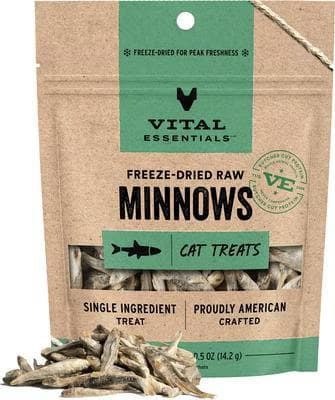
This is an optional cat treat. Review its current label, ingredients, calories, and feeding directions, and count it within the total daily extras.
Webvet may earn a commission when you click through to Chewy, at no extra cost to you.
Look at pizza the way a feline body does and there is nothing useful on the plate. The crust is refined carbohydrate that a cat does not need. The sauce is where the toxic garlic and onion live. The cheese is dairy that most adult cats cannot digest. The oily toppings pile on fat and salt. Even a plain cheese slice, stripped of pepperoni and sausage, is still a dense, salty, fatty food with zero nutritional payoff for a meat eater. That is the core reason pizza sits in the not-recommended column: the risk is real and the reward is nothing.
The ingredients that make pizza risky
The single biggest concern is the garlic and onion cooked into the tomato sauce. You cannot see it, but it is almost always there, and allium toxicity in cats does not need a large amount to cause trouble. Because cats weigh so little, usually around eight to ten pounds, the toxic dose is far smaller than most people expect. This is why a couple of licks of garlicky sauce is worth a call to your vet rather than a shrug.

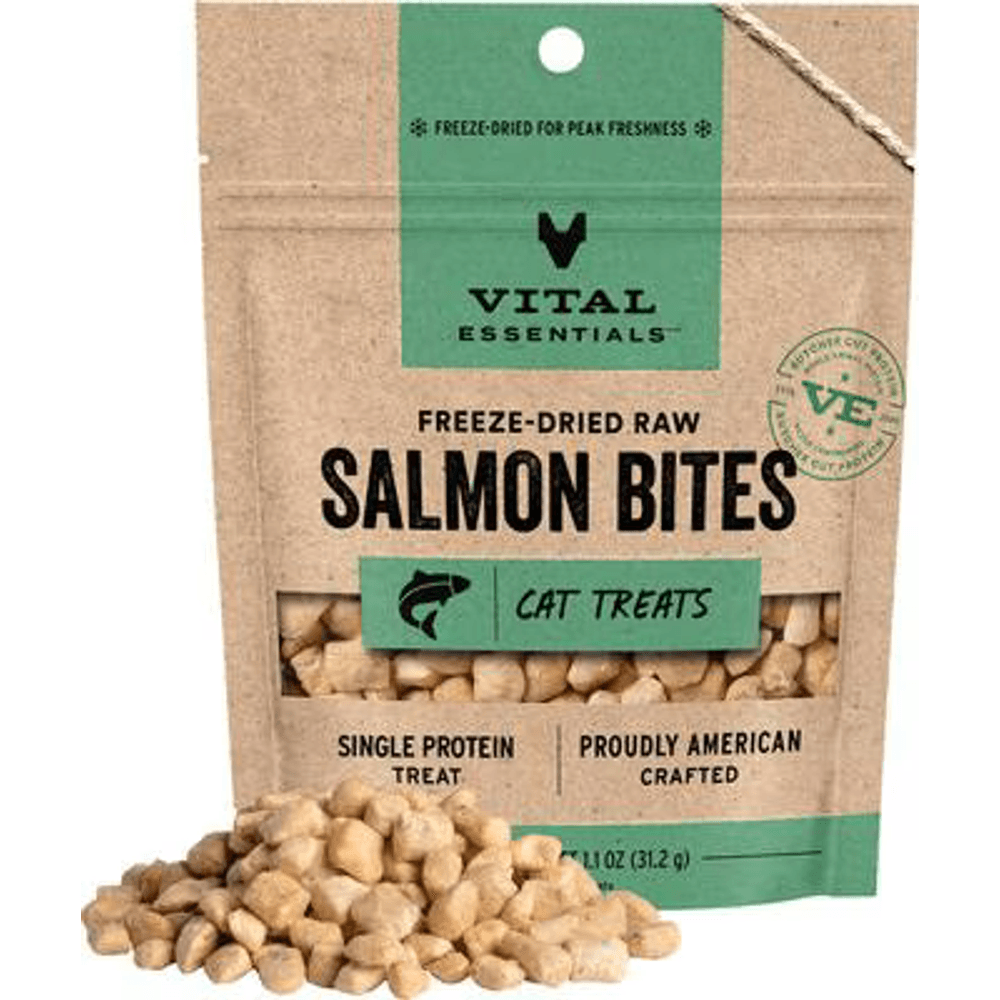
This is an optional cat treat. Review its current label, ingredients, calories, and feeding directions, and count it within the total daily extras.
Webvet may earn a commission when you click through to Chewy, at no extra cost to you.
Cheese adds calories, and individual dairy tolerance varies. An undefined mouthful does not predict gas, vomiting, or diarrhea. Processed-meat toppings vary in fat, sodium, preservatives, and seasonings; check the exact product. A cooked slice does not itself establish pancreatitis or salt toxicosis.
Raw pizza dough is the one that turns from bad idea into true emergency. If a cat swallows uncooked dough, the warmth of the stomach lets the yeast keep rising, which can cause painful bloating. As the yeast ferments it also produces alcohol, and alcohol poisoning in a cat is life threatening. Never leave rising dough on a counter where a curious cat can reach it, and treat any dough your cat has eaten as an urgent problem, not a wait-and-see one.
| Pizza component | Evidence-based assessment |
|---|---|
| Sauce | Verify garlic and onion and quantify exposure |
| Cheese | Calories and individual tolerance; do not assume symptoms |
| Processed meat | Check sodium, calories, and actual seasonings |
| Baked crust | Optional calories; check garlic or seasoning |
| Raw yeast dough | Immediate veterinary contact for expansion and ethanol risk |
What to do if your cat ate pizza
Start by figuring out what your cat actually got into. A single lick of plain, fully baked crust with no toppings is usually not an emergency. Offer fresh water, take the rest of the pizza out of reach, and watch your cat for the next day or so for any sign of stomach upset such as vomiting, diarrhea, drooling, or a drop in appetite or energy. Most cats who sneak a tiny taste of plain crust move on without any trouble.

Cat-safe treats to offer instead
If you want to share a treat, lean into what a cat's body is actually built for: plain, simple meat. A little plain cooked chicken is a favorite for good reason. A small amount of plain cooked egg is another protein-rich option, and a flake of plain cooked fish can be an occasional treat too. Keep everything unseasoned, with no garlic, onion, salt, or sauce, and keep the portion tiny, no more than a bite or two. A lick of plain meat baby food or a proper store-bought cat treat works just as well when you want that shared-snack moment.
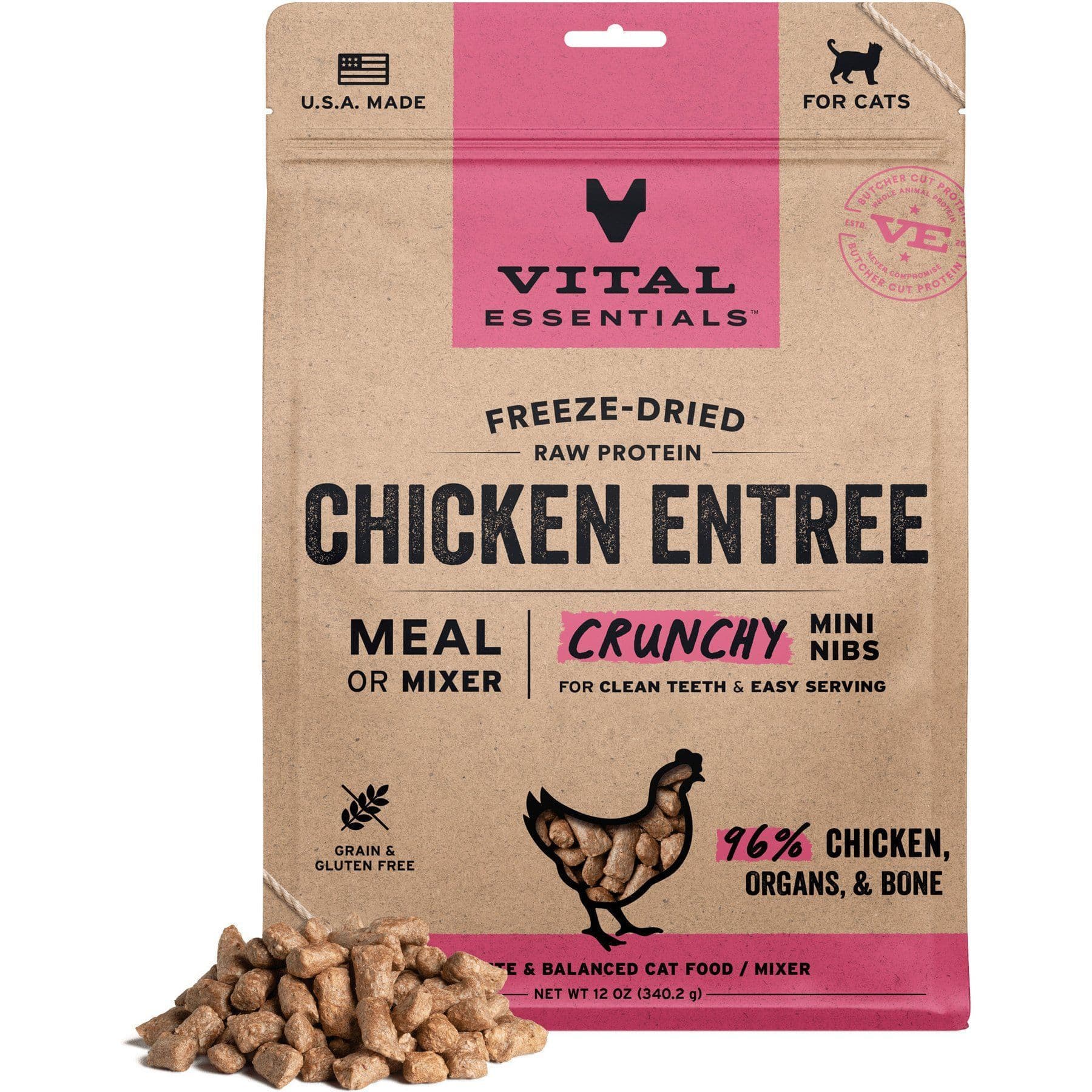
This is an optional cat treat. Review its current label, ingredients, calories, and feeding directions, and count it within the total daily extras.
Webvet may earn a commission when you click through to Chewy, at no extra cost to you.
Whatever you offer, treats should stay small and occasional. A cat gets nearly everything it needs from a complete, balanced cat food, so extras are for bonding, not nutrition. Keeping human food to a rare, plain-protein nibble means you can enjoy the ritual of sharing without ever putting garlic, onion, dairy, or dough anywhere near your cat.
Frequently asked questions
What happens if my cat eats pizza?
Cooked pizza varies by recipe and amount. Check for confirmed garlic, onion, or other toxins, and assess sodium, calories, individual dairy tolerance, medical history, and symptoms without predicting pancreatitis or salt toxicosis.
Can cats eat pizza crust?
Plain fully baked crust without a confirmed toxin is not an intrinsic poison, but it adds calories and should not displace a complete diet. Check for garlic, onion, raisins, xylitol, and other ingredients.
Can cats eat pizza cheese or pepperoni?
Cheese and pepperoni are not toxins as categories. Review the exact dairy, sodium, calories, seasonings, amount, and symptoms; confirm garlic or onion rather than assuming it is present.
Can pizza kill a cat?
A plain cooked bite without a confirmed toxin is not automatically a fatal exposure. Raw yeast dough warrants immediate contact; for garlic or onion, use ingredient form, amount, cat weight, and symptoms for dose-specific advice.
My cat licked pizza sauce. Should I worry?
Pizza sauce varies. Confirm garlic or onion and record the amount, cat weight, timing, and symptoms. Obtain dose-specific advice for a meaningful confirmed allium exposure or signs, not merely for more than a taste.

Safe alternatives
More grains & bread for cats
Sources
- Merck Veterinary Manual: Bread Dough Toxicosis in Animals
Any species can be affected by raw yeast dough, although dogs are most commonly reported.
- Merck Veterinary Manual: Garlic and Onion Toxicosis
Cats are especially susceptible to alliums, but exposure amount and form matter.
- Merck Veterinary Manual: Pancreatitis in Dogs and Cats
Feline pancreatitis should not be predicted from a generic fatty-food claim.
- Merck Veterinary Manual: Salt Toxicosis in Animals
Salt toxicosis follows excessive sodium exposure and is affected by access to fresh water; ordinary sodium in food is not itself a toxicosis diagnosis.
- 2021 AAHA Nutrition and Weight Management Guidelines
Optional human-food extras should not displace complete nutrition and require an individual nutritional assessment.
Reviewed by Dr. Athena Gaffud, DVM
General guidance based on credible veterinary sources; not a diagnosis or a substitute for your veterinarian. If your pet ate something toxic or is unwell, contact your vet or a pet poison line right away.