
Can cats eat pepperoni?
Not recommendedPepperoni is not a good routine cat treat. Check the label and amount; confirmed garlic or onion requires a dose-based assessment because cats are susceptible.


Medically reviewed by Dr. Athena Gaffud, DVM · Last reviewed
Can Cats Eat Pepperoni?
Cats should not eat pepperoni as a routine treat. This cured sausage is calorie- and sodium-dense, while garlic and onion vary by product and must be checked on the label. A single stolen nibble is not automatically an emergency. The clinical question concerns a cat for whom the actual ingredient label, amount eaten, body weight, health history, and symptoms determine the assessment.
- 1Pepperoni is calorie- and sodium-dense, so it is not a good routine cat treat.
- 2Read the exact label; garlic and onion are genuine feline toxins if they are present.
- 3Allium risk depends on ingredient form, amount, and the cat's weight; one taste is not automatically an anemia dose.
- 4An undefined amount of fat or sodium does not establish pancreatitis or salt toxicosis.
- 5Call for veterinary advice after a concerning amount, a confirmed toxic ingredient, or significant symptoms.

Treats should stay under 10% of your cat's daily calories. Smalls makes the rest, built around the meat an obligate carnivore actually needs.
- Human-grade ingredients, protein first
- Built for obligate carnivores
- Fresh meals delivered to your door
Webvet may earn a commission when you click through to Smalls, at no extra cost to you.
Is Pepperoni Safe for Cats?
No, pepperoni is not a safe treat for cats. A single lick of plain pepperoni is unlikely to poison a healthy adult cat, but that is a very different thing from pepperoni being good or even acceptable for them. Pepperoni recipes vary. Check the label for sodium, calories, garlic, onion, and other ingredients. Culinary food-use levels of nitrates, paprika, or chili are not established feline poisoning thresholds. Each of those ingredients carries its own risk for a cat, and a cat's small body size means the margin between a harmless taste and a genuine problem is much narrower than it is for a person or even a dog. There is simply no nutritional upside to offset the downside, so the safest answer is to keep pepperoni to yourself.

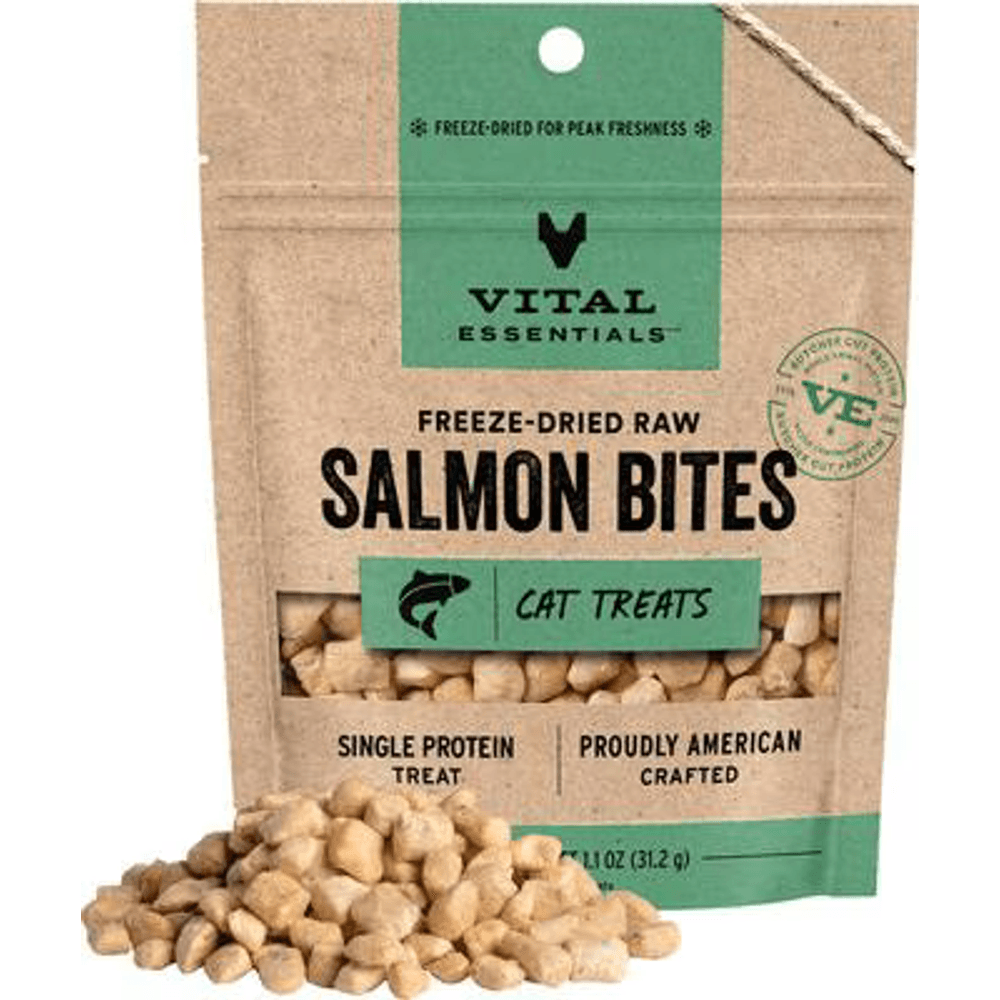
This is an optional cat treat. Review its current label, ingredients, calories, and feeding directions, and count it within the total daily extras.
Webvet may earn a commission when you click through to Chewy, at no extra cost to you.
Why Pepperoni Is a Poor Fit for an Obligate Carnivore
Cats have species-specific nutrient requirements that should be met by complete feline food. That does not make every meat product appropriate or every non-meat ingredient unusable. Pepperoni varies by recipe; sodium and calories make it a poor routine extra, while confirmed garlic or onion requires a separate dose-based toxicology assessment. Judge an accidental taste from the product, amount, cat, medical history, and symptoms rather than a food-group slogan.
The Real Risks: Salt, Fat, Allium, and Spice
The trouble with pepperoni is not one single ingredient but the stack of them. Garlic and onion powder top the list because alliums damage a cat's red blood cells and can cause a dangerous anemia, and cats are more sensitive to this toxicity than dogs are. Because seasoning is concentrated in powder form, even a modest slice can carry a meaningful dose. Salt is the next concern: pepperoni often contains 1,500 to 2,000 milligrams of sodium per 100 grams, and in a body that may weigh only eight to ten pounds, too much salt can lead to excessive thirst, vomiting, and in larger amounts, sodium toxicity. A rich food may be followed by gastrointestinal signs in an individual cat, but an undefined fat exposure does not establish feline pancreatitis. Finally, the chili and paprika that give pepperoni its kick simply irritate a cat's stomach, and cats cannot enjoy that heat the way people do. Put together, these risks make pepperoni a food to avoid rather than ration.

This is an optional cat treat. Review its current label, ingredients, calories, and feeding directions, and count it within the total daily extras.
Webvet may earn a commission when you click through to Chewy, at no extra cost to you.
| Assessment item | Evidence-based interpretation |
|---|---|
| Garlic or onion | Confirmed allium exposure is dose-dependent; cats are especially susceptible |
| Sodium | Use the label and amount; ordinary presence does not equal salt toxicosis |
| Fat and calories | Poor routine-treat fit; pancreatitis cannot be diagnosed or predicted from an undefined bite |
| Paprika, chili, nitrates | No feline poisoning threshold is established for ordinary culinary food-use levels |
| Patient and signs | Record weight, health history, amount, timing, and observed symptoms |
What About Turkey Pepperoni or Pepperoni Pizza?
Swapping in turkey pepperoni does not fix the core problem. It is usually lower in fat than pork and beef pepperoni, but it is still a cured, heavily salted product that carries the same garlic and onion seasonings and the same spice blend, so it stays on the do-not-feed list for cats. Pepperoni pizza is worse, not better, because it piles the sausage on top of a salty, oily crust and a tomato sauce that often hides more garlic and onion. If your cat licks a bit of cheese or steals a crumb of crust, it is not usually cause for panic, but pizza is not a snack to offer on purpose. The safest habit is to treat every form of pepperoni, whether classic, turkey, or baked onto a pizza, as a human food that stays out of reach of curious paws.
How Much Pepperoni Is Too Much?
There is no amount of pepperoni that is genuinely good for a cat, so the honest answer is that even a little is more than a cat needs. In practice, a single tiny plain nibble that your cat sneaks off the counter is usually a low-stakes event that ends in nothing worse than a bit of stomach upset or a few extra trips to the water bowl. The danger climbs quickly with quantity: a whole slice, several slices, or a pepperoni stick delivers a much larger dose of salt, fat, and allium seasoning to a small body, and that is when vomiting, diarrhea, and more serious signs become likely. Kittens, senior cats, and cats with existing heart, kidney, or pancreatic conditions have even less margin to spare. Rather than trying to calculate a safe portion, the simpler and safer rule is to keep pepperoni off the list of treats entirely and store it where your cat cannot reach it.

Better Cat-Safe Treats to Offer Instead
The good news is that the meaty craving behind your cat's pepperoni obsession is easy to satisfy in a far safer way. Because cats are carnivores, the best treats are simple, unseasoned proteins. A few small pieces of plain cooked chicken give your cat the lean, savory meat it actually wants with no salt or spice. A little plain cooked egg is another protein-rich option, and a small amount of plain cooked fish can be an occasional hit as long as it is boneless and unseasoned. A lick of plain meat baby food with no onion or garlic on the label, or a proper store-bought cat treat, works too. Serve any of these in tiny, bite-sized amounts, keep treats to no more than about ten percent of your cat's daily calories, and let their complete cat food do the real nutritional work.
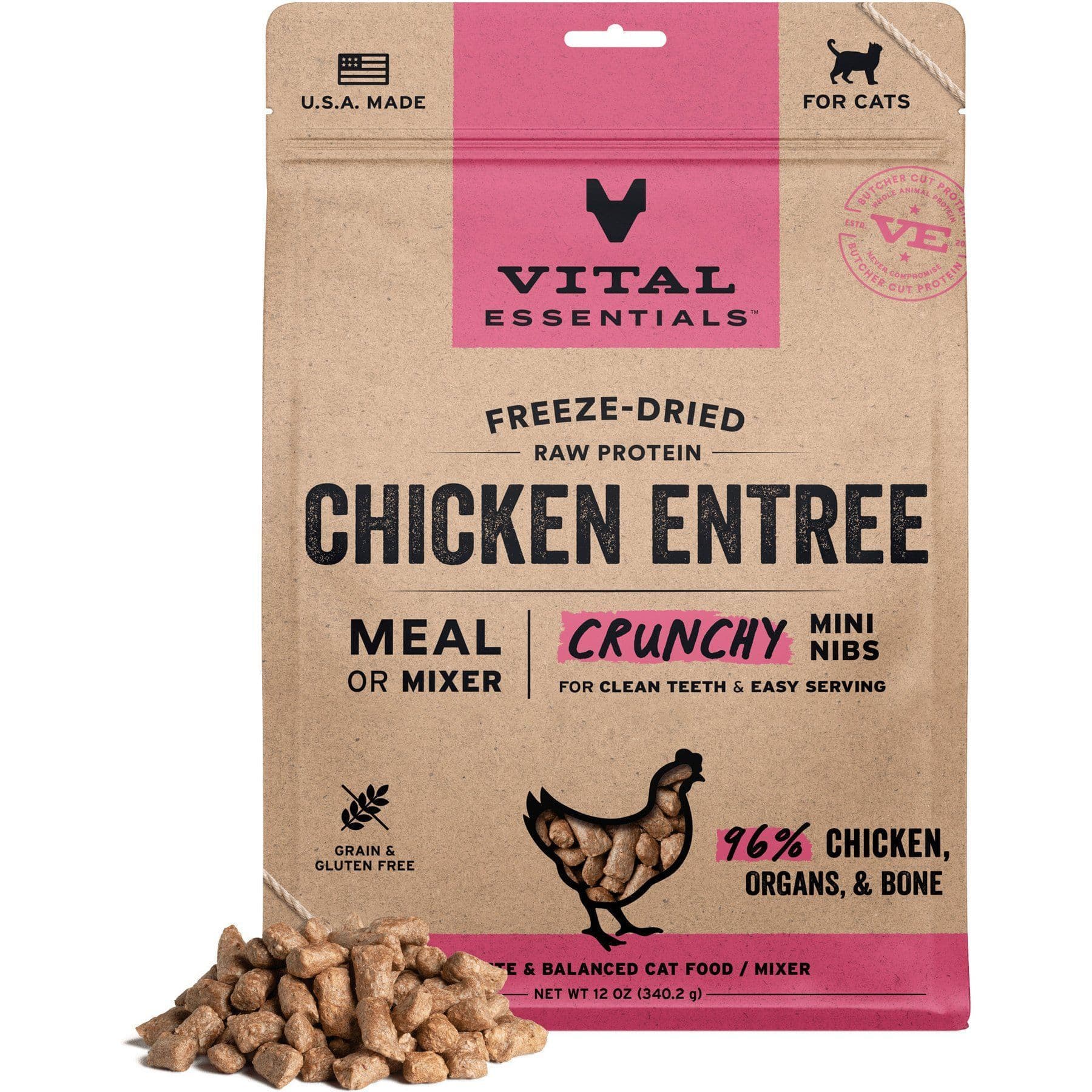
This is an optional cat treat. Review its current label, ingredients, calories, and feeding directions, and count it within the total daily extras.
Webvet may earn a commission when you click through to Chewy, at no extra cost to you.
Frequently Asked Questions
Can pepperoni kill a cat?
A single small plain nibble is very unlikely to kill a healthy cat, but pepperoni is not harmless. The real danger comes from the garlic and onion seasoning, which can damage red blood cells, and from large amounts of salt and fat that a small cat cannot handle well. Eating several slices or a whole stick, especially heavily seasoned pepperoni, can make a cat genuinely sick and warrants a call to your vet or a pet poison line.
Can cats eat salami or pepperoni?
Neither is a good idea. Salami and pepperoni are both cured, salt-heavy sausages seasoned with garlic and other spices, so they carry the same risks for cats. A stray lick is usually not an emergency, but neither one should be offered as a treat. If you want to share a meaty snack, plain cooked chicken or a proper cat treat is a much safer choice.
What should I do if my cat ate pepperoni?
If it was a tiny plain piece, offer fresh water and watch for vomiting, diarrhea, or lethargy over the next day. If your cat ate a large amount, several slices, or clearly seasoned pepperoni, contact your vet or a pet poison line promptly. Note how much was eaten and whether it contained garlic or onion, since that information helps the vet judge the risk. Pale gums, weakness, or repeated vomiting mean you should be seen the same day.
What happens if my cat eats pizza?
For pizza, inspect the recipe and amount. Cheese, crust, and tomato sauce are not toxins as categories; confirmed garlic or onion and any other toxic ingredient require their own exposure assessment. A small stolen bite usually just risks stomach upset, but pizza is not a snack to offer on purpose. If your cat ate a larger amount, especially the garlic-heavy sauce or pepperoni, watch closely and call your vet if anything seems off.
Is turkey pepperoni safe for cats?
No. Turkey pepperoni is often lower in fat than pork and beef pepperoni, but it is still cured, salted, and seasoned with the same garlic, onion, and spices, so it is not a safe cat treat. The leaner meat does not undo the salt and allium problems. If your cat wants poultry, plain cooked turkey or chicken with no seasoning is the far better option.

Safe alternatives
More meat & seafood for cats
Sources
- Merck Veterinary Manual: Garlic and Onion Toxicosis
Cats are the most susceptible listed species, but toxicosis remains exposure- and dose-dependent.
- Merck Veterinary Manual: Salt Toxicosis in Animals
Excess sodium and water access determine salt-toxicosis risk.
- Merck Veterinary Manual: Pancreatitis in Dogs and Cats
Feline pancreatitis does not have the simple high-fat causal rule asserted by the live copy.
- AAHA: Nutritional Risk Factors
Treat calories should be assessed within the full diet.
Reviewed by Dr. Athena Gaffud, DVM
General guidance based on credible veterinary sources; not a diagnosis or a substitute for your veterinarian. If your pet ate something toxic or is unwell, contact your vet or a pet poison line right away.