
Can dogs eat pepperoni?
Not recommendedPepperoni is not a good routine dog treat. Check its label and amount; confirmed garlic or onion or significant symptoms need veterinary advice.


Medically reviewed by Dr. Athena Gaffud, DVM · Last reviewed
Can Dogs Eat Pepperoni?
Pepperoni is best avoided for dogs. It is not an acute poison the way chocolate or grapes are, so a single small slice that falls off a pizza rarely turns into an emergency for a healthy medium or large dog. But pepperoni is one of the worst everyday human foods you can hand your dog on purpose. It is essentially a spicy version of salami: a cured, heavily salted, high-fat sausage whose sodium, fat, and seasoning vary by brand; check the label for garlic or onion and assess the actual amount. Between the salt, the fat, the hot spices, and the hidden alliums, there is real risk and almost no upside, so the honest answer is that pepperoni should stay off your dog's menu.
- 1Pepperoni is calorie- and sodium-dense, so it is not a good routine dog treat.
- 2Ingredients and sodium vary by brand; read the label instead of assuming every product contains garlic or onion.
- 3If alliums are present, assess the ingredient form and amount against the dog's weight.
- 4An undefined bite does not by itself establish pancreatitis or salt toxicosis.
- 5Call for veterinary advice after a concerning amount, a confirmed toxic ingredient, or significant symptoms.

Treats should stay under 10% of your dog's daily calories. JustFoodForDogs makes the rest of it.
- Recipes developed by veterinary nutritionists
- Whole-food ingredients you can recognise
- Fresh meals delivered to your door
Webvet may earn a commission when you click through to JustFoodForDogs, at no extra cost to you.
Is pepperoni safe for dogs?
Pepperoni sits in the gray zone between clearly toxic and truly safe, and that is exactly why it causes so much confusion. The meat itself, usually a mix of pork and beef, is not poisonous to dogs. If that were the whole story, a bit of pepperoni would be no worse than any other scrap of meat. The problem is everything that gets added to turn fresh meat into pepperoni. Curing loads it with salt. The fermentation and drying process concentrates fat until pepperoni is roughly forty to fifty percent fat by weight. And the flavor comes from a spice blend built on paprika, cayenne or chili flakes, and, in most commercial recipes, garlic and onion powder. So while a nibble is unlikely to send a big dog to the emergency room, pepperoni fails the basic test of a good dog treat: it delivers a heavy dose of exactly the things dogs should have as little of as possible.

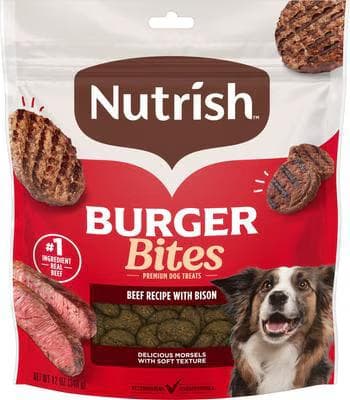
This is an optional dog treat. Review its current label, ingredients, calories, and feeding directions, and count it within the total daily extras.
Webvet may earn a commission when you click through to Chewy, at no extra cost to you.
Size and health history matter enormously here. Body weight and medical history are part of the assessment, but breed or size alone does not predict an outcome. Use the package's sodium and ingredient information, the amount eaten, access to water, the dog's prescribed diet, and symptoms when deciding whether to call. Puppies, with their smaller bodies and developing systems, also have less margin for error. Because you cannot always tell how much garlic or onion a particular pepperoni contains, the safest approach is to treat all pepperoni as off-limits rather than trying to guess where the line is.
Why pepperoni is risky for dogs
The high fat content is the first and most serious concern. Pepperoni is one of the fattiest cured meats there is, and a dog's digestive system handles rich, fatty meals poorly. Dietary indiscretion is a reported canine pancreatitis risk factor, but a bite of pepperoni does not predict that pancreatitis will occur. Pancreatitis often shows up as vomiting, a hunched or tender belly, loss of appetite, and lethargy, and it can require hospitalization and days of supportive care. Breeds like Miniature Schnauzers and Yorkshire Terriers are especially prone to it, but any dog can develop pancreatitis after a fatty indulgence like pepperoni, sausage, or bacon.
Salt is present in pepperoni, but the label and amount determine exposure. Salt toxicosis requires excessive sodium intake and is influenced by access to fresh water; the ordinary presence of salt does not establish poisoning. Clinically important salt toxicosis can include vomiting, diarrhea, neurologic signs, and other abnormalities. Risk depends on the actual sodium dose, water access, patient, and symptoms. Dogs with heart or kidney disease or a prescribed diet need individualized advice.

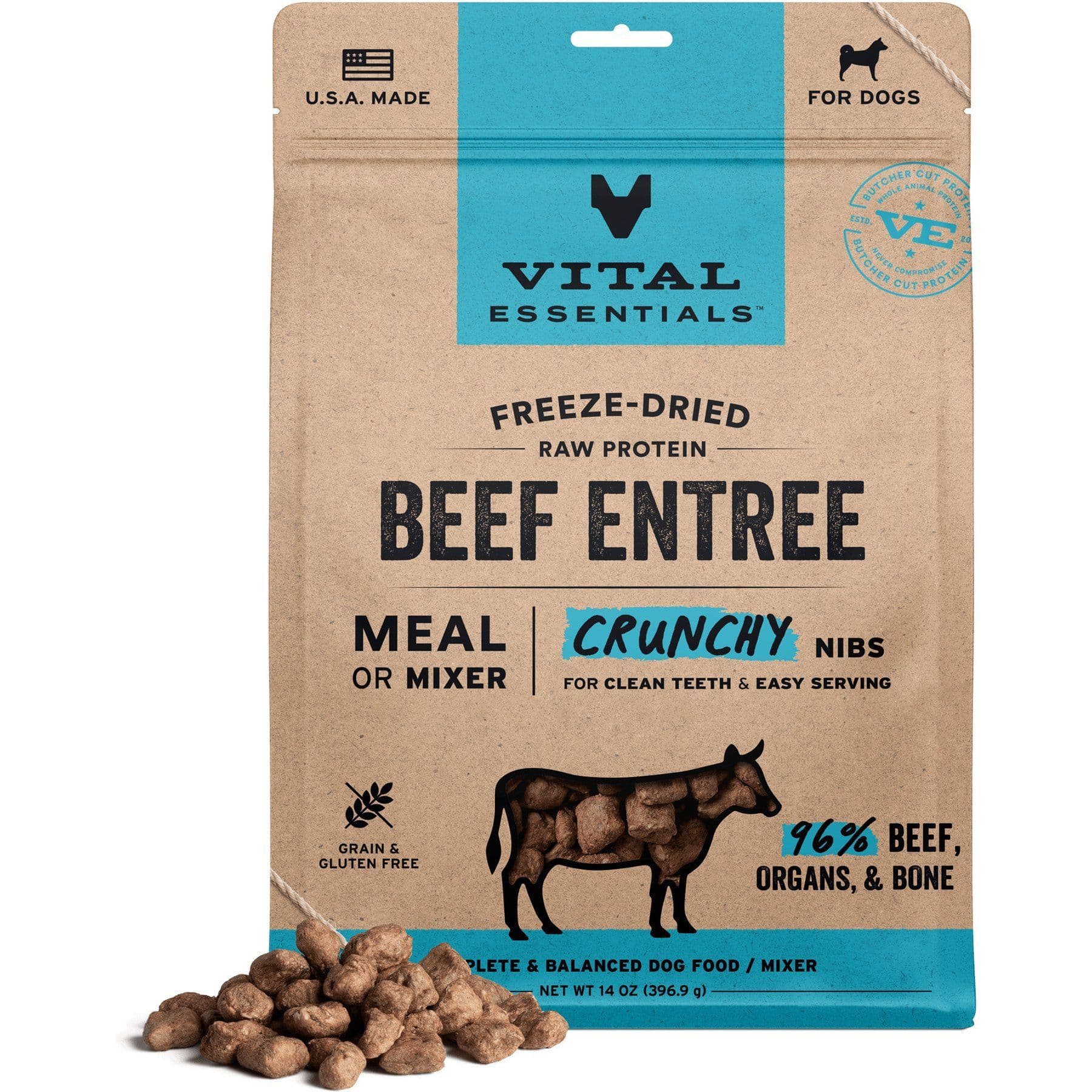
This is an optional dog treat. Review its current label, ingredients, calories, and feeding directions, and count it within the total daily extras.
Webvet may earn a commission when you click through to Chewy, at no extra cost to you.
The third danger is the one owners overlook most: garlic and onion. Both belong to the allium family, and both are toxic to dogs whether raw, cooked, or in the dried powdered form used to season pepperoni. Powdered forms are actually more concentrated than fresh, so the seasoning dusted through cured meat packs a bigger punch than you might expect. Alliums damage a dog's red blood cells and can cause hemolytic anemia, and the signs, such as weakness, pale gums, lethargy, and dark or reddish urine, can appear a few days after the meal rather than right away. That delay is what makes garlic and onion poisoning so easy to miss.
Pepperoni adds one more problem that plain salami does not: heat. No canine poisoning threshold is established for ordinary culinary amounts of paprika or chili. The label, actual ingredients, amount, patient, and observed symptoms matter more than a categorical spice warning.
How much pepperoni is too much?
There is no safe recommended serving of pepperoni for dogs, because unlike a fruit or vegetable it offers nothing a dog needs and carries risks that scale with body size. The practical reality is that a healthy large dog who eats one small slice will most likely just be fine, while the same amount could make a toy breed sick. The table below gives a rough sense of how the danger scales, but it is a guide to risk, not a serving recommendation. The right amount of pepperoni to feed on purpose is none.
| Assessment item | What to record | Why it matters |
|---|---|---|
| Product | Brand, ingredient label, sodium per serving | Allium and sodium vary |
| Exposure | Amount eaten and time | Risk is dose-dependent |
| Patient | Weight, medical history, therapeutic diet, water access | Changes the clinical assessment |
| Clinical signs | Repeated vomiting, weakness, pale gums, tremors, severe pain | May require prompt veterinary care |
What about pepperoni pizza, sticks, and turkey pepperoni?
All of the cured and processed forms of pepperoni share the same problems, and some settings make it worse. Pepperoni pizza is a common way dogs get into it, and the pizza compounds the risk: the crust, cheese, and tomato sauce add more salt and fat, and pizza sauces frequently contain extra garlic and onion. Pepperoni sticks and dried pepperoni are more concentrated because moisture has been removed, so gram for gram they deliver even more salt and fat than a fresh slice. Turkey pepperoni is sometimes marketed as a healthier option, but it is still cured, still salty, and still spiced with the same paprika, chili, garlic, and onion, so it is not a safe dog treat either. If you are looking for a meaty reward, none of the pepperoni family is a good source. Plain, unseasoned, cooked meat is always the better choice than anything cured or spiced.

Cooking pepperoni does not make it safer either. Heating a slice on a pizza or in a pan does nothing to remove the salt, fat, garlic, onion, or chili that make it a poor choice in the first place. If anything, crisping pepperoni renders out some fat into a greasy layer that is just as rich when a dog laps it up. The bottom line is that no preparation method turns pepperoni into a food that belongs in a dog's diet.
What to do if your dog ate pepperoni
Start by figuring out how much your dog ate and what kind of pepperoni it was. A single small slice grabbed by a healthy adult dog usually calls for nothing more than offering fresh water and keeping an eye out for stomach upset over the next day or two. If your dog ate a large amount, got into a whole pepperoni stick or a topping-loaded pizza, is a small breed or puppy, or the pepperoni was heavily flavored with garlic or onion, contact your veterinarian or a pet poison line promptly rather than waiting. Bring the packaging if you have it, since the ingredient list helps them judge the garlic and onion content and the sodium load.
Do not try to make your dog vomit at home unless a veterinarian specifically tells you to, because inducing vomiting incorrectly can cause its own harm. The most useful thing you can do is provide plenty of fresh water to help dilute the salt, monitor closely, and note the timing and any symptoms so your vet has an accurate picture. Signs that warrant an immediate call include repeated vomiting, diarrhea, a swollen or painful belly, extreme thirst, restlessness, tremors, weakness, or pale gums. Because the fat and allium risks can develop over hours to days, keep watching even if your dog seems fine at first.
Safe alternatives to pepperoni
If you want to reward your dog with a savory, meaty treat, skip the deli counter and reach for plain, unseasoned protein instead. Plain cooked chicken is a lean, dog-friendly favorite: boil or bake it with no salt, oil, garlic, or onion, remove the bones and skin, and tear it into small pieces. A plain scrambled or boiled egg is another excellent high-protein option, cooked with nothing added. Both give your dog the meaty taste they crave without the salt, fat, chili, and toxic seasonings that make pepperoni a bad idea. These are the treats to keep on hand for training and everyday rewards.

This is an optional dog treat. Review its current label, ingredients, calories, and feeding directions, and count it within the total daily extras.
Webvet may earn a commission when you click through to Chewy, at no extra cost to you.
The key with any of these alternatives is to keep it plain. The moment you add salt, butter, garlic, onion, or spices, you start recreating the very problems that make pepperoni unsafe. Treats of any kind, even healthy ones, should make up no more than about ten percent of your dog's daily calories, with the rest coming from a complete and balanced dog food.
Frequently asked questions
Can dogs have a little pepperoni?
A small taste is not automatically poisoning, but no universal safe slice exists. Check the exact label, amount, dog weight, medical history, water access, and symptoms; confirm garlic or onion rather than assuming it.
Is pepperoni pizza bad for dogs?
Pepperoni pizza is not a suitable routine dog food, but cooked pizza varies by recipe and amount. Check the sauce, crust, cheese, and toppings for confirmed toxins, and assess sodium, calories, and symptoms without treating every bite as an emergency.
Can pepperoni make a dog sick?
Pepperoni may be followed by gastrointestinal signs in an individual dog, but an undefined bite does not establish pancreatitis, salt toxicosis, or allium poisoning. Use the label, amount, medical history, and symptoms for a case-specific assessment.
Is turkey pepperoni safe for dogs?
Turkey pepperoni also varies by brand. Lower fat does not determine safety, and garlic or onion cannot be assumed; review the sodium, calories, seasonings, amount, and patient.
My dog ate pepperoni, what should I do?
Record the brand, ingredient label, amount, timing, dog weight, medical history, water access, and symptoms. Obtain veterinary advice for a meaningful confirmed toxin exposure, concerning amount, or significant signs rather than using dog size alone.

The bottom line is simple: pepperoni is not worth the risk for dogs. It is not an acute poison in the way that chocolate or xylitol is, so you do not need to panic over a single stolen slice in a healthy adult dog. But between the pancreatitis risk from the fat, the salt toxicity risk from the sodium, the stomach-irritating chili spices, and the very real danger of garlic and onion seasoning, there is no version of pepperoni that earns a place in your dog's diet. Keep the cured meats for yourself, stick to plain cooked chicken or a plain egg when you want to spoil your dog, and you will give them the meaty treat they love without any of the hazards.
Safe alternatives
More meat & seafood for dogs
Sources
- Merck Veterinary Manual: Garlic and Onion Toxicosis
Allium toxicosis is real, but risk assessment requires the actual ingredient form and exposure amount.
- Merck Veterinary Manual: Salt Toxicosis in Animals
Salt toxicosis follows excessive sodium exposure and is strongly affected by fresh-water availability.
- Merck Veterinary Manual: Pancreatitis in Dogs and Cats
Merck identifies dietary indiscretion as one potential canine risk factor; an undefined pepperoni exposure does not diagnose pancreatitis or establish a predictable outcome.
- AAHA: Nutritional Risk Factors
Human-food extras should stay within the patient's calorie plan and not dilute complete nutrition.
Reviewed by Dr. Athena Gaffud, DVM
General guidance based on credible veterinary sources; not a diagnosis or a substitute for your veterinarian. If your pet ate something toxic or is unwell, contact your vet or a pet poison line right away.