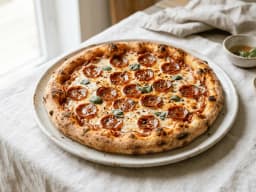
Can dogs eat pizza?
Not recommendedCooked pizza risk depends on recipe and amount; confirm garlic or onion. Raw yeast dough can expand and produce ethanol, so contact a veterinarian immediately.


Medically reviewed by Dr. Athena Gaffud, DVM · Last reviewed
Can Dogs Eat Pizza?
Dogs should not eat pizza. A single stolen bite of plain, fully baked crust is unlikely to poison your dog, but a normal slice must be assessed from its actual recipe and amount: verify whether garlic or onion is present, then consider calories, sodium, the dog's history, and symptoms. None of it offers your dog any real nutrition, and several of the ingredients range from mildly harmful to genuinely toxic. Pizza sits firmly in the not recommended column, and the smartest move is to keep it off the floor and off the counter edge where a determined nose can reach it.
- 1Cooked pizza risk depends on the recipe, amount, dog, and symptoms.
- 2Do not assume every sauce contains a toxic allium dose; verify ingredients and quantify exposure.
- 3Cheese, crust, fat, and salt are not poisons as categories, though they add calories and may be poorly tolerated.
- 4A large amount without a confirmed toxin is not automatically a poison-control emergency.
- 5Raw yeast dough is different: it can expand and produce ethanol, so contact a veterinarian immediately.

Treats should stay under 10% of your dog's daily calories. JustFoodForDogs makes the rest of it.
- Recipes developed by veterinary nutritionists
- Whole-food ingredients you can recognise
- Fresh meals delivered to your door
Webvet may earn a commission when you click through to JustFoodForDogs, at no extra cost to you.
Is pizza safe for dogs?
No, pizza is not a safe food for dogs, and it is easy to see why once you break a slice back down into its parts. Pizza is not one ingredient but a stack of them, and the problem is that almost every layer works against your dog. The base is refined dough with little nutritional value. The sauce is where the real toxins hide, because commercial and homemade tomato sauces are usually seasoned with garlic and onion. On top of that go cheese and often processed meats, which pile on fat and salt. Even a plain cheese slice with nothing but crust, sauce, and mozzarella still carries the garlic-and-onion sauce and a rich, fatty topping. That is why veterinary sources consistently rank pizza as a food to avoid rather than an occasional treat.

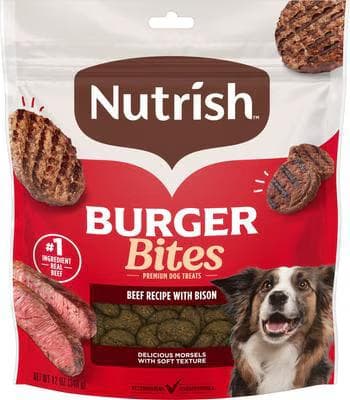
This is an optional dog treat. Review its current label, ingredients, calories, and feeding directions, and count it within the total daily extras.
Webvet may earn a commission when you click through to Chewy, at no extra cost to you.
It helps to separate two different questions. The first is whether pizza will outright poison a healthy dog, and for most single bites the honest answer is probably not, unless the garlic and onion dose is high or the dog is very small. The second, more useful question is whether pizza is ever a good idea, and there the answer is a clear no. Because the downside ranges from a night of vomiting to a bout of pancreatitis to true toxic exposure, and the upside is nothing your dog actually needs, the risk simply is not worth taking. Treat pizza the way you would treat any rich, salty, seasoned human dish: something to enjoy yourself while your dog waits for a dog-appropriate snack.
The problem ingredients, one by one
Garlic and onion are the biggest concern. Both belong to the allium family, and both are toxic to dogs whether raw, cooked, powdered, or blended into sauce. They contain compounds that damage red blood cells and can lead to a form of anemia, and cooking them into a pizza sauce does not remove the danger. Because sauce spreads the seasoning through the whole slice, there is no easy way to pick around it. Garlic powder is especially potent by weight, so a heavily seasoned or garlic-crust pizza is worse than it looks. This is the single reason that even a plain-looking slice cannot be called safe.
Fat is the next issue. Cheese is rich and oily, and the meats people love most on pizza, such as pepperoni and sausage, are among the greasiest, saltiest processed foods in the kitchen. A sudden hit of fatty food is one of the classic triggers for pancreatitis, a painful and sometimes serious inflammation of the pancreas that often lands dogs at the vet with vomiting, a hunched posture, and belly pain. Smaller dogs and breeds prone to pancreatitis, along with any dog who is overweight, are at higher risk, but no dog is immune. Salt is a related problem, because a few slices of pizza carry far more sodium than a dog should have in a day, which can cause excessive thirst, vomiting, and dehydration.

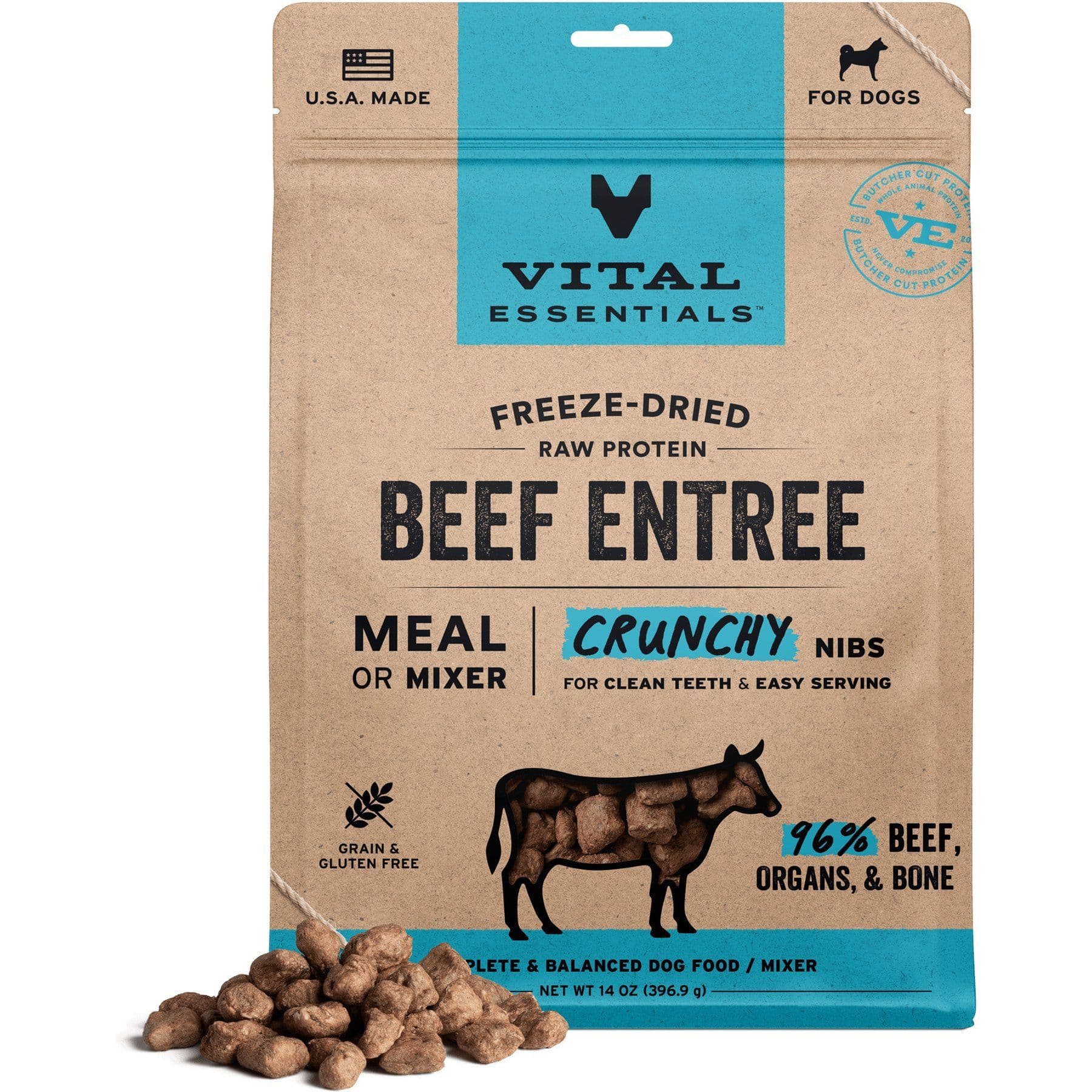
This is an optional dog treat. Review its current label, ingredients, calories, and feeding directions, and count it within the total daily extras.
Webvet may earn a commission when you click through to Chewy, at no extra cost to you.
Cheese and toppings round out the list. Many adult dogs are lactose-intolerant, so a big serving of gooey cheese can cause gas, loose stool, or an upset stomach on its own. Toppings add their own hazards depending on the pie: extra onion, chives, or leeks compound the allium problem, while some flavored crusts and sauces can even contain sweeteners. Anchovies and cured meats add still more salt. In short, the more loaded the pizza, the more ways it can hurt your dog, and a plain slice is only the least bad option rather than a good one.
| Pizza component | Evidence-based assessment |
|---|---|
| Sauce | Check actual garlic and onion ingredients and amount |
| Cheese | Calories and individual tolerance; not an intrinsic poison |
| Processed meat | Check sodium, calories, and allium seasoning |
| Baked crust | Optional calories; check garlic butter or seasoning |
| Raw yeast dough | Immediate veterinary contact for expansion and ethanol risk |
What about plain pizza crust?
Pizza crust is the part people ask about most, usually because they want to toss the leftover end to the dog. A small piece of plain, fully baked crust with no garlic butter, no seasoning, and no sauce is not toxic. It is essentially a bit of bread, which means it is safe in the narrow sense but still nothing more than empty calories. The catch is that most crusts are not truly plain. Many pizzerias brush the edge with garlic butter or oil, dust it with seasoning, or bake it as a stuffed or cheese-filled crust, and any of those additions push it back into the not recommended zone. If you are going to share a bite, it should be a small, plain, cooled piece and never a regular habit. Bread and refined flour offer your dog no benefit, and there are far better ways to give a treat.
Raw pizza dough is an emergency
Raw, unbaked pizza dough deserves its own warning because it is far more dangerous than the finished pizza. When a dog swallows raw dough, the warm, moist environment of the stomach is the perfect place for the yeast to keep working. The dough continues to rise and expand, which can distend the stomach painfully and, in the worst cases, contribute to a life-threatening bloat. At the same time, the fermenting yeast produces alcohol, which is absorbed into the bloodstream and can cause alcohol poisoning. Signs can include a swollen or hard belly, unproductive retching, weakness, stumbling, and disorientation. This is not a wait-and-see situation. If your dog eats raw dough of any kind, treat it as a true emergency and get to a veterinarian immediately.
How much pizza is dangerous?
There is no clean, single number, because the danger depends on the dog and the pizza. Body size matters enormously: the same slice that might give a large Labrador a mild stomachache could be a much bigger deal for a small terrier, since the toxic dose of garlic and onion is tied to weight. The toppings matter just as much as the amount, because an onion-heavy or garlic-loaded pizza is riskier bite for bite than a plain cheese one. As a rough guide, a single small bite of plain crust from a healthy medium or large dog is usually a watch-and-wait situation, while a whole slice or more, an onion-heavy pizza, or any amount eaten by a small dog moves things toward a call to the vet. When you are unsure, the safest assumption is that it counts, and a quick phone call to a professional beats guessing.

Signs of trouble to watch for
After a dog eats pizza, keep an eye out for the common warning signs over the next day or two. Vomiting and diarrhea are the most likely reactions to the fat and salt, and mild cases often pass on their own. More concerning are signs of pancreatitis, which include repeated vomiting, a painful or hunched belly, loss of appetite, and lethargy. Excessive thirst and urination can follow a big salt load. Garlic and onion toxicity can be slower to show, sometimes taking a day or more, and may appear as weakness, pale gums, rapid breathing, or dark or reddish urine as red blood cells are affected. Any of these more serious symptoms, or symptoms that keep getting worse rather than better, mean it is time to call your veterinarian rather than wait it out at home.
What to do if your dog ate pizza
First, figure out what and how much your dog actually ate. A corner of plain crust is very different from half a supreme pizza. Try to check the toppings, because onion, garlic, and large amounts of fatty meat raise the stakes. If the amount was small and the pizza was plain, you can usually watch your dog closely at home, offer fresh water, and hold off on the next meal for a few hours to let the stomach settle. If your dog ate a significant amount, an onion or garlic pizza, or any raw dough, or if you have a small dog, call your veterinarian or a poison control line without delay. Do not try to make your dog vomit unless a professional tells you to. Keep the packaging or a mental note of the ingredients handy, and be ready to share your dog's weight and the timing, which helps the vet judge how worried to be.
Safe alternatives to pizza
If you want to give your dog something savory while you enjoy your own slice, skip the pizza and reach for simple, unseasoned foods. A little plain cooked chicken with no salt, garlic, or skin makes an excellent high-value treat that most dogs adore, and a spoonful of plain cooked rice is gentle on the stomach and pairs well with it. These give you the shared-meal moment without the garlic, grease, and salt. If you would rather offer a crunchy snack, small pieces of plain vegetables or dog-safe fruit are far better choices than crust, and a proper dog treat made for the purpose is better still. The goal is simple: let your dog feel included at pizza night with something that is actually good for them.

This is an optional dog treat. Review its current label, ingredients, calories, and feeding directions, and count it within the total daily extras.
Webvet may earn a commission when you click through to Chewy, at no extra cost to you.
Frequently Asked Questions
Can dogs eat pizza crust?
Plain fully baked crust without a confirmed toxin is not an intrinsic poison, but it adds calories. Check garlic, onion, raisins, xylitol, and other ingredients, and keep extras within the dog's nutrition plan.
Can dogs eat pizza with cheese and pepperoni?
Cheese and pepperoni are not poisons as categories. Review the exact topping and sauce ingredients, sodium, calories, amount, dog history, and symptoms. Pancreatitis and allium toxicosis require exposure- and patient-specific assessment.
Is pizza sauce safe for dogs?
Pizza sauce varies. Confirm garlic or onion and quantify the amount rather than assuming every sauce contains a toxic dose; tomato and ordinary sodium are not the same as allium or salt toxicosis.
My dog ate a whole slice of pizza. Should I worry?
Record the recipe, amount, timing, dog weight, medical history, water access, and symptoms. Seek case-specific advice for a meaningful confirmed toxin exposure or significant signs, not for dog size alone.
Why is raw pizza dough so dangerous?
Raw yeast dough can expand in the stomach and produce ethanol. Contact a veterinarian immediately after any raw-dough exposure.
Safe alternatives
More grains & bread for dogs
Sources
- Merck Veterinary Manual: Bread Dough Toxicosis in Animals
Raw yeast dough can expand in the stomach and produce ethanol; any species can be affected.
- Merck Veterinary Manual: Garlic and Onion Toxicosis
Confirmed allium exposure requires ingredient and dose assessment.
- Merck Veterinary Manual: Pancreatitis in Dogs and Cats
Dietary indiscretion is a risk factor, not proof that cooked pizza caused pancreatitis.
- Merck Veterinary Manual: Salt Toxicosis in Animals
Salt toxicosis follows excessive sodium exposure and is affected by access to fresh water; ordinary sodium in food is not itself a toxicosis diagnosis.
- AAHA: Nutritional Risk Factors
Human-food extras should be assessed within the patient's complete diet and calorie plan.
Reviewed by Dr. Athena Gaffud, DVM
General guidance based on credible veterinary sources; not a diagnosis or a substitute for your veterinarian. If your pet ate something toxic or is unwell, contact your vet or a pet poison line right away.