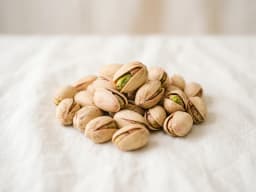
Can cats eat pistachios?
Not recommendedA plain pistachio kernel is not established as a feline toxin. Assess shells, seasonings, amount, symptoms, and any mold, spoilage, or recall concern.


Medically reviewed by Dr. Athena Gaffud, DVM · Last reviewed
Can Cats Eat Pistachios?
Pistachios are best avoided for cats. They are not classified as a feline toxin, so a single kernel that your cat licks or nibbles is very unlikely to poison them, but pistachios bring a real mix of hazards with nothing worth eating on the other side. Cats are obligate carnivores that thrive on meat, and a hard, fatty, usually salted nut sold in a slippery shell is exactly the kind of snack their small bodies are not built to handle. A shell may be a physical hazard depending on its size, shape, amount, and the individual cat. The product's calories and sodium should be assessed from the label and amount rather than used to predict illness. If your cat swiped a pistachio off the coffee table, do not panic, but there is no good reason to offer one on purpose.
- 1A plain pistachio kernel is not established as an intrinsic feline toxin.
- 2A shell may be a physical hazard depending on object size and shape, amount, and the individual cat.
- 3Aflatoxin is mold contamination, not a property of every kernel; direct feline susceptibility data are limited.
- 4An undefined amount of fat or sodium does not establish pancreatitis or salt toxicosis.
- 5Check the exact label for sodium, garlic, onion, and other seasonings.

Treats should stay under 10% of your cat's daily calories. Smalls makes the rest, built around the meat an obligate carnivore actually needs.
- Human-grade ingredients, protein first
- Built for obligate carnivores
- Fresh meals delivered to your door
Webvet may earn a commission when you click through to Smalls, at no extra cost to you.

Are pistachios safe for cats?
In the narrow sense of poisoning, pistachios are considered non-toxic to cats, which is why you will see plenty of articles say cats can technically eat them. The ASPCA even lists pistachios among the nuts that are not true toxins, right alongside sweet almonds. But safe is not the same as good. If a curious cat licks or gnaws a plain, shelled pistachio, the most likely outcome is nothing at all, or a short bout of mild stomach upset. The trouble is that a cat's mouth, throat, and digestive tract are tiny compared with a person's or even a dog's, so a nut that seems small to you can become wedged in a cat and cause gagging, retching, or a partial blockage.
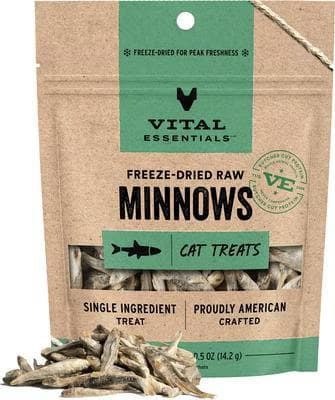
This is an optional cat treat. Review its current label, ingredients, calories, and feeding directions, and count it within the total daily extras.
Webvet may earn a commission when you click through to Chewy, at no extra cost to you.
The shell is where pistachios get more dangerous than a bare nut. Those hard, sharp-edged half shells are not digestible, and cats tend to swallow odd objects whole rather than chew them thoroughly. A shell can scratch the mouth, catch in the throat, or move into the intestines and cause an obstruction that needs veterinary treatment. Salted pistachios add another layer, because cats are small enough that the sodium coating one handful of nuts would carry is a meaningful load for them. For household purposes, assume any bag of pistachios in your pantry is the salted, roasted kind: not poisonous, but still not something a cat should be eating.
Why pistachios are a bad fit for cats
Cats are obligate carnivores, which means their whole nutritional design revolves around meat. They rely on animal protein and animal fats for the amino acids and nutrients they cannot make themselves, and they get little to no benefit from plant foods like nuts, grains, or fruit. Cats cannot even taste sweetness, so the appeal a pistachio might hold for a person is largely lost on them. When your cat sniffs at a pistachio, it is usually the smell of the oil or salt, the crunch, or plain curiosity about what you are eating, not a nutritional craving. Offering a pistachio adds calories and fat without supplying a single thing your cat actually needs.
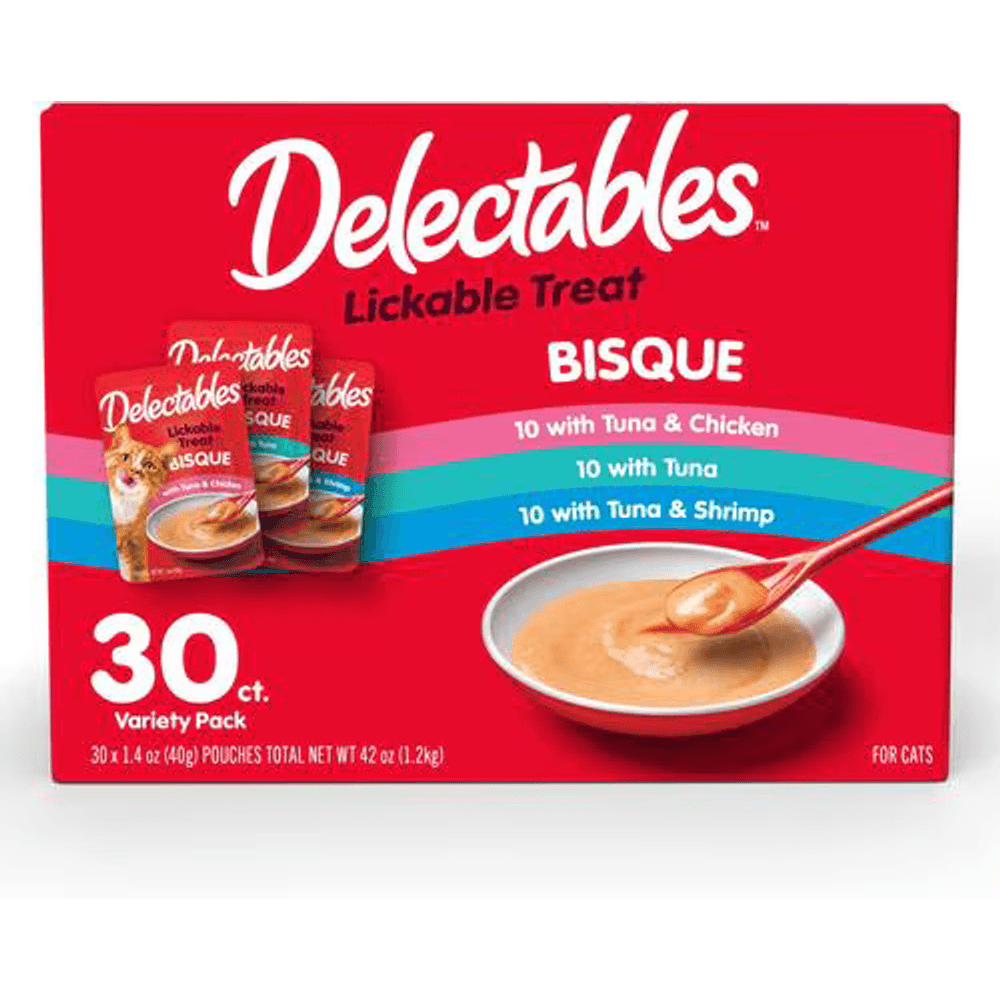
This is an optional cat treat. Review its current label, ingredients, calories, and feeding directions, and count it within the total daily extras.
Webvet may earn a commission when you click through to Chewy, at no extra cost to you.
Pistachios are calorie-dense. An individual cat may develop gastrointestinal signs after a rich new food, including vomiting or diarrhea, but an undefined pistachio amount does not establish feline pancreatitis. Salt and seasonings vary; check the label and quantify the amount. Confirmed garlic or onion requires a dose-based assessment because cats are susceptible to allium toxicosis. Aspergillus contamination can produce aflatoxin, but commercial pistachios are monitored and subject to controls. Visible mold, spoilage, or a recall changes the assessment; direct feline dose-response data are not supplied here.
| Question | Evidence-based assessment |
|---|---|
| Shell | Object- and patient-specific foreign-body assessment |
| Fat | Calories matter; pancreatitis cannot be diagnosed or predicted from an undefined pistachio amount |
| Sodium | Use label, amount, water access, history, and symptoms |
| Garlic or onion seasoning | Confirmed allium exposure requires a dose-based assessment |
| Mold contamination | Check visible spoilage and recalls; feline dose-response evidence is limited |

What about pistachio shells, ice cream, and butter?
The shell deserves its own warning because it is the part most likely to send a cat to the vet. Never let a cat play with or chew a pistachio shell. It is hard, indigestible, and irregularly shaped, which is a recipe for a scratched throat or an intestinal blockage in a small animal. If your cat batted a shell around and you suspect it swallowed one, watch closely for gagging, repeated vomiting, straining, or a lack of stool, and call your vet if any of that appears. A shelled, unsalted kernel is the least risky version of a pistachio, but least risky still is not the same as good for them.
Pistachio ice cream and other pistachio-flavored products vary by recipe. Read the complete label for dairy, calories, sodium, chocolate, xylitol, garlic, onion, and other ingredients. Merck states that cats are not at risk for hypoglycemia or liver injury from xylitol toxicosis. Review other ingredients and seek advice if another ingredient, amount, or symptoms are concerning.
Why is my cat obsessed with pistachios?
A surprising number of cats seem fascinated by pistachios, sniffing the bag, batting the shells, or trying to swipe one off your plate. It is almost never about the taste, since cats cannot detect sweetness and get nothing nutritional from the nut. More often it is the strong, oily, slightly musky smell of roasted pistachios that grabs their attention, along with the fun, lightweight shells that skitter across the floor like a toy. Some cats are simply drawn to whatever their person is eating. Whatever the reason, interest is not the same as safety. A cat that seems obsessed with pistachios still should not have one, and the easy fix is to redirect that curiosity toward a small meat-based treat or a proper cat toy.
What to do if your cat eats a pistachio
If your cat manages to eat one plain, shelled pistachio, the usual result is either nothing or a short bout of mild stomach upset. Take the rest of the nuts out of reach, then keep an eye on your cat for the next day or so. Watch for repeated vomiting, diarrhea, a hunched or painful belly, loss of appetite, drooling, gagging, pawing at the mouth, or any trouble breathing. Most cats who nibble a single kernel sail through with no problem, but it is worth staying attentive, because a small animal has far less margin than a large one.

Call your vet promptly if your cat swallowed a shell, ate several nuts, ate heavily salted or garlic-and-onion flavored pistachios, or got into moldy ones. Also call if you see signs of a blockage, such as ongoing vomiting with no stool. Choking or breathing difficulty is an emergency, so get to a vet right away. Do not try to make your cat vomit at home unless a professional tells you to, because that can do more harm than good. When you cannot reach your own vet, the Pet Poison Helpline and ASPCA Animal Poison Control lines below can walk you through the next step.
Better treats for cats
Because cats are meat-eaters, the best treats are protein-based and easy to portion into tiny amounts. A small piece of plain cooked chicken with no salt, butter, garlic, or onion is a reliable favorite. A little cooked egg offers protein in a soft, easy-to-chew form, and a flake of plain cooked fish such as salmon makes an occasional treat most cats adore. Keep any of these boneless, unseasoned, and small, and treat them as extras rather than a meal.
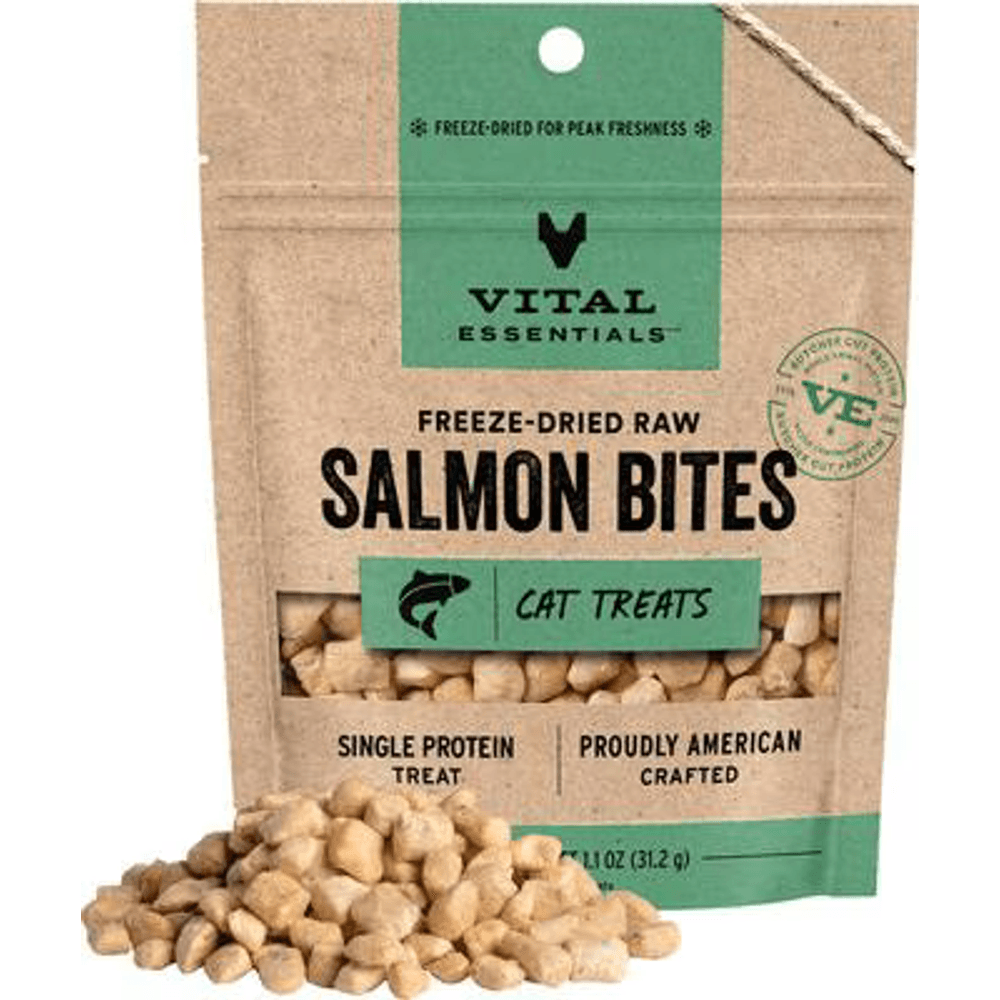
This is an optional cat treat. Review its current label, ingredients, calories, and feeding directions, and count it within the total daily extras.
Webvet may earn a commission when you click through to Chewy, at no extra cost to you.
If cooking is not your thing, a lick of plain meat-based baby food (again, with no onion or garlic in the ingredients) or a proper commercial cat treat does the same job with zero guesswork. Whatever you pick, remember the ten percent rule: treats should make up no more than about a tenth of your cat's daily calories, with a complete and balanced cat food covering the rest. Fresh water, not pistachio ice cream or any other human snack, should always be available. Choosing meat-based treats over a stray pistachio keeps snack time both satisfying and safe.
Frequently Asked Questions
What happens if my cat ate a pistachio?
No validated feline nut-count threshold is established. Record the amount, shell status, seasoning, storage or recall concerns, timing, cat weight, and signs. Obtain veterinary advice if the object, product, amount, or symptoms are concerning.
Should I call a vet if my cat ate a pistachio?
Do not use one kernel as a universal home-monitoring threshold. Shells, suspected contamination, confirmed allium seasoning, amount, medical history, and symptoms can change urgency; obtain case-specific veterinary advice.
Can cats eat pistachio ice cream?
Pistachio ice cream and other desserts vary by recipe. Read the label for dairy, calories, chocolate, garlic, onion, and other ingredients. Merck states that cats are not at risk for hypoglycemia or liver injury from xylitol toxicosis; assess other ingredients and symptoms.
What nuts are toxic to cats?
Macadamia toxicosis is established in dogs, but an equivalent feline dose-response is not established. For any nut exposure in a cat, assess the exact nut, shell, coating, amount, patient, and symptoms rather than applying one label to the whole category.
Why is my cat obsessed with pistachios?
A cat may investigate pistachios because of smell, texture, movement, or proximity, but motivation cannot be inferred reliably. Keep shells and seasoned or spoiled products inaccessible and use a complete cat diet or veterinarian-approved treats.

Safe alternatives
More nuts & seeds for cats
Sources
- FDA: Mycotoxins
Aflatoxin is mold contamination and pistachios are monitored; this source does not provide feline dose-response data.
- FDA: MOU 225-26-004
Commercial pistachios are subject to testing and certification controls.
- Merck Veterinary Manual: Gastrointestinal Obstruction in Small Animals
A shell's foreign-body risk is case-specific.
- Merck Veterinary Manual: Pancreatitis in Dogs and Cats
High fat is not a simple established cause of feline pancreatitis from one undefined exposure.
- Merck Veterinary Manual: Xylitol Toxicosis in Dogs
Merck states that cats are not at risk for hypoglycemia or liver injury from xylitol toxicosis.
- Merck Veterinary Manual: Macadamia Nut Toxicosis in Dogs
Macadamia toxicosis is described in dogs; this source does not establish a corresponding feline syndrome.
- Merck Veterinary Manual: Salt Toxicosis in Animals
Salt toxicosis follows excessive sodium exposure and is influenced by access to fresh water; ordinary sodium presence does not establish toxicosis.
- 2021 AAHA Nutrition and Weight Management Guidelines
Complete nutrition and an individual nutritional assessment should anchor advice about optional human-food extras.
Reviewed by Dr. Athena Gaffud, DVM
General guidance based on credible veterinary sources; not a diagnosis or a substitute for your veterinarian. If your pet ate something toxic or is unwell, contact your vet or a pet poison line right away.