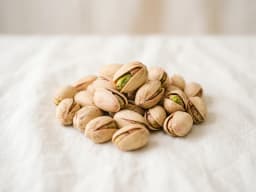
Can dogs eat pistachios?
Not recommendedA plain pistachio kernel is not an intrinsic dog toxin. Assess shells, seasonings, amount, symptoms, and any mold, spoilage, or recall concern.


Medically reviewed by Dr. Athena Gaffud, DVM · Last reviewed
Can Dogs Eat Pistachios?
The short answer is no, you should not share pistachios with your dog. Pistachios are not strictly toxic the way macadamia nuts, chocolate, or grapes are, so one dropped nut is unlikely to cause an emergency. But the combination of very high fat, added salt, hard shells, and a genuine risk of mold toxins makes pistachios a food that is best kept out of your dog's bowl. Most veterinarians put them in the not worth the risk column rather than the safe treat column, and that is the honest bottom line most owners are looking for.
- 1A plain pistachio kernel is not an intrinsic canine toxin, but it is not a useful routine treat.
- 2Aflatoxin is a mold-contamination hazard, not a property of every pistachio.
- 3Commercial human-food pistachios are subject to testing and controls; visible mold, spoilage, or recalls change the assessment.
- 4A shell may be a physical hazard depending on its size, shape, amount, and the dog.
- 5Check sodium and seasonings on the exact label and do not use a universal nut-count allowance.

Treats should stay under 10% of your dog's daily calories. JustFoodForDogs makes the rest of it.
- Recipes developed by veterinary nutritionists
- Whole-food ingredients you can recognise
- Fresh meals delivered to your door
Webvet may earn a commission when you click through to JustFoodForDogs, at no extra cost to you.
Is it safe for dogs to eat pistachios?

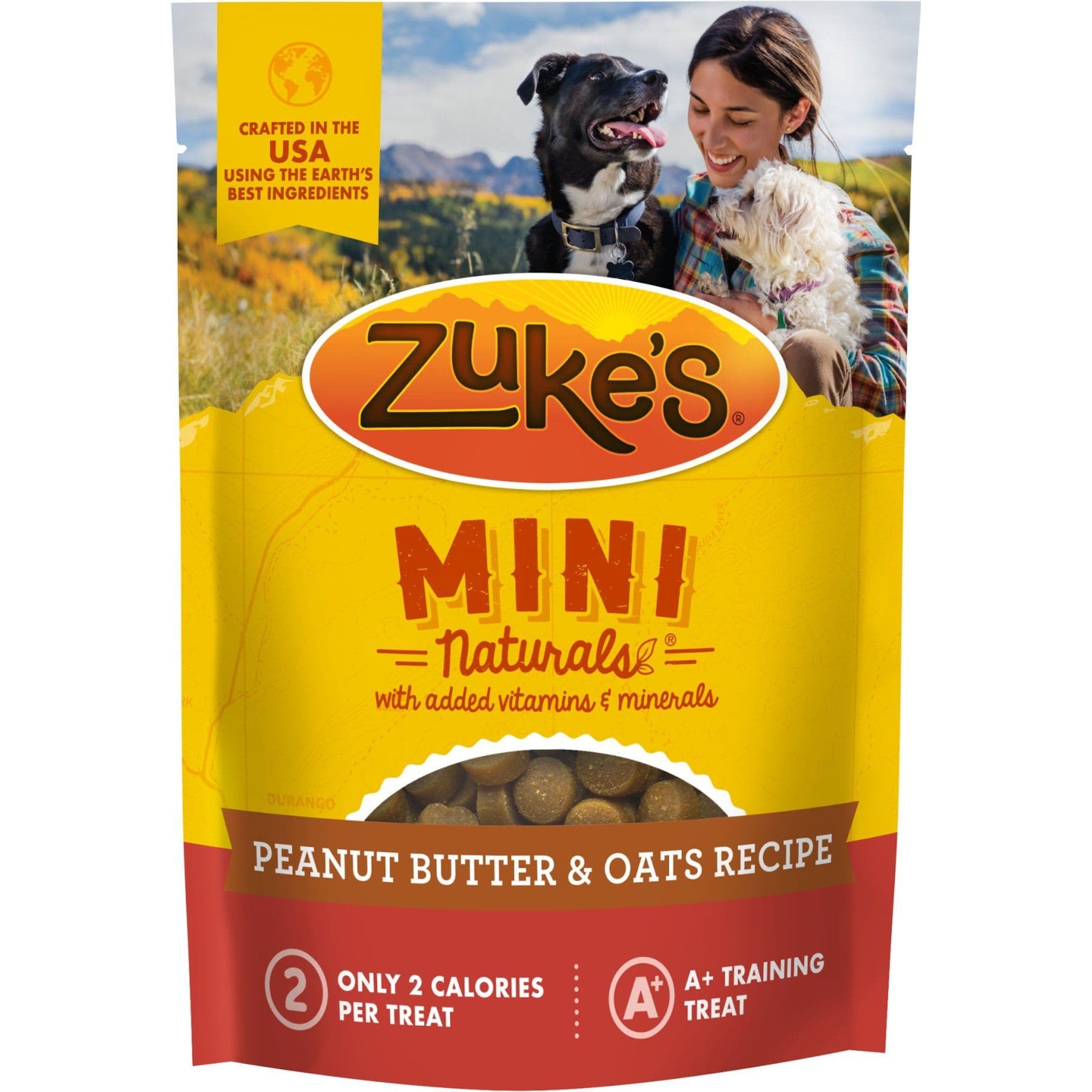
This is an optional dog treat. Review its current label, ingredients, calories, and feeding directions, and count it within the total daily extras.
Webvet may earn a commission when you click through to Chewy, at no extra cost to you.
Pistachios sit in a gray area that trips up a lot of dog owners. The nut itself, the green kernel inside the shell, is not poisonous, and a dog is not going to be harmed by the pistachio protein or the plant compounds in it. That is why you will see some articles say pistachios are fine in moderation. The problem is that almost everything around that kernel adds risk. Pistachio products vary. Check the shell, sodium, and seasoning label. Aflatoxin is a monitored contamination hazard; an ordinary sealed product should not be described as though it were visibly moldy, spoiled, or recalled. Add those factors together and the small, uncertain upside of a plain nut is easily outweighed by the downside.
There is also a practical issue. Dogs do not eat one pistachio slowly and thoughtfully. If a bag is left on the coffee table, a curious dog will happily crunch through a handful, shells and all, in a matter of seconds. So the realistic question is not whether one perfectly plain, shelled nut is dangerous, but whether pistachios belong in your dog's diet at all. The answer to that is no, and the sections below explain exactly why.
Why pistachios are risky for dogs
The biggest concern with pistachios is fat. Pistachios are roughly half fat by weight, which makes them one of the richest snacks a dog could get into. Pistachios are calorie-dense, but an undefined amount does not predict pancreatitis in an individual dog. Dietary indiscretion is one reported canine risk factor among several. Signs of pancreatitis include vomiting, diarrhea, a hunched or praying posture, a tender belly, loss of appetite, and lethargy. Small dogs and breeds already prone to pancreatitis, such as Miniature Schnauzers, are especially vulnerable, but any dog can develop it after a high fat indulgence. Even short of full pancreatitis, that much fat commonly causes an upset stomach, gas, and loose stools.
Salt is the next problem. The pistachios people snack on are almost always salted, and many are dusted with extra seasonings like garlic or onion powder, which are themselves toxic to dogs. A dog that eats a large number of salted pistachios can take in far more sodium than its body should handle, leading to excessive thirst, increased urination, and in extreme cases sodium ion poisoning, which can cause tremors and seizures. The salt on a couple of nuts will not poison a healthy dog, but it is one more reason these are a poor choice, particularly for dogs with heart or kidney conditions that call for a low sodium diet.

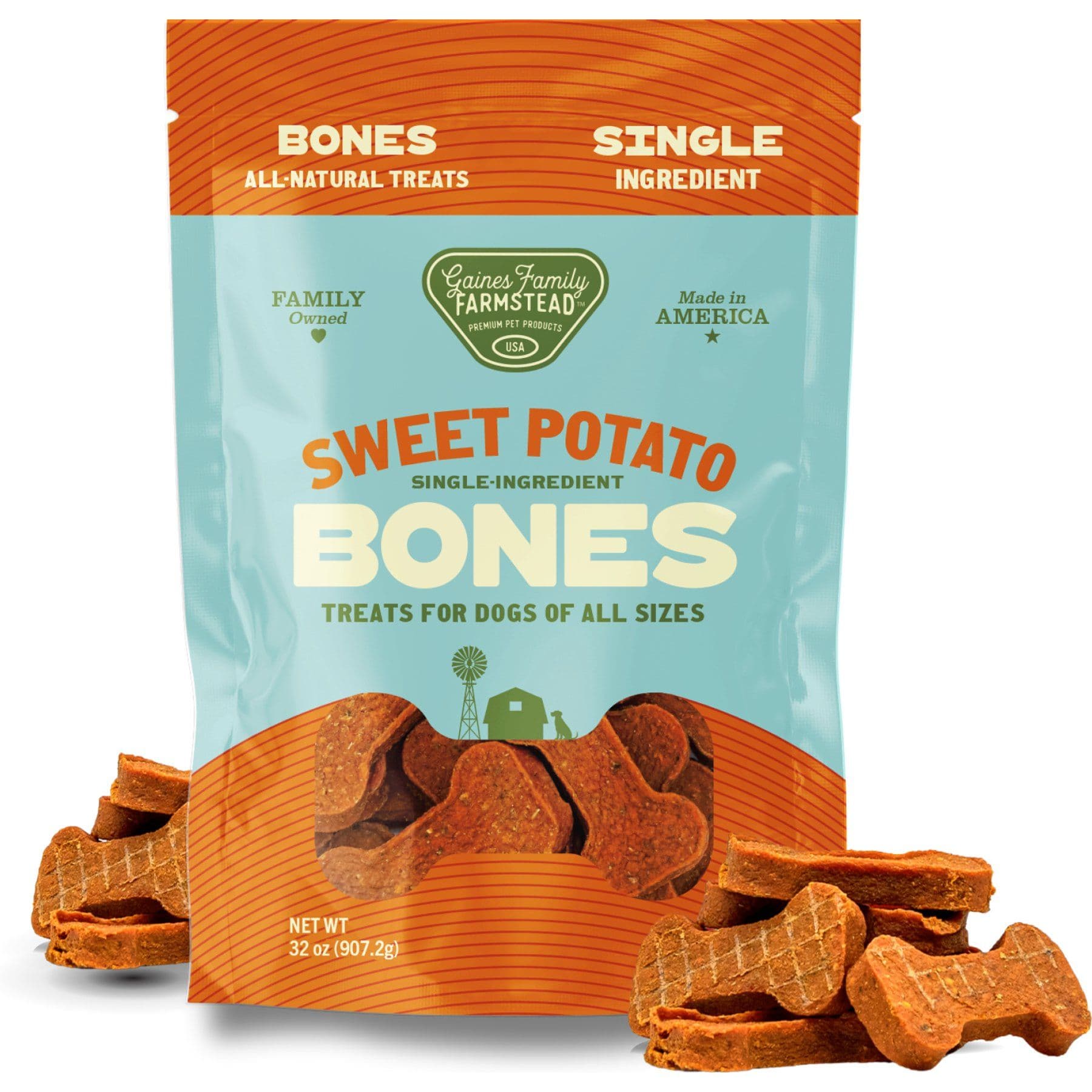
This is an optional dog treat. Review its current label, ingredients, calories, and feeding directions, and count it within the total daily extras.
Webvet may earn a commission when you click through to Chewy, at no extra cost to you.
The shells are a mechanical hazard that is easy to underestimate. Pistachio shells are hard, sharp edged, and do not break down well in the gut. A dog that swallows shells can choke on them, and in a small dog a shell can lodge in the throat or airway. Even if the shells go down, they can scrape or irritate the digestive tract or, in larger amounts, clump together and cause an intestinal blockage that needs surgery to fix. Because dogs raiding a snack bag rarely bother to spit out shells, the shells often turn out to be a bigger practical danger than the nut inside.
Some Aspergillus molds can contaminate pistachios with aflatoxin. FDA monitors this contamination, and commercial controls reduce risk. Visible mold or spoilage, a recalled lot, or compatible illness is not the same exposure as an ordinary inspected product. Storage conditions and recall information matter more than assuming every pistachio carries a liver toxin.

How many pistachios can a dog eat?
No validated universal pistachio count is established for dogs. Record whether the exposure involved a kernel or shell, the product label, amount, timing, dog weight and history, storage or recall concerns, and symptoms. Do not use one or two nuts as a home-monitoring threshold.
| Exposure factor | What to check |
|---|---|
| Kernel | Amount, dog size, medical history, and symptoms |
| Shell | Size, shape, amount, swallowing signs, and GI signs |
| Product | Sodium and seasoning label |
| Contamination | Visible mold, spoilage, recall status, or suspect storage |
Keep in mind these are general guidelines for an accidental nibble, not a recommendation to feed pistachios on purpose. A dog's individual health matters more than its weight. A small dog with a history of pancreatitis can get seriously ill from a quantity that a healthy dog of the same size would shrug off, so when in doubt, call your veterinarian rather than relying on a chart.
What to do if your dog ate pistachios
If your dog ate a couple of plain, shelled pistachios and is acting normally, the usual advice is to watch closely for the next 24 to 48 hours and make sure fresh water is available. Look for vomiting, diarrhea, reduced appetite, belly pain, or unusual tiredness. Most dogs in this situation are perfectly fine. You should be more concerned, and should call your veterinarian, if your dog ate a large quantity, ate the shells, got into salted or seasoned pistachios, or ate nuts that may have been moldy. Call right away as well if your dog is very small, is pregnant, or has a history of pancreatitis, kidney disease, or heart disease.
Do not try to make your dog vomit at home unless a veterinarian tells you to. Instead, note roughly how many nuts were eaten and whether the shells were included, and have that information ready when you call. If it is after hours, an emergency clinic or a pet poison hotline can walk you through whether your dog needs to be seen or can be safely monitored at home.

Safe alternatives to pistachios
If you want to give your dog a satisfying, crunchy, or protein rich treat, there are far better options than a nut that carries this much baggage. Plain cooked chicken, with no salt, oil, skin, or seasoning, is a lean, dog friendly source of protein that most dogs love. Fresh blueberries make a great low calorie, bite sized treat that is packed with antioxidants and easy to portion out. Both give your dog something rewarding without the fat, salt, shells, and mold risk that come with pistachios.
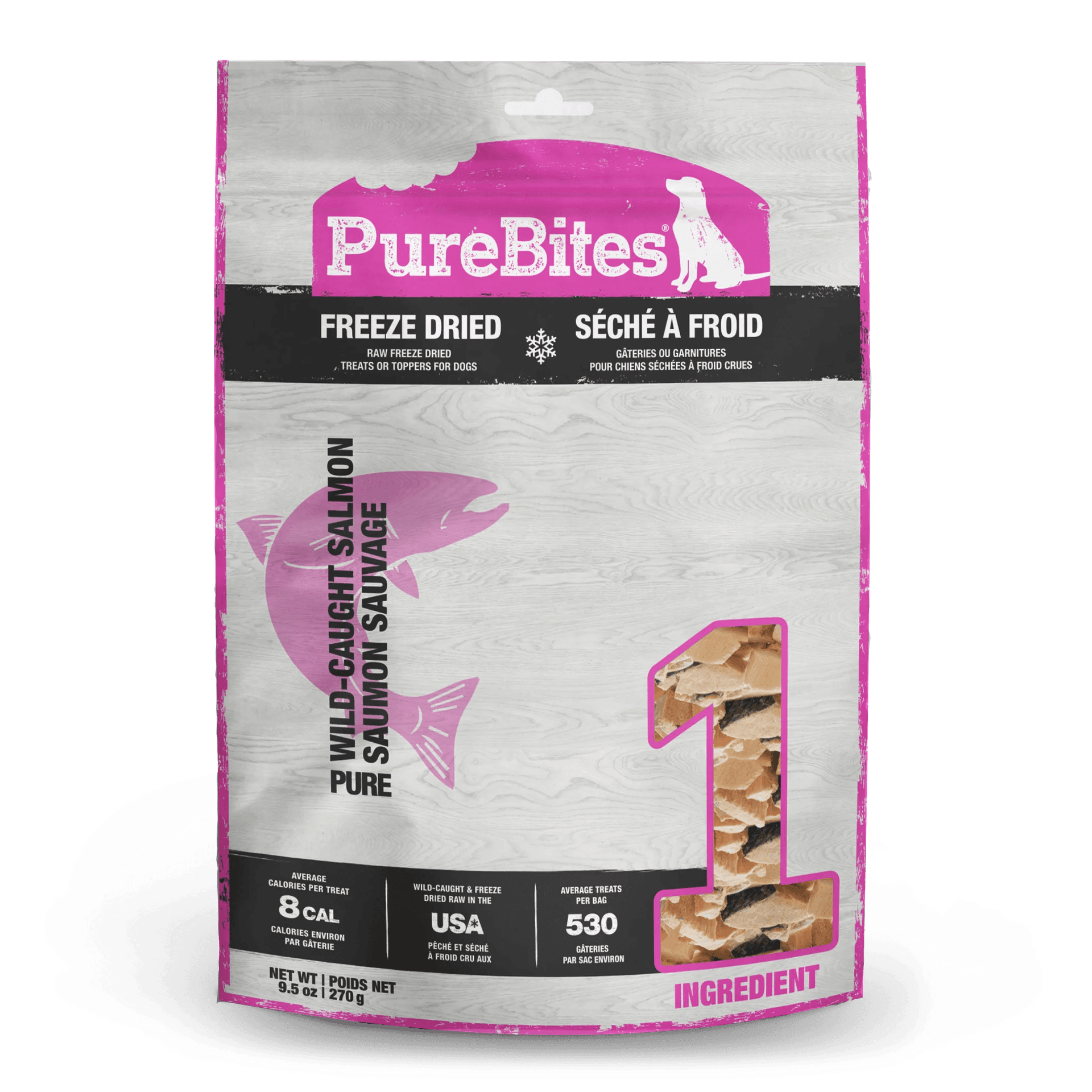
This is an optional dog treat. Review its current label, ingredients, calories, and feeding directions, and count it within the total daily extras.
Webvet may earn a commission when you click through to Chewy, at no extra cost to you.
As a rule of thumb, treats of any kind should make up no more than about 10 percent of your dog's daily calories, with the rest coming from a complete and balanced dog food. Sticking to treats made for dogs, or to plain, vet approved human foods in small amounts, keeps the calories in check and takes the guesswork out of whether a snack is safe.
Frequently Asked Questions
Can one pistachio kill a dog?
It is very unlikely. A single plain kernel is not established as an intrinsic canine poison, but no exposure can be guaranteed harmless without patient and product context. Shells, seasonings, contamination, amount, medical history, and symptoms change the assessment.
Are pistachio shells dangerous for dogs?
Yes, the shells are one of the bigger hazards. They are hard and sharp, and they can cause choking, especially in small dogs, or clump together and block the intestines. If your dog swallowed shells, watch for gagging, retching, vomiting, or straining, and call your veterinarian if you see any of those signs.
Can dogs eat pistachio ice cream or pistachio muffins?
It is best to avoid them. Pistachio flavored desserts add sugar, dairy, and often other ingredients dogs should not have, and some contain the sweetener xylitol, which is highly toxic to dogs. The pistachio flavoring is the least of the concerns in these foods. Skip them and offer a dog safe treat instead.
Which nuts are most dangerous for dogs?
Macadamia nuts are the most clearly toxic and should never be given to dogs. Beyond those, most nuts, including pistachios, walnuts, and almonds, are risky mainly because of their high fat, salt, choking hazard, and potential for mold, even when they are not strictly poisonous. Peanuts, which are actually legumes, are the usual exception when they are plain and unsalted.
Is it okay if my dog accidentally ate a pistachio?
Do not use a one- or two-nut allowance as a clinical threshold. Record the product, shell status, amount, timing, dog weight, storage or recall concerns, and symptoms. A veterinarian can advise when those details or clinical signs make the exposure concerning.

Safe alternatives
More nuts & seeds for dogs
Sources
- FDA: Mycotoxins
Aflatoxin is produced by mold and is monitored in pistachios; it is contamination, not intrinsic kernel toxicity.
- FDA: MOU 225-26-004
Domestic and imported pistachios are subject to aflatoxin testing and certification controls.
- Merck Veterinary Manual: Tremorgenic Neuromycotoxicosis in Dogs
Tremorgenic risk follows moldy-food exposure and lacks a simple dose-effect relation.
- Merck Veterinary Manual: Gastrointestinal Obstruction in Small Animals
Shell foreign-body risk depends on object and patient characteristics.
- Merck Veterinary Manual: Pancreatitis in Dogs and Cats
Dietary indiscretion is a canine risk factor, but an undefined pistachio exposure does not predict pancreatitis in an individual dog.
Reviewed by Dr. Athena Gaffud, DVM
General guidance based on credible veterinary sources; not a diagnosis or a substitute for your veterinarian. If your pet ate something toxic or is unwell, contact your vet or a pet poison line right away.