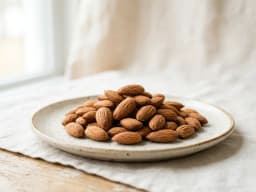
Can cats eat almonds?
Not recommendedA small bite of a plain sweet almond is unlikely to poison a cat, but whole nuts and flavored products need case-specific assessment.


Medically reviewed by Dr. Athena Gaffud, DVM · Last reviewed
Can Cats Eat Almonds?
A small bite of a plain sweet almond is unlikely to poison a cat. Almonds are not recommended as routine treats because they are calorie-dense and a whole nut can be a patient-specific foreign-body concern. Identify whether the product was plain, bitter, seasoned, chocolate-coated, or moldy, then assess the amount and symptoms.
- 1Plain sweet almonds are not recognized feline toxins, but they are unnecessary treats.
- 2A whole nut is a patient-specific foreign-body concern, not proof that blockage is likely.
- 3Cats can digest and absorb some plant-derived nutrients even though they require a complete animal-inclusive diet.
- 4One almond is not a defined pancreatitis or salt-toxicity dose.
- 5The dog-specific macadamia syndrome has not been reported in cats.

Treats should stay under 10% of your cat's daily calories. Smalls makes the rest, built around the meat an obligate carnivore actually needs.
- Human-grade ingredients, protein first
- Built for obligate carnivores
- Fresh meals delivered to your door
Webvet may earn a commission when you click through to Smalls, at no extra cost to you.

Are almonds safe for cats?
Plain sweet almonds are not classified as feline poisons. The form matters when describing an almond exposure. A whole nut, a sharp sliver, almond flour in a cookie, flavored snack nuts, and almond extract are not interchangeable. Note whether the cat chewed the food, swallowed it intact, or only licked seasoning. For a mixed product, save the recipe or label so chocolate, Allium seasoning, sweeteners, and other nuts can be assessed separately. A whole nut could still be difficult for an individual cat to swallow or pass, but cat size alone does not make obstruction likely, and there is no evidence that cats routinely swallow odd objects more readily than dogs. Triage the actual exposure and symptoms.
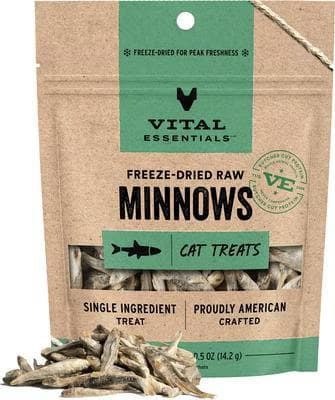
This is an optional cat treat. Review its current label, ingredients, calories, and feeding directions, and count it within the total daily extras.
Webvet may earn a commission when you click through to Chewy, at no extra cost to you.
There is an important exception worth knowing. Bitter almonds, which are different from the sweet almonds sold as snacks, contain compounds that release cyanide and are genuinely dangerous. You are very unlikely to have bitter almonds at home because they are restricted in many places, but it is the reason the almond question gets muddled online. For household purposes, assume any bag of almonds in your pantry is the sweet kind: not poisonous, but still not something a cat should be eating.
Why almonds are a bad fit for cats
Cats are obligate carnivores because several essential nutrient requirements must be met with animal-derived ingredients. They can still digest and absorb some plant-derived nutrients. Almonds are a poor treat because they are calorie-dense and do not improve a complete feline diet, not because every plant nutrient is unusable.
A large amount of a rich food may cause gastrointestinal upset, and pancreatitis is a possible clinical consideration, but one nut is not a defined feline pancreatitis dose. Salt toxicosis is also dose- and hydration-dependent. Chocolate, Allium seasonings, and other coatings must be assessed from the exact label rather than assumed.

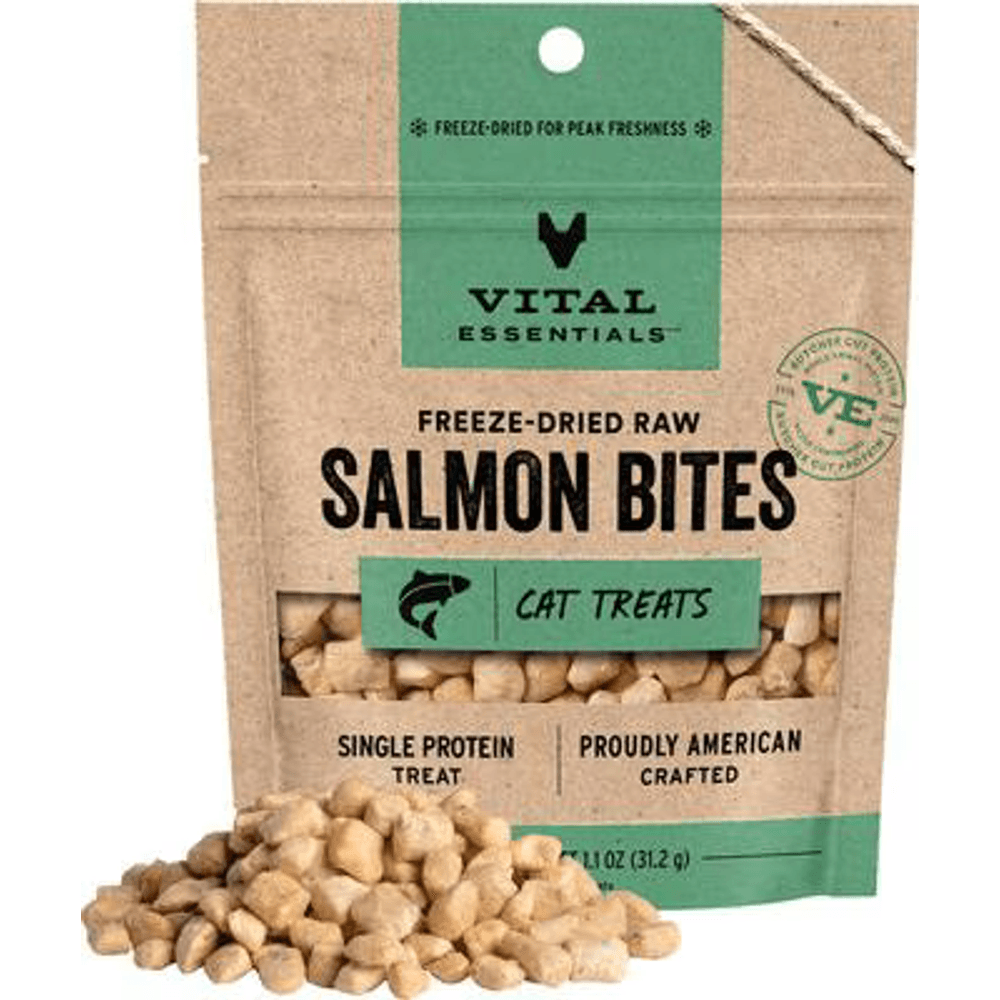
This is an optional cat treat. Review its current label, ingredients, calories, and feeding directions, and count it within the total daily extras.
Webvet may earn a commission when you click through to Chewy, at no extra cost to you.
| Concern | Evidence-based context |
|---|---|
| Whole nut | Patient-specific choking or foreign-body concern |
| Calories and fat | Unnecessary extra; no universal pancreatitis dose |
| Salt | Risk depends on dose, hydration, and patient |
| Chocolate or seasoning | Assess the exact ingredient and amount |
| Mold | Discard visibly moldy food and keep packaging if exposed |
What about almond milk, almond butter, and almond flour?
Plain unsweetened almond milk is not a recognized feline toxin, but it is unnecessary and formulations vary. A small accidental lap is different from making it part of the diet. Check sweeteners, flavors, calories, and other ingredients, and use water plus a complete feline diet as the routine.
Plain almond butter removes the whole-nut foreign-body issue but remains calorie-dense. Check the full label, particularly for chocolate. Current limited evidence does not establish the dog-like xylitol syndrome in cats, so evaluate the whole product without presenting canine toxicology as proven feline disease.
What to do if your cat eats an almond
If a cat ate one plain sweet almond and has no symptoms, poisoning is unlikely. Remove access, keep the package, and monitor as directed by a veterinarian. Call sooner for a whole nut in a cat with swallowing or gastrointestinal problems, multiple nuts, a bitter almond, mold, or any coating or seasoning.

Seek urgent care for breathing difficulty, collapse, persistent gagging, repeated vomiting, abdominal pain, marked lethargy, or inability to eat. Do not induce vomiting at home unless a veterinarian directs it, because the response must account for the object, aspiration risk, timing, and cat.
Better treats for cats
Because cats are meat-eaters, the best treats are protein-based and easy to portion into tiny amounts. A small piece of plain cooked chicken with no salt, butter, garlic, or onion is a reliable favorite. A little cooked egg offers protein in a soft, easy-to-chew form, and a flake of plain cooked fish such as salmon makes an occasional treat most cats adore. Keep any of these boneless, unseasoned, and small, and treat them as extras rather than a meal.
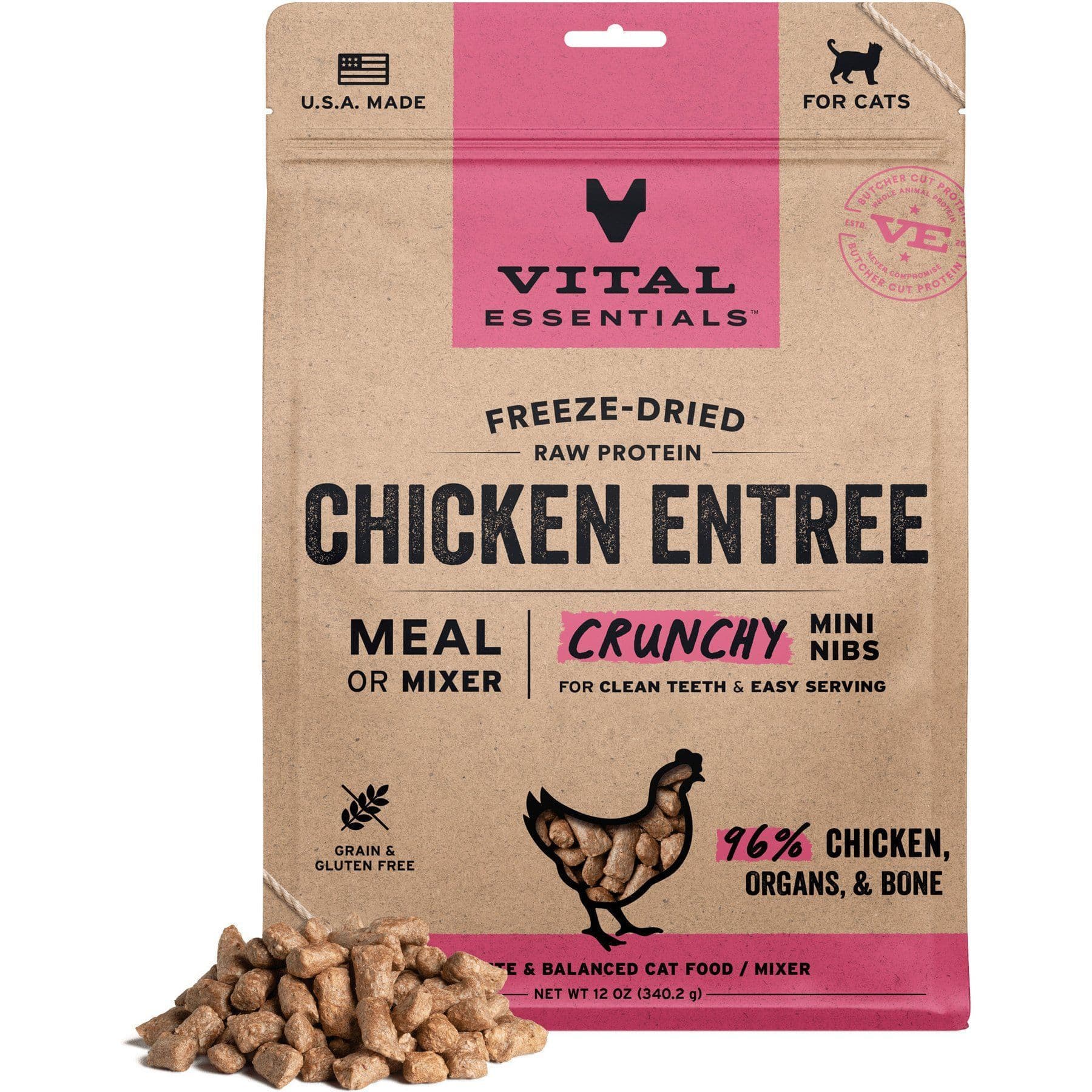
This is an optional cat treat. Review its current label, ingredients, calories, and feeding directions, and count it within the total daily extras.
Webvet may earn a commission when you click through to Chewy, at no extra cost to you.
If cooking is not your thing, a lick of plain meat-based baby food (again, no onion or garlic in the ingredients) or a proper commercial cat treat does the same job with zero guesswork. Whatever you pick, remember the ten percent rule: treats should make up no more than about a tenth of your cat's daily calories, with a complete and balanced cat food covering the rest. Fresh water, not almond milk or any other beverage, should always be available. Choosing meat-based snacks over a stray almond keeps treat time both satisfying and safe.
Frequently Asked Questions
What nuts are toxic to cats?
The characteristic macadamia toxicosis with weakness and tremors is reported in dogs, not cats. Nut risks otherwise depend on the exact species, preparation, mold, coatings, amount, patient, and symptoms.
Can cats eat walnuts and almonds?
Plain sweet almonds and many plain walnuts are not recognized feline poisons, but whole nuts can be patient-specific foreign bodies and flavored or moldy products add separate risks. They are not recommended as routine treats.
Can cats drink almond milk?
A small lap of plain unsweetened almond milk is unlikely to poison a cat, but it is unnecessary. Check the complete label and do not use it in place of water or a complete feline diet.
My cat ate one almond, should I worry?
One plain sweet almond is unlikely to poison a cat. Keep the package and watch for gagging, repeated vomiting, abdominal pain, appetite loss, or lethargy. Call for symptoms, multiple nuts, a whole swallowed nut, or a flavored, bitter, or moldy product.
Why do cats sometimes seem interested in almonds?
Cats may investigate an almond because of smell, oil, texture, or novelty. Interest does not prove a nutritional need, and it does not mean the cat cannot digest any plant-derived material.

Safe alternatives
More nuts & seeds for cats
Sources
- Merck Veterinary Manual: Overview of Nutrition in Small Animals
Supports complete and balanced feeding and patient-specific nutrition; it does not establish clinical benefit from a treat portion.
- Merck Veterinary Manual: Gastrointestinal Obstruction in Small Animals
Supports patient-specific foreign-body risk and urgent assessment when obstruction signs develop.
- Merck Veterinary Manual: Pancreatitis in Dogs and Cats
Supports dietary indiscretion as a canine risk factor while not establishing a food-specific dose or predictable outcome after one exposure.
- ASPCA: People Foods to Avoid Feeding Your Pets
Supports checking mixed nuts, candy, nut butters, and baked goods for separate ingredients that may be hazardous to cats.
Reviewed by Dr. Athena Gaffud, DVM
General guidance based on credible veterinary sources; not a diagnosis or a substitute for your veterinarian. If your pet ate something toxic or is unwell, contact your vet or a pet poison line right away.