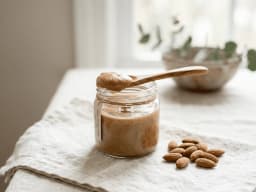
Can cats eat almond butter?
Not recommendedA small lick of plain almond butter is unlikely to poison a cat. Check the full label and call about chocolate, symptoms, or a large exposure.


Medically reviewed by Dr. Athena Gaffud, DVM · Last reviewed
Can Cats Eat Almond Butter?
A small lick of plain almond butter is unlikely to poison a cat. Compare almond-butter jars by the complete ingredient list, not by front-label terms such as natural or creamy. Oil, salt, sweeteners, chocolate, flavorings, and mixed-nut ingredients can change the calorie or exposure assessment. Stirred and separated products can also deliver different amounts of oil in a lick, so retain the jar and estimate what the cat actually reached. Almond butter is calorie-dense and unnecessary in a complete feline diet, and flavored products may contain hazardous co-ingredients such as chocolate. Check the full label, estimate the amount, and call a veterinarian or animal poison service for symptoms, a substantial exposure, or a concerning ingredient.
- 1A small lick of plain almond butter is unlikely to be a poisoning emergency for a cat.
- 2Cats can digest and absorb some plant-derived nutrients, although they still require animal-derived nutrients in a complete diet.
- 3Almond butter is calorie-dense and unnecessary, so it should not become a routine treat.
- 4Current evidence does not show the dog-like xylitol syndrome in cats, but the controlled study included only six healthy cats.
- 5Assess the complete product, especially chocolate, and contact a professional for symptoms or a large exposure.

Treats should stay under 10% of your cat's daily calories. Smalls makes the rest, built around the meat an obligate carnivore actually needs.
- Human-grade ingredients, protein first
- Built for obligate carnivores
- Fresh meals delivered to your door
Webvet may earn a commission when you click through to Smalls, at no extra cost to you.
Is Almond Butter Safe for Cats?
Plain almond butter made from nothing but almonds is not poisonous to cats. Sweet almonds themselves are not on the toxic-nut list, so a small accidental lick will not cause the kind of emergency you would see with a truly dangerous food. That is the honest, reassuring part. But not toxic is not the same as good for them, and this is where a lot of cat owners get tripped up. The internet is full of pages that say cats can technically have almond butter, and technically they can swallow it without being poisoned. The more useful question is whether they should, and the answer for a healthy cat is a clear no.

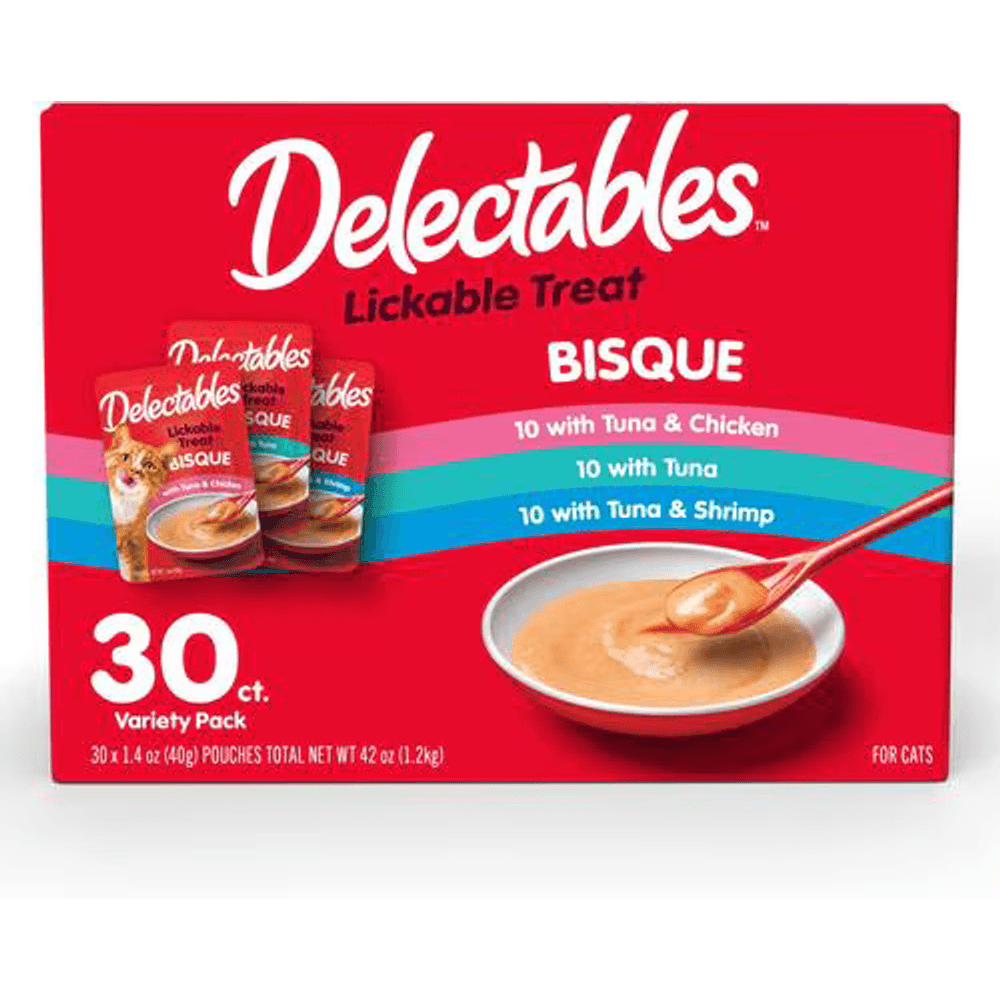
This is an optional cat treat. Review its current label, ingredients, calories, and feeding directions, and count it within the total daily extras.
Webvet may earn a commission when you click through to Chewy, at no extra cost to you.
Cats are obligate carnivores because they have specific nutrient requirements that a complete feline diet must meet with animal-derived ingredients. That does not mean they receive zero energy or nutrients from every plant food. Almond butter is a poor routine choice because it is calorie-dense, not because a cat's digestive tract is incapable of handling a small lick.
Nutritional Context for Almond Butter and Cats
Almond butter contains plant fat, protein, vitamin E, and magnesium. Cats can digest and absorb some plant-derived nutrients, but almond butter does not provide the complete amino-acid and nutrient profile required for a feline diet. Its presence on a human nutrition label does not establish a clinical benefit for a cat eating a complete food.

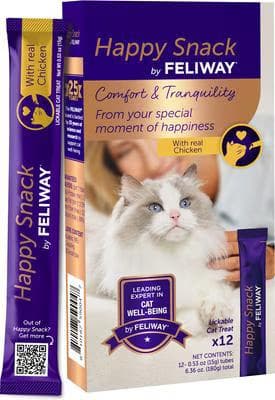
This is an optional cat treat. Review its current label, ingredients, calories, and feeding directions, and count it within the total daily extras.
Webvet may earn a commission when you click through to Chewy, at no extra cost to you.
The practical issue is energy density. A small amount can use part of a cat's limited daily calorie allowance without improving a complete diet. If a veterinarian approves any extra food, portion it from the exact product's calories and the individual cat's energy plan rather than using a universal teaspoon amount.
Practical Concerns: Calories, Co-ingredients, and Symptoms
Plain almond butter is not a recognized feline poison. A larger amount could cause gastrointestinal upset, and calorie-dense extras can contribute to weight gain when repeated. Pancreatitis cannot be predicted from one food amount, and a sticky texture is not evidence of a universal choking risk. Urgency depends on the product, amount, patient, and symptoms.
| Question | Evidence-based guidance | Action |
|---|---|---|
| Plain product | Small lick is usually low risk | Observe and keep the label |
| Chocolate or cocoa | Separate toxicology concern | Call promptly |
| Xylitol | No dog-like syndrome shown in six healthy cats | Assess the whole case |
| Large amount or symptoms | Risk depends on product and patient | Contact a veterinarian |
Age or a history of gastrointestinal disease may change how a veterinarian evaluates an exposure, but those factors do not prove that one taste will cause harm. Keep almond butter out of the routine diet, and use case-specific advice instead of fixed risk windows or categorical claims.

What To Do If Your Cat Licked Almond Butter
First, figure out what kind it was. If your cat licked a small amount of plain, unsalted almond butter whose only ingredient is almonds, the most likely outcome is nothing at all, or at most a bout of mild stomach upset. Take the jar away, offer fresh water, and keep an eye on your cat for a day or two. There is no need to make your cat vomit or rush to the clinic over a single fingertip lick of a plain product.
Call with the complete ingredient list if the product contained chocolate or cocoa, if a substantial amount was eaten, or if the cat has symptoms. Xylitol alone should not be described as a proven feline poison, but the limited feline evidence also does not justify ignoring the product, dose, co-ingredients, or patient history.
Better Treats for an Obligate Carnivore
If you want to offer a treat, choose a small item that fits the cat's complete diet and calorie plan. Plain cooked animal protein may be an appealing option for some cats, but it still counts as an extra and must be boneless, unseasoned, and compatible with any medical diet.
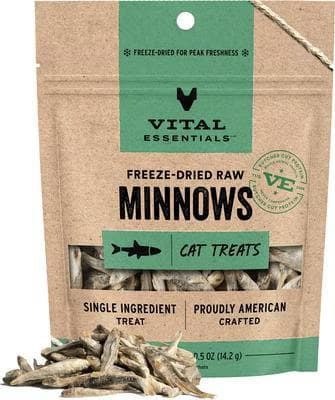
This is an optional cat treat. Review its current label, ingredients, calories, and feeding directions, and count it within the total daily extras.
Webvet may earn a commission when you click through to Chewy, at no extra cost to you.
Frequently Asked Questions
Is almond butter toxic to cats?
Plain almond butter is not a recognized feline toxin, and a small lick is unlikely to poison a cat. Check the complete product and seek advice for chocolate, a substantial amount, symptoms, or another concerning ingredient.
Which nuts are toxic to cats?
Macadamia toxicosis with weakness and tremors is reported in dogs, not cats. Other nuts may present product-specific or mechanical concerns, so identify the exact nut, preparation, amount, and symptoms rather than applying a dog-only syndrome to cats.
Can cats eat almond milk instead?
A small taste of plain unsweetened almond milk is unlikely to poison a cat, but it is unnecessary and can add calories or other ingredients. Water and a complete feline diet should remain the routine.
Can cats have peanut butter rather than almond butter?
Plain peanut butter and almond butter are both calorie-dense and unnecessary for cats. Check the complete label, especially for chocolate, and do not describe xylitol as a proven cat toxin based on canine evidence.
My cat licked almond butter off my finger. Should I worry?
A small lick of plain product is usually low risk. Keep the label, estimate the amount, and contact a veterinarian for symptoms, a substantial exposure, chocolate or cocoa, or uncertainty about the complete product.

Safe alternatives
More nuts & seeds for cats
Sources
- Merck Veterinary Manual: Overview of Nutrition in Small Animals
Supports complete and balanced feeding and patient-specific nutrition; it does not establish clinical benefit from a treat portion.
- Merck Veterinary Manual: Nutritional Requirements of Small Animals
Supports species-specific nutrient requirements and the distinction between digestibility and nutritional necessity.
- Jerzsele et al.: Effect of xylitol on blood glucose and liver function in cats
A small controlled study of six healthy cats found no dog-like hypoglycemia or liver injury, while leaving broader feline safety uncertain.
- Merck Veterinary Manual: Pancreatitis in Dogs and Cats
Supports dietary indiscretion as a canine risk factor while not establishing a food-specific dose or predictable outcome after one exposure.
Reviewed by Dr. Athena Gaffud, DVM
General guidance based on credible veterinary sources; not a diagnosis or a substitute for your veterinarian. If your pet ate something toxic or is unwell, contact your vet or a pet poison line right away.