
Can dogs eat almond butter?
Safe in moderationA small taste of plain almond butter is usually low risk for dogs, but check the label for xylitol or chocolate and count its calories.


Medically reviewed by Dr. Athena Gaffud, DVM · Last reviewed
Can Dogs Eat Almond Butter?
Most dogs can have a small taste of plain almond butter without being poisoned, provided the product contains no xylitol, chocolate, or cocoa. Almond butter is calorie-dense, so it is an occasional extra rather than a health food. Read the complete label each time, account for the product's calories, and ask the veterinarian before adding it to a therapeutic diet.
- 1Plain almond butter is not a recognized canine toxin, but it is rich in calories and fat.
- 2Read the exact label for xylitol, birch sugar, chocolate, cocoa, and other hazardous ingredients.
- 3There is no universal spoon-based serving; use the jar's calories and your dog's individual calorie allowance.
- 4Dietary indiscretion is associated with pancreatitis, but one amount of almond butter does not predict the disease.
- 5Dogs with medical conditions or a therapeutic diet need advice from the veterinarian managing that diet.

Treats should stay under 10% of your dog's daily calories. JustFoodForDogs makes the rest of it.
- Recipes developed by veterinary nutritionists
- Whole-food ingredients you can recognise
- Fresh meals delivered to your door
Webvet may earn a commission when you click through to JustFoodForDogs, at no extra cost to you.
Is almond butter safe for dogs?
Plain almond butter made only from almonds is not considered inherently poisonous to dogs. The practical concerns are its energy density, the amount eaten, the dog's current health, and any added ingredients. A small lick and a large jar exposure are different situations, and the label is essential to triage.

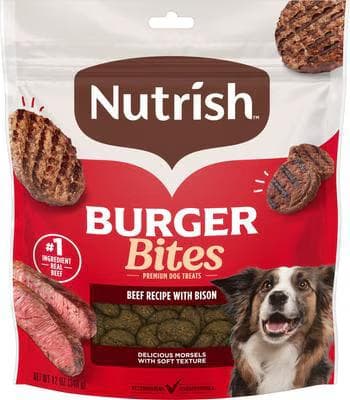
This is an optional dog treat. Review its current label, ingredients, calories, and feeding directions, and count it within the total daily extras.
Webvet may earn a commission when you click through to Chewy, at no extra cost to you.
Dogs can digest many plant-derived nutrients, so the issue is not that their digestive system is unable to break down nuts. Almond butter is simply unnecessary in a complete diet and can use a meaningful share of a small dog's daily calories. Vomiting or diarrhea can follow dietary indiscretion, but susceptibility varies.
The label is everything: xylitol and hidden additives
The label matters more than marketing terms such as natural or no added sugar. Look specifically for xylitol, which may also be called birch sugar, and for chocolate or cocoa. Salt, added sugar, and extra oils add calories or sodium, but they are not interchangeable with the acute hazards of xylitol and chocolate.
Almond butter contains fat, protein, vitamin E, and magnesium, but composition alone does not prove a skin, coat, heart, or other clinical benefit from a treat-sized smear. A complete and balanced food should provide the dog's required nutrients. Use almond butter, if approved, only as a measured extra within the daily calorie plan.

Is almond butter actually good for dogs?
There is no universal spoon-based serving for every dog. Start with the dog's veterinarian-established daily energy requirement, keep all treats within the recommended calorie allowance, and use the calories per gram or tablespoon printed on the exact jar. A fixed teaspoon chart ignores product variation and individual energy needs.
If almond butter is appropriate for the individual dog, use only enough for the intended purpose, such as coating a medication or enrichment toy, and subtract those calories from other treats. Dogs with obesity, diabetes, prior pancreatitis, food sensitivity, or a prescribed diet need case-specific guidance rather than a blanket rule.
| Question | Evidence-based answer |
|---|---|
| Is it toxic? | Plain almond butter is not a recognized dog toxin |
| Main acute label risks | Xylitol and chocolate or cocoa |
| Main routine concern | High calorie and fat density |
| How to portion | Use exact product calories and the individual dog's plan |
How much almond butter can a dog have?
There is no evidence-based teaspoon schedule for almond butter. If the exact product fits the dog's diet, use its calories and the dog's veterinarian-established energy needs to decide whether any amount belongs in the shared treat allowance. Count training rewards, toppers, chews, and food used for medication together.
The available calorie room depends on the full diet, body condition, life stage, activity, health, and every other extra. Read the jar's calories and ingredients, measure any amount approved for the dog, and breed or body weight alone does not determine a serving.

| Step | What to do |
|---|---|
| 1 | Confirm the product has no xylitol, chocolate, or cocoa |
| 2 | Check calories on the exact jar |
| 3 | Fit the amount into the dog's individual treat allowance |
How to prepare and serve it safely
The most urgent concern is a toxic co-ingredient. For plain product, a large amount may cause gastrointestinal upset, and a rich-food exposure can be relevant when a dog develops signs compatible with pancreatitis. No almond-butter dose guarantees pancreatitis, so assess the amount, symptoms, health history, and complete label together.
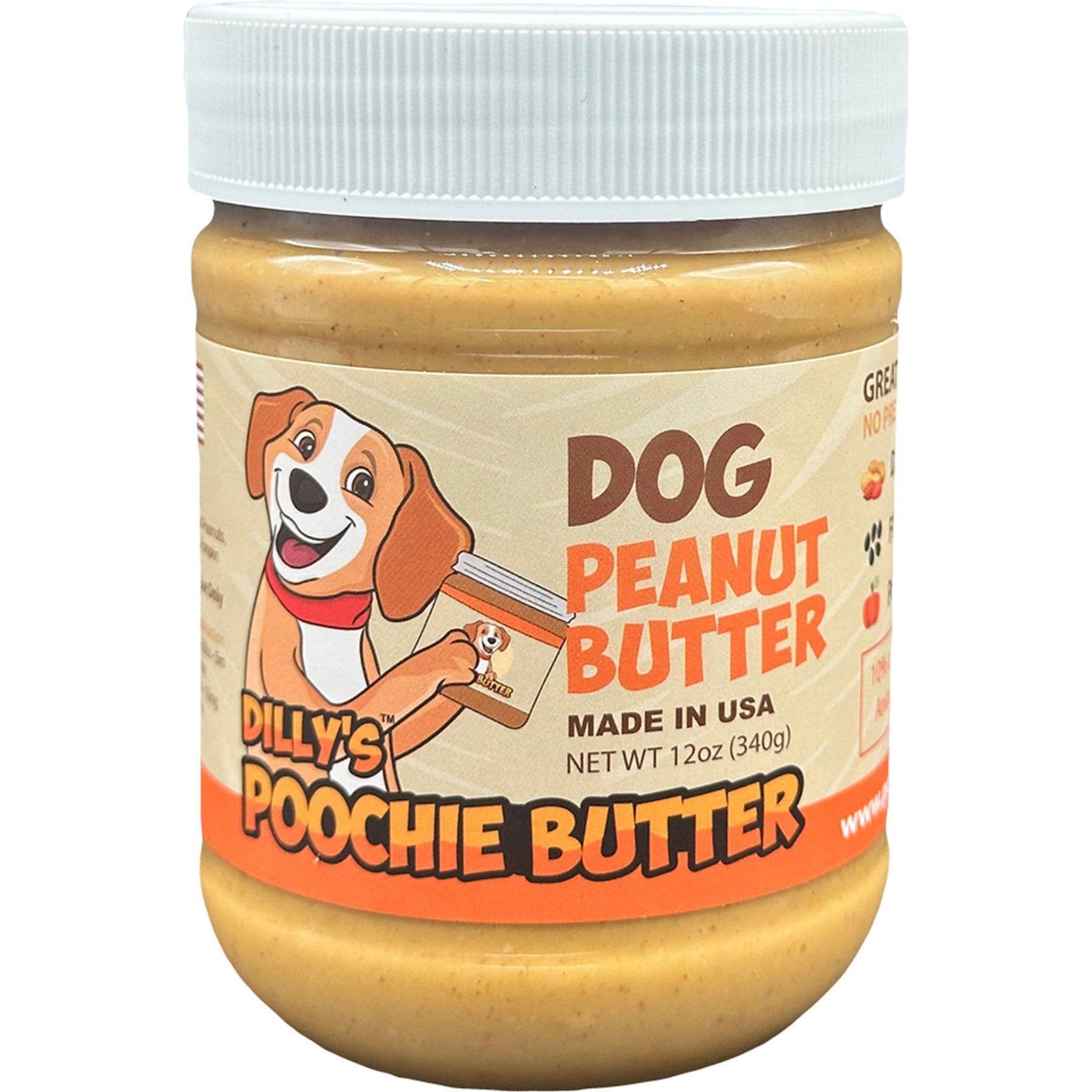
This is an optional dog treat. Review its current label, ingredients, calories, and feeding directions, and count it within the total daily extras.
Webvet may earn a commission when you click through to Chewy, at no extra cost to you.
A thick paste can be difficult for an individual dog to manage, especially if a large amount is offered at once, but almond butter is not established as a universal choking hazard. Offer only a thin, supervised amount if the veterinarian considers it appropriate, and seek urgent care for breathing difficulty, collapse, or persistent gagging.
Risks and what to watch for
The most serious risk is a toxic additive: xylitol or chocolate in the product, either of which is a genuine emergency rather than a stomachache. Short of that, the everyday hazards are the fat and calories. A substantial fatty exposure may cause vomiting or diarrhea and may contribute to pancreatitis in a susceptible dog, which shows up as belly pain, repeated vomiting, a hunched posture, lethargy, and loss of appetite. Repeated calorie excess can contribute to weight gain. Dogs with prior pancreatitis or a therapeutic diet need an individualized decision from their treating veterinarian.
Nut allergies exist in dogs, though they are uncommon, so signs such as itchy skin, hives, swelling, or ongoing digestive upset after eating almond butter are a reason to stop and talk to your vet. A thick sticky portion may be difficult for an individual dog to manage, so use a texture and amount suited to its eating behavior. If your dog eats a large amount in one sitting, or eats any product that contains xylitol or chocolate, do not wait to see how it goes: call your veterinarian or a pet poison hotline immediately, because canine xylitol exposure requires prompt professional assessment.

Almond butter vs peanut butter for dogs
Lower-calorie dog treats may leave more room in the daily energy budget, but no human food automatically delivers a clinical benefit. Choose a treat that is safe for the individual dog, count its calories, and avoid additions that conflict with allergies, diabetes management, pancreatitis management, or a prescribed diet.
Safe alternatives to almond butter
If almond butter does not fit the diet, ask the veterinary team about another treat with known ingredients and calories. Carrots have their own calories and texture considerations, while blueberries may be another optional food when compatible with the individual dog's diet. No alternative is automatically safer for every dog. Check the exact ingredients, calories, texture, allergy history, and therapeutic-diet restrictions before offering it.
This is an optional dog treat. Review its current label, ingredients, calories, and feeding directions, and count it within the total daily extras.
Webvet may earn a commission when you click through to Chewy, at no extra cost to you.
Frequently Asked Questions
How much almond butter can a dog have?
There is no universal teaspoon amount. Use the exact jar's calories and your dog's individual daily treat allowance, which should be set from the dog's energy needs. Ask the veterinarian when weight, diabetes, pancreatitis, or a therapeutic diet is involved.
Does almond butter have xylitol?
Many plain almond butters do not contain xylitol, but formulations vary. Read the entire ingredient list every time and look for xylitol or birch sugar. If your dog ate a xylitol-containing product, call a veterinarian or animal poison service promptly.
Is almond butter better than peanut butter for dogs?
Neither almond butter nor peanut butter is automatically healthier. Both vary by recipe and calorie density, and both require a label check for xylitol and chocolate. Choose only a product and amount that fit the individual dog's diet.
Why can dogs eat almond butter but not whole almonds?
Plain almond butter removes the whole-nut foreign-body concern, but it remains calorie-dense. Whole almonds are not inherently poisonous, yet their size and firmness can create patient-specific choking or obstruction concerns and they are not recommended as treats.
What should I do if my dog ate a lot of almond butter?
Keep the jar and estimate the amount eaten. Check immediately for xylitol, chocolate, or cocoa and call if any are present. For a large plain-product exposure or symptoms such as repeated vomiting, abdominal pain, weakness, or breathing trouble, contact a veterinarian for case-specific advice.

Plain almond butter can be an occasional, measured extra for some healthy dogs, but it is not nutritionally necessary. Confirm the label, calculate the amount from the product's calories and the dog's individual allowance, and defer to the treating veterinarian for any dog with a medical condition or prescribed diet.
More safe treats
More nuts & seeds for dogs
Sources
- Merck Veterinary Manual: Xylitol Toxicosis in Dogs
Describes canine xylitol-induced hypoglycemia, possible liver injury, and the need for prompt assessment when xylitol is listed in almond butter.
- Merck Veterinary Manual: Pancreatitis in Dogs and Cats
Supports dietary indiscretion as a canine risk factor while not establishing a food-specific dose or predictable outcome after one exposure.
- WSAVA: Feeding Treats to Your Dog
Supports limiting all treats to about 10% of a dog's daily calories and calculating the allowance for the individual dog.
- Merck Veterinary Manual: Nutrition in Disease Management in Small Animals
Supports veterinarian-directed therapeutic diets and calorie-based limits for treats rather than universal food portions.
Reviewed by Dr. Athena Gaffud, DVM
General guidance based on credible veterinary sources; not a diagnosis or a substitute for your veterinarian. If your pet ate something toxic or is unwell, contact your vet or a pet poison line right away.