
Can cats eat edamame?
Safe in moderationEdamame (young soybeans) is not a recognized feline toxin when plain, cooked, and shelled. Avoid pods and raw soy; assess salt and allergy individually.


Medically reviewed by Dr. Athena Gaffud, DVM · Last reviewed
Can Cats Eat Edamame?
A plain, properly cooked, shelled soybean is not a recognized feline toxin. Edamame is optional, but it is inaccurate to say cats gain nothing from soy nutrients or cannot use processed soy ingredients. Do not feed the fibrous pod, and assess raw, salted, or seasoned exposures from the actual preparation, dose, and ingredients.
- 1A plain, cooked, shelled edamame bean is not toxic, but it is a taste rather than real nutrition for a cat.
- 2Cats have species-specific requirements, but appropriately processed soy nutrients are not categorically unusable.
- 3Do not intentionally feed the tough pod; a swallowed pod could become a patient-specific choking or gastrointestinal foreign body.
- 4Never offer raw soybeans or anything salted, oiled, or seasoned, and skip it entirely for cats with soy sensitivities.
- 5There is no evidence-based one- or two-bean ceiling; any optional amount must fit the individual calorie and health plan.


Treats should stay under 10% of your cat's daily calories. Smalls makes the rest, built around the meat an obligate carnivore actually needs.
- Human-grade ingredients, protein first
- Built for obligate carnivores
- Fresh meals delivered to your door
Webvet may earn a commission when you click through to Smalls, at no extra cost to you.
Is Edamame Safe for Cats?
Edamame is young, green soybeans. The cited sources do not establish a feline poisoning syndrome or universally harmless serving for cooked, shelled edamame. Preparation, amount, concurrent ingredients, and individual tolerance require separate assessment; body size alone does not determine toxicity.
The verdict, then, is a cautious yes in moderation. A cat that samples a plain bean is fine, but edamame earns no place in a regular feeding routine. Because a typical cat weighs only eight to ten pounds, the margin between a harmless taste and too much is far smaller than it is for a dog or a human, so portion discipline does most of the safety work here. Treat it as an optional food that must not displace a complete and balanced feline diet.
What edamame contains and why it is optional
Edamame is genuinely nutritious for humans. It is low in calories and rich in plant protein, fiber, folate, vitamin K, manganese, and omega-3 fats, with roughly eleven grams of protein per hundred grams. Those nutrients do not make edamame necessary, but it is inaccurate to call them wasted. Appropriately processed soy ingredients can contribute nutrients in formulated feline diets that meet species-specific requirements.
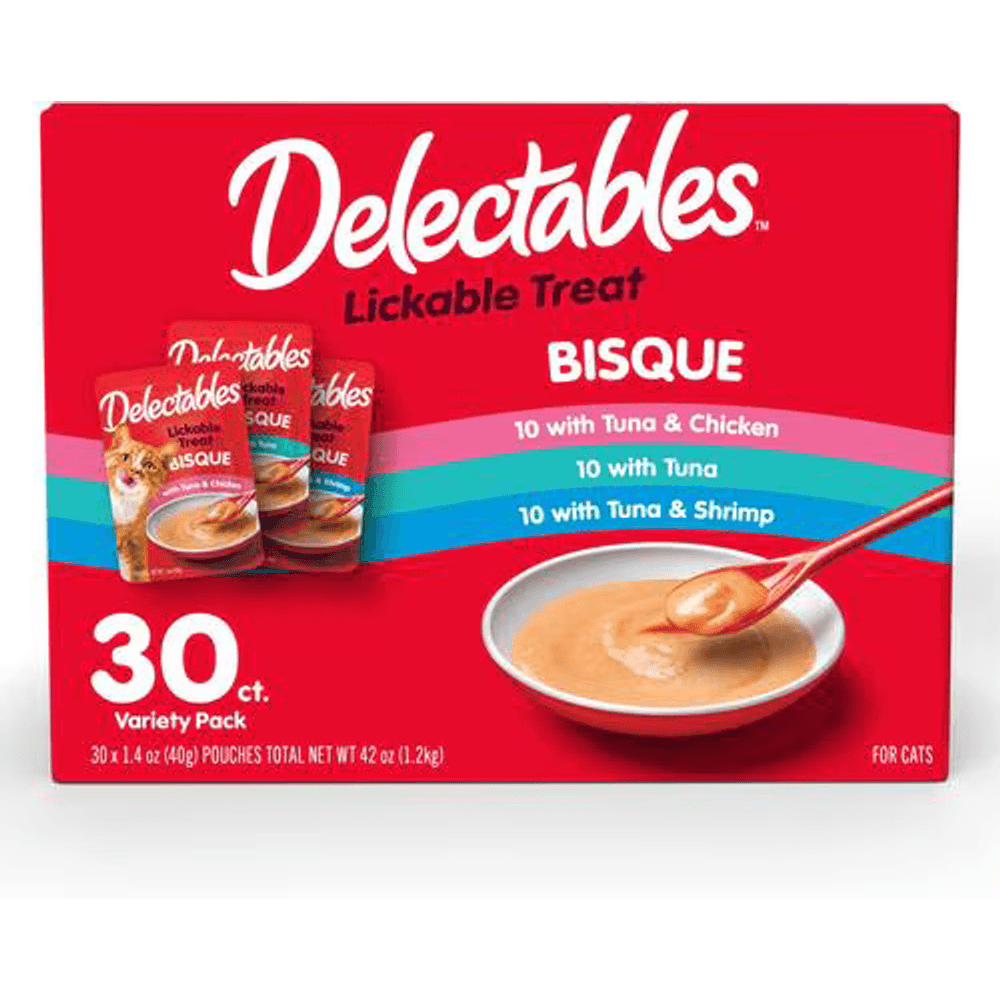
This is an optional cat treat. Review its current label, ingredients, calories, and feeding directions, and count it within the total daily extras.
Webvet may earn a commission when you click through to Chewy, at no extra cost to you.
Cats also cannot taste sweetness at all, so the appeal of edamame is usually about texture and the fun of batting a bean around rather than flavor. An unsuitable amount may cause gastrointestinal upset in an individual cat. A complete diet already supplies required nutrients, so edamame is unnecessary, but that does not mean its fiber or fats are unusable.

How to Safely Offer Edamame to a Cat
If you want to let a curious cat try a bean, preparation is everything. Start by removing the bean from its pod and offering only the soft inner bean, cut or mashed into small pieces so there is nothing to choke on. Keep it completely plain: no salt, no oil, no butter, no garlic or onion. Assess soy sauce from its sodium concentration and the amount eaten; body size alone does not prove toxicity.

This is an optional cat treat. Review its current label, ingredients, calories, and feeding directions, and count it within the total daily extras.
Webvet may earn a commission when you click through to Chewy, at no extra cost to you.
Use properly heated soybeans. Raw soy contains trypsin inhibitors and other antinutritional factors reduced by appropriate heat processing. Nonspecific signs such as vomiting, diarrhea, gas, or itchy skin should be discussed with a veterinarian. Suspected food allergy requires a controlled elimination diet followed by challenge rather than permanent diagnosis after one exposure.
This simple do-and-avoid split covers almost every edamame mishap that lands cats at the vet. The pattern is consistent across pet-safety guidance: the plain bean is fine, and nearly every problem traces back to the pod, the seasoning, or the sheer quantity a cat manages to steal.

Risks of Feeding Edamame to Cats
Even prepared correctly, edamame carries a few risks worth naming. Soy can be an allergen for an individual cat, but itching, grooming changes, and gastrointestinal signs are nonspecific. Diagnosis requires an elimination diet followed by controlled challenge under veterinary guidance. Too many beans, even plain ones, can cause gas, bloating, or loose stool, because a carnivore's digestive system is not designed to process much plant fiber in the first place.
The most serious hazards are mechanical and chemical rather than truly toxic. The pod is not intended as food and could become a choking or gastrointestinal foreign body depending on the object and cat. Sodium risk requires an actual dose assessment; small body size alone does not prove toxicity. Keep salted snack edamame, the kind served warm at restaurants, well out of paw's reach on the counter.
Better Treats: Cat-Safe Protein Alternatives
Because cats thrive on meat, the best treats are protein, not produce. A few small pieces of plain cooked chicken, a little plain cooked egg, or some flaked plain cooked fish give your cat something it genuinely enjoys and can actually use. A lick of plain meat baby food with no onion or garlic works too, as does a proper commercial cat treat formulated for feline nutrition.

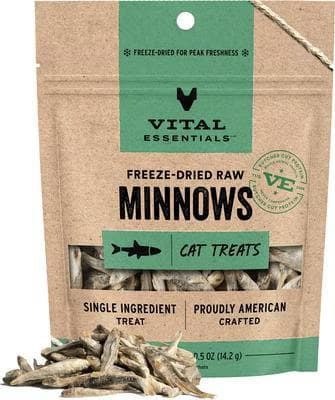
This is an optional cat treat. Review its current label, ingredients, calories, and feeding directions, and count it within the total daily extras.
Webvet may earn a commission when you click through to Chewy, at no extra cost to you.
If you specifically want to share a vegetable moment, plain green beans or a little carrot are safer curiosity nibbles than soy, though the same rule applies: they are a taste, not a food group. Whatever you choose, treats of any kind should make up no more than about ten percent of your cat's daily calories, with a complete, meat-based cat food doing the real work of keeping your cat healthy.
What to Do if Your Cat Eats Edamame
If your cat sneaks a single plain, cooked bean, relax. One bean is very unlikely to cause anything worse than mild gas. Offer fresh water and simply keep an eye on the litter box for a day. The situation changes if your cat ate a whole pod, a pile of salted edamame, or raw soybeans. In those cases watch closely for repeated vomiting, diarrhea, drooling, lethargy, straining in the litter box, or a loss of appetite, and call your veterinarian if any of them appear or persist.
When you are unsure, it is always fine to phone your vet for reassurance, and for a suspected salt overdose or a possible blockage you should not wait for symptoms to worsen. A quick call is far cheaper than an emergency visit, and your vet can tell you whether to watch at home or come in based on your cat's size and what was eaten.
Frequently Asked Questions
Can cats eat edamame?
Plain, properly cooked, shelled edamame is not a recognized feline toxin. It is optional and should not displace a complete diet; no evidence-based bean count is established.
What happens if my cat eats an edamame shell?
A swallowed fibrous pod could become a patient-specific choking or gastrointestinal foreign body. Repeated vomiting, straining, or loss of appetite after any possible foreign-body exposure warrants veterinary assessment.
Are any beans toxic to cats?
Different legumes contain different antinutritional factors. Raw soy contains trypsin inhibitors and other factors reduced by appropriate heating; do not generalize kidney-bean hazards to soy. Avoid raw beans.
Why does my cat love edamame?
Cats cannot taste sweetness, so the attraction is usually the texture and the fun of batting a small bean around rather than the flavor. The interest is play more than genuine hunger, and it does not mean your cat needs soy in its diet.
Can cats eat soy sauce?
Soy sauce can contain substantial sodium, but risk depends on concentration, amount, water access, and the cat. Save the label and seek dose-based advice for a concerning exposure or signs.

Edamame is a harmless curiosity for cats when it is plain, cooked, shelled, and offered in tiny amounts, but it is never something a cat actually needs. If you enjoy sharing a snack with your cat, lean on small bites of meat, egg, or fish that fit a carnivore's biology, and let a complete, balanced cat food do the heavy lifting for your cat's health.
More safe treats
More vegetables for cats
Sources
- Merck Veterinary Manual: Nutritional Requirements of Small Animals
Raw soy contains trypsin inhibitors reduced by appropriate processing, while processed soy can be used in formulated diets.
- Merck Veterinary Manual: Cutaneous Food Allergy in Animals
Food allergy requires elimination and challenge; signs alone are not diagnostic.
- Merck Veterinary Manual: Salt Toxicosis in Animals
Sodium risk requires a sufficient dose and cannot be inferred from any taste of soy sauce.
- Merck Veterinary Manual: Gastrointestinal Obstruction in Small Animals
A pod is a possible patient-specific foreign body rather than a likely guaranteed blockage.
- WSAVA: Feeding Treats to Your Cat
Optional treats should stay within the individual cat's calorie allowance and should not displace complete feline nutrition.
- Merck Veterinary Manual: Overview of Nutrition in Small Animals
Plain edamame is optional and should not displace a complete feline diet that supplies species-specific nutrient requirements.
- Merck Veterinary Manual: Garlic and Onion Toxicosis in Animals
Onion and garlic can cause dose-dependent oxidative red-cell injury, so a seasoned edamame product requires ingredient- and amount-specific assessment.
Reviewed by Dr. Athena Gaffud, DVM
General guidance based on credible veterinary sources; not a diagnosis or a substitute for your veterinarian. If your pet ate something toxic or is unwell, contact your vet or a pet poison line right away.