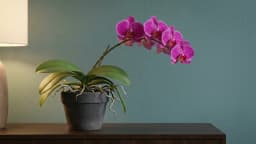
Are orchids toxic to dogs?
Not toxic, monitorPhalaenopsis moth orchids are non-toxic to dogs, but eating the plant, bark, clips or care products can cause problems. Check the full exposure.
Confirm the plant and monitor for problems
The identified plant is non-toxic, but injury, swallowed objects, and products on it need separate assessment. Contact your vet for symptoms or uncertainty.


Medically reviewed by Dr. Athena Gaffud, DVM · Last reviewed
What to do right now
- Move the orchid out of reach and gather its botanical label or a clear photograph.
- Check whether leaves or flowers are missing and whether your dog also reached potting bark, moss, a stake, a clip, or the pot.
- Contact your veterinarian for uncertain identification, swallowed pot materials, product exposure, or symptoms. Keep product labels available.
- Seek immediate care for trouble breathing, collapse, or inability to swallow; do not force a mouth examination.
What not to do
- Do not induce vomiting at home or give a home remedy.
- Do not assume every plant sold as an orchid is covered by the Phalaenopsis classification.
- Do not assume an organic fertilizer or a dried product residue is harmless if swallowed.
What to tell the vet or poison line
- The orchid's botanical name or a photo of the plant and tag.
- Which plant parts or pot materials are missing, about how much, and when.
- Labels for fertilizer, pesticide, or other plant-care products your dog could have reached.
- Your dog's weight and any vomiting, drooling, pain, or appetite changes.
Are orchids toxic to dogs? The popular Phalaenopsis, or moth orchid, is listed as non-toxic by the ASPCA. That is reassuring when you know the plant's identity, but it does not make the whole pot safe to chew. Bark, fertilizer, support clips and swallowed plant material raise different questions. If your dog is unwell or you cannot identify what they ate, contact your veterinarian.
Which orchids are safe around dogs?
A confirmed Phalaenopsis moth orchid is a non-toxic plant choice for a home with dogs. Keep the plant and its potting materials inaccessible rather than offering leaves or flowers to eat.
A MidWest Wire Dog Exercise Pen with Step-Thru Door can provide a supervised dog area while you arrange or repot plants elsewhere. Choose the height and setup for your dog, and do not rely on it if they can climb, tip or move the panels.

Optional equipment or enrichment for your dog. Check suitability, condition, and directions, and supervise use. This product does not treat a hazardous exposure.
Webvet may earn a commission when you click through to Chewy, at no extra cost to you.
Plan a separate display area before bringing an orchid home. A dog may reach a low side table, pull at a trailing support tie or knock over a narrow stand. A closed room or a stable display behind a dependable boundary gives you more control over access.
The ASPCA listing specifically names Phalaenopsis, also called moth or moon orchid. Check the nursery tag or ask the florist for the botanical name. A purple flower, a white flower or the word “orchid” on a decorative sleeve is not enough to confirm it. Assess every plant in a mixed gift basket separately.
The orchid is only one part of the pot
A plant-versus-pot inventory makes the next decision clearer. Look at the leaves and flowers, then examine the container, growing medium and supports. A missing support clip is important even when the orchid itself belongs to a non-toxic species.

| Part of the display | What to check | Useful information for the vet |
|---|---|---|
| Leaves or flowers | Correct plant identity and missing material | Botanical name, amount and time |
| Bark or moss | Type of medium and quantity disturbed | Packaging and whether pieces were swallowed |
| Stake, clip or tie | Broken or missing components | Size, shape and material |
| Pot or decoration | Broken edges or missing stones | Photos and a list of missing objects |
| Plant-care product | Recent treatment or open container | Exact product label |
The ASPCA plant database cautions that eating plant material can cause stomach upset even when a plant is listed as non-toxic. Orchid leaves and petals are therefore not an appropriate snack. Flower color does not change that practical advice.
Bark is not automatically a poison, but pieces, decorative stones and other objects may create a swallowing problem. A chewed plastic pot or snapped stake also changes the incident. Do not dismiss a missing object because the dog is still playful. Save the remaining pieces for identification.
For everyday prevention, store orchid food and sprays in their original containers in a secured cupboard. A Qdos Adhesive Double Door Dog Cabinet Lock can help on compatible doors. Check that the closure works rather than assuming “organic” or “natural” supplies can be left within reach.
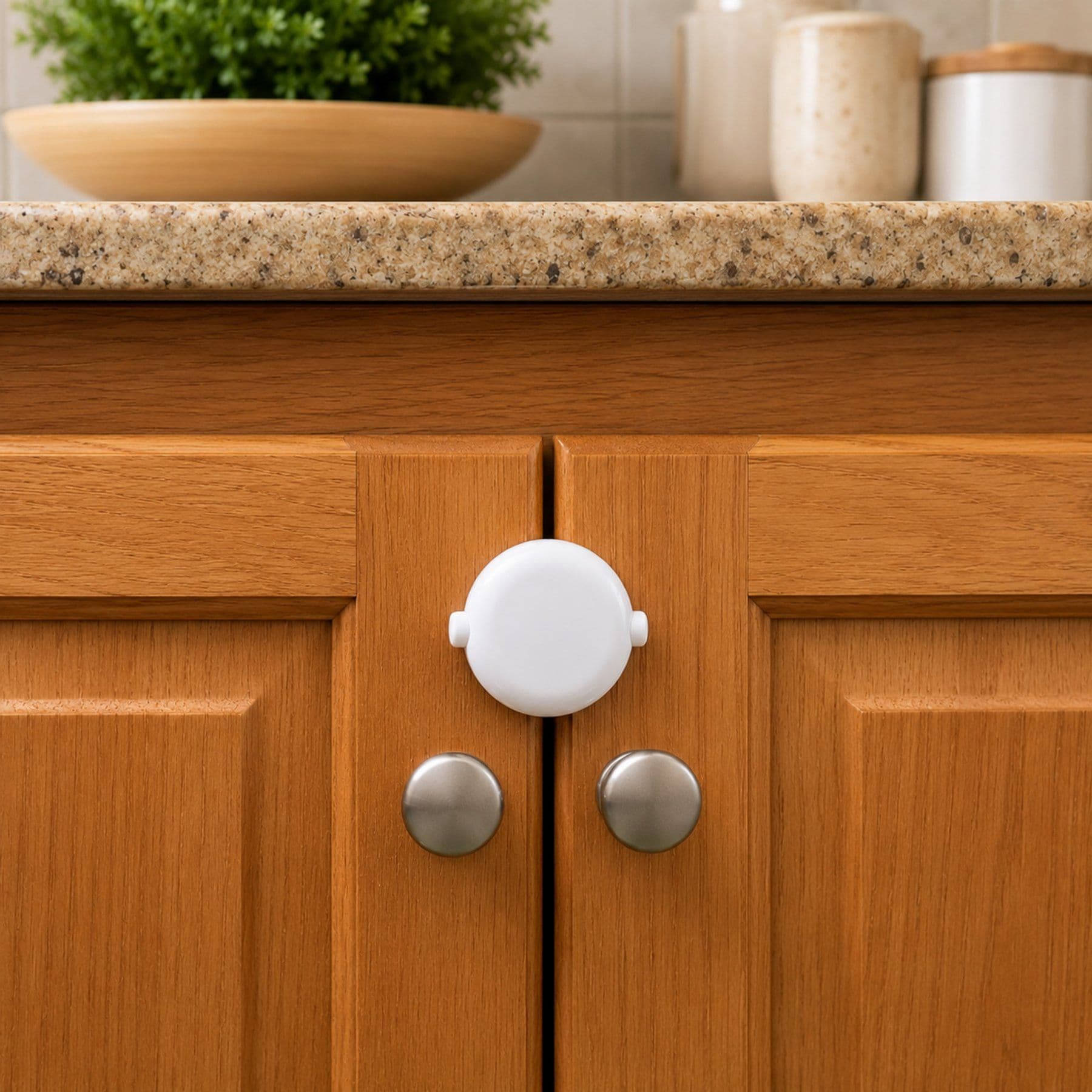
Optional equipment or enrichment for your dog. Check suitability, condition, and directions, and supervise use. This product does not treat a hazardous exposure.
Webvet may earn a commission when you click through to Chewy, at no extra cost to you.
Set up an orchid display your dog cannot reach
Choose the plant's position with both the growing conditions and your dog's behavior in mind. A windowsill accessible from a sofa is different from an isolated shelf. Avoid unstable furniture, dangling ties and a watering routine that leaves the pot on the floor.
When walking a healthy dog through an area where plants are being moved, a lead attached to a correctly fitted Frisco Padded No Pull Dog Harness gives you a way to guide them to another space. Measure for the appropriate size. Put the lead away after supervised use; do not leave a dog tethered beside the display.

Optional equipment or enrichment for your dog. Check suitability, condition, and directions, and supervise use. This product does not treat a hazardous exposure.
Webvet may earn a commission when you click through to Chewy, at no extra cost to you.
Revisit the arrangement when a puppy grows or a visiting dog arrives. The height that worked for one pet may not work for another. Keep a clear path past the display so people do not brush against it while carrying laundry or opening curtains. A decorative outer pot should also sit securely rather than wobble around the nursery container inside it.

For future training, reward a dog for settling on a mat away from plant-care activity. Fruitables Skinny Minis Pumpkin & Berry Flavor Dog Treats are one possible reward when suitable for your dog's diet. Use harmless practice objects and keep the orchid elsewhere. A trained cue is helpful, but it cannot replace a closed door when you are distracted.

Optional dog training treats for routine use. Check the label and calories. After suspected ingestion, ask the treating veterinarian before giving food or treats.
Webvet may earn a commission when you click through to Chewy, at no extra cost to you.
A repeatable plant-care routine helps:
- Move the dog to a comfortable separate area before repotting.
- Keep bark, clips, ties and empty packets together on the work surface.
- Collect spilled material and inspect the floor before reopening the room.
- Return products to closed storage and put the orchid back in its secure position.
Ask gift-givers to include the plant tag. If an orchid arrives in a mixed container for a holiday, photograph the arrangement before separating its plants. That gives you a record if a label later gets lost. A familiar-looking flower should not be the only evidence used to identify the whole basket.
After watering, check the floor and the pot's tray before letting the dog return. A tidy display is easier to inspect when a leaf or small support later goes missing.
Apply the same separation principles to a balcony or patio with our dog-friendly yard guide. If you want a leafy alternative, compare spider plants. Do not assume the similarly popular snake plant has the same toxicity category.
What to do if your dog ate an orchid
Move your dog away and establish what is missing. For a confirmed Phalaenopsis nibble without symptoms or another exposure, veterinary advice may involve observation. Contact your veterinarian if the amount is uncertain, symptoms develop, or bark, clips, pot pieces or a treatment product may have been swallowed. An unidentified plant needs its own assessment.
Have these details ready:
- A photo of the whole plant and its nursery tag.
- Which leaves, flowers or objects are missing.
- When the incident occurred and your best estimate of the amount.
- Your dog's weight, age and current behavior.
- Packaging for the potting medium and any fertilizer or spray.
If you did not see the incident, describe the evidence instead of reporting a definite bite. A torn leaf, scattered bark and a missing clip may point to different concerns. Your veterinarian can decide what further assessment is needed. Ask for clear follow-up instructions, including which symptoms require an urgent examination and how to reach help outside normal hours.

Repeated vomiting, belly pain, loss of appetite or unusual lethargy warrant a veterinary call. VCA's foreign-body guidance explains why swallowed objects require more than a plant-toxicity lookup. Seek emergency care for choking, breathing difficulty or collapse.
Do not induce vomiting or give medicines, oils or other remedies unless a veterinary professional directs you. For a possible toxic product or unknown plant exposure in the U.S., contact ASPCA Poison Control at 888-426-4435 or Pet Poison Helpline at 855-764-7661; a fee may apply. Fertilizer ingredients vary, so keep the actual label.
If your dog has vomiting or diarrhea, describe the full situation rather than concluding that the orchid caused poisoning. The useful question is what they encountered and how they are doing now.
Frequently Asked Questions
Are orchids pet friendly?
A Phalaenopsis moth orchid is listed as non-toxic to dogs and cats by the ASPCA. That supports choosing the identified plant for a pet household, not allowing chewing. Check every plant in a mixed display and keep potting materials, clips and care products inaccessible. Other animal species and an unidentified orchid require their own assessment.
Can dogs eat orchid bark?
Orchid bark is potting material, not dog food. Its size, composition and any additives matter if swallowed. Tell your veterinarian what medium was used, how much may be missing and whether your dog has symptoms. Save the packaging rather than assuming all bark is identical. Vomiting, abdominal pain or a missing large piece warrants prompt advice.
What if my dog swallows an orchid support clip?
Contact your veterinarian promptly with the clip's size, shape and material, plus the time and your dog's weight. A swallowed clip is a possible foreign body even when the orchid is non-toxic. Do not induce vomiting or try to push it through with food. Breathing difficulty or choking needs immediate emergency care; do not wait for digestive symptoms.
Check another houseplant in the plant safety finder.
More plants and dogs
Sources
- aspca.org: phalaenopsis orchid
Phalaenopsis is listed non-toxic to dogs and cats; scope is botanical identity.
- aspca.org: toxic and non toxic plants
Ingested plant material may cause gastrointestinal upset despite a non-toxic category.
- petpoisonhelpline.com: fertilizers
Fertilizer ingredients vary; suspected exposure needs individual assessment using the product label.
- vcahospitals.com: ingestion of foreign bodies in dogs
Swallowed foreign objects may cause obstruction; vomiting, abdominal pain, appetite loss and lethargy warrant evaluation.
Reviewed by Dr. Athena Gaffud, DVM
General guidance based on credible veterinary sources; not a diagnosis or a substitute for your veterinarian. If your pet ate something dangerous or is unwell, contact your vet or a pet poison line right away.