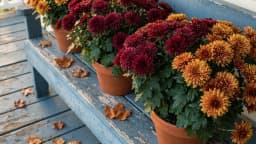
Are mums toxic to dogs?
Needs a vetMums (Chrysanthemum species) are toxic to dogs. Contact your veterinarian after ingestion; stomach upset, drooling or skin irritation may occur.
Contact your veterinarian or a pet poison line promptly
Describe the exposure and any signs so they can advise on care. Trouble breathing, collapse, seizures, or severe weakness needs immediate emergency care.


Medically reviewed by Dr. Athena Gaffud, DVM · Last reviewed
What to do right now
- Move your dog away from the mum and clear away fallen flowers, leaves, and stems.
- Note what was chewed, roughly how much is missing, and when it happened. Save the plant label or take a photograph.
- Contact your veterinarian or a pet poison line promptly, including for an uncertain amount or a dog that seems well.
- Seek urgent assessment for repeated vomiting, marked weakness, or unsteady walking. Trouble breathing, collapse, or seizures requires immediate emergency care.
What not to do
- Do not induce vomiting at home or give a home remedy.
- Do not assume porch mums, dried plant pieces, or flowers in a bouquet are harmless.
- Do not apply a skin product or attempt treatment for sap exposure without veterinary advice.
What to tell the vet or poison line
- The plant name, label, or a clear photograph, including other plants in the same display.
- Which flowers, leaves, or stems were chewed, about how much, and when.
- Your dog's weight and any vomiting, diarrhea, drooling, skin changes, or unsteady walking.
- Any pesticide, fertilizer, or other product used on the plant or accessible nearby.
Are mums toxic to dogs? Yes. Chrysanthemums can cause illness if a dog chews or eats them, and contact may irritate the skin. Their popularity on fall porches does not make them pet-friendly. If your dog has eaten a mum, move them away from the display and contact your veterinarian or an animal poison service promptly. Do not wait for symptoms or try a home antidote.
Can you keep mums around dogs?
Mums are toxic to dogs and cats, so treat them as a look-don't-chew decoration. A dog-friendly display needs reliable separation, including access to fallen flowers and leaves.
A MidWest Wire Dog Exercise Pen with Step-Thru Door can help define a supervised dog area away from decorations. Choose a suitable height and secure setup; a pen a dog can climb or push over is not dependable separation.

Optional equipment or enrichment for your dog. Check suitability, condition, and directions, and supervise use. This product does not treat a hazardous exposure.
Webvet may earn a commission when you click through to Chewy, at no extra cost to you.
For a future display, choose a location your dog cannot enter. A raised pot is not enough if a dog can jump onto nearby furniture or collect petals underneath it. A closed room or a separate fenced area is easier to manage than a plant beside the food bowl.
Potted mums are not a good choice for an unrestricted play yard. Consider another plant if keeping the display inaccessible would depend on someone remembering to move it every time the dog goes outside. The same rule applies to a bouquet brought indoors after a party.
Why chrysanthemums are poisonous to dogs
The ASPCA's mum entry identifies Chrysanthemum species as toxic to dogs. It lists pyrethrins, sesquiterpene lactones and other irritants. The concern includes garden mums and florist arrangements, not simply one flower color. Yellow, white and purple blooms do not provide a reliable safety distinction.

Do not designate the petals as safe while treating only the leaves as dangerous. Dogs may swallow a mixture of plant parts, and owners often cannot tell how much is missing. Dead or dried mums should not be treated as a dog-safe alternative either. Keep the nursery label so a professional can confirm the plant involved.
Possible signs include:
- Vomiting or diarrhea.
- More drooling than usual.
- Unsteady movement or poor coordination.
- Skin redness or irritation after contact.
Pet Poison Helpline describes stomach upset as the typical concern after eating chrysanthemum plant material. That is different from exposure to a concentrated insecticide. Do not borrow a pesticide poisoning timeline or assume the outcome from a flower's name alone.
Plant-care products deserve their own storage plan. Keep fertilizer, sprays and discarded packets in original packaging inside a secured cupboard. A Qdos Adhesive Double Door Dog Cabinet Lock is an option for compatible cabinet doors; check that the latch actually holds against your dog's usual way of opening them.
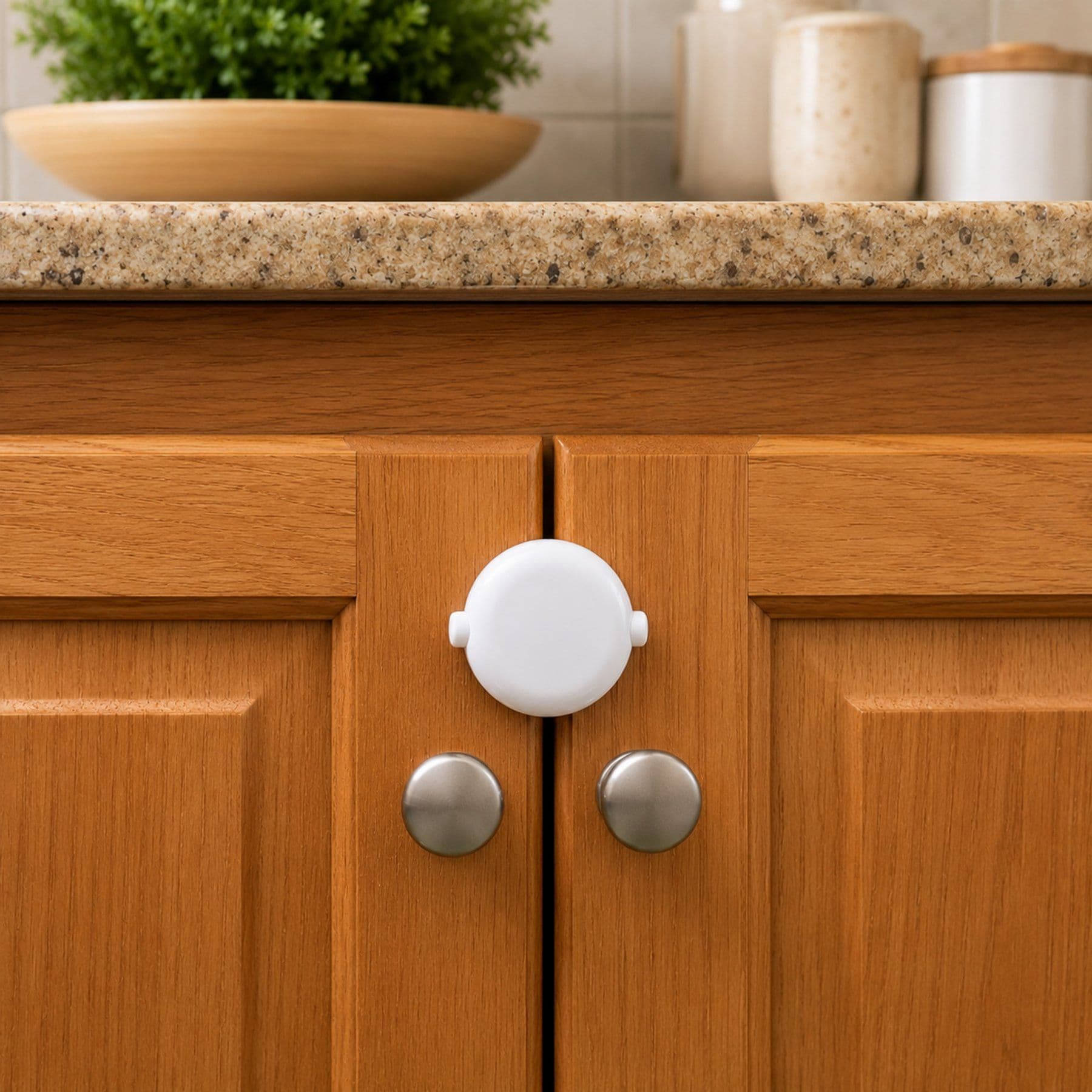
Optional equipment or enrichment for your dog. Check suitability, condition, and directions, and supervise use. This product does not treat a hazardous exposure.
Webvet may earn a commission when you click through to Chewy, at no extra cost to you.
A safer fall display, from porch to party
Use a porch-to-party check whenever Halloween decorations arrive, Thanksgiving guests bring flowers, or a container moves indoors. The useful question is whether the dog can reach any part of the arrangement during normal household activity.
For supervised trips past outdoor displays, use a lead attached to a correctly fitted harness. The Frisco Padded No Pull Dog Harness is one option; measure your dog and choose the appropriate size. A harness gives you a way to guide movement, but it does not prevent a dog from lowering their head and grabbing a flower.
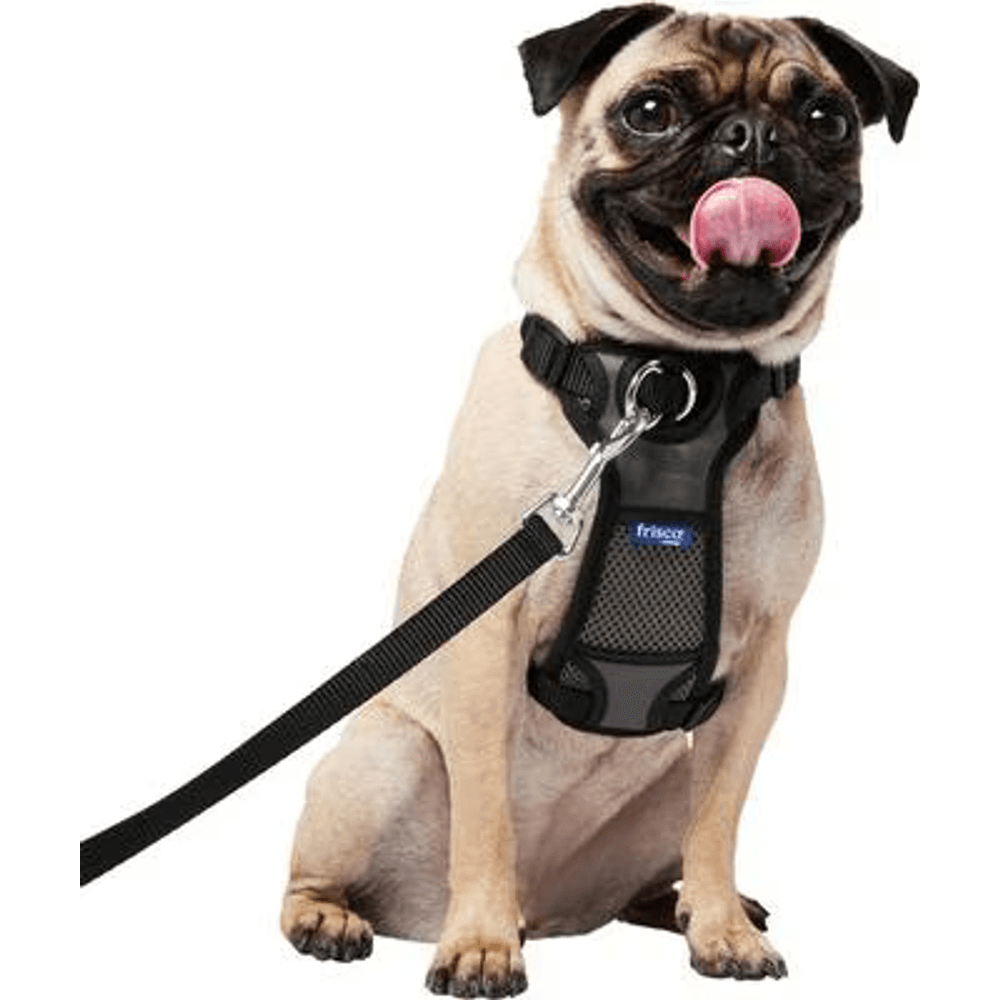
Optional equipment or enrichment for your dog. Check suitability, condition, and directions, and supervise use. This product does not treat a hazardous exposure.
Webvet may earn a commission when you click through to Chewy, at no extra cost to you.

| Checkpoint | What to check | Practical change |
|---|---|---|
| Porch | Pot beside the dog's usual route | Move the display behind a secure boundary |
| Party | Doors open and flowers on low tables | Give the dog a separate comfortable area |
| Floor | Fallen flowers, leaves or tipped soil | Collect debris before allowing access |
| Cleanup | Prunings and old arrangements | Use a closed bin the dog cannot open |
For ordinary training, practice turning away from harmless distractions before working near decorations. Reward the turn with a small suitable treat, such as Fruitables Skinny Minis Pumpkin & Berry Flavor Dog Treats, if the ingredients suit your dog's diet. Practice with safe objects, not a toxic plant. Training supports physical separation; it does not replace it.

Optional dog training treats for routine use. Check the label and calories. After suspected ingestion, ask the treating veterinarian before giving food or treats.
Webvet may earn a commission when you click through to Chewy, at no extra cost to you.
Walk the route at your dog's height. A flowerpot outside a gate may still be reachable through the bars. A basket that was secure yesterday may tip when guests squeeze past it. Check again after watering, windy weather or rearranging furniture, and tell visitors where flower gifts should go.
Plan for guests and cleanup
Assign someone to check the dog area before guests arrive. Put water, a familiar bed and appropriate activities there, away from both flowers and the front door. Visitors may move decorations or set a bouquet on the floor while taking off a coat, so show them a specific place for gifts.
Build the end of the event into the plan too:
- Collect fallen flowers before returning the dog to the room.
- Close waste bags inside a bin instead of leaving them beside it.
- Check the porch after pots are moved and soil is swept up.
These small changes matter because a display can become easier to reach after people stop paying attention to it. The safe boundary needs to last through disposal, not just the party.
Keep the practice area separate from the actual display so a missed cue does not turn into a plant exposure.
Our dog-friendly yard guide can help you plan the larger space. Include the compost pile and garden-waste storage in that plan, since a discarded display can remain accessible after the holiday ends.
What to do if your dog ate mums
Call your veterinarian or an animal poison service for advice tailored to the exposure. In the U.S., ASPCA Poison Control is 888-426-4435, and Pet Poison Helpline is 855-764-7661. A consultation fee may apply. For collapse, seizures or difficulty breathing, seek emergency veterinary care immediately.
The ASPCA's poisoning guidance emphasizes preventing further exposure and gathering useful evidence. While another person calls, collect what you can without delaying care:
- The plant's label and clear photos of the whole plant and leaves.
- When the incident happened, or when you last knew the display was intact.
- Which parts appear missing and your best estimate of the amount.
- Your dog's weight, age, current symptoms and relevant medical history.
- Labels for any fertilizer or pesticide used on the plant.

Say when you are unsure. An honest range is more useful than a precise guess. If several pets could have reached the display, mention that too. Keep the plant separated from animals while you gather the information.
Ask the clinic what changes should trigger another call, whether an examination is needed, and who to contact after hours. Write down the instructions so another household member can follow the same plan. If the professional advises observation, that is a decision based on your dog's exposure; it should not be turned into a rule that all dogs can wait at home.
Do not induce vomiting or give milk, oils, charcoal, human medicines or other remedies unless a veterinary professional specifically directs you. Vomiting and diarrhea in dogs can have many causes; symptoms alone cannot confirm mum poisoning. Follow the veterinarian's monitoring or examination plan rather than choosing a fixed waiting period online.
Frequently Asked Questions
How much chrysanthemum is toxic to dogs?
There is no reliable home cutoff that makes a bite safe. The amount and plant identity, the parts eaten, your dog's size, and any products on the plant all matter. Contact a veterinarian or animal poison service after suspected ingestion. A dog acting normal immediately afterward is not proof that advice is unnecessary.
What fall flowers are not poisonous to dogs?
Properly identified Rosa roses and Phalaenopsis orchids are options listed as non-toxic by the ASPCA, though local seasonal availability varies. Neither is meant for chewing. Check every plant in a mixed arrangement and keep thorns, potting materials and care products inaccessible. A “pet-friendly” shop label does not identify every stem.
Do dogs know to avoid toxic plants?
Do not rely on instinct. A dog that has ignored mums before may investigate a new pot, a fallen flower or soil disturbed during watering. Use physical separation and supervision. Repeated plant eating also deserves a conversation with your veterinarian, especially if it is new behavior or comes with changes in appetite or health.
Compare another plant in the plant safety finder before adding it to your display.
More plants and dogs
Sources
- aspca.org: mum
Chrysanthemum is toxic to dogs and may cause digestive signs, skin irritation or incoordination.
- petpoisonhelpline.com: chrysanthemum
Chewing chrysanthemums typically causes digestive upset; pyrethrins from the plant are also used in insecticides.
- aspca.org: what do if your pet poisoned
Prevent further exposure, gather evidence and obtain veterinary/poison-service advice; emergency signs require immediate care.
- petpoisonhelpline.com: fertilizers
Fertilizer ingredients vary; suspected exposure needs individual assessment using the product label.
Reviewed by Dr. Athena Gaffud, DVM
General guidance based on credible veterinary sources; not a diagnosis or a substitute for your veterinarian. If your pet ate something dangerous or is unwell, contact your vet or a pet poison line right away.