Inflammatory Bowel Disease in Dogs (IBD): A Vet-Reviewed Guide
Inflammatory bowel disease in dogs requires a careful veterinary workup. Learn the signs, modern terminology, diet trials, treatment options, and practical ways to support long-term gut health.

BVMS MRCVS
Medically reviewed by Dr. Pippa Elliott, BVMS MRCVS · Last reviewed

This article contains affiliate links. Webvet may earn a commission when you buy through them, at no extra cost to you.
Inflammatory bowel disease in dogs is a chronic digestive problem in which ongoing intestinal inflammation contributes to signs such as diarrhea, vomiting, weight loss, appetite changes, and poor nutrient absorption. The direct answer for a worried pet parent is that these signs deserve a veterinary diagnosis, because several treatable illnesses can look very similar and there is no reliable way to identify IBD from stool appearance alone.
Veterinarians increasingly use the broader term chronic inflammatory enteropathy, or CIE, for persistent gastrointestinal disease after other causes have been investigated. Some dogs respond to a structured diet trial, while others need additional medication and nutritional support. With a thoughtful plan and planned follow-up, many dogs can enjoy a good quality of life.
Symptoms of IBD in dogs
The direct answer is that recurring diarrhea, vomiting, weight loss, or appetite changes can be signs of IBD, but they cannot confirm it. Symptoms may be mild and intermittent at first, which can make a chronic condition seem like a string of unrelated stomach upsets. The veterinary next step is an examination when digestive signs repeatedly recur, last more than a few days, or occur with weight loss or reduced energy.
Inflammatory bowel disease in dogs symptoms can involve the stomach, small intestine, colon, or more than one region, so stool appearance alone is not diagnostic. Signs of inflammatory bowel disease in dogs may overlap with parasites, dietary reactions, pancreatic disease, Addison disease, infection, or cancer. How to test for inflammatory bowel disease in dogs therefore depends on an ordered veterinary workup, not one screening result.
- 1Recurrent vomiting, diarrhea, weight loss, and appetite changes are common warning signs.
- 2A veterinary workup is needed because parasites, Addison disease, pancreatic disorders, infection, and other illnesses can resemble IBD.
- 3The next practical step is to record symptoms, food, treats, medications, and stool changes for your veterinarian.
- 4Prompt veterinary care is essential for repeated vomiting, black or bloody stool, weakness, dehydration, a swollen painful abdomen, or collapse.
- 5Diet and microbiome products can provide support, but this supportive care boundary does not replace diagnosis or prescribed treatment.
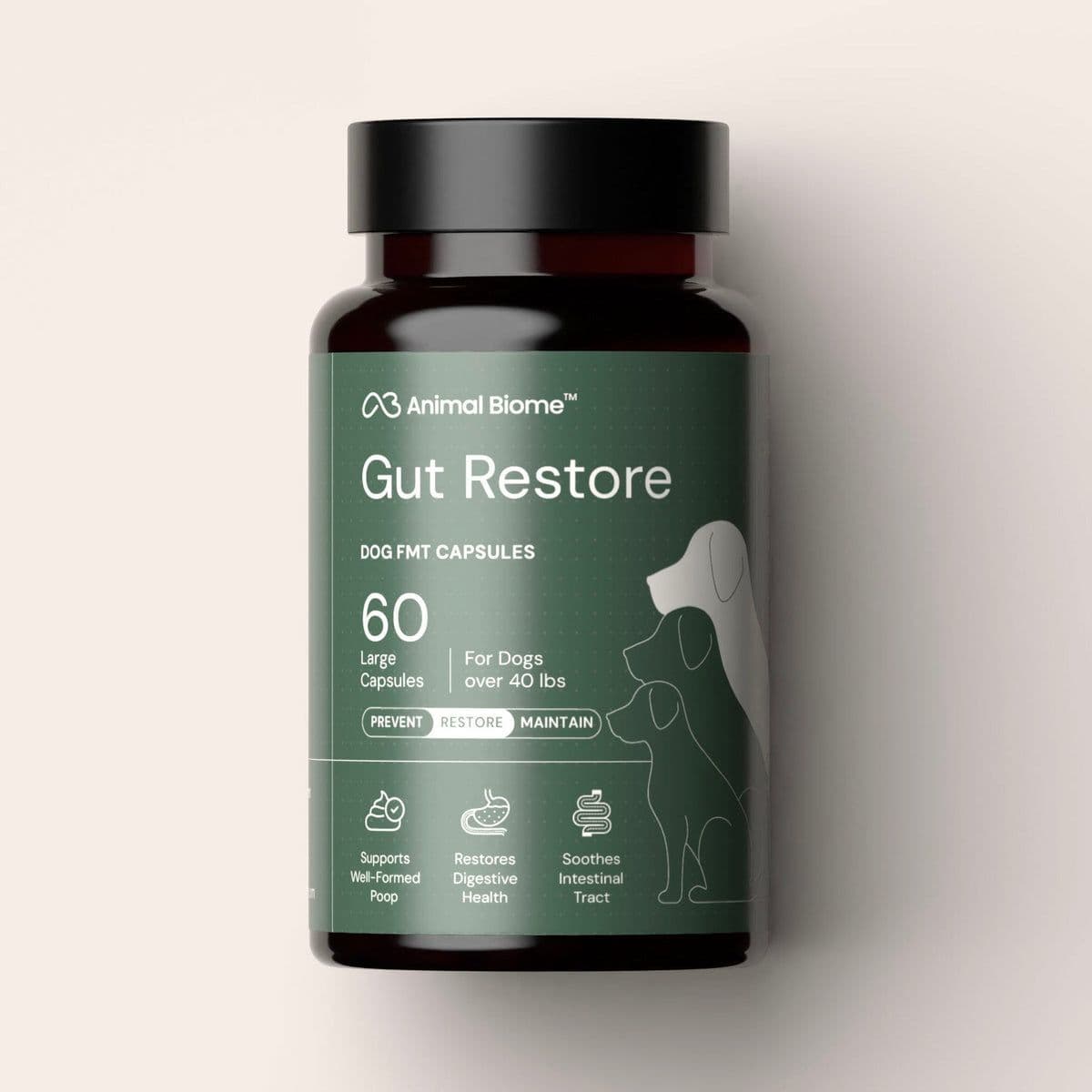
Veterinarian-developed oral fecal microbiota transplant (FMT) capsules that reintroduce a full community of dog-specific gut bacteria; used to support dogs with ongoing soft stools, diarrhea, or recovery after antibiotics.
Webvet may earn a commission when you click through to Animal Biome, at no extra cost to you.
Early signs and a useful home record
What are the first signs of IBD in dogs? They are often soft stool, recurring diarrhea, vomiting, increased gut sounds, gas, reduced appetite, or subtle weight loss. Some dogs seem hungry yet lose condition because inflamed intestines do not digest or absorb nutrients normally. Others become selective about food because eating has become associated with nausea or discomfort.
Signs can vary according to the area of the digestive tract most affected. Small-intestinal disease is more likely to cause weight loss and larger amounts of loose stool. Large-intestinal disease may cause frequent urgent trips outside, mucus, straining, and small amounts of fresh red blood. These patterns are useful clues, but they do not confirm the cause.
Keep a simple daily log with:
- Stool frequency and consistency
- Vomiting or retching episodes
- Food, treats, chews, and table scraps
- Appetite and water intake
- Body weight, when available
- Energy, discomfort, and nighttime restlessness
- All medications and supplements
This record gives the veterinarian a clearer picture than a single snapshot in the exam room. A fresh stool sample and photos of unusual stool or vomit can also be helpful if the clinic asks you to bring them.
Diagnostic ladder for chronic enteropathy

This diagnostic ladder organizes the veterinary workup around the decision trigger each step must support. It begins with urgent stability and common mimics, then moves to targeted laboratory and imaging evidence, a structured diet response, and biopsy when the result could change treatment. Each decision trigger identifies what the veterinarian needs to know, which evidence can answer it, and whether the next step is stabilization, targeted treatment, a controlled diet trial, or tissue diagnosis.
| Diagnostic-ladder step | Question it answers | Typical evidence | Decision trigger |
|---|---|---|---|
| 1. Stability and history | Does the dog need urgent support, and what exposures matter? | Hydration, pain, weight trend, diet, medication, travel, and symptom log | Stabilize first or proceed with the outpatient workup |
| 2. Common mimics | Could parasites, Addison disease, pancreatic disease, infection, or another organ problem explain the signs? | Fecal tests, bloodwork, urinalysis, and targeted endocrine or pancreatic testing | Treat or exclude a mimic before labeling the case IBD |
| 3. Intestinal severity | Is there protein loss, nutrient deficiency, a mass, or another high-risk feature? | Albumin, cobalamin, folate, ultrasound, and other case-specific tests | Escalate monitoring, referral, or nutrition support |
| 4. Diet response | Does an exclusive therapeutic diet produce measurable improvement? | One complete diet, exposure control, stool and vomiting record, weight trend | Continue, refine, or document nonresponse |
| 5. Tissue diagnosis | Would biopsy distinguish inflammation from cancer or guide stronger medication? | Endoscopic or surgical samples interpreted with the complete case | Select diagnosis-specific treatment and follow-up |
What can be mistaken for IBD in dogs? Parasites such as Giardia and whipworms, food-responsive enteropathy, adverse food reactions, bacterial or fungal disease, pancreatic insufficiency, chronic pancreatitis, liver disease, kidney disease, and intestinal cancer may cause overlapping signs. Addison disease, an adrenal disorder, is especially important because it can cause waxing and waning vomiting, diarrhea, poor appetite, and weakness. Diagnosis is therefore a process rather than one definitive screening test.
The American College of Veterinary Internal Medicine consensus statement on canine chronic inflammatory enteropathy describes a stepwise approach that rules out problems outside the intestinal tract and then assesses response to targeted treatment. Depending on the individual dog, the veterinarian may recommend:
- A physical examination and accurate weight trend
- Fecal testing and appropriate parasite control
- Bloodwork and urinalysis
- Pancreatic and adrenal testing when indicated
- Cobalamin, or vitamin B12, and folate measurement
- Abdominal ultrasound
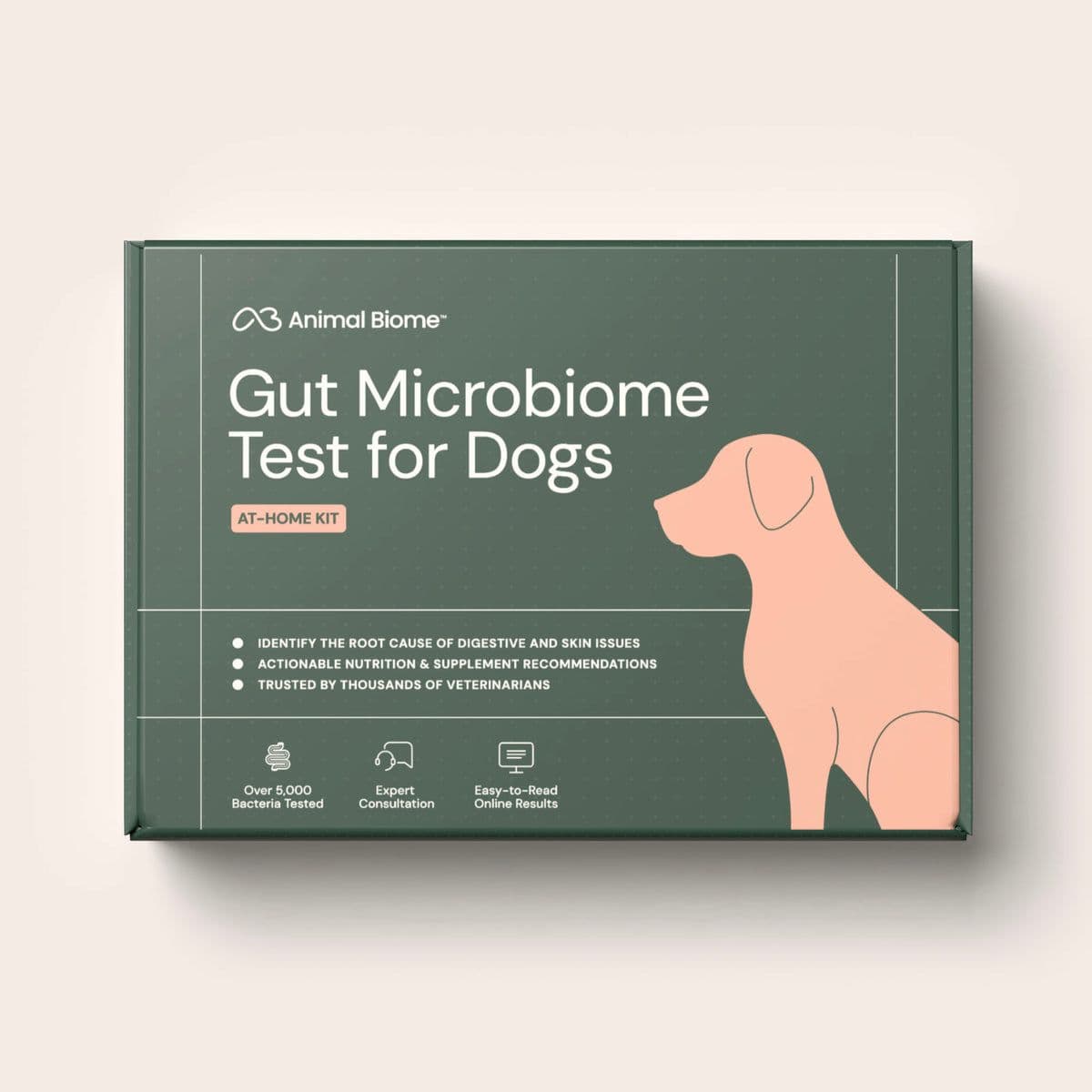
At-home gut microbiome test that sequences your dog's fecal bacteria and returns actionable diet and supplement recommendations, useful for chronic diarrhea, colitis, and IBD workups.
Webvet may earn a commission when you click through to Animal Biome, at no extra cost to you.
- A carefully controlled diet trial
- Endoscopy and intestinal biopsies in selected cases
When the diagnostic ladder reaches biopsy
Intestinal biopsies allow a veterinary pathologist to assess tissue architecture and the type and distribution of inflammatory cells. They may be recommended when a dog has severe disease, low albumin, abnormal imaging, poor response to an adequate diet trial, or concern for intestinal cancer. Endoscopic biopsies are obtained through the mouth or colon with a flexible camera, while surgical biopsies can sample the full thickness of the intestine and other organs. Each approach has benefits and limitations that the veterinarian or specialist can explain for the individual dog.
A biopsy result must be interpreted alongside diet history, laboratory values, imaging, and treatment response. Microscopic inflammation can overlap among different chronic enteropathies, and a sample cannot prove which food or microbial change triggered the problem. Conversely, treating every dog empirically without adequate investigation can delay recognition of a different disease. The goal is not to order every possible test. It is to gather enough evidence to choose a safe, measurable treatment plan.
Low blood protein, particularly hypoalbuminemia, changes the level of concern. Hypoalbuminemia means the blood albumin concentration is below the expected range, sometimes because an inflamed intestine is losing protein. It can be associated with fluid buildup, weakness, poor healing, or a higher risk of complications. A dog with marked weight loss, low albumin, or persistent symptoms may need faster reassessment, added nutritional support, or referral to a veterinary internal medicine specialist.
 $65 · no membership
Worried about your dog's vomiting or diarrhea?
A licensed vet can examine your dog over video and prescribe treatment online when it's appropriate.
 Talk to a vet
- Licensed vets
- All 50 states
- same-day Rx
Webvet may earn a commission if you book.
Causes, terminology, and prognosis
IBD is not usually traced to one simple cause. Current evidence points to a complex interaction among genetics, immune signaling, diet, intestinal microbes, and the gut barrier. In a susceptible dog, the immune system may react inappropriately to normal food or microbial components, sustaining inflammation and changing digestion.

The older label "inflammatory bowel disease" is still widely recognized, but veterinarians now often prefer chronic inflammatory enteropathy as the umbrella term. That language reflects how dogs are frequently classified by treatment response:
- Food-responsive enteropathy: signs improve during a complete and exclusive therapeutic diet trial.
- Immunosuppressant-responsive enteropathy: additional anti-inflammatory or immune-modulating medication is needed.
- Nonresponsive enteropathy: adequate diet and medical trials do not produce the expected improvement, prompting reassessment or advanced care.
This distinction matters because a dog can have significant intestinal inflammation and still improve dramatically with food alone. It also helps avoid starting stronger medications before a well-designed diet trial has been completed, when the veterinarian judges that approach safe.
What causes inflammatory bowel disease in dogs is rarely one isolated factor, and prognosis cannot be reduced to a stage number. Many cases are manageable rather than permanently curable. A dog with mild food-responsive disease may have an excellent outlook, while severe inflammatory bowel disease with weight loss, low albumin, or poor treatment response needs closer monitoring. Life expectancy depends on nutrition, complications, concurrent disease, and how consistently the dog responds to the chosen plan.
Prognosis and quality-of-life checkpoints
How long can a dog live with inflammatory bowel disease? There is no single life-expectancy number. Many dogs live for years with good comfort when the underlying form is identified, nutrition is maintained, and relapses are addressed early. Prognosis depends more on response to treatment, body-condition recovery, albumin and cobalamin levels, complications, and other diseases than on the IBD label itself.
Dogs with food-responsive disease generally have a more favorable outlook than dogs with severe protein loss or disease that does not respond to appropriate treatment. The Merck Veterinary Manual overview of chronic enteropathies notes that diagnosis and management are tied closely to response to diet and, when necessary, additional therapy.
Quality of life should remain the center of the plan. Useful measures include comfortable eating, stable weight, normal interest in family activities, manageable stool frequency, restful sleep, and more good days than difficult ones. If those measures decline, contact the veterinary team rather than waiting for a scheduled check.
Why relapses happen
A relapse does not always mean the original plan has failed. A flavored chew, a stolen snack, a diet formulation change, stress, parasites, or missed medication can destabilize a dog who had been doing well. Some chronic enteropathies also fluctuate despite excellent care. Contact the veterinary team before restarting an old prescription or adding several remedies at once.
For a mild change in an otherwise bright dog, the clinic may ask for a stool sample, food-exposure review, or short monitoring period. More significant symptoms may justify repeat bloodwork, ultrasound, or a treatment adjustment. Recording what changed in the days before a flare can reveal useful patterns without blaming the family or assuming food is always responsible.
Treatment, diet trials, and long-term care
Treatment is individualized. The foundation is a confirmed or strongly supported diagnosis, adequate calories, and a structured plan that can be evaluated objectively. One dog may respond to a diet change, while another needs cobalamin replacement, anti-nausea support, immune-modulating medication, or treatment for a concurrent pancreatic or endocrine disorder.
Inflammatory bowel disease in dogs food choices are usually tested through one complete veterinary diet used consistently, often a hydrolyzed or appropriate novel-protein formula. Treatment may also include cobalamin, anti-nausea medication, carefully selected fiber, corticosteroids or another immune-modulating drug, and supportive care. Natural remedies, probiotics, and supplements should be treated as optional adjuncts with specific goals. They do not replace diagnosis, adequate nutrition, or prescribed medication.
Each change needs a start date, a measurable goal, and a review point with the veterinary team.
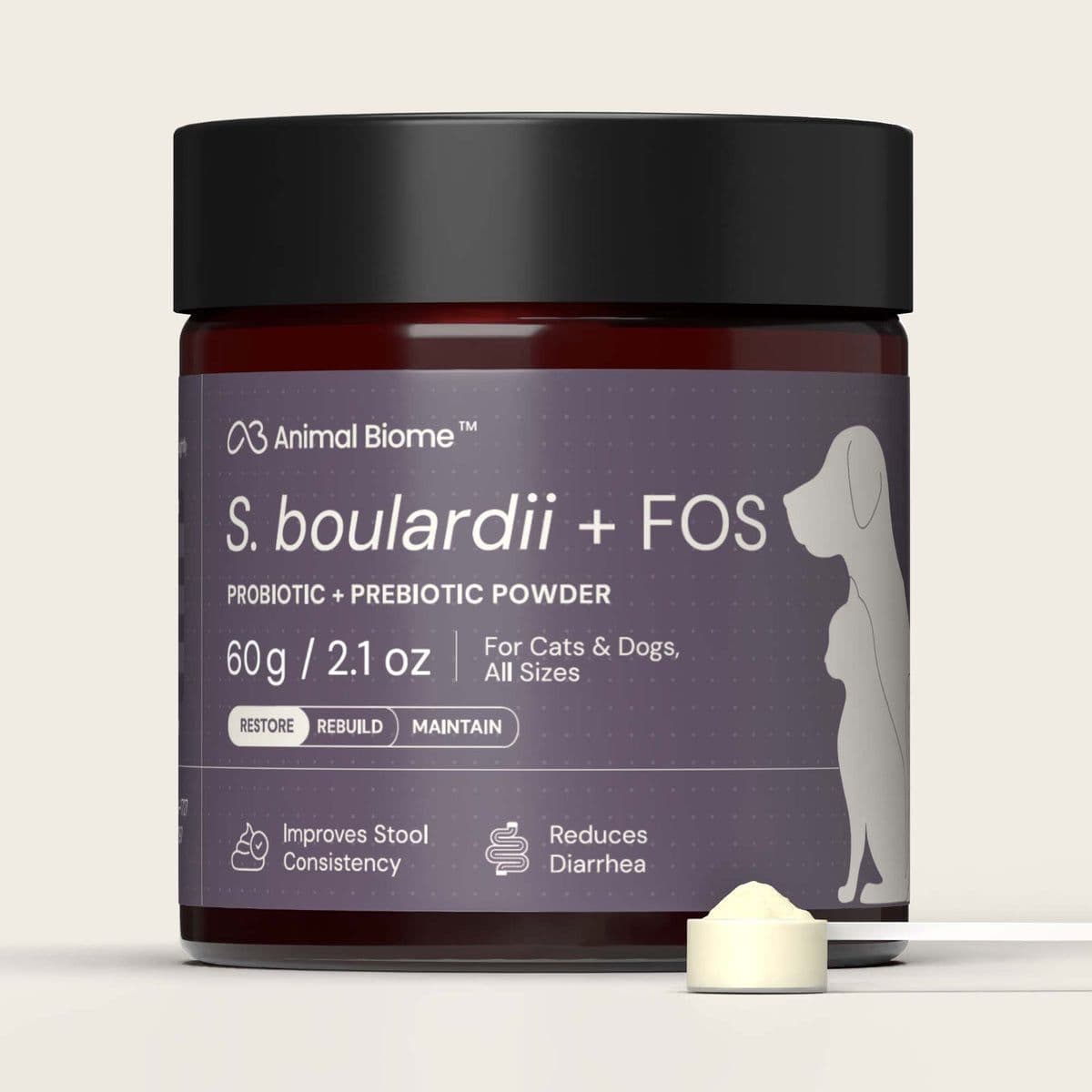
Antibiotic-resistant probiotic yeast paired with prebiotic FOS; supports stool consistency and helps reduce diarrhea in cats and dogs, including during antibiotic courses.
Webvet may earn a commission when you click through to Animal Biome, at no extra cost to you.
- Monitoring rule: Use a treatment-response baseline at every review checkpoint so the team can distinguish a true response, partial response, adverse effect, and relapse. Record stool frequency and consistency, vomiting, appetite, weight, muscle condition, energy, medication use, and original laboratory abnormalities before changing diet, medication, or an adjunct, then compare the same measures at the scheduled review checkpoint.
| Response measure | Baseline to record | Promising response at review checkpoint | Call or recheck trigger |
|---|---|---|---|
| Stool | Frequency, consistency, blood, mucus, urgency | More formed stool with less urgency and blood | Black stool, substantial blood, or persistent worsening |
| Vomiting and appetite | Episodes, amount eaten, nausea behaviors | Fewer episodes and reliable calorie intake | Repeated vomiting, refusal to eat, or inability to keep water down |
| Weight and condition | Body weight, body condition, muscle condition | Stable or recovering weight and muscle | Continued loss despite reported stool improvement |
| Laboratory risk | Albumin, cobalamin, and other original abnormalities | Values stabilize or improve on schedule | Falling albumin, weakness, fluid buildup, or new deficiency |
| Treatment burden | Medication dose, rescue care, adverse effects | Control with the planned regimen and acceptable effects | New adverse effects, repeated rescue use, or relapse during taper |
A consistent care routine
How do I help my dog with IBD? You can help by following one consistent plan, preventing unplanned food exposures, tracking response, and communicating changes promptly. Ask the veterinarian exactly what the trial is intended to test, how long it should run, and what counts as improvement.
A practical care plan often includes:
- Complete the diagnostic plan. Do not assume every relapse is the same disease. Repeat testing may be appropriate if symptoms or laboratory results change.
- Use the prescribed diet exclusively. A hydrolyzed diet or carefully selected novel-protein diet is a common option. The right choice depends on diet history, nutritional needs, and disease severity.
- Give medications exactly as directed. Some drugs require gradual dose changes and monitoring. Never stop a corticosteroid abruptly unless a veterinarian directs it.
- Replace specific deficiencies. Dogs with low cobalamin may need injections or high-dose oral supplementation under veterinary guidance.
- Measure progress. Track stool, vomiting, appetite, weight, energy, and any medication effects.
- Keep planned follow-up appointments. Rechecks allow the team to adjust treatment before a setback becomes severe.
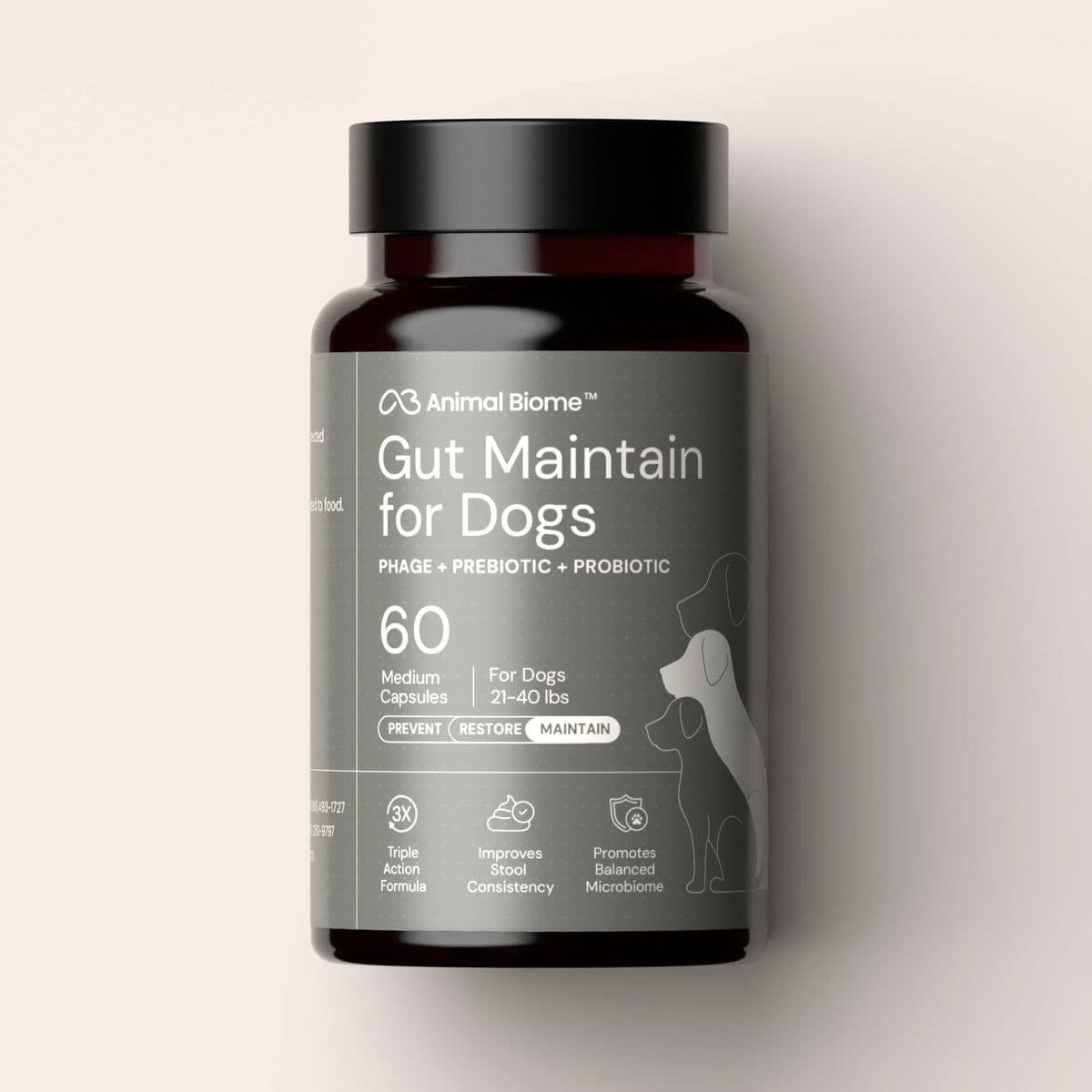
Triple-action phage, prebiotic, and probiotic capsules for everyday maintenance of a balanced gut microbiome once a dog's digestive flare has settled.
Webvet may earn a commission when you click through to Animal Biome, at no extra cost to you.
Diet-trial rules and food exclusions
What not to feed a dog with inflammatory bowel disease? Do not feed random treats, table scraps, flavored medications, chews, or multiple new supplements during a diagnostic diet trial unless the veterinarian approves them. What not to feed a dog with IBD? Follow the same principle: protect the diagnostic and nutritional goal. Even a small amount of a previous protein can make an elimination trial difficult to interpret. This is not because one ingredient is harmful to every dog with IBD. It is because an exclusive trial needs clean conditions.
Avoid rapid, repeated food switches made in response to each loose stool. Abrupt changes can cause additional digestive upset and make it harder to understand what is helping. Raw diets are not a default treatment for chronic enteropathy and can introduce nutritional imbalance and foodborne pathogens, which is an unnecessary risk for a dog receiving immune-modulating medication.
Also avoid restricting fat, fiber, or protein without a veterinary reason. Some dogs need a low-fat diet because of lymphatic disease or pancreatitis, while others do not. Some benefit from adjusted fiber, but the type and amount matter. A complete and balanced diet must still provide enough energy and essential nutrients.
- Diet-trial rule: Keep food, treats, flavored medications, and supplements within the veterinarian-approved plan so the response remains interpretable.
Medications and nutritional support
Medication depends on disease severity and response. Veterinarians may use corticosteroids or other immune-modulating drugs after diet-responsive disease and important mimics have been considered. Anti-nausea medication, appetite support, and carefully chosen soluble fiber may improve comfort. Antibiotics are not automatically appropriate for every chronic diarrhea case, because unnecessary use can disrupt the intestinal microbiome and contribute to antimicrobial resistance.
Searches for natural remedies for inflammatory bowel disease in dogs often surface pumpkin, herbs, probiotics, and homemade diets. No natural product has been shown to replace the veterinary workup, a complete therapeutic diet, cobalamin replacement when needed, or prescribed medication. A veterinarian may approve a specific fiber or microbiome product as an adjunct, but "natural" does not establish safety, dose, or effectiveness for an individual dog.
When a supplement is added, introduce it within the care plan rather than changing several variables at once. This makes benefits or adverse effects easier to recognize. For dogs with diarrhea, our guide to probiotics for dogs with diarrhea explains why product formulation and clinical context matter.
Microbiome support and follow-up
The intestinal microbiome is part of the chronic-enteropathy picture, but a microbiome result is not a standalone veterinary diagnosis. Testing may describe patterns in a submitted sample and help inform a broader conversation. It cannot by itself exclude Addison disease, pancreatic disease, parasites, cancer, or protein-losing enteropathy.
Animal Biome's Gut Restore Supplement for Dogs is designed to support microbial diversity using screened donor-derived material. In a sponsored article, the responsible supportive care boundary is clear: Gut Restore may be discussed as an adjunct for an appropriate dog, not as a cure for IBD or a substitute for a veterinary workup, diet trial, medication, or urgent care.

Who should ask before using microbiome support
Ask the veterinarian before using any microbiome product if a dog is severely ill, immunocompromised, pregnant, receiving multiple medications, or eating poorly. Share the complete ingredient list. If it is added, keep the rest of the plan stable and document stool, appetite, vomiting, skin signs, and energy.
Broader gut health for dogs also depends on consistent nutrition, appropriate parasite prevention, exercise, stress reduction, and measured medication use. No single powder or capsule replaces those fundamentals.
A useful follow-up schedule may include:
- An early check after a major diet or medication change
- Repeat weight and body-condition measurements
- Stool, vomiting, and appetite review
- Rechecking albumin, cobalamin, or other abnormal laboratory values
- A clear plan for tapering or adjusting medication
- A defined threshold for referral or repeat imaging
Build a useful home baseline
Once a dog is stable, record what normal looks like on the successful plan. Note typical stool frequency, appetite, weekly or monthly weight, energy, and any maintenance medication. This baseline helps the family recognize a meaningful change without reacting to every isolated soft stool.
Keep the diet name, medication doses, recent laboratory results, and specialist contact information together. If another clinic provides urgent care, that concise history can prevent accidental food exposure or an abrupt medication change. It also makes planned follow-up more productive because the team can compare the dog's current status with a clear period of control.
Inflammatory bowel disease in dogs can be frustrating because progress is rarely perfectly linear. Still, careful diagnosis, an exclusive diet trial, appropriate treatment, and consistent monitoring give many dogs an excellent opportunity to feel well. When symptoms change, the best next practical step is to return to the veterinary team and adjust one evidence-based part of the plan at a time.
Frequently Asked Questions
What are the first signs of IBD in dogs?
The first signs of IBD in dogs may include recurring vomiting or diarrhea, soft stool that never fully normalizes, appetite changes, weight loss, excess gas, or reduced energy. These signs are not specific to inflammatory bowel disease and can also occur with parasites, food-responsive disease, pancreatic disorders, Addison disease, infection, or other conditions. A veterinarian uses the pattern, duration, examination, and diagnostic testing to narrow the cause rather than diagnosing IBD from symptoms alone.
How is inflammatory bowel disease diagnosed in dogs?
Diagnosis is usually a stepwise process. The veterinarian rules out parasites, infection, endocrine disease, pancreatic disease, dietary causes, and other problems with history, examination, fecal testing, bloodwork, imaging, and a controlled diet trial. Endoscopy and biopsy may be recommended when signs persist, abnormalities are severe, or the result would change treatment. Modern veterinary guidance often uses the broader term chronic inflammatory enteropathy for this group of disorders.
How long can a dog live with inflammatory bowel disease?
A dog can live with inflammatory bowel disease for years with good quality of life when the underlying form of chronic enteropathy responds to diet, medication, and consistent follow-up. Prognosis varies with treatment response, weight and muscle loss, blood-protein levels, complications, and other diseases. Relapses can occur, so improvement does not mean monitoring stops. Contact the veterinary team when appetite, stool, vomiting, weight, energy, or medication tolerance changes instead of waiting for a severe flare.
What is the difference between IBD and IBS in dogs?
IBD, inflammatory bowel disease, means inflammatory cells are actually present in the intestinal lining, which is confirmed by biopsy after other causes are excluded. IBS, irritable bowel syndrome, describes digestive signs without that inflammation and is diagnosed far less often in dogs. The distinction matters because IBD is managed with diet trials, medication, and monitoring guided by biopsy and bloodwork.
What should I feed a dog with IBD?
Feed the diet the veterinarian selects for a structured trial, usually a hydrolyzed-protein or novel-protein food, and feed it exclusively. A diet trial only works when every treat, table scrap, flavored medication, and second food bowl matches the plan. Most trials run several weeks with a scheduled recheck to judge the response objectively.
Can IBD in dogs be cured?
IBD is usually managed rather than cured. Many dogs reach long stretches of normal stool, stable weight, and good energy on the right combination of diet, medication, deficiency correction, and follow-up. Relapses can happen even on a good plan, which is why rechecks and a consistent home baseline are part of long-term care.
$65 · no membershipWorried about your dog's vomiting or diarrhea?
A licensed vet can examine your dog over video and prescribe treatment online when it's appropriate.
Talk to a vet- Licensed vets
- All 50 states
- same-day Rx
Webvet may earn a commission if you book.

Editor
The Webvet Editorial Team is the in-house group of pet-care editors and writers behind Webvet, operated by Smart Pet Collective. The team researches, writes, and maintains Webvet's pet health, behavior, and medication content. Every article follows a defined editorial process: research from reputable veterinary and scientific sources, careful drafting, mandatory review of medical content by a credentialed veterinarian, and dated publication. Health and medication articles are medically reviewed by a licensed veterinary professional before they go live and are kept current over time.
Veterinarian · BVMS MRCVS
Dr. Pippa Elliott, BVMS, MRCVS, is a veterinarian with nearly 30 years of experience in companion animal practice. Dr. Elliott earned her Bachelor of Veterinary Medicine and Surgery from the University of Glasgow. She was also designated a Member of the Royal College of Veterinary Surgeons. Married with 2 grown-up kids, Dr. Elliott has a naughty Puggle named Poggle, 3 cats and a bearded dragon.


