How to Thaw Frozen Dog Food Safely: Fridge, Cold Water, and What to Avoid
Learn how to thaw frozen dog food safely in the fridge or in cold water, how long each pack size takes, how long thawed food keeps, when you can refreeze, and which shortcuts to skip.

BVMS MRCVS
Medically reviewed by Dr. Pippa Elliott, BVMS MRCVS · Last reviewed

This article contains affiliate links. Webvet may earn a commission when you buy through them, at no extra cost to you.
Knowing how to thaw frozen dog food safely matters as much as choosing the food itself. Fresh dog food is shipped and stored frozen, and the hours between the freezer and the bowl are when bacteria get their chance if a pack sits in the wrong place.
The short version is simple: thaw in the refrigerator ahead of time, use a sealed pack in cold water when you are short on time, and skip the counter, the microwave, and hot water. This guide sets out the US food-safety rules from the FDA and USDA, thaw times by pack size, how long thawed food keeps, and when refreezing is safe.
 Sponsored
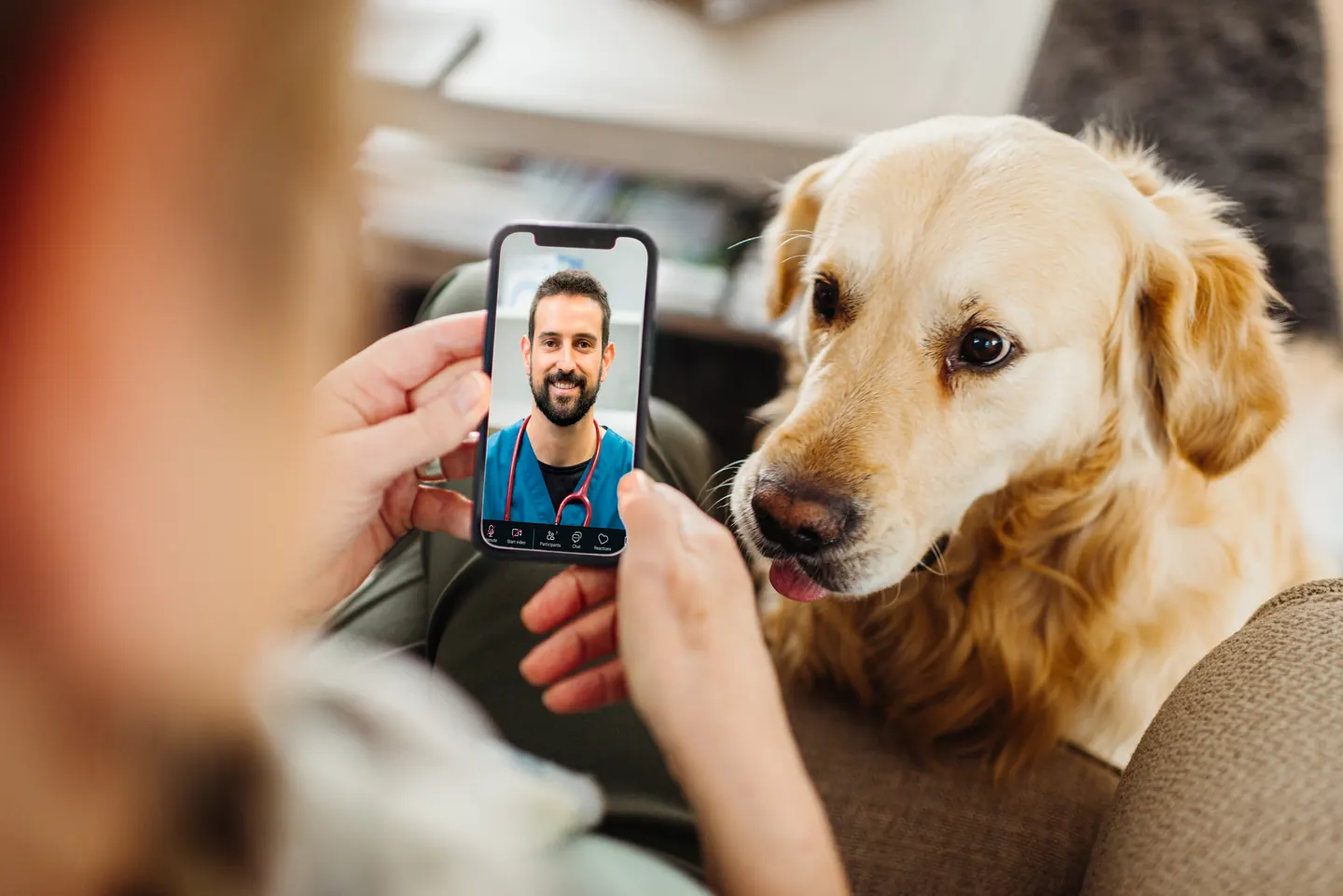
Have a health question about your dog?
Talk to a licensed vet at Dutch over video or message, including nights and weekends.
Use code Pets60
Plans start at $12/month · covers up to 5 pets
- Licensed vets in most states
- Rx for 150+ conditions
- 4.7 on Trustpilot
Why Frozen Fresh Dog Food Needs a Thawing Routine
- 1Thaw in the fridge as the default, planning 12 to 24 hours for most packs and up to two days for large ones.
- 2For speed, put a sealed pack in cold tap water and change the water every 30 minutes.
- 3Thaw packs in the refrigerator or cold water, never on the counter, in the microwave, or in hot water.
- 4Use thawed food within the keep time on the pack, and discard any bowl left out for more than 2 hours.
Freezing pauses bacteria rather than killing them. Once a pack warms above 40 F, the top of what the USDA calls the danger zone (40 F to 140 F), organisms such as Salmonella and Listeria can start multiplying again. That is why the USDA Food Safety and Inspection Service recommends thawing perishable food in the refrigerator, in cold water, or in the microwave right before cooking.
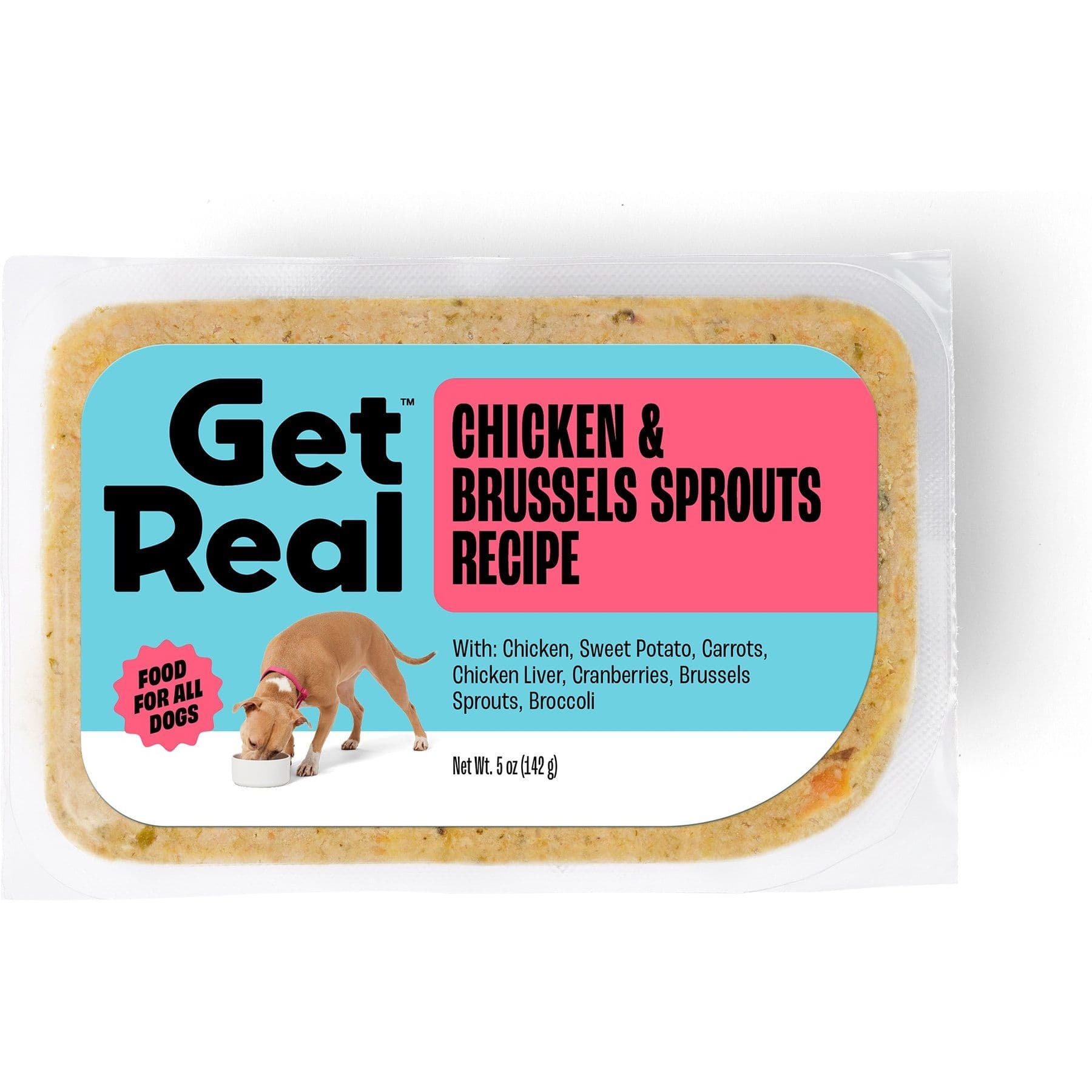
Pre-portioned, gently cooked packs that go straight from the freezer to the fridge, so thawing becomes part of the daily feeding routine.
Webvet may earn a commission when you click through to Chewy, at no extra cost to you.
The routine also protects people. The FDA points out that pet food can carry the same bacteria as human food, so the hands, bowls, and counters that touch it matter too.
A thawing routine keeps fresh food inside the safe range from freezer to bowl. For most households that routine is one step: move tomorrow's pack from the freezer to the fridge when you serve today's meal. Pre-portioned packs such as the Get Real Chicken & Brussels Sprouts Recipe make this easy, because you only thaw what your dog will eat in the next few days.
How to Thaw Frozen Dog Food: Fridge and Cold Water Methods
The safest way to thaw frozen dog food is to thaw in the fridge: place the pack on a plate on a low shelf and let it defrost overnight or longer. When you need food sooner, put a sealed pack in cold water and change the water every 30 minutes. Never thaw dog food on the counter or in the microwave.
Refrigerator thawing is the default method because the food never leaves the safe temperature range. Keep the fridge at 40 F or below, set the pack on a plate or in a shallow dish to catch condensation, and keep it below and away from ready-to-eat human food. This is also the safest way to defrost raw meat of any kind, and the same rules apply to raw dog food.
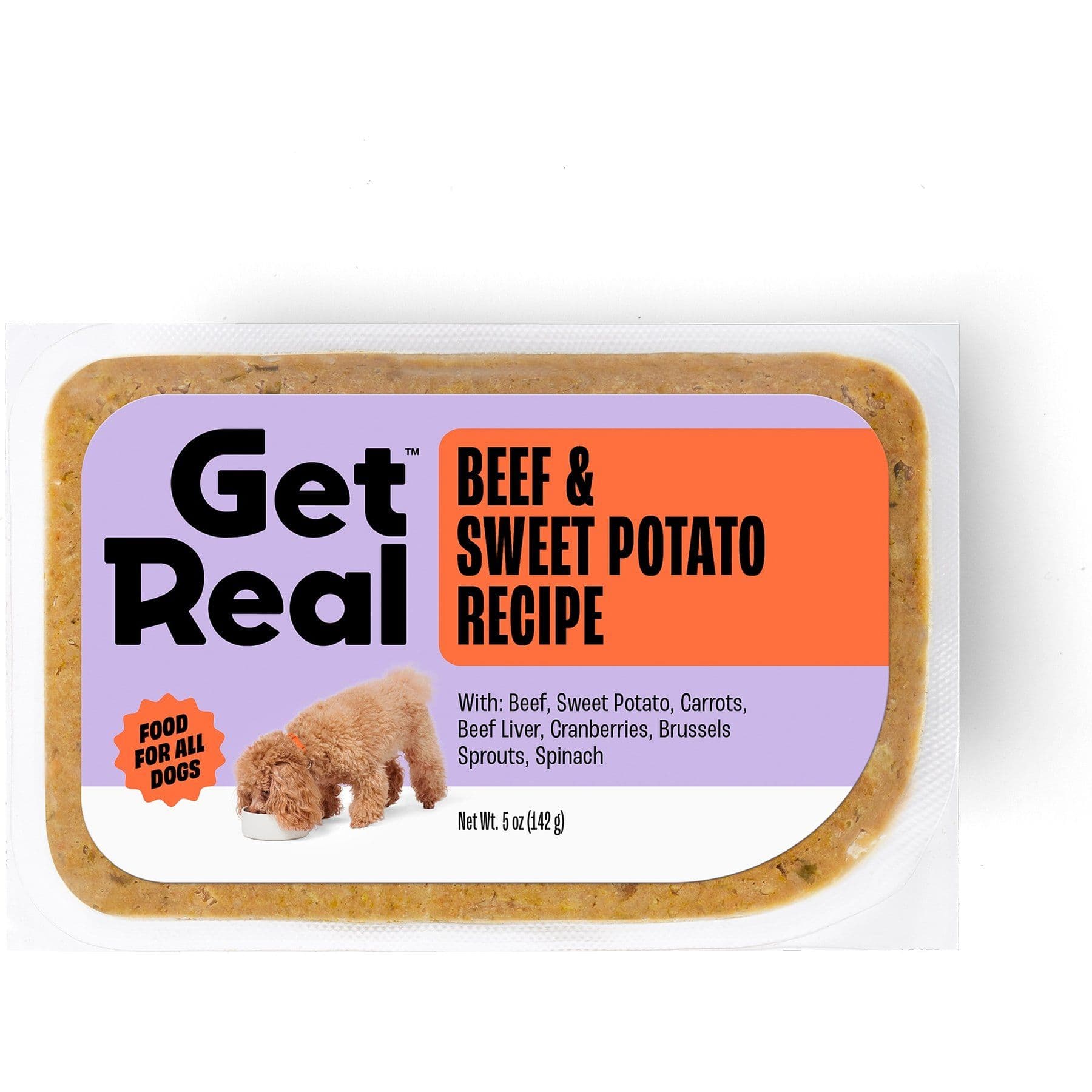
A fresh recipe in 12 oz and 24 oz packs that thaws in the fridge overnight, ready for the next morning's bowl.
Webvet may earn a commission when you click through to Chewy, at no extra cost to you.
Cold water thawing is the faster option when you need a pack ready the same day. The USDA describes it this way:
- Keep the food in a leak-proof, sealed pack or zip-top bag so water cannot reach it.
- Submerge the pack fully in a bowl of cold tap water.
- Change the cold water regularly, about every 30 minutes, so it stays cold.
- Expect a 1 lb package or smaller to thaw in about an hour.
- Serve the food right away once it is thawed, rather than storing it for days.

Warm water is not a safe shortcut. It heats the outer layer of a pack into the danger zone while the center is still frozen, which is exactly the condition bacteria need. Cold water is the quickest safe way to defrost a frozen pack.
How Long Frozen Dog Food Takes to Thaw
Plan on thaw time by pack size: small and medium packs of fresh food usually thaw overnight in the refrigerator, in about 12 to 24 hours, while large packs need closer to two days. Cold water is much faster, often under an hour for a small pack. The table below sets out the rules side by side.
| Method | Pack size | Thaw time by pack size | Serve or store rule |
|---|---|---|---|
| Refrigerator thawing (Get Real directions) | 5 oz and 12 oz packs | 12 to 24 hours | Use within 3 to 5 days of thawing |
| Refrigerator thawing (Get Real directions) | 24 oz pack | 35 to 48 hours | Use within 3 to 5 days of thawing |
| Cold water thawing (USDA general guidance) | Up to about 1 lb | About 1 hour or less; change the cold water regularly | Serve right away |
| Cold water thawing (USDA general guidance) | About 1.5 lb | USDA gives about 1 hour for 1 lb or less and 2 to 3 hours for 3 to 4 lb, so estimate 1 to 2 hours; change the cold water regularly | Serve right away |
| Counter, microwave, or hot water | Any size | Not recommended | Do not use |
So how long should you defrost dog food for? It depends on the method and pack size more than on the recipe. A single overnight in the refrigerator is enough for a 12 oz pack, but a 24 oz pack moved to the fridge in the evening may still be firm in the center the next morning. Rotating packs a day or two ahead removes the guesswork.
A simple way to plan is to keep one pack thawing while one pack is open. A large dog may need a new pack every day, while a small dog may open one only every few days, so the rotation follows your dog's appetite. The same rotation works for any recipe, including the Get Real Turkey & Cranberry Recipe. Readers who want to set daily portions first can start with the WebVet guide on how much to feed a dog, then thaw only what those portions use within the keep time.
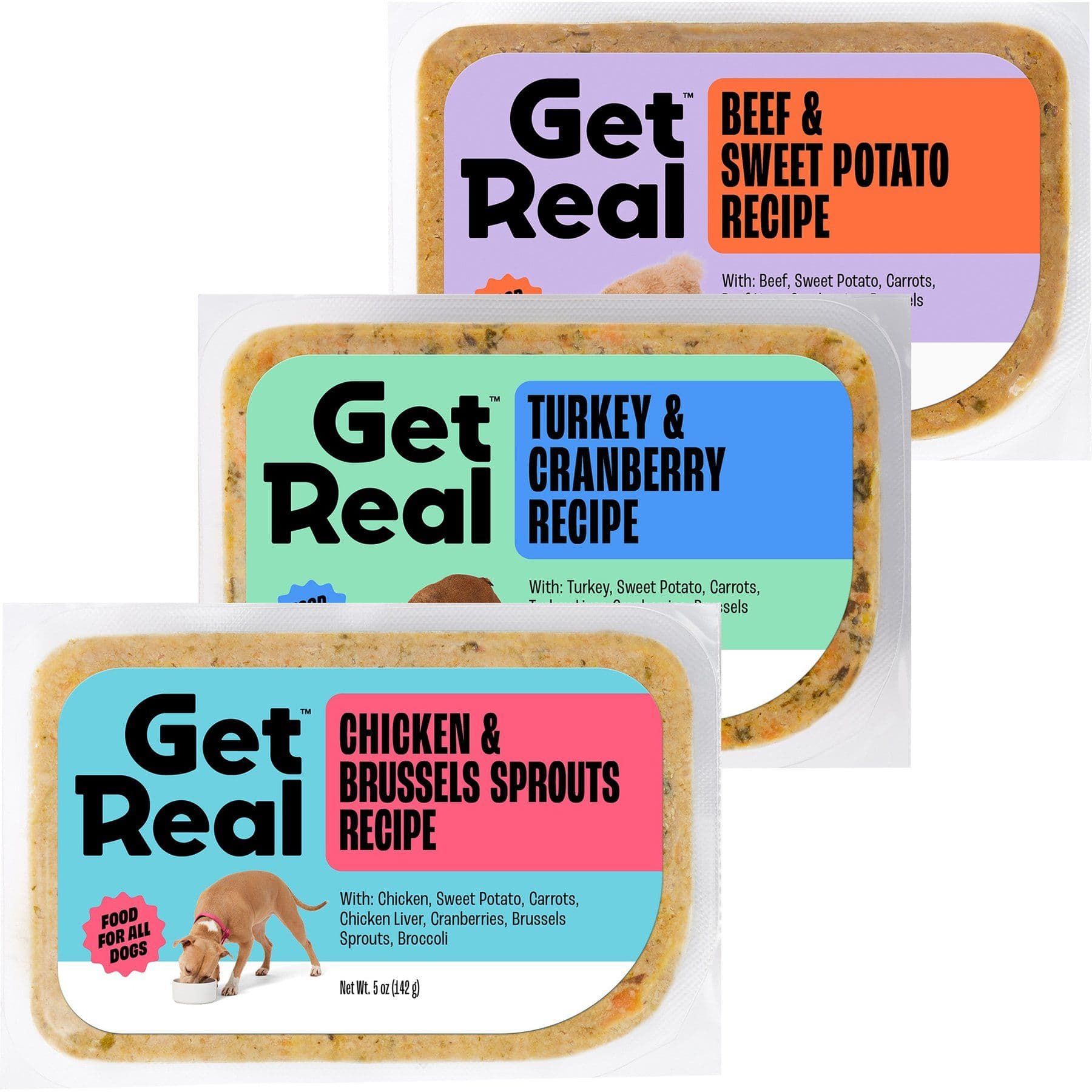
Two packs each of the beef, chicken, and turkey recipes, a simple way to try a fridge-thaw rotation before choosing a plan.
Webvet may earn a commission when you click through to Chewy, at no extra cost to you.
Thawing Shortcuts to Avoid: Microwave, Countertop, and Hot Water
Shortcuts feel harmless because the food looks fine, but each one lets part of the pack sit warm for too long. Here is why microwave, countertop, and hot water thawing are risky:
- The microwave heats a frozen pack unevenly. The edges can cook or turn hot while the center stays frozen, and microwave hot spots can burn a dog's mouth.
- Countertop thawing leaves the outside of the pack at room temperature for hours while the inside thaws. The USDA does not consider it safe for any perishable food.
- Hot water warms the surface into the danger zone within minutes, long before the center softens.
Can you defrost raw dog food at room temperature if you watch the clock? Not safely. Food left at room temperature for more than 2 hours should be discarded, and a frozen pack takes far longer than that to thaw on a counter.
If you forgot to move a pack to the fridge, use cold water thawing in a sealed pack, or offer your dog's regular backup food for that meal. Many owners keep a small supply of shelf-stable food for exactly this situation, and a gradual plan for transitioning dog food makes it easier to swap a meal now and then without stomach upset.
 Sponsored
Vet care that's always there
Unlimited video calls and messaging with licensed vets for less than a typical vet visit. One membership covers up to five pets.
Use code Pets60
Plans start at $12/month · covers up to 5 pets
- Licensed vets in most states
- Rx for 150+ conditions
- 4.7 on Trustpilot
How Long Thawed Dog Food Keeps in the Fridge
Thawed fresh food keeps for a few days in the refrigerator, not a few weeks. Get Real's instructions say to use thawed food within 3 to 5 days, and that matches how most fresh foods behave once they are out of the freezer. Raw diets are often more perishable, so follow the keep time on a raw food's label.

Does dog food go bad? Every kind does, on different timelines: fresh and raw foods spoil within days of thawing, and even dry dog food goes stale and rancid once the bag is open.
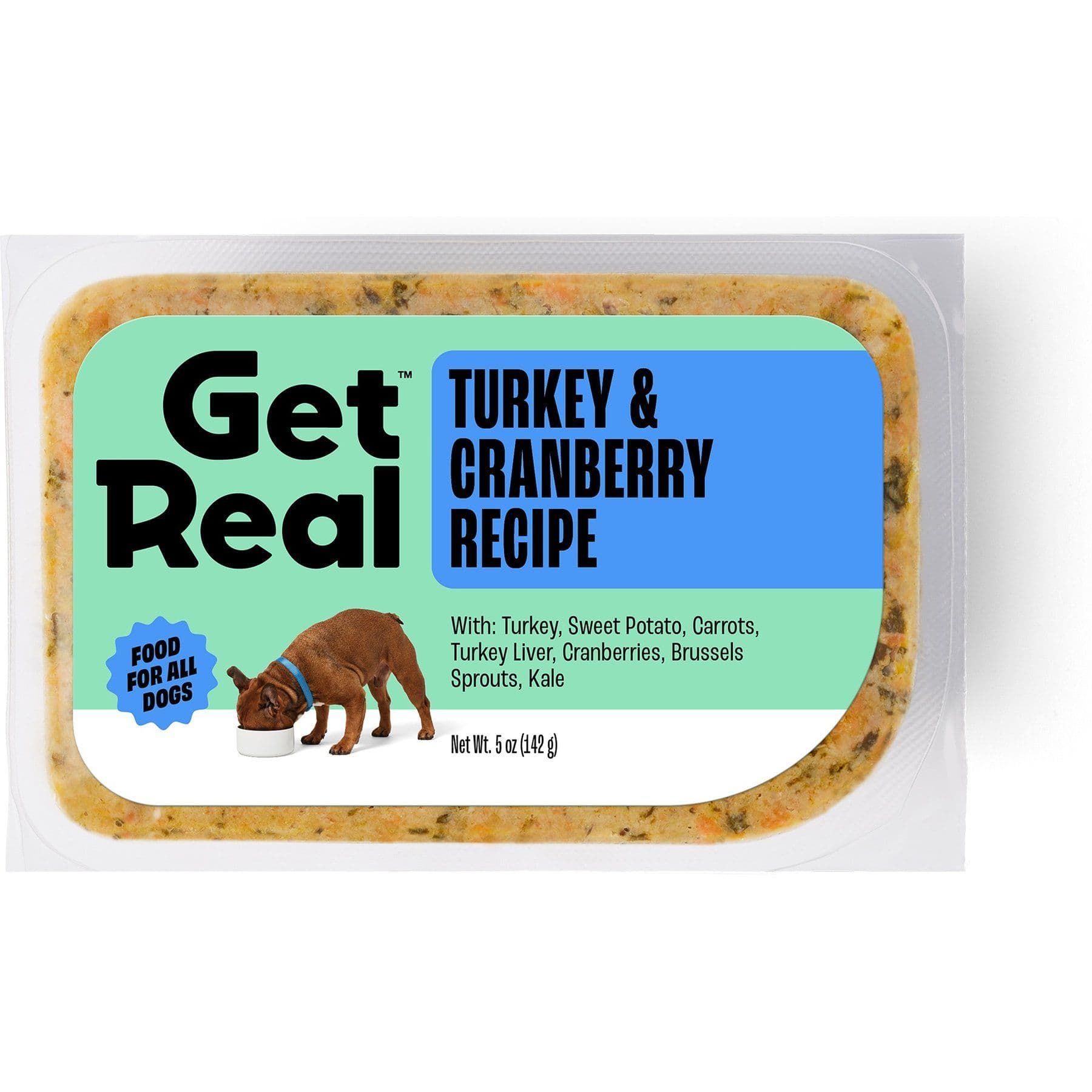
Turkey & Cranberry comes in 12 oz and 24 oz packs, so you can match pack size to how fast your dog finishes thawed food.
Webvet may earn a commission when you click through to Chewy, at no extra cost to you.
To keep thawed fresh food at its best:
- Write the thaw date on the pack or container.
- Reseal an opened pack or move it to a lidded container.
- Keep it on a shelf at 40 F or below, away from the fridge door.
- Throw out anything past the keep time, even if it looks fine.
Get Real packs come in 5 oz, 12 oz, and 24 oz sizes, so a small dog can work through a 12 oz pack well inside the keep time while a large dog may finish a 24 oz pack in a day or two.
Can dogs get food poisoning? Yes. Dogs tolerate some bacteria better than people do, but spoiled food can still cause vomiting and diarrhea, and Salmonella or Listeria can also spread to the people in the home.
Can You Refreeze Thawed Dog Food?
The honest answer depends on temperature, not a flat yes or no. Food that was thawed in the refrigerator and stayed at refrigerator temperature or colder can be refrozen, though texture may suffer. Get Real's guidance is the same: thawed food still at 40 F or below may be refrozen or refrigerated.
Food thawed in cold water or left on the counter is different. The USDA advises using cold-water-thawed food right away instead of refreezing it, because part of the food may have been warmer. In practice, the decision is simple: if you are unsure whether a pack stayed at refrigerator temperature or colder, do not refreeze or refrigerate it for later.
For a household that thaws more than it uses, it is often easier to thaw a smaller pack than to refreeze. The WebVet guide on whether you can freeze wet dog food covers freezing canned food portions.
Serving Thawed Food Safely and Cleaning Up
How long can raw dog food sit out for? The same 2 hour room temperature limit for served food applies to raw and fresh dog food: pick up anything your dog has not eaten within 2 hours, or 1 hour on a hot day above 90 F, and discard it rather than saving it.

Hand, bowl, and surface hygiene follow the FDA's pet food handling advice:
- Wash your hands with soap and water before and after handling the food.
- Wash the bowl with hot, soapy water after every fresh meal.
- Wipe down counters and scoops that touched the food.
- Keep pet food utensils separate from family dishes where you can.
Watch your dog after any meal you suspect was spoiled. These are the symptoms that mean a dog ate spoiled food and needs a vet. Most show within a day, and every one of them is worth a call:
- Repeated vomiting
- Diarrhea, especially with blood
- Refusing food or unusual lethargy
- A swollen or painful belly
- Fever
Puppies, seniors, and dogs with other health conditions are at higher risk, so call your veterinarian sooner rather than later if any of these appear.
Thawing Get Real Fresh Dog Food Packs
Get Real is Chewy's fresh dog food line, sold only at Chewy in select markets. Each of the three recipes is gently cooked then frozen, made with human-grade ingredients, and has 10 ingredients or less plus vitamins and minerals. Packs arrive in an insulated box, and Chewy asks owners to put them in the freezer as soon as they arrive.

The Get Real thaw and storage rules from Chewy are specific:
- Thaw in the refrigerator for 12 to 24 hours for 5 oz and 12 oz packs.
- Allow 35 to 48 hours for a 24 oz pack.
- Use thawed food within 3 to 5 days.
- Discard food that smells bad or sat at room temperature for more than 2 hours.
- Food still at 40 F or below may be refrozen or refrigerated.
Chewy publishes refrigerator thawing for Get Real; cold water thawing in this guide is general USDA advice rather than a Get Real instruction. The 5 oz packs are mixer packs for adding to another food, while the 12 oz and 24 oz packs suit full meals. The Get Real Sampler Pack holds two packs each of the beef, chicken, and turkey recipes, so it is an easy way to practice a thawing rotation before choosing a plan.
The Get Real Beef & Sweet Potato Recipe follows the same thaw rules as the other two recipes. For portion and switching detail specific to these packs, see the WebVet Get Real feeding guide.
Frequently Asked Questions
Can dogs eat frozen dog food without thawing it?
It is best to serve fully thawed food. Frozen chunks can be hard on teeth, can be a choking risk for fast eaters, and may upset some stomachs. Fully thawed food also shows its true smell and texture, which helps you spot spoilage.
Can you defrost raw dog food in warm water?
No. Use cold tap water, not warm water, and keep the food in a sealed pack. Warm water heats the outside into the danger zone while the middle is still frozen.
Should thawed dog food be warmed before serving?
It does not need to be. If your dog prefers it less cold, let the portion sit at room temperature briefly, about 15 to 20 minutes, or stir in a little warm water. There should be no microwave hot spots, so skip the microwave.
How can you tell if thawed dog food has gone bad?
A sour smell, slimy texture, gray or off color, mold, or a swollen pack are all signs to discard it. Food past its keep time should also go, even if it seems fine. When in doubt, throw it out.
Is the liquid in a thawed pack safe for my dog?
Yes, as long as the food is within the keep time and stayed cold. The liquid is mostly moisture and juices from the food, so mix it back in rather than pouring it away.
How do I keep frozen dog food safe when traveling?
Pack frozen portions in an insulated cooler with ice packs and keep them cold until you can move them to a fridge or freezer. Keep thawed dog food at 40 F or below in the cooler and use it within the normal keep time.
Veterinarian · BVMS MRCVS
Dr. Pippa Elliott, BVMS, MRCVS, is a veterinarian with nearly 30 years of experience in companion animal practice. Dr. Elliott earned her Bachelor of Veterinary Medicine and Surgery from the University of Glasgow. She was also designated a Member of the Royal College of Veterinary Surgeons. Married with 2 grown-up kids, Dr. Elliott has a naughty Puggle named Poggle, 3 cats and a bearded dragon.
Related reading

Easily Digestible Dog Food: What Makes a Meal Gentle on Your Dog's Gut

Fresh Dog Food for Underweight Dogs: Safe Weight Gain, Step by Step

How to Tell if a Dog Food Is Right for Your Dog: 8 Signs Vets Check
