Dog Broken Toe: Signs, Treatment, and Recovery
A swollen, painful toe can have several causes. Learn what an examination can establish, how treatment is chosen, and which splint changes need prompt veterinary attention.

BVMS MRCVS
Medically reviewed by Dr. Pippa Elliott, BVMS MRCVS · Last reviewed

This article contains affiliate links. Webvet may earn a commission when you buy through them, at no extra cost to you.
A dog broken toe can look like a nail injury, a sprain, or a more extensive paw fracture. Limping and swelling deserve veterinary assessment even if your dog still walks. The useful first steps are to restrict activity, arrange an examination, and avoid trying to straighten or splint the toe yourself.
Signs of a broken toe and when to get help
- 1A toe fracture can cause swelling, limping, licking, or reluctance to bear weight, but those signs are not a diagnosis.
- 2Diagnostic radiographs help the veterinarian identify which bone is injured and whether it is displaced.
- 3Pain relief and easier walking do not prove that a fracture has healed.
A dog can break a toe after a crush injury, an awkward landing, or other trauma. Signs may include a swollen digit, tenderness, altered toe position, persistent licking, and a limp ranging from subtle to non-weight-bearing. Some dogs walk despite a fractured paw or toe. Others show substantial pain without a visible deformity.

Call the clinic promptly about a suspected fracture. An open wound over a possible break, severe pain, marked deformity, uncontrolled bleeding, or inability to use the leg warrants urgent advice. A dog injured in a road accident needs assessment for injuries beyond the toe. Avoid repeatedly handling a painful paw; even a normally gentle dog may bite.
For the short toilet trips the veterinarian allows, a fixed-length Leash Boss standard leash can help prevent sudden running. Keep the route short and level, and ask the clinic whether your dog should be carried or otherwise assisted. The leash supports controlled movement; it does not make an unassessed fracture safe to walk on.
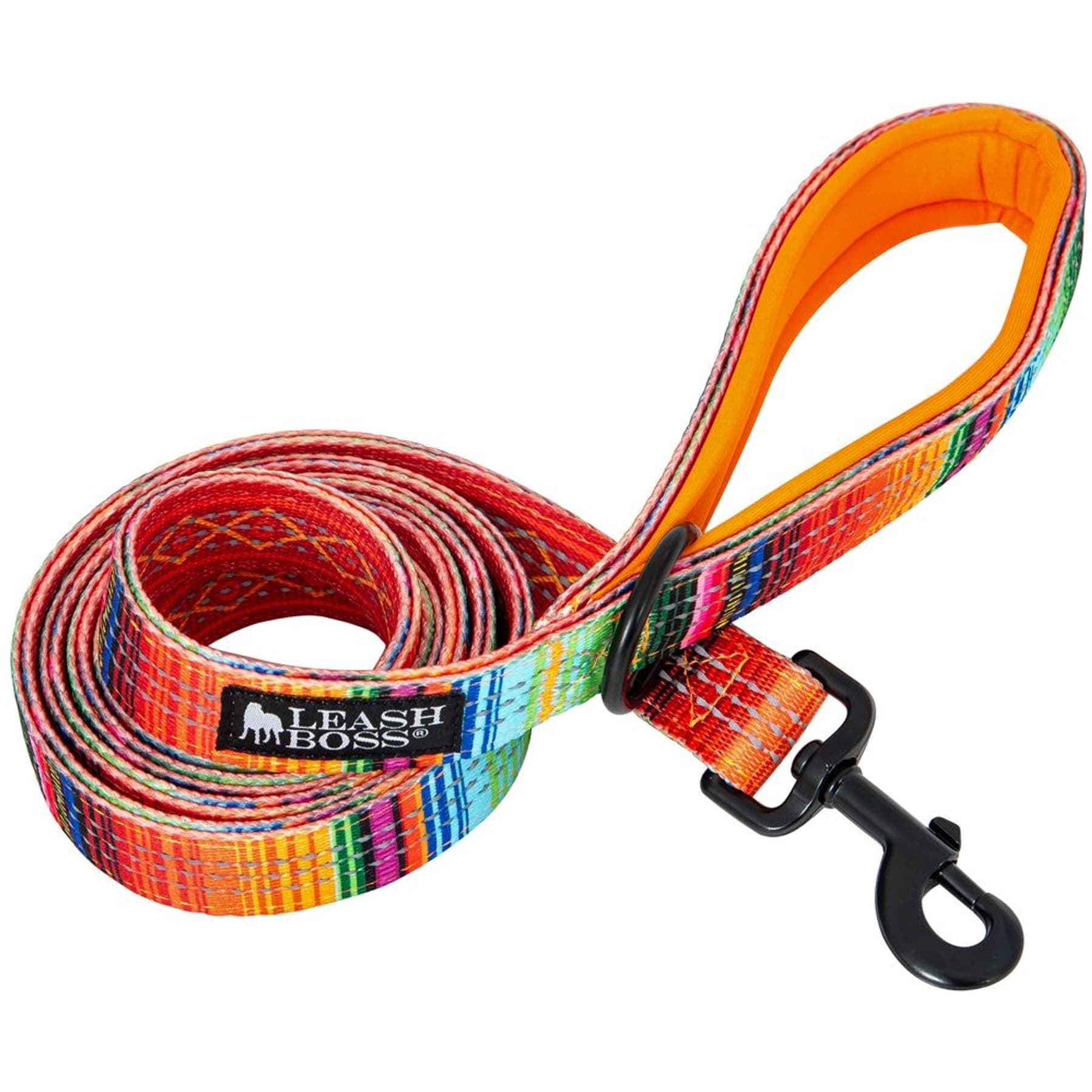
A standard leash helps control the short toilet trips your veterinarian permits; ask whether your dog needs assistance.
Webvet may earn a commission when you click through to Chewy, at no extra cost to you.
What pictures can show
The normal paw photograph shows the relationship between the toes and their nails. A split or hanging nail, bleeding near the nail base, or exposed quick points to nail damage. Swelling around the toe itself is different from a damaged nail tip, while swelling across the whole paw may involve several structures. These observations help describe the problem to the clinic.
Pictures cannot establish whether the bone beneath that swelling is broken, whether its ends line up, or whether a joint is involved. Nail trauma and a fracture can occur together. An outer toe sometimes called a “pinky” toe and a higher-positioned dewclaw also need their actual location identified; they are not interchangeable injuries. Send a photograph if the clinic requests one, without bending the toe to improve the view.
A broken toe is different from a broken nail or paw
A toe contains small bones called phalanges (one is a phalanx), joints, tendons, and other soft tissues. The nail is a separate structure at its tip. A broken nail can be very painful and may need treatment for bleeding, exposed sensitive tissue, or infection. A hanging nail, persistent bleeding, a swollen painful nail base, or continued limping is a reason to contact the veterinarian. See the broken dog nail guide for that specific injury.
During prescribed rest, a familiar, correctly sized MidWest iCrate is one possible confinement space. The listed 36-inch model must fit your individual dog and the clinician's recovery plan. Your dog should be able to rest comfortably; if confinement causes frantic movement, ask for a different setup instead of forcing the situation.

A correctly sized, familiar crate can support prescribed rest when your dog settles safely in it.
Webvet may earn a commission when you click through to Chewy, at no extra cost to you.
“Broken paw” may describe one fractured digit, several toes, or bones farther up the foot. A leg sprain involves ligament injury, although swelling and limping can overlap with a fracture. Looking at the paw or noticing that your dog can still stand cannot reliably separate these possibilities.
The VCA guide to limping dogs explains that lameness can arise from bones, joints, muscles, tendons, ligaments, nerves, or skin. Use your observations to help locate the problem, rather than treating every limp as a toe injury. The broader dog limping guide explains other causes.
 $65 · no membership
Is your dog slowing down or seeming sore?
A licensed vet can examine your dog over video and prescribe treatment online when it's appropriate.
 Talk to a vet
- Licensed vets
- All 50 states
- same-day Rx
Webvet may earn a commission if you book.
How vets diagnose a dog broken toe
The veterinarian asks when the limp began, what happened, and whether your dog has been licking, bleeding, or receiving medication. Examination identifies visible nail damage and painful areas; diagnostic radiographs, commonly called X-rays, distinguish a toe fracture from fractures elsewhere in the paw. They show the affected bone, alignment, and joint involvement. Comfortable, accurate positioning may require sedation.
If a splint or bandage is chosen, ask the team to explain these checks before discharge. New problems need advice sooner than a scheduled recheck.
| Check | Concerning change | What to do |
|---|---|---|
| Exposed toes | New swelling, discoloration, unusual coldness, or increasing pain | Contact the clinic promptly; ask whether immediate assessment is needed |
| Wet splint or bandage | Moisture, soiling, odor, or discharge | Call for instructions and possible replacement |
| Position and edges | Bandage slippage, tightness, or skin irritation | Arrange a fit check; do not push or tighten it yourself |
| Your dog's behavior | New chewing, persistent licking, or distress | Prevent access and tell the clinic what changed |
| Scheduled recheck | Missed bandage-change or reassessment appointment | Contact the team to reschedule and confirm safe interim care |
An examination answers questions a photograph cannot. Is one toe fractured or is the injury farther up the paw? Is there a wound that communicates with the fracture? Does an apparently small injury affect a weight-bearing part of the foot? These findings influence whether external support is useful and whether surgical advice is needed.
Bring a short account of the injury and ask for these details before leaving:
- Which toe and bone are injured, and is the fracture displaced or near a joint?
- Is there an associated nail injury, wound, or soft-tissue injury?
- What movement is allowed until the next examination?
- When will the clinic reassess the paw or repeat radiographs?
- Which change requires a same-day call rather than waiting for the appointment?
Do not squeeze individual toes or deliberately make your dog walk to test the diagnosis. A brief video of naturally occurring limping may help the veterinarian, but it should not require extra exercise or delay the visit.
Treatment choices: rest, support, or surgery
Vets treat a broken toe according to the affected bone, fracture stability, alignment, wounds, and the dog's needs. A stable injury may be managed with restricted activity and prescribed pain relief, sometimes with professionally applied external support. An unstable, displaced, open, or complicated fracture may need surgical assessment. A cast or splint is not automatically the best choice for every toe.
Protecting the prescribed treatment
If your dog can reach a bandage or surgical site, ask the clinic to fit a protective collar. A Dogswell rigid E-collar is one option when its size and reach are appropriate. The listed small size is not suitable for all dogs. The team should confirm that your dog cannot reach the paw and can still eat, drink, and settle safely.
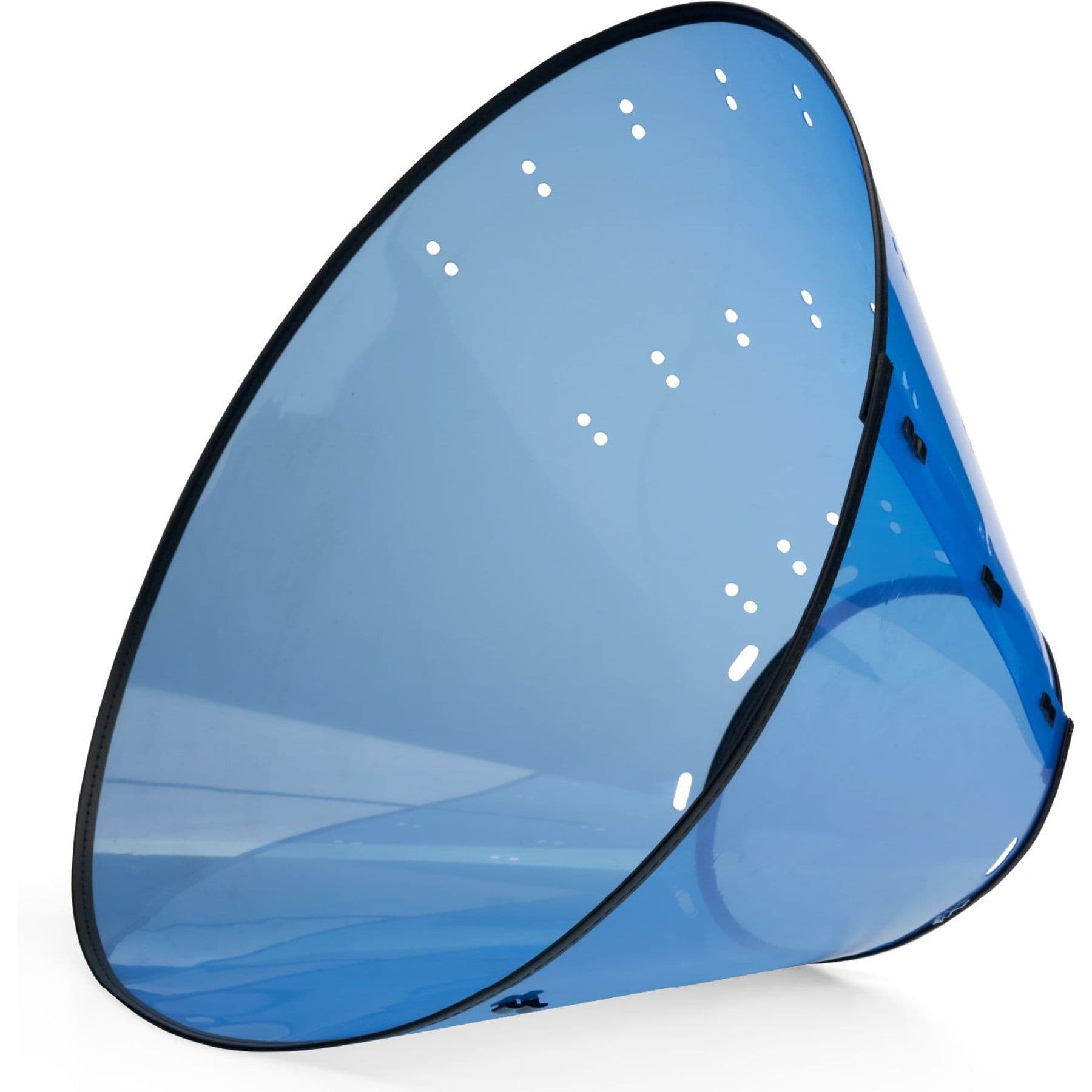
A correctly fitted rigid collar can prevent access to a bandaged paw; confirm size and reach with the clinic.
Webvet may earn a commission when you click through to Chewy, at no extra cost to you.
External support works only when it is correctly chosen, fitted, and monitored. Do not make a home splint, tape toes together, or tighten a slipping wrap. Pressure, moisture, or poor positioning can create another injury. A protective walking boot cannot provide the same function as a prescribed splint, and its use needs the clinician's agreement.
Surgery may stabilize a fracture when appropriate; in selected severely damaged digits, amputation may be discussed. Ask why that recommendation suits the exact injury and what function the veterinarian expects afterward. The word “amputation” should not be assumed to mean loss of the whole paw, but it is a significant treatment decision requiring an explanation of alternatives and recovery.
Understanding the treatment estimate
The cost of a broken dog toe depends on examination, radiographs, sedation, wound care, medicines, support or surgery, and follow-up. Ask for an itemized estimate that includes bandage changes and recheck imaging, rather than only the initial splint price. An orthopedic referral or complication can add costs. A UK estimate should be discussed in pounds with the treating clinic; a US price is not a reliable substitute. A clinic-specific quote is needed for a usable figure: the fracture-care sources cited here do not establish a current US or UK price range for toe treatment.
Use only the prescribed medication schedule. The guide to pain medicines for dogs explains why human painkillers or leftovers from another pet are not interchangeable. Contact the clinic if pain seems uncontrolled instead of increasing a dose yourself.

A clean crate mat provides a resting surface when it fits the dog and recovery space; keep the splint dry separately.
Webvet may earn a commission when you click through to Chewy, at no extra cost to you.
Caring for a splint and watching the exposed toes

Home treatment means carrying out the veterinary plan, not resetting the fracture. Before discharge, have the team demonstrate what to check and identify the exposed toes. VCA's bandage and splint guidance recommends checking at least twice daily and keeping the support clean and dry.
A clean resting surface makes daily care easier. A Frisco Swirl crate mat is an option if its dimensions fit the recovery area and your dog rests on it safely. Keep a spare surface available while bedding is cleaned. This 30-inch mat is not a size match for every crate, and it does not waterproof a splint outdoors.
Ask how to protect the bandage during a permitted outdoor toilet trip and when to remove any temporary cover afterward. Continue the prescribed activity restriction and collar use. Keep the clinic's daytime and after-hours numbers with the discharge instructions so another caregiver can act on a change.
A practical handover between caregivers
Record medication times, the next appointment, and the dog's usual appearance and comfort. A short daily note is more useful than repeatedly prodding the paw. If something changes, report what you observed, when it began, and whether the support got wet or slipped. Let the veterinary team decide whether a photograph is sufficient or an examination is necessary.
Healing checks and return to walking
Bone healing takes weeks, and a broken toe or more extensive foot fracture does not have one dependable timetable. Age, fracture pattern, stability, and damage to surrounding tissues affect recovery. A dog can live with a treated toe fracture, but leaving it untreated risks continuing pain or healing in a poor position. The fact that bone can heal biologically does not mean it will heal correctly without a treatment plan.
For broader fracture context, the American College of Veterinary Surgeons describes minimum periods before progressing toward normal activity of about four weeks in young puppies and eight weeks in adult or older dogs. Those are general fracture guidelines, not a promise that your dog's toe will be ready on that date. Recheck findings determine the next step.
- Keep restriction in place until the veterinarian clears an increase.
- Attend follow-up examinations and any recommended radiographs.
- Ask for a written progression from toilet trips to longer walks.
- Report renewed limping after activity rather than pushing through it.
Pain relief often arrives before full bone strength. Your dog may want to run or jump while protection is still needed. Do not use enthusiasm, a normal-looking toe, or the end of the medicine course as clearance. If progress stalls, ask whether the fracture, support, soft tissues, or another cause of lameness needs reassessment.
Broken toe questions
Frequently Asked Questions
Will a dog's broken toe heal on its own?
Some stable toe fractures can heal without surgery, but they still need veterinary diagnosis, appropriate restriction, pain management, and follow-up. Fracture alignment and stability affect whether bone healing produces a comfortable, functional toe. “No surgery” is not the same as “no treatment”; a displaced or unstable fracture may require additional support or surgery.
Can a dog still walk on a broken paw?
Yes. Some dogs bear weight with a fractured toe or another paw injury, particularly when only part of the foot is affected. Weight bearing does not rule out a fracture or show that exercise is safe. Restrict movement and arrange an examination; diagnostic radiographs may still be needed. Do not repeatedly test the leg.
What to do if your dog is limping but not crying?
Reduce activity and contact the veterinarian for a pain assessment. Persistent lameness can indicate pain even without crying: dogs may alter their movement, lick, or hesitate to rise instead. Seek urgent advice for severe pain, an open wound, deformity, major trauma, or inability to use the leg. Quiet behavior does not exclude a significant injury.
What should I do if my dog's splint gets wet?
Call promptly about a wet splint; clinic replacement may be necessary. Moisture under support can affect skin even when the outside starts drying. Do not assume drying the surface solves the problem, and do not remove or rebuild the splint yourself unless the veterinary team specifically instructs you.
Can my dog lick a bandaged toe?
Prevent access with a correctly fitted protective collar as directed by the veterinarian. Bandage chewing and licking can damage or wet the support; a sudden increase may signal discomfort or a fit problem. Report the change. Covering the bandage with another tight layer is not a safe substitute.
Does less limping mean the broken toe has healed?
No. Reduced pain or improved use can occur before bone healing restores enough strength for normal activity. Keep the planned restrictions and appointments. The veterinarian uses the examination and, when indicated, recheck radiographs to decide when longer walks, running, or jumping can resume.
Can I use a boot instead of a prescribed splint?
Do not substitute a support boot without veterinary approval. A boot may protect a surface during a specific task; it does not establish fracture stability. A prescribed splint supports or restricts movement of the injured area. Ask whether any boot or cover is suitable over the treatment and exactly when it should be used.
$65 · no membershipIs your dog slowing down or seeming sore?
A licensed vet can examine your dog over video and prescribe treatment online when it's appropriate.
Talk to a vet- Licensed vets
- All 50 states
- same-day Rx
Webvet may earn a commission if you book.
Veterinarian · BVMS MRCVS
Dr. Pippa Elliott, BVMS, MRCVS, is a veterinarian with nearly 30 years of experience in companion animal practice. Dr. Elliott earned her Bachelor of Veterinary Medicine and Surgery from the University of Glasgow. She was also designated a Member of the Royal College of Veterinary Surgeons. Married with 2 grown-up kids, Dr. Elliott has a naughty Puggle named Poggle, 3 cats and a bearded dragon.


